


Description
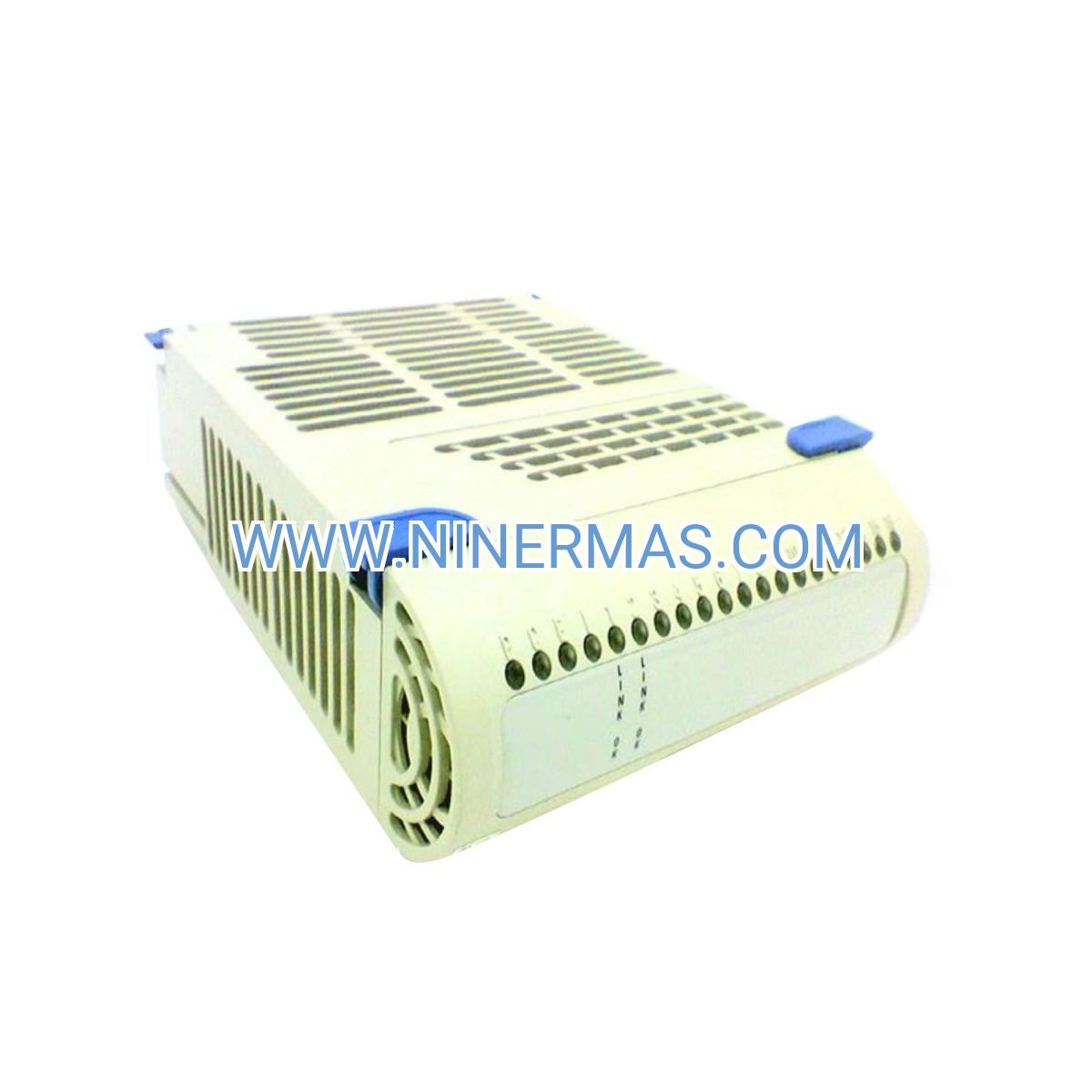
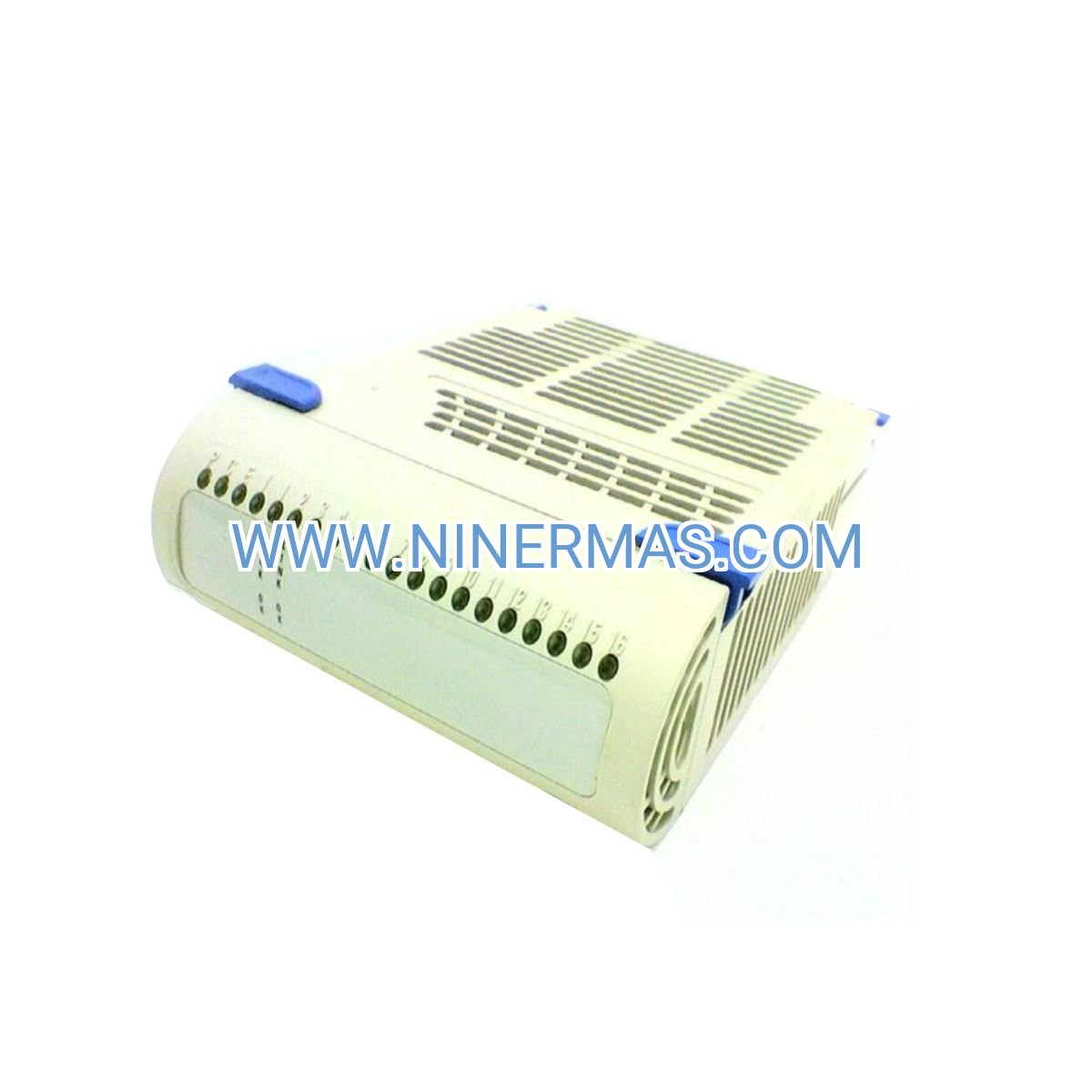
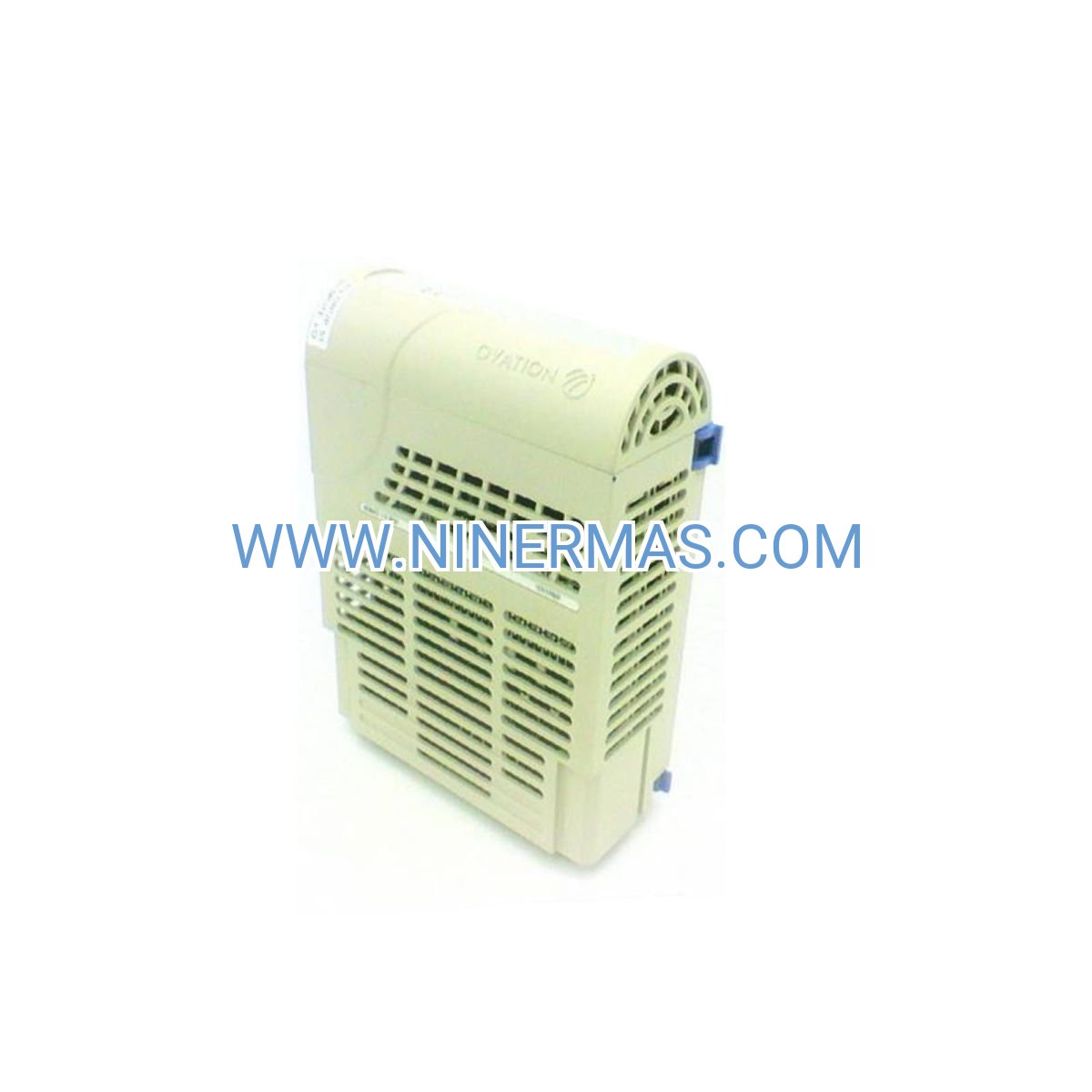
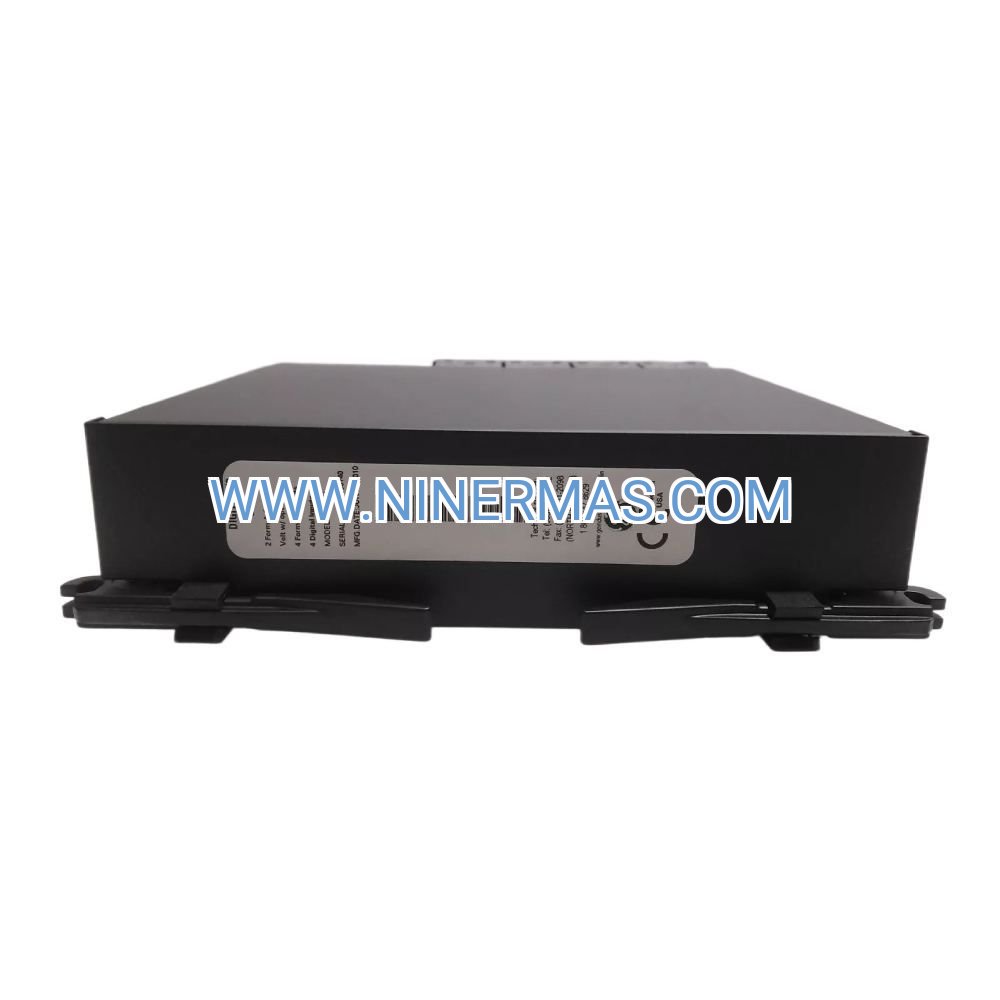
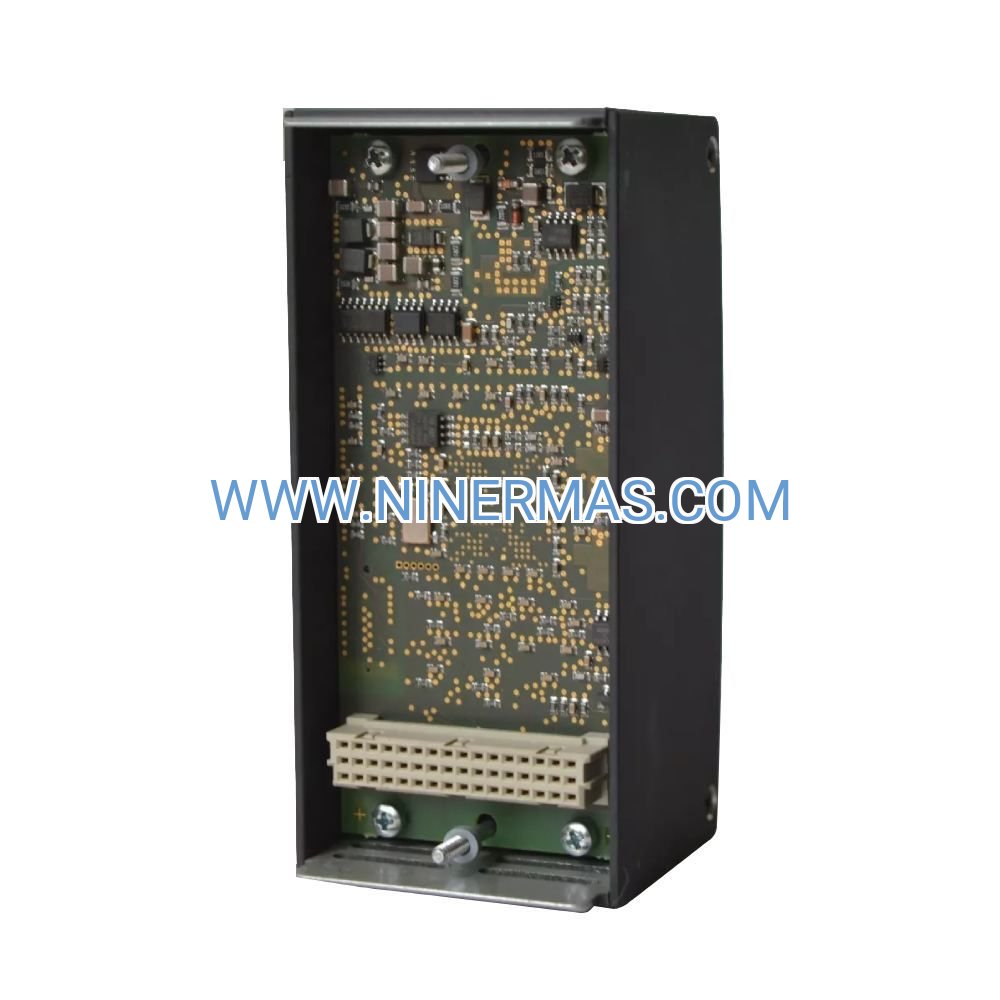
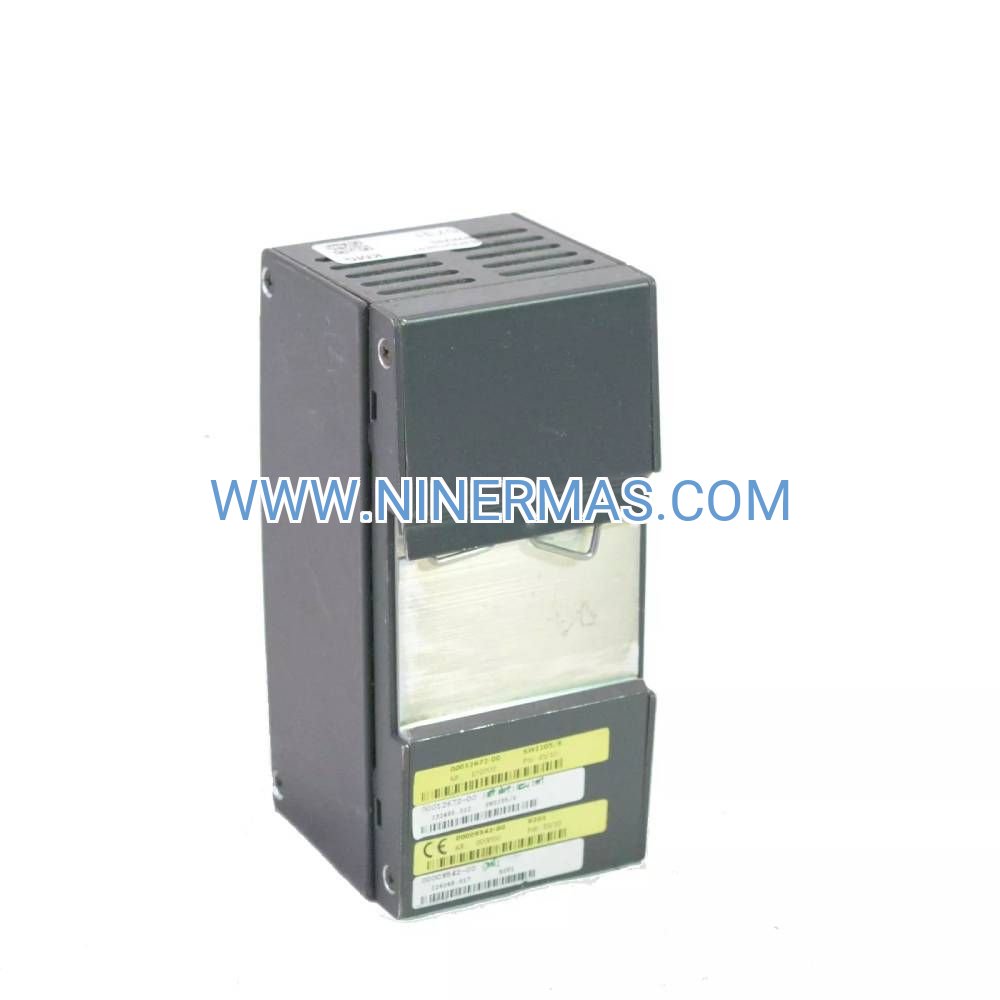
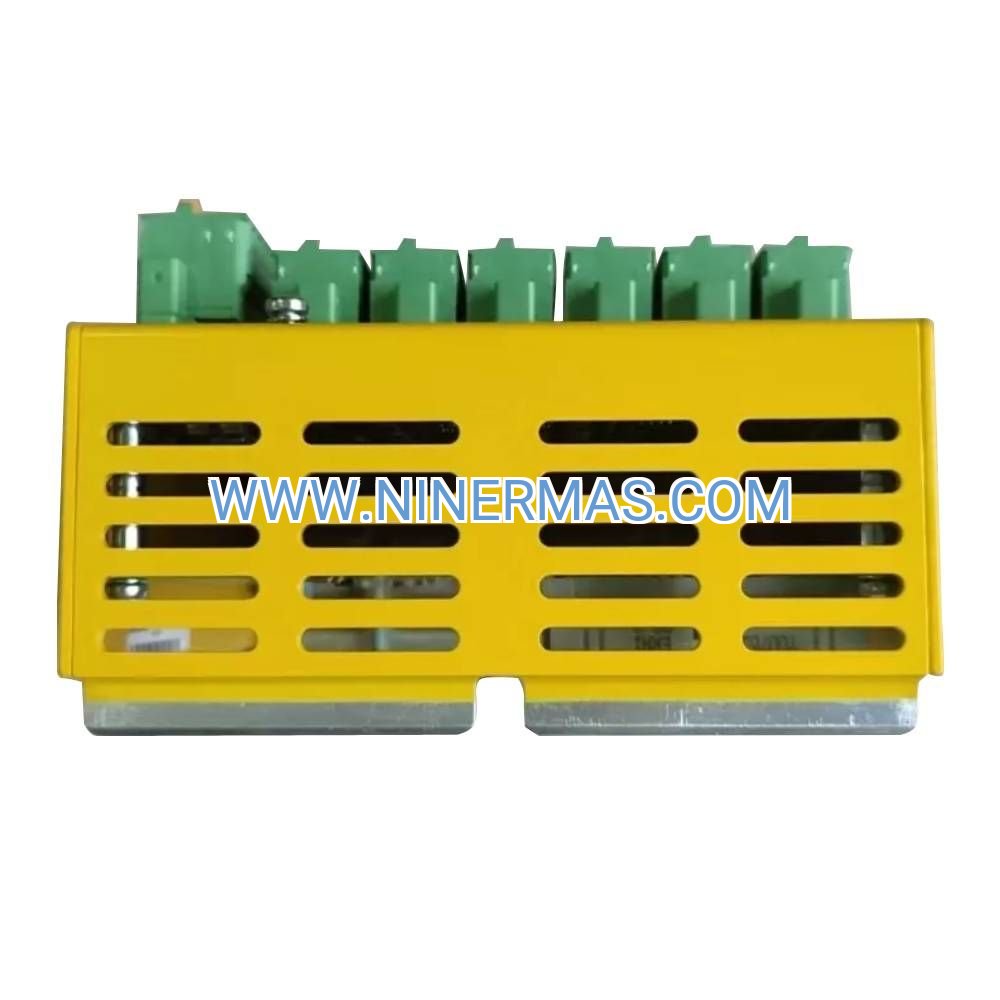
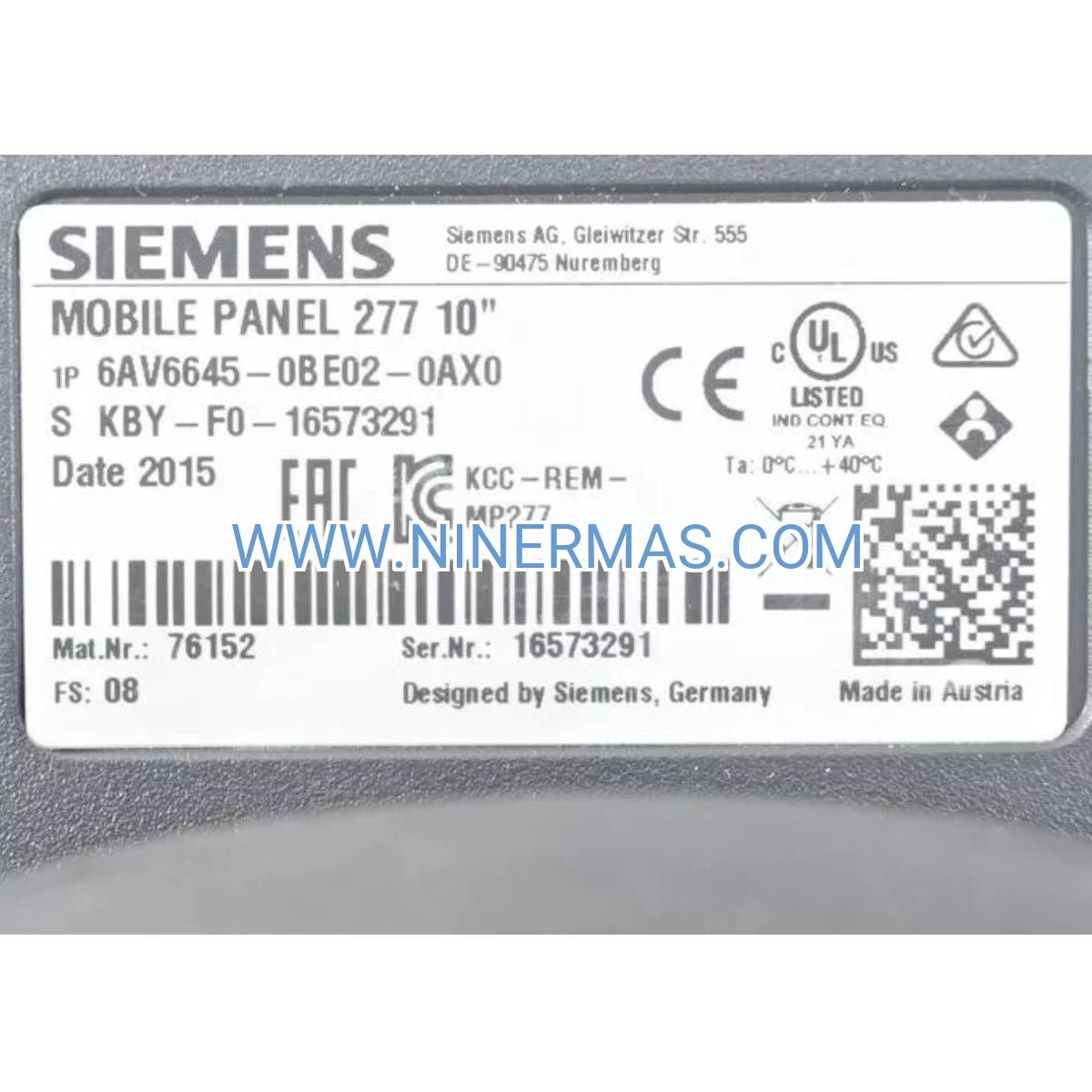
GE 1C31179G01 Speedtronic Mark IV Turbine Control Module (Industrial-Grade Precision Control System)
The GE 1C31179G01 Speedtronic Mark IV Turbine Control Module is an industrial-grade control device designed for gas turbine speed regulation, load management, and protection coordination in power generation and mechanical drive applications. Through advanced real-time processing algorithms and proprietary Speedtronic communication protocols, this module delivers precise turbine speed control, automatic load balancing, and comprehensive fault diagnostics to ensure safe, efficient, and continuous operation.
Ideal for power generation plants, oil & gas compression stations, industrial cogeneration facilities, and petrochemical process units, this control module addresses critical challenges including turbine overspeed risks, load fluctuation instability, manual monitoring burdens, and delayed fault response. It provides operators with real-time visibility into turbine performance while maintaining strict compliance with safety standards such as API 670, NFPA 85, and IEC 61508.
Built on GE's proven Speedtronic architecture with standardized configurations and field-customizable parameters, the 1C31179G01 module offers exceptional reliability, seamless system integration, ease of maintenance, and broad compatibility with legacy and modern turbine platforms. It serves design engineers, EPC contractors, system integrators, and plant maintenance teams seeking turnkey control solutions. Contact our application engineers for system architecture consultation, configuration recommendations, and project-specific quotations.
Core Functions & Advantages
Precision Speed Regulation
Employs closed-loop control with high-resolution speed sensors and adaptive PID algorithms to maintain turbine speed within ±0.1% of setpoint, eliminating hunting oscillations and reducing mechanical stress on rotating components. Ensures stable grid synchronization and smooth load transitions during startup, normal operation, and shutdown sequences.
Advanced Load Management
Automatically coordinates fuel valve positioning, inlet guide vane angles, and generator excitation to optimize load distribution across multiple turbines. Supports base-load, peak-shaving, and load-following modes with configurable ramp rates, minimizing thermal cycling and extending hot gas path component life by up to 25%.
Comprehensive Protection Integration
Interfaces with overspeed detection systems, vibration monitors, flame scanners, and lube oil pressure sensors to execute coordinated emergency shutdowns within 200 milliseconds. Features triple-modular redundancy (TMR) voting logic to eliminate nuisance trips while maintaining SIL-3 safety integrity levels for critical protection functions.
Real-Time Diagnostic Capability
Continuously monitors over 150 process parameters including exhaust temperature spread, compressor surge margin, combustion dynamics, and auxiliary system health. Provides predictive maintenance alerts through trend analysis, reducing unplanned downtime by 30-40% and enabling condition-based maintenance strategies.
Intuitive Operator Interface
Supports integration with GE ToolboxST HMI software, SCADA systems, and third-party DCS platforms via Modbus TCP, OPC UA, and proprietary GENET protocols. Displays turbine operating envelopes, alarm histories, and performance curves in customizable dashboards with multi-language support (English, Chinese, Spanish, Arabic) for global deployment.
Proven Field Reliability
Manufactured with conformal-coated PCBs, industrial-grade capacitors rated for 105°C operation, and gold-plated connectors resistant to sulfur contamination. Achieves MTBF exceeding 150,000 hours in harsh environments with temperature extremes (-40°C to +70°C), high humidity (95% RH non-condensing), and electromagnetic interference per IEC 61000-6-2 standards.
Typical Application Scenarios
This control module is engineered for installations demanding high availability, precise control authority, and stringent safety compliance, particularly in:
Combined-Cycle Power Plants
Manages Frame 6, Frame 7, and Frame 9 class gas turbines in 2x1 and 1x1 combined-cycle configurations, coordinating with heat recovery steam generators (HRSG) and steam turbines for optimized thermal efficiency. Interfaces with plant DCS for automatic generation control (AGC) and frequency regulation services in grid-connected applications.
Simple-Cycle Peaking Stations
Enables rapid start capabilities (10-15 minutes to full load) for LM6000, LM2500, and aeroderivative turbines used in peaking duty and black-start service. Supports remote dispatch commands from ISO/RTO energy management systems while maintaining local autonomous control during communication failures.
Oil & Gas Pipeline Compression
Controls mechanical-drive gas turbines powering centrifugal compressors in natural gas transmission, gas lift, and refrigeration applications. Coordinates anti-surge control, suction/discharge pressure regulation, and turbine load sharing across multi-unit compressor stations to maintain pipeline throughput targets.
Offshore Platform Power Generation
Provides turbine control for FPSO vessels, fixed platforms, and tension-leg platforms where space constraints, corrosive atmospheres, and seismic vibration demand ruggedized electronics. Integrates with platform safety systems (ESD, F&G) and dynamic positioning systems for marine classification society compliance (ABS, DNV, Lloyd's).
Industrial Cogeneration & District Heating
Optimizes turbine operation in combined heat and power (CHP) plants serving refineries, chemical complexes, universities, and district heating networks. Balances electrical output and thermal energy extraction to match varying steam demands while maximizing fuel efficiency and minimizing emissions.
Petrochemical Process Applications
Drives compressors, pumps, and generators in ethylene crackers, ammonia synthesis plants, and LNG liquefaction trains where process uptime directly impacts production economics. Coordinates with process control systems to maintain critical process parameters during turbine load changes and equipment trips.
Technical Parameters & Selection Guide
To facilitate engineering design and procurement, we provide standardized electrical, environmental, and mechanical specifications. Custom configurations are available to meet project-specific requirements including redundant architectures, extended temperature ratings, and specialized I/O arrangements.
| Parameter Category | Specification Details |
|---|---|
| Part Number | 1C31179G01 (GE OEM) |
| Control Platform | Speedtronic Mark IV (backward compatible with Mark II/III via interface modules) |
| Module Function | Primary turbine speed/load controller with integrated protection logic |
| Processing Architecture | Dual-redundant microprocessors with watchdog timers and cross-channel comparison |
| Control Loop Scan Rate | 10 milliseconds (100 Hz) for critical speed control; 50 ms for auxiliary loops |
| Input Power Requirements | 24 VDC ±10% @ 3.5A or 125 VDC ±10% @ 1.2A (field-selectable) |
| Analog Input Channels | 16 differential inputs, 0-10 VDC / 4-20 mA, 16-bit resolution, ±0.1% accuracy |
| Digital I/O Capacity | 32 discrete inputs (24 VDC), 24 relay outputs (5A @ 250 VAC/30 VDC) |
| Communication Interfaces | Dual Ethernet (10/100 Mbps), RS-485 Modbus RTU, proprietary GENET fiber optic |
| Operating Temperature | -40°C to +70°C (-40°F to +158°F) with automatic thermal derating above 60°C |
| Storage Temperature | -55°C to +85°C (-67°F to +185°F) |
| Humidity Tolerance | 5% to 95% RH non-condensing, conformal coating protects against moisture ingress |
| Vibration Resistance | IEC 60068-2-6: 1G @ 10-150 Hz, suitable for turbine deck mounting |
| Shock Resistance | IEC 60068-2-27: 15G half-sine, 11 ms duration |
| EMC Compliance | IEC 61000-6-2 (Immunity), IEC 61000-6-4 (Emissions), CE marked |
| Safety Certifications | UL 508 (Industrial Control Equipment), ATEX Zone 2 (optional), IEC 61508 SIL-3 capable |
| Enclosure Rating | IP20 (standard rack-mount), IP54 available for harsh environments |
| Physical Dimensions | Standard 19" rack: 6U height (266 mm), 482 mm width, 305 mm depth |
| Module Weight | Approximately 4.5 kg (9.9 lbs) including connectors and mounting hardware |
| Power Consumption | 85 watts maximum (typical 60W during normal operation) |
| MTBF Rating | >150,000 hours per MIL-HDBK-217F at 40°C ambient |
Selection Recommendations
When specifying the GE 1C31179G01 module, consider the following project parameters: turbine model and frame size, required control modes (speed/load/temperature), redundancy requirements (simplex/dual/TMR), existing Speedtronic generation (Mark II/III/IV/V migration path), environmental conditions (ambient temperature range, altitude, corrosive atmosphere exposure), communication protocol requirements (Modbus, OPC, proprietary), spare parts strategy, and local service support availability.
For complex multi-turbine installations, combined-cycle coordination, or Mark IV to Mark VI upgrade projects, our application engineering team can provide detailed system architecture drawings, I/O assignment schedules, and integration test procedures. Submit your project scope including turbine nameplate data, single-line diagrams, control philosophy documents, and site environmental data for customized recommendations.
System Architecture & Integration
Redundant Controller Configurations
The 1C31179G01 supports simplex, dual-redundant, and triple-modular redundant (TMR) architectures depending on application criticality and availability requirements. In TMR configurations, three independent controllers execute identical control algorithms with 2-out-of-3 voting logic to tolerate single-point failures without process interruption. Automatic controller switchover occurs within 50 milliseconds with bumpless transfer to maintain turbine stability.
I/O Expansion & Signal Conditioning
Expand system I/O capacity through distributed termination boards including analog input modules for thermocouple/RTD temperature measurement, high-speed pulse counters for magnetic pickup speed sensors, and isolated 4-20 mA transmitter interfaces. Signal conditioning modules provide galvanic isolation (2500 VAC), surge protection (IEC 61000-4-5 Level 4), and EMI filtering to ensure measurement integrity in electrically noisy turbine environments.
Communication Network Topology
Integrate with plant-wide control systems via dual Ethernet networks (primary/backup) using Modbus TCP/IP, OPC UA servers, or GE's proprietary GENET protocol over fiber optic cables for immunity to ground loops and lightning-induced surges. Support for IEC 61850 (power utility automation) and DNP3 (SCADA) protocols available through gateway modules for substation integration.
HMI & Diagnostic Software
GE ToolboxST software provides comprehensive configuration, calibration, trending, and troubleshooting capabilities through laptop or desktop workstations. Features include real-time waveform capture for combustion dynamics analysis, automated test sequences for protection system proof-testing, and historical data logging (1-second resolution) for root cause failure analysis and performance optimization studies.
Cybersecurity Hardening
Implement defense-in-depth strategies including role-based access control (RBAC), encrypted communication channels (TLS 1.2/1.3), network segmentation with industrial firewalls, and audit logging per IEC 62443 industrial cybersecurity standards. Firmware authentication and secure boot processes prevent unauthorized code execution and malware injection.
Delivery, Service & Quality Assurance
Lead Times & Availability
Standard catalog modules ship from regional distribution centers within 3-5 business days for stock items. Custom-configured modules with specialized firmware, extended temperature ratings, or customer-specific I/O arrangements require 3-4 weeks for factory configuration, testing, and quality assurance documentation. Expedited processing available for emergency outage support with 24-48 hour turnaround (subject to parts availability).
Warranty Coverage
All GE 1C31179G01 modules include a comprehensive 12-month warranty covering manufacturing defects, component failures, and workmanship issues from date of shipment. Warranty services include advance replacement (cross-ship) for minimal downtime, no-fault-found analysis, and firmware updates released during warranty period. Extended warranty programs (24/36 months) available for critical applications.
Installation & Commissioning Support
Field service engineers provide on-site installation supervision, loop checking, calibration verification, and functional testing services. Commissioning packages include pre-startup safety reviews (PSSR), control loop tuning, protection system proof-testing, operator training (classroom and simulator-based), and as-built documentation (loop diagrams, setpoint schedules, alarm/trip matrices).
Technical Documentation Package
Each module ships with complete technical documentation including installation/operation/maintenance manuals (IOM), electrical schematics and wiring diagrams, terminal block assignments, recommended spare parts lists, calibration procedures, and troubleshooting flowcharts. CAD drawings (AutoCAD DWG, PDF) and 3D STEP models available for panel design and layout planning.
Lifecycle Support & Obsolescence Management
GE maintains Mark IV platform support through 2035+ with guaranteed spare parts availability, repair services, and technical support. For aging installations, we offer migration pathways to Mark VIe and Mark VI platforms with backward-compatible I/O modules, configuration conversion tools, and phased upgrade strategies to minimize outage duration and capital expenditure.
Quality Certifications
Manufactured in ISO 9001:2015 certified facilities with full material traceability and certificate of conformance (C of C) documentation. Products undergo 100% functional testing including environmental stress screening (ESS), burn-in cycles (168 hours @ 70°C), and automated test equipment (ATE) verification before shipment. Third-party witness testing and FAT (Factory Acceptance Test) protocols available for EPC project requirements.
Frequently Asked Questions (FAQ)
Q: How does the GE 1C31179G01 Mark IV module integrate with existing Mark V Speedtronic systems?
A: While the 1C31179G01 is optimized for Mark IV platforms, integration with Mark V systems is achievable through protocol gateway modules that translate GENET communications and I/O signal formats. For new installations or major retrofits, we recommend standardizing on a single Speedtronic generation to simplify spare parts inventory, training requirements, and long-term support. Our engineering team can evaluate your specific architecture and recommend the most cost-effective integration approach including hybrid configurations during phased migration projects.
Q: What is the typical delivery lead time for the 1C31179G01 control module, and are expedited options available?
A: Standard off-the-shelf modules ship within 3-5 business days from our regional warehouses in North America, Europe, Middle East, and Asia-Pacific. Custom-configured modules with project-specific firmware or I/O arrangements require 3-4 weeks for factory programming and testing. For emergency outage situations, we offer 24-48 hour expedited processing with air freight shipping to minimize turbine downtime. Consult with our customer service team regarding stock availability and expedite fees for your specific delivery location.
Q: Does the 1C31179G01 support redundant controller configurations for high-availability applications?
A: Yes, the module fully supports simplex, dual-redundant, and triple-modular redundant (TMR) architectures. In redundant configurations, controllers operate in hot-standby or active-voting modes with automatic failover upon detection of processor faults, communication errors, or watchdog timer violations. Switchover occurs within 50 milliseconds with bumpless transfer algorithms that maintain turbine speed and load setpoints without process disturbance. TMR configurations provide SIL-3 safety integrity levels suitable for critical protection functions per IEC 61508 and API 670 standards.
Q: What diagnostic and troubleshooting tools are compatible with the GE 1C31179G01 module?
A: GE's ToolboxST software suite provides comprehensive diagnostic capabilities including real-time parameter monitoring, historical trend analysis, alarm/event logging, control loop tuning, and automated test sequences. The software connects via Ethernet or serial interfaces to display turbine operating envelopes, combustion dynamics waveforms, and protection system status. Advanced features include oscilloscope-style waveform capture for vibration analysis, automated report generation for regulatory compliance, and remote diagnostic capabilities for off-site technical support. ToolboxST licenses are available for permanent installation or temporary rental for commissioning and troubleshooting activities.
Q: Can the 1C31179G01 module be repaired if it experiences a component failure, and what is the typical turnaround time?
A: Yes, we maintain a factory-authorized repair center staffed with GE-trained technicians equipped with original test fixtures, calibration standards, and genuine replacement components. Repair services include comprehensive diagnostics, component-level troubleshooting, PCB rework, firmware updates, and full functional testing to OEM specifications. Standard repair turnaround is 7-10 business days; expedited 3-5 day service available for critical outages. All repairs include a 6-month warranty on replaced components and workmanship. For installations requiring zero downtime, we offer advance exchange programs with cross-shipped replacement modules.
Q: What environmental conditions and protection ratings does the 1C31179G01 module support?
A: The standard module operates across -40°C to +70°C ambient temperature range with automatic thermal derating above 60°C to maintain reliability. Conformal coating protects PCB assemblies against humidity (5-95% RH non-condensing), salt spray, and industrial contaminants. Standard IP20 enclosure rating suits climate-controlled control rooms; IP54 variants available for harsh environments including offshore platforms, desert installations, and tropical climates. Vibration resistance meets IEC 60068-2-6 (1G, 10-150 Hz) for turbine deck mounting. For extreme conditions including ATEX Zone 2 hazardous areas or seismic qualification per IEEE 693, consult our application engineering team for specialized configurations.
Q: How does the 1C31179G01 compare to newer Mark VIe controllers in terms of performance and lifecycle support?
A: The Mark IV platform remains fully supported through 2035+ with guaranteed spare parts availability and technical support, making it a viable choice for brownfield retrofits and budget-conscious projects. Mark VIe offers enhanced processing power (10x faster scan rates), expanded I/O capacity, advanced cybersecurity features (IEC 62443 compliance), and integrated condition monitoring capabilities. For new installations or major plant modernizations, Mark VIe provides future-proof architecture with migration paths to digital twin technologies and cloud-based analytics. We can provide detailed technical and economic comparisons based on your specific application requirements, existing infrastructure, and long-term strategic plans.
Request Technical Support & Quotation
To receive detailed system architecture recommendations, configuration specifications, and project quotations, please provide the following information to our application engineering team:
- Project Overview: Project name, location, timeline, and scope (new installation, retrofit, expansion)
- Turbine Information: Manufacturer, model, frame size, rated power output, fuel type (natural gas, diesel, dual-fuel)
- Application Details: Power generation, mechanical drive, cogeneration; base-load, cycling, peaking duty
- Control Requirements: Speed control, load control, temperature control, emissions control integration
- Redundancy Needs: Simplex, dual-redundant, or TMR configuration; availability targets (99.9%, 99.99%)
- I/O Count: Estimated analog inputs, digital inputs, relay outputs, communication protocols required
- Environmental Conditions: Ambient temperature range, altitude, humidity, corrosive atmosphere exposure
- Existing Infrastructure: Current Speedtronic generation (if retrofit), DCS/SCADA system, communication networks
- Regulatory Requirements: Safety standards (API, NFPA, IEC), emissions compliance (EPA, EU IED), grid codes
- Support Services: Installation supervision, commissioning, operator training, maintenance contracts
Our engineering team will respond within 24-48 hours with preliminary recommendations, budget pricing, and technical clarification questions. For urgent inquiries or emergency outage support, contact our 24/7 technical hotline for immediate assistance.
© 2026 NINERMAS COMPANY LIMITED. All rights reserved.
Original Source: https://ninermas.com
Contact: sale@ninermas.com | +0086 187 5021 5667

Contact Info
-
Address:22 / F, South Wo Hang building, 148 Wing Lok Street, Sheung Wan, Western District, Hong Kong
-
Phone:+8618750215667
-
Email:
