


Description
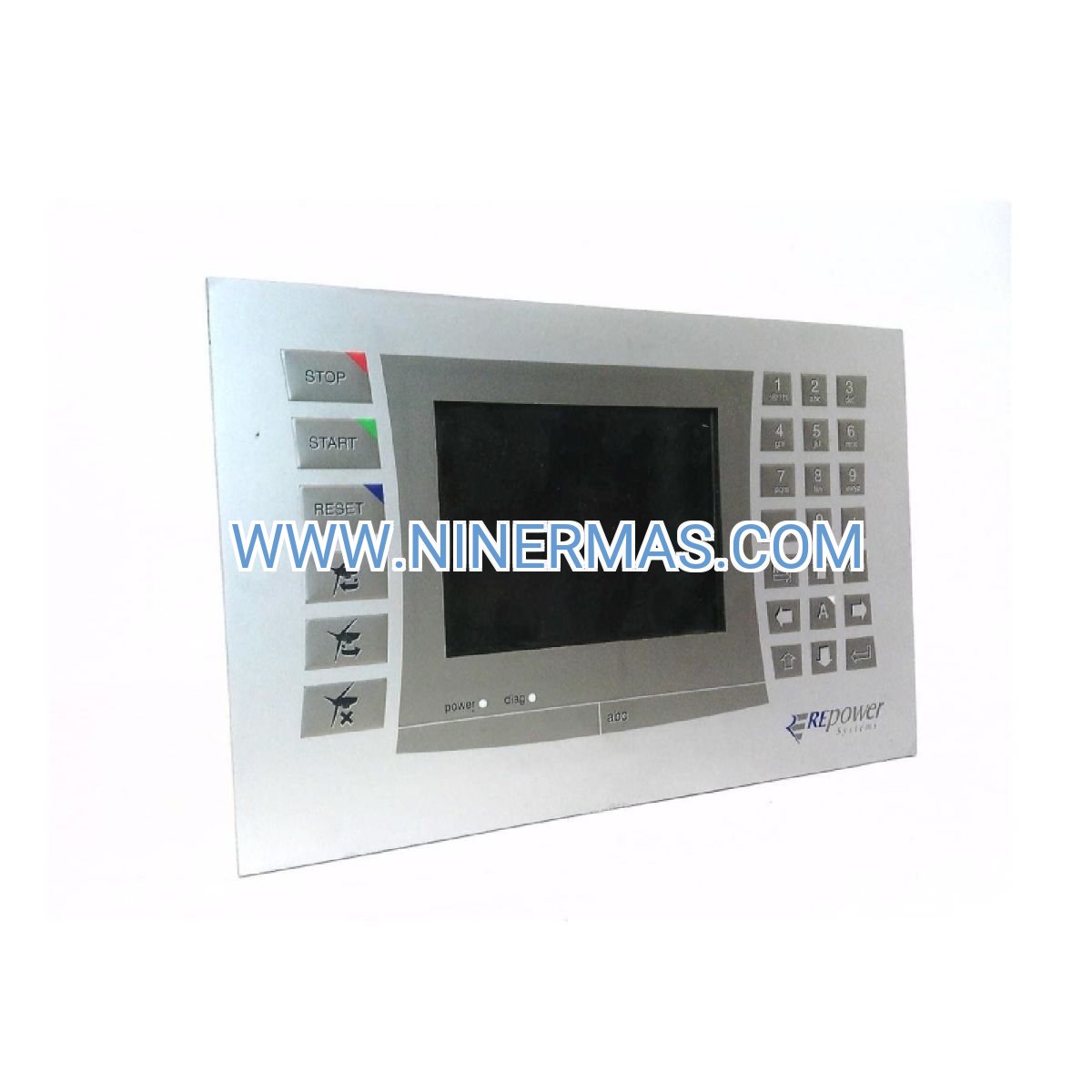
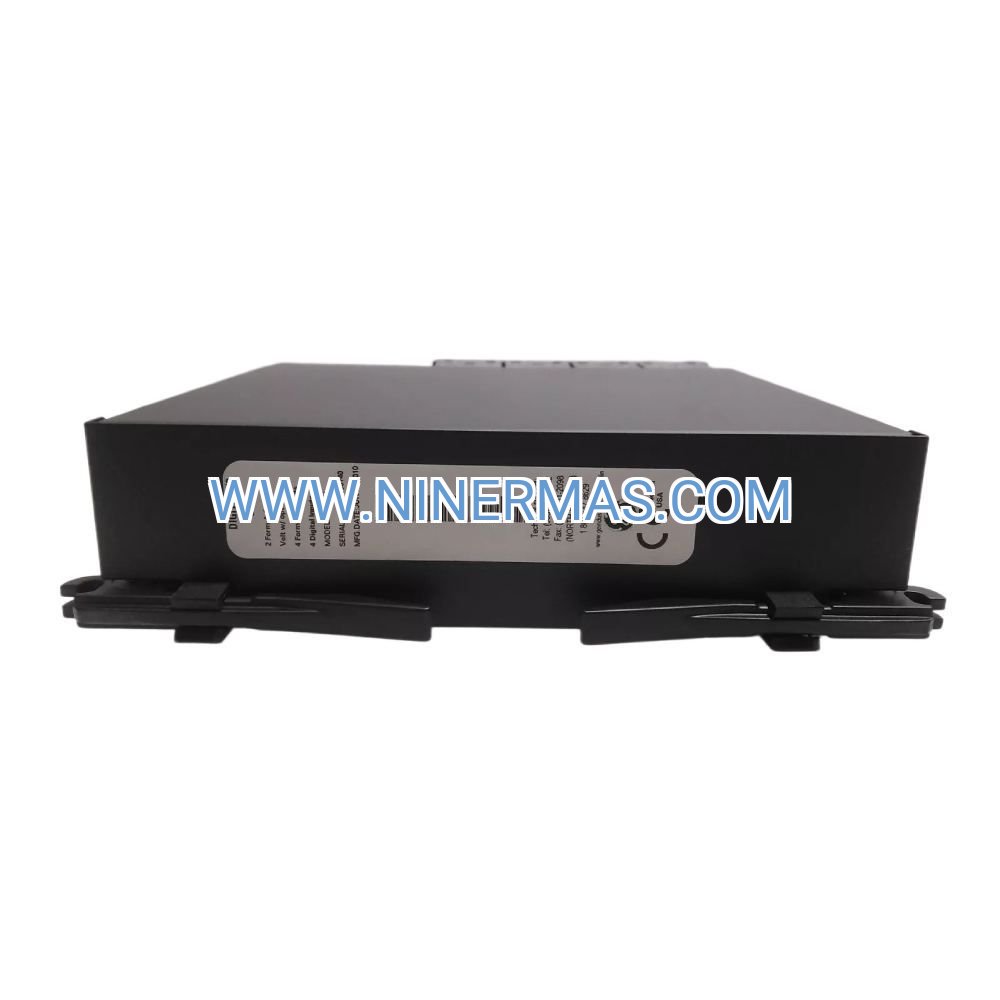
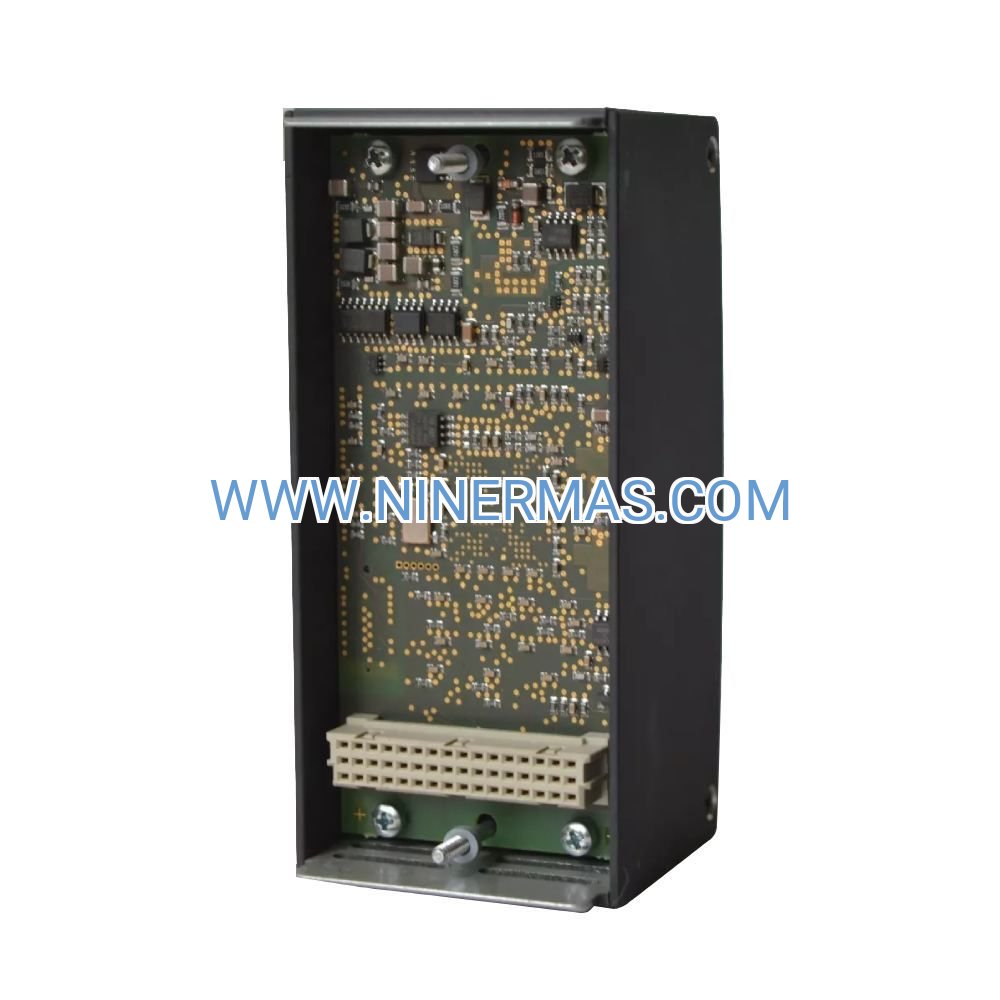
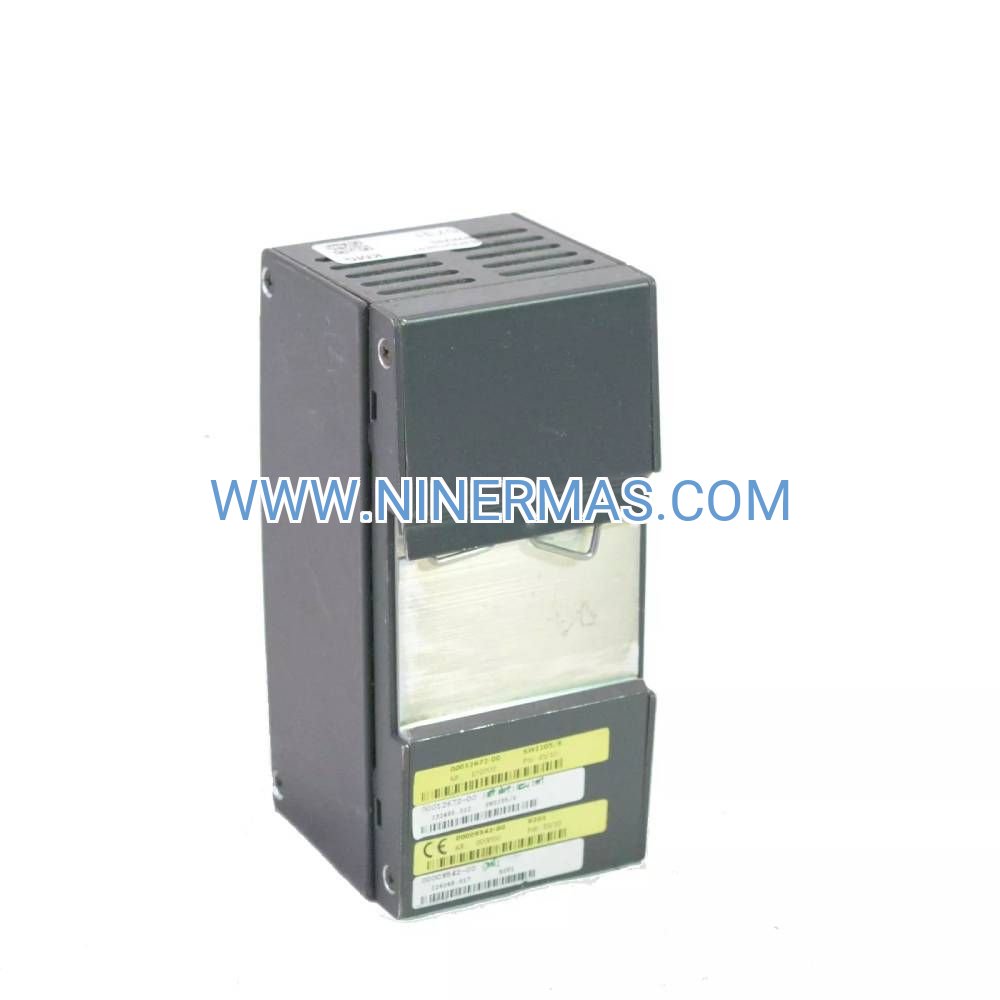
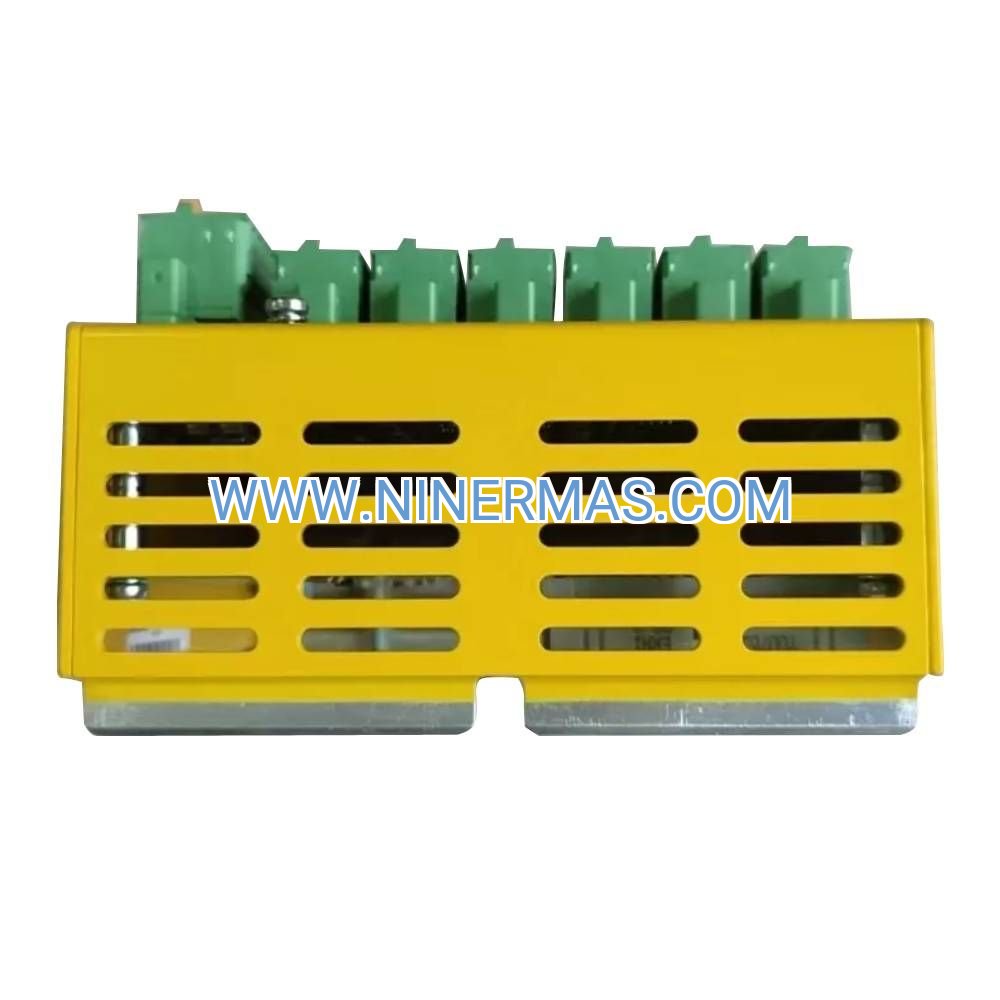
WT305E RISC Controller Module – Industrial-Grade Wind Turbine Automation
The WT305E represents Bachmann's specialized RISC-architecture controller engineered exclusively for wind turbine automation within M1 modular systems. Combining deterministic real-time processing with extreme-environment durability, this controller module transforms complex pitch control, yaw positioning, and power optimization into reliable, millisecond-precise operations. Designed for renewable energy professionals demanding uncompromising uptime in offshore and onshore installations, the WT305E delivers the computational power and environmental resilience that modern wind farms require.
Built for system integrators, wind farm operators, and OEM turbine manufacturers, this controller bridges the gap between theoretical control algorithms and real-world energy production. Whether you're retrofitting legacy turbines with modern automation or deploying greenfield wind farms, the WT305E provides the foundation for intelligent, grid-compliant power generation.
Key advantages include RISC processing for sub-millisecond loop times, native M1 backplane integration for scalable I/O expansion, and industrial certifications (CE/UL/cUL) ensuring global deployment readiness. With operating temperature range from -40°C to +70°C and vibration-resistant construction, this module thrives where conventional controllers fail.
Core Capabilities & Business Impact
→ Deterministic RISC Processing Architecture
Advanced Reduced Instruction Set Computing delivers predictable scan cycles under 1ms, enabling precise pitch angle adjustments that maximize energy capture during variable wind conditions while preventing mechanical stress from over-speed events.
✓ Native M1 Ecosystem Integration
Seamless compatibility with Bachmann backplanes, I/O modules, and communication interfaces eliminates integration complexity. Plug directly into BS210/BS209 backplanes and scale from 10 to 200+ I/O points without controller replacement.
✓ Extreme-Environment Certification
Operates reliably from -40°C Arctic installations to +70°C desert deployments. Conformal coating and vibration-tested components withstand nacelle-mounted conditions that destroy commercial-grade PLCs within months.
✓ IEC 61131-3 Programming Flexibility
Develop control logic in Ladder, FBD, ST, or SFC using Bachmann SolutionCenter. Reuse existing code libraries, implement custom algorithms, and maintain version control across multi-turbine deployments.
✓ Redundancy-Ready Architecture
Supports hot-standby and N+1 configurations when paired with redundant WT305E units. Automatic failover ensures zero-downtime transitions during controller maintenance or unexpected failures.
✓ Remote Diagnostics & OTA Updates
Ethernet connectivity enables SCADA integration, real-time performance monitoring, and firmware updates without tower climbs—reducing maintenance costs by 40-60% compared to legacy systems requiring physical access.
Industry Applications & Problem Resolution
Onshore Wind Farm Primary Control
Deploy WT305E as the central brain for 2-5MW turbines, managing blade pitch servo drives, generator contactors, and brake systems. Solves the challenge of coordinating 50+ discrete I/O points and 20+ analog sensors while maintaining grid code compliance (LVRT/HVRT). Typical result: 3-7% energy yield improvement through optimized pitch curves.
Offshore Platform Installations
Marine-grade design withstands salt fog, humidity, and temperature cycling in offshore nacelles. Addresses the critical pain point of controller failures causing costly vessel mobilizations—conformal-coated electronics and sealed connectors extend MTBF to 150,000+ hours. Operators report 85% reduction in unplanned offshore maintenance visits.
Turbine Retrofit & Modernization Projects
Replace obsolete Siemens S5/S7-300 or Allen-Bradley SLC controllers in aging turbines without rewiring. The WT305E's flexible I/O mapping and protocol converters enable phased upgrades while maintaining production. Delivers ROI through extended turbine lifespan (10-15 additional years) and improved availability (95%+ vs. 80-85% with legacy systems).
Hybrid Energy Storage Integration
Coordinate wind generation with battery storage systems for grid stabilization. The WT305E's fast scan rates and Modbus/Profinet connectivity enable real-time power balancing, solving intermittency challenges that limit renewable penetration. Wind-plus-storage projects achieve 30-50% higher capacity factors.
Research & Development Test Rigs
Universities and turbine manufacturers use WT305E in hardware-in-the-loop (HIL) test benches to validate control algorithms before field deployment. Flexible programming and data logging capabilities accelerate development cycles from 18 months to 9-12 months.
Technical Parameters & Selection Criteria
| Specification | Value | Selection Guidance |
|---|---|---|
| CPU Architecture | RISC-based processor | Choose for applications requiring <5ms response times |
| Program Memory | Expandable via CF card | Base configuration suits 80% of turbine applications |
| Operating Temp Range | -40°C to +70°C | Mandatory for outdoor/nacelle installations |
| Power Input | 24V DC (18-32V tolerance) | Pair with NT255 redundant PSU for critical systems |
| Communication Ports | Ethernet, RS-485, CAN | Ethernet required for SCADA; CAN for distributed I/O |
| I/O Expansion | Via M1 backplane (max 200 points) | Use BS210 for >100 I/O; BS209 for compact systems |
| Scan Cycle | Typical <1ms (application dependent) | Critical for pitch control loops (10-50Hz update rates) |
| Certifications | CE, UL, cUL, IEC 61131-3 | Ensures compliance for EU/North American projects |
| MTBF | >150,000 hours | Translates to 17+ years continuous operation |
| Mounting | DIN rail (M1 backplane) | Requires BS-series backplane; not standalone |
Selection Criteria: Choose WT305E when your application demands (1) real-time control with deterministic timing, (2) operation in extreme temperatures beyond -20°C to +60°C, (3) scalability from 50 to 200 I/O points, or (4) integration with existing Bachmann M1 infrastructure. For smaller turbines (<1MW) with <30 I/O points, consider the WT205V as a cost-optimized alternative.
Advanced Integration Options
SCADA & Cloud Connectivity: Native OPC UA server enables direct connection to Siemens WinCC, GE iFIX, or Ignition SCADA platforms. MQTT client support allows edge-to-cloud data streaming for predictive maintenance analytics using AWS IoT or Azure IoT Hub.
Cybersecurity Features: Implements IEC 62443 industrial security standards with role-based access control, encrypted communications (TLS 1.2), and audit logging. Critical for grid-connected installations subject to NERC CIP compliance.
Custom Function Blocks: Develop proprietary control algorithms in C/C++ and compile as reusable function blocks. Protects intellectual property while enabling rapid deployment across turbine fleets.
Delivery Timeline & Service Commitment
Standard Lead Time: 3-5 business days for in-stock units (North America/Europe)
Custom Configurations: 10-15 business days for pre-loaded firmware or bundled systems
Warranty Coverage: 12 months comprehensive warranty covering manufacturing defects and component failures
Technical Support: Email/phone support with 24-hour response time; remote commissioning assistance available
Documentation Package: Includes user manual, wiring diagrams, sample code library, and IEC 61131-3 programming guide
Frequently Asked Questions
Can the WT305E replace Siemens S7-300 controllers in existing turbines?
Yes, with appropriate I/O mapping and protocol conversion. The WT305E supports Profibus/Profinet for legacy sensor integration, and our engineering team provides migration support including PLC code conversion from STEP 7 to IEC 61131-3 formats.
What is the maximum I/O capacity when using M1 backplanes?
Up to 200 digital/analog I/O points when using BS210 10-slot backplane with high-density modules like SS-DIO280 (28 DI/DO per module). Actual capacity depends on scan time requirements and communication overhead.
Does it support condition monitoring for predictive maintenance?
Yes, the WT305E can log vibration sensor data, bearing temperatures, and oil pressure trends. Data exports via Modbus TCP or OPC UA to condition monitoring platforms like SKF @ptitude or Emerson AMS for bearing failure prediction and gearbox diagnostics.
How does power consumption compare to competing controllers?
Typical draw is 8-12W depending on I/O configuration—approximately 30% lower than equivalent Siemens or Rockwell controllers. This reduces UPS/battery backup requirements in off-grid installations.
What programming skills are required for commissioning?
Basic IEC 61131-3 knowledge (Ladder or Function Block) is sufficient for standard turbine control. Advanced features like custom PID tuning or SCADA integration may require experienced automation engineers; we offer 3-day training courses covering WT305E-specific applications.
Is redundant controller configuration supported for critical applications?
Yes, hot-standby redundancy is achievable using dual WT305E modules with synchronized program execution. Failover time is typically <50ms, meeting requirements for utility-scale wind farms where turbine downtime costs $500-2,000 per hour.
Start Your Wind Automation Project
Ready to upgrade your wind turbine control system or design a new installation? Contact our automation specialists for application-specific guidance, system architecture reviews, and volume pricing for multi-turbine deployments. We provide complete M1 system packages including backplanes, I/O modules, and pre-configured controllers to accelerate your project timeline.
© 2026 NINERMAS COMPANY LIMITED. All rights reserved.
Original Source: https://ninermas.com
Contact: sale@ninermas.com | +0086 187 5021 5667

Contact Info
-
Address:22 / F, South Wo Hang building, 148 Wing Lok Street, Sheung Wan, Western District, Hong Kong
-
Phone:+8618750215667
-
Email:
