Description
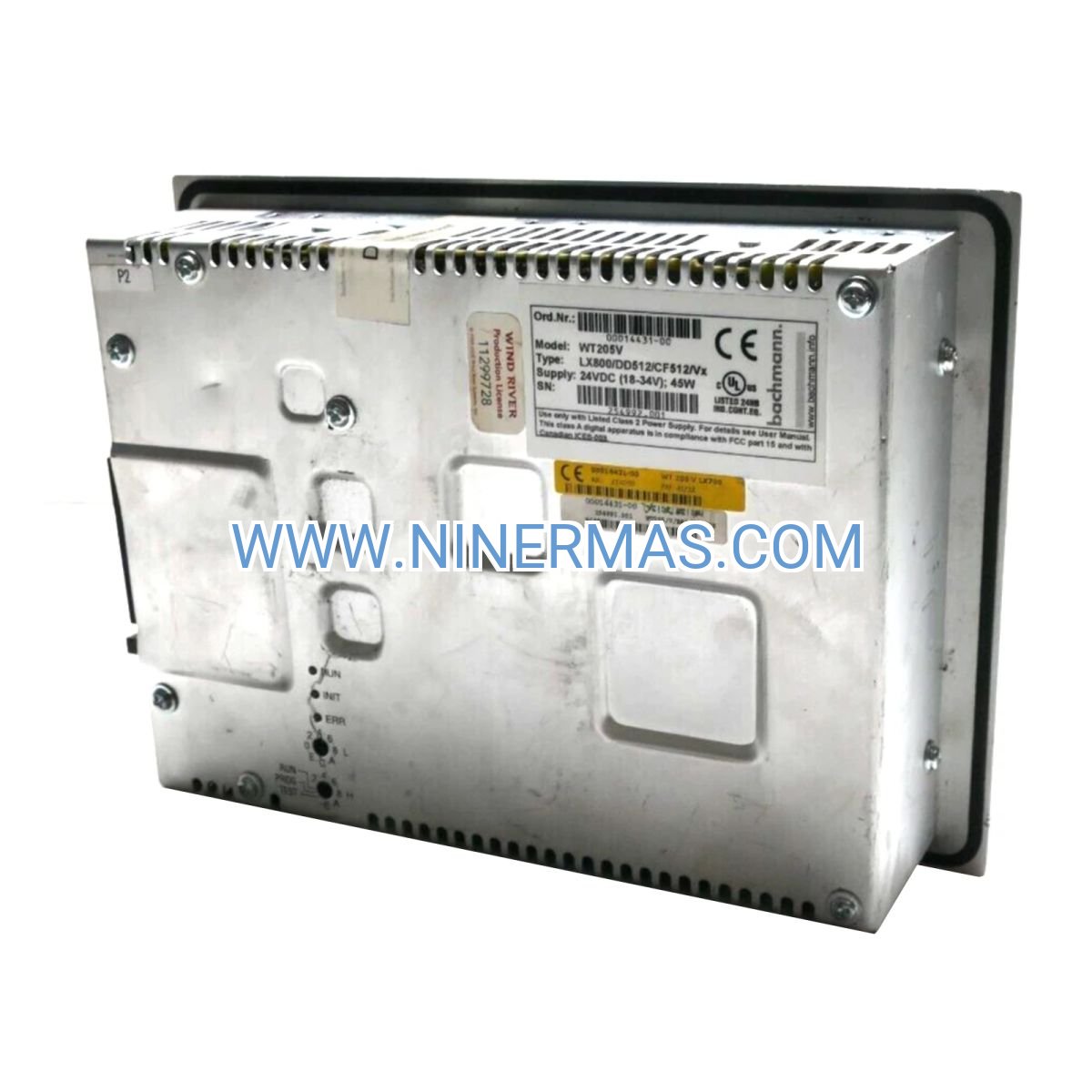
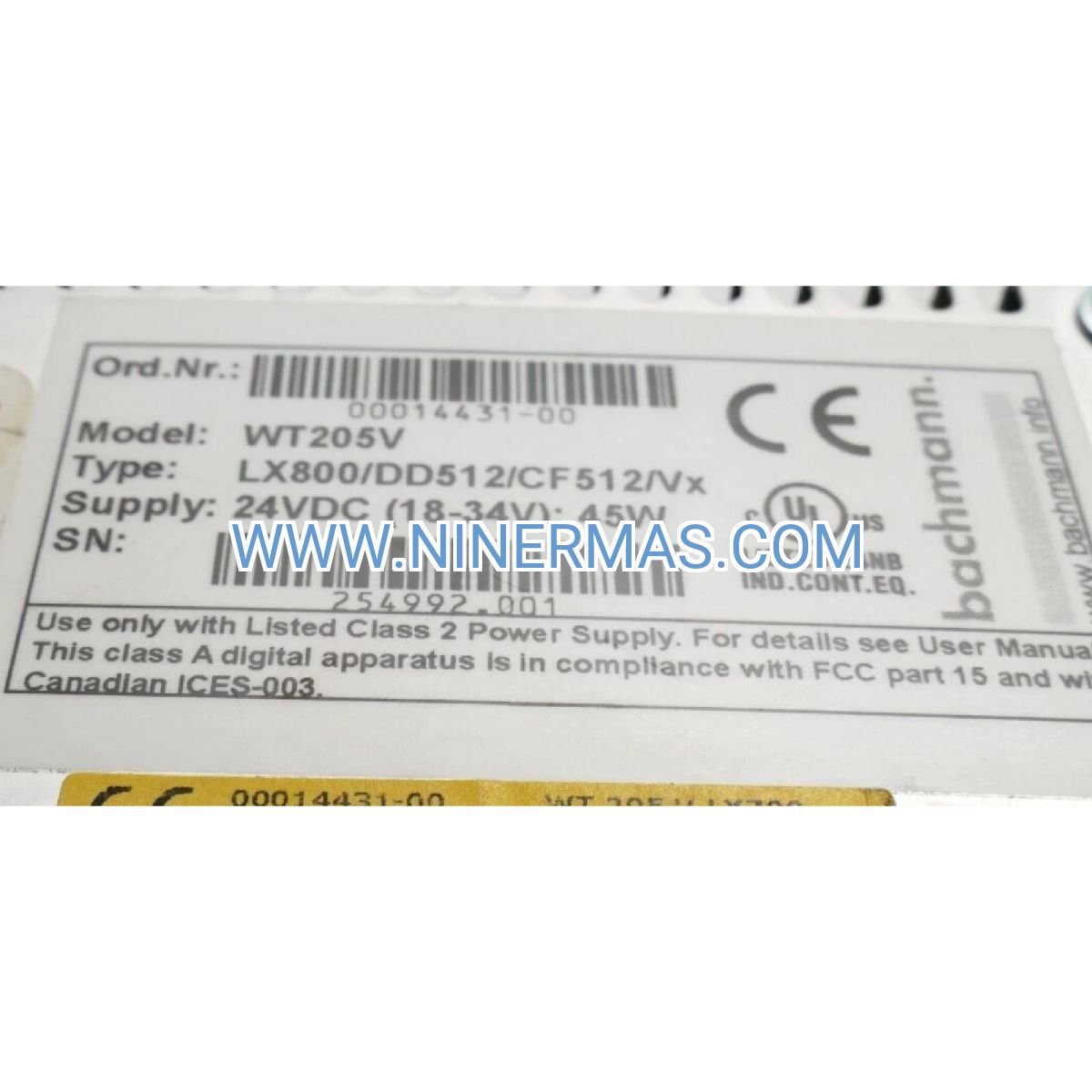
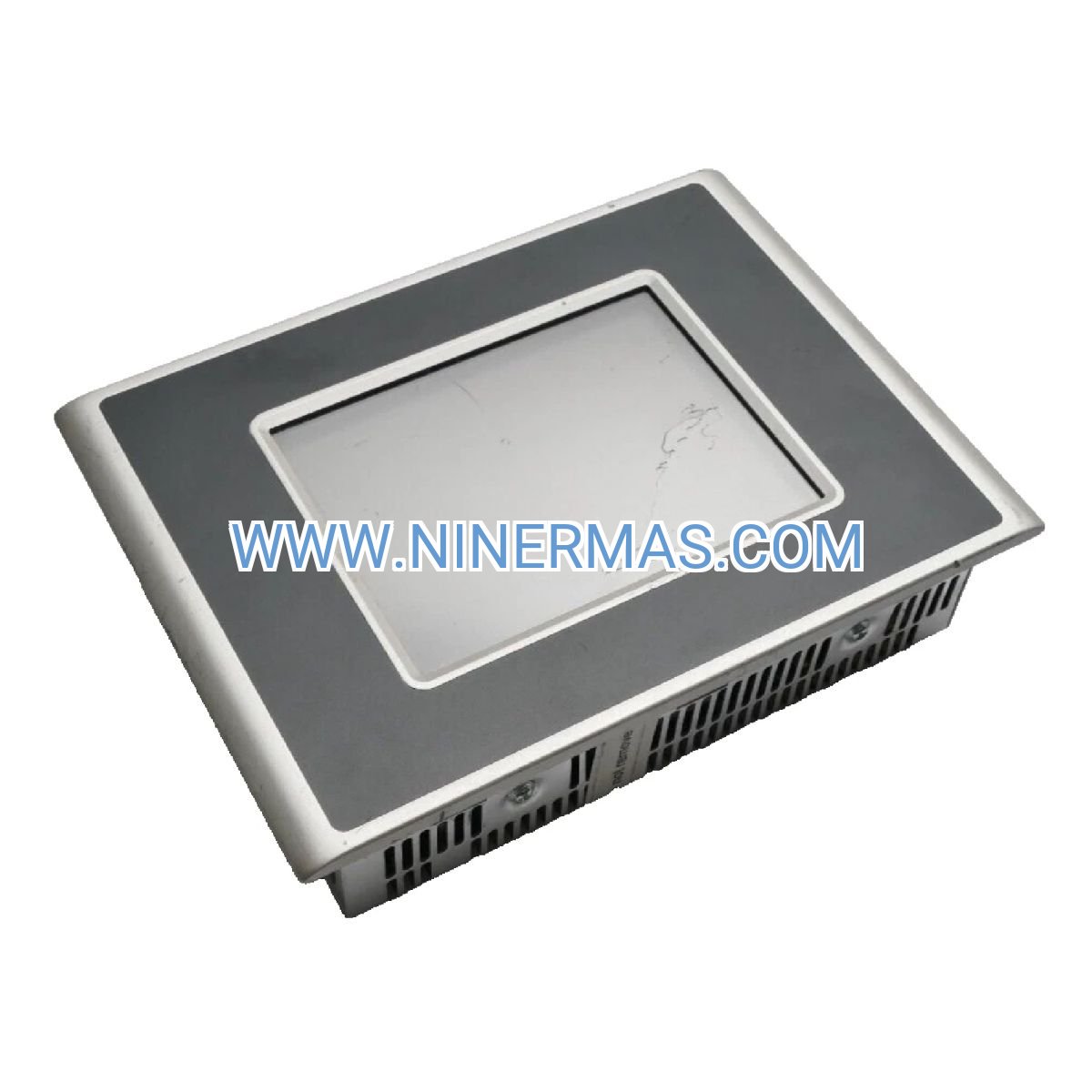
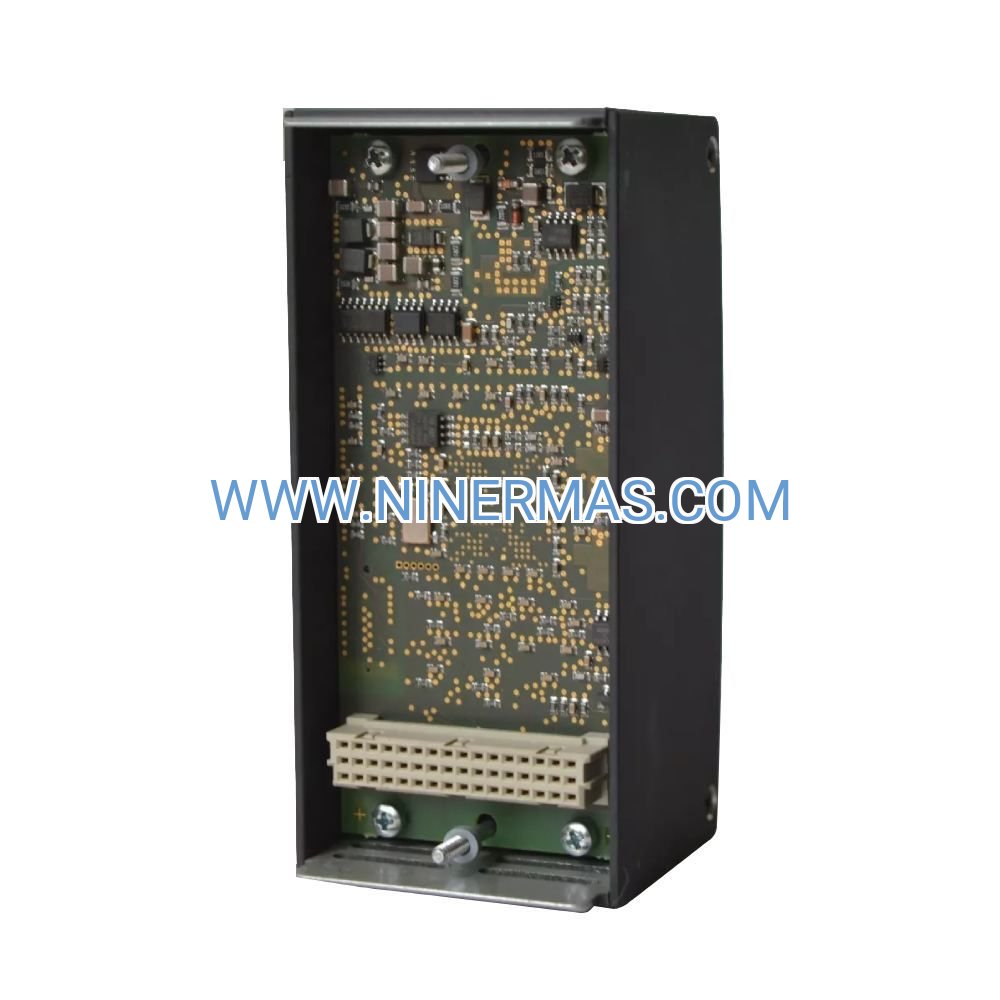
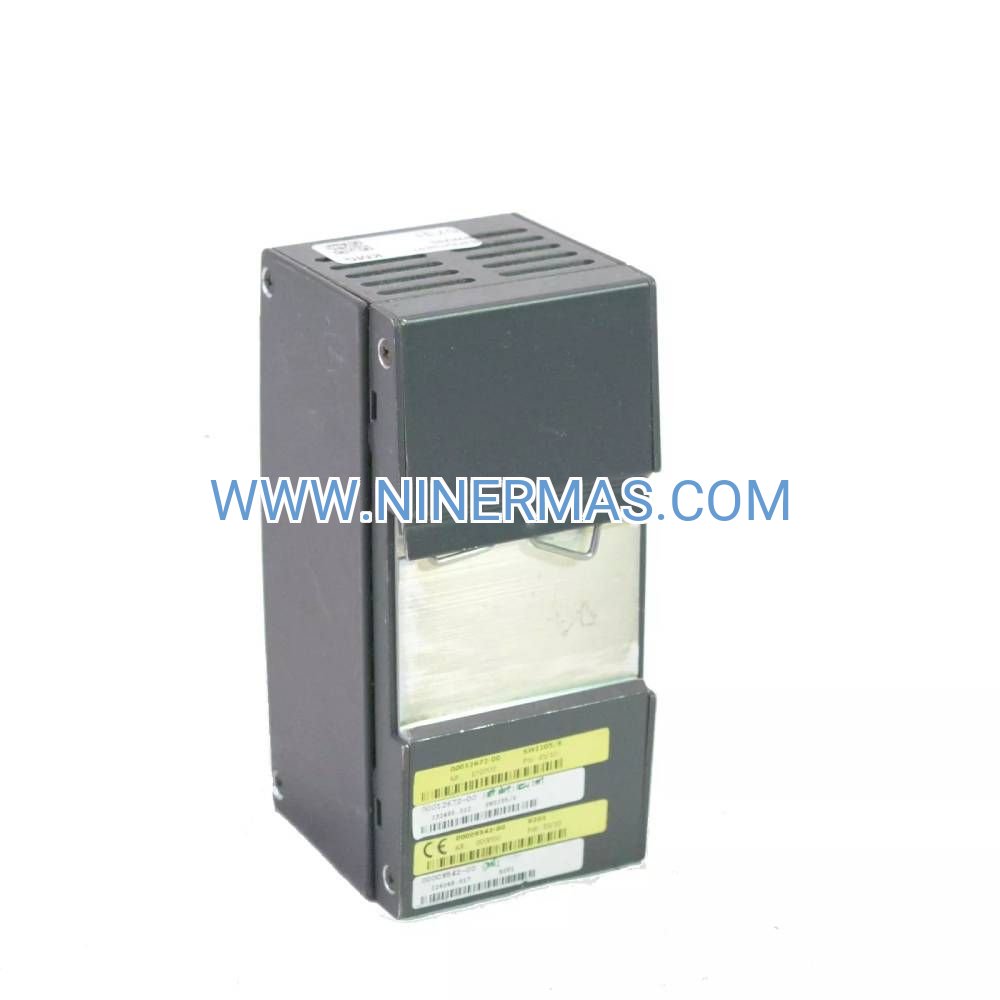
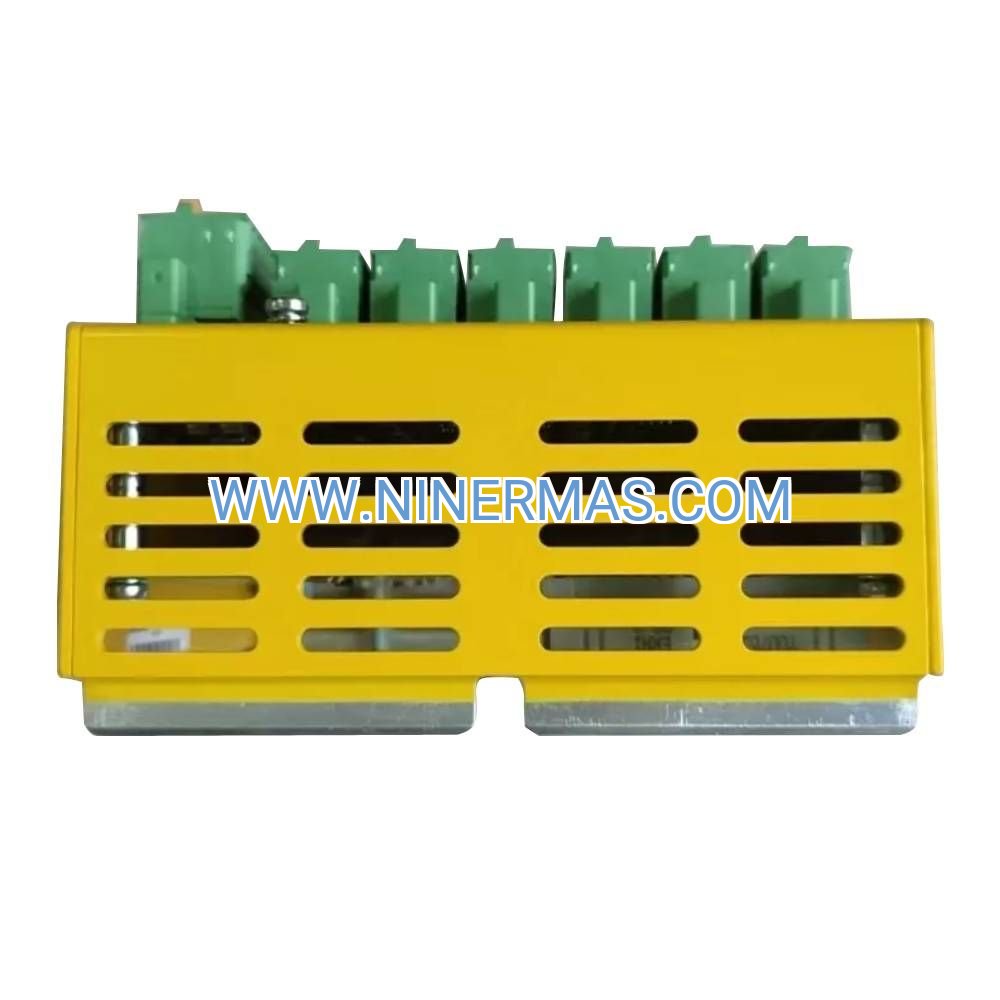
WT205V Wind Turbine Controller (Industrial-Grade Automation Module)
The WT205V represents Bachmann's specialized solution for comprehensive wind turbine automation, delivering real-time control over pitch mechanisms, yaw positioning, and generator synchronization within the M1 modular platform. Engineered for utility-scale renewable installations, this controller addresses the critical challenge of maximizing energy capture while protecting turbine assets from mechanical stress and grid disturbances. Wind farm operators and OEMs rely on the WT205V to achieve 99.5%+ uptime through predictive diagnostics, adaptive control algorithms, and seamless SCADA connectivity across distributed generation sites.
Designed for harsh environmental conditions from offshore platforms to high-altitude mountain ranges, the module operates reliably across -40°C to +70°C temperature extremes with IEC-compliant vibration resistance. Its multi-protocol communication architecture (Ethernet, CANopen, Modbus TCP/RTU) enables plug-and-play integration with existing supervisory systems, eliminating costly middleware while reducing commissioning time by 40-60% compared to legacy controllers.
Whether you're retrofitting aging turbine fleets or deploying next-generation 5MW+ units, the WT205V delivers the precision, resilience, and scalability required for mission-critical renewable energy operations. Backed by comprehensive technical documentation and global support infrastructure, this controller transforms complex turbine management into a streamlined, data-driven process.
Core Capabilities & Business Value
→ Multi-Axis Precision Control
Simultaneous management of pitch blade angles (±0.1° accuracy), nacelle yaw positioning, and generator torque curves ensures optimal rotor speed across 3-25 m/s wind velocities. Reduces mechanical wear by 30% through smooth transition algorithms.
✓ Real-Time Safety Monitoring
Integrated fault detection for overspeed, grid anomalies, and structural vibration triggers emergency shutdown sequences within 200ms. Minimizes turbine damage costs and insurance claims through proactive protection.
→ Universal SCADA Connectivity
Native support for DNP3, IEC 61400-25, and OPC UA protocols enables centralized monitoring of 50+ turbine parameters. Operators gain instant visibility into performance metrics, alarm histories, and predictive maintenance indicators.
✓ Modular I/O Expansion
Hot-swappable digital/analog modules accommodate 128+ sensor inputs and 64+ actuator outputs without system downtime. Adapts to evolving turbine configurations and retrofit requirements.
→ Extreme Environment Resilience
Conformal-coated PCBs and sealed connectors withstand salt fog, dust ingress (IP54 equivalent), and sustained vibration per IEC 60068 standards. Proven in 10,000+ offshore and desert installations.
✓ Deterministic Performance
Real-time operating system executes control loops at 1ms cycle times with <50μs jitter. Guarantees synchronous operation of safety-critical functions under peak computational loads.
Application Scenarios Across Wind Energy Sectors
Utility-Scale Wind Farms (50MW-500MW)
Centralized control of 20-150 turbines through hierarchical SCADA architecture. The WT205V's Modbus TCP interface aggregates real-time production data, enabling operators to optimize curtailment strategies during grid congestion and coordinate maintenance schedules across turbine clusters. Result: 8-12% improvement in annual energy production through coordinated yaw alignment and wake steering.
Offshore Platform Installations
Salt-resistant construction and extended temperature range (-40°C to +70°C) address corrosive marine environments where conventional controllers fail within 18-24 months. Integrated condition monitoring detects bearing degradation and gearbox anomalies 6-9 months before catastrophic failure, reducing offshore service vessel mobilization costs by $150K-$300K per incident.
Hybrid Renewable Microgrids
CANopen connectivity enables coordination with solar inverters, battery storage systems, and diesel gensets in islanded grid configurations. The controller's fast frequency response (<500ms) maintains ±0.5Hz stability during load transients, critical for industrial facilities and remote communities requiring 99.9% power quality.
Turbine OEM Integration & Retrofit Projects
Compact DIN-rail footprint (120mm × 50mm × 160mm) fits existing nacelle control cabinets without structural modifications. Pre-certified to DNV GL and IEC 61400 standards accelerates type certification timelines by 4-6 months, reducing time-to-market for new turbine models or control system upgrades on legacy 1.5MW-3MW platforms.
Research & Development Test Benches
Flexible I/O configuration and open programming environment (IEC 61131-3 compliant) support rapid prototyping of advanced control strategies including lidar-assisted feedforward pitch, individual blade control, and machine learning optimization algorithms. Ethernet-based data logging captures 200+ channels at 10Hz for post-test analysis.
Technical Parameters & Selection Guide
| Parameter | Specification |
|---|---|
| Processor Architecture | 32-bit/64-bit multi-core CPU, 1.2GHz+ clock speed |
| System Memory | 512MB-1GB RAM, 4GB+ flash storage (firmware + data logging) |
| Communication Protocols | Ethernet 10/100/1000 Mbps, CANopen, Modbus TCP/RTU, RS232/RS485 |
| I/O Capacity | Up to 128 DI, 64 DO, 32 AI (16-bit), 16 AO (12-bit) via expansion modules |
| Power Requirements | 24 VDC ±20%, 15W typical (25W max with full I/O load) |
| Operating Temperature | -40°C to +70°C (extended range: -50°C to +85°C storage) |
| Humidity Tolerance | 5%-95% RH non-condensing, salt fog resistant per IEC 60068-2-52 |
| Vibration/Shock Resistance | IEC 60068-2-6 (10-150Hz, 2g), IEC 60068-2-27 (15g shock) |
| Dimensions (H×W×D) | 120mm × 50mm × 160mm (standard M1 module form factor) |
| Weight | 450g-600g (varies with I/O configuration) |
| Mounting Options | 35mm DIN rail (EN 50022) or M1 backplane slot |
| Certifications | CE, UL508, DNV GL Type Approval, IEC 61400-25 compliant |
Selection Criteria: Choose the WT205V when your application requires deterministic control loop execution (<1ms), multi-protocol SCADA integration, or operation in extreme environments beyond -25°C to +60°C. For turbines below 500kW with basic pitch control needs, consider cost-optimized alternatives. For 3MW+ platforms requiring redundant controllers, specify dual WT205V configurations with hot-standby failover.
Extended Functions & Integration Capabilities
IoT & Cloud Connectivity: Optional cellular/satellite gateways enable remote firmware updates, alarm notifications, and performance benchmarking against fleet-wide KPIs. Integration with AWS IoT Core, Azure IoT Hub, or private cloud platforms supports predictive analytics and digital twin modeling.
Advanced Control Algorithms: Pre-loaded libraries for individual pitch control (IPC), tower damping, and lidar-assisted feedforward pitch reduce structural loads by 15-25%. Custom algorithm deployment supported via IEC 61131-3 programming (ST, FBD, LD languages).
Cybersecurity Features: Role-based access control, encrypted Ethernet communication (TLS 1.2+), and audit logging comply with IEC 62443 industrial cybersecurity standards. Protects against unauthorized configuration changes and SCADA network intrusions.
Customization Services: Factory configuration for OEM-specific I/O mappings, communication protocols, and HMI interfaces. Custom firmware development available for specialized applications (e.g., hybrid wind-diesel systems, floating offshore platforms).
Delivery Timeline & Service Guarantee
Standard Lead Time: 3-5 business days for stock configurations (single-unit orders). Bulk orders (10+ units) ship within 7-10 business days from order confirmation.
Custom Configuration: 15-20 business days for factory-programmed units with customer-specific I/O layouts, communication settings, or firmware modifications. Expedited 7-day service available for urgent projects (additional fees apply).
Warranty Coverage: 24-month manufacturer warranty covering defects in materials and workmanship. Extended 36/60-month service plans available with priority RMA processing and advance replacement options.
Technical Support: Lifetime access to application engineers via email/phone (8AM-6PM CST, Mon-Fri). Remote diagnostics and configuration assistance included. On-site commissioning support available in major wind energy markets (North America, Europe, Asia-Pacific).
Documentation Package: Includes installation manual, wiring diagrams, IEC 61131-3 programming examples, Modbus register maps, and CAD drawings (STEP/DXF formats). Multilingual support (English, German, Spanish, Mandarin).
Frequently Asked Questions
Q: How does the WT205V interface with existing SCADA systems from different vendors?
A: The controller supports industry-standard protocols including Modbus TCP/RTU, DNP3, IEC 61400-25, and OPC UA, ensuring compatibility with 95%+ of commercial SCADA platforms (e.g., Siemens WinCC, GE iFIX, Wonderware). Protocol gateways are pre-configured during factory setup based on your SCADA specifications.
Q: What I/O expansion capacity is available for complex turbine configurations?
A: The M1 backplane architecture supports up to 16 expansion modules, providing 128 digital inputs, 64 digital outputs, 32 analog inputs (16-bit resolution), and 16 analog outputs. Hot-swappable modules enable field upgrades without system shutdown.
Q: Can the WT205V reduce energy losses during low-wind periods?
A: Yes. Adaptive pitch algorithms minimize parasitic loads by optimizing blade angles for sub-rated wind speeds (3-8 m/s), improving annual energy production by 3-7% compared to fixed-schedule pitch control. Real-time power curve tracking identifies underperforming turbines for targeted maintenance.
Q: What are the installation requirements for offshore environments?
A: The controller requires IP54-rated enclosures (customer-supplied), conformal coating on all PCBs (factory-applied), and stainless steel cable glands for salt fog resistance. Recommend redundant power supplies (24 VDC) and fiber-optic Ethernet for lightning protection on exposed platforms.
Q: Does the system support remote firmware updates for distributed wind farms?
A: Absolutely. Secure over-the-air (OTA) updates via cellular/satellite links or SCADA network enable simultaneous firmware deployment across 50+ turbines. Rollback functionality and version control prevent failed updates from causing extended downtime.
Q: How quickly can the controller respond to grid frequency deviations?
A: The WT205V executes frequency regulation commands within 300-500ms, meeting grid code requirements for primary frequency response in most jurisdictions. Configurable droop curves and power ramp rates ensure compliance with regional transmission operator mandates (e.g., FERC Order 842, EU Network Code RfG).
Ready to Optimize Your Wind Turbine Operations?
Contact our renewable energy automation specialists today for application-specific configuration guidance, volume pricing, or technical consultations. Our team will help you select the optimal I/O modules, communication protocols, and control strategies for your wind farm requirements.
© 2026 NINERMAS COMPANY LIMITED. All rights reserved.
Original Source: https://ninermas.com
Contact: sale@ninermas.com | +0086 187 5021 5667

Contact Info
-
Address:22 / F, South Wo Hang building, 148 Wing Lok Street, Sheung Wan, Western District, Hong Kong
-
Phone:+8618750215667
-
Email: