Description
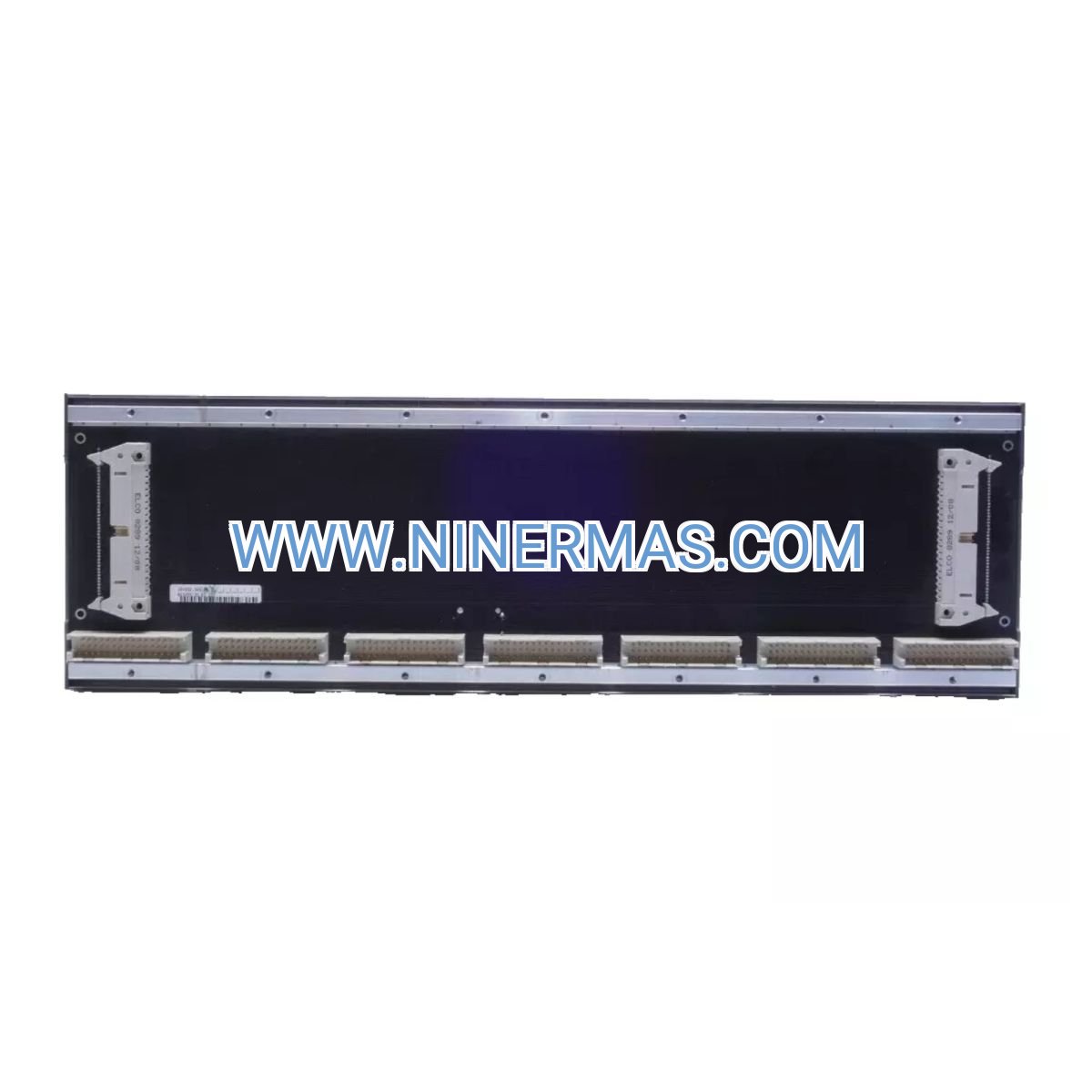
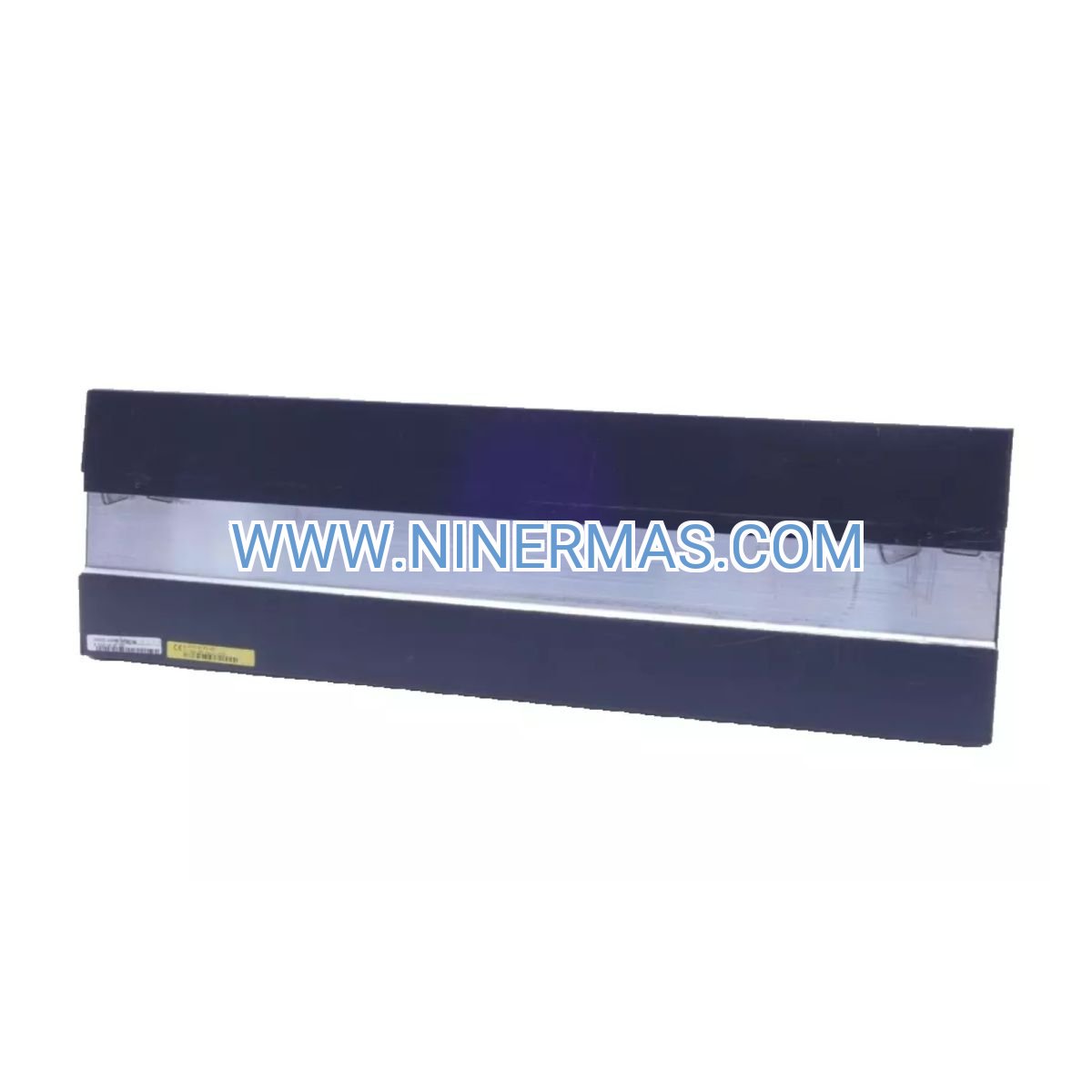
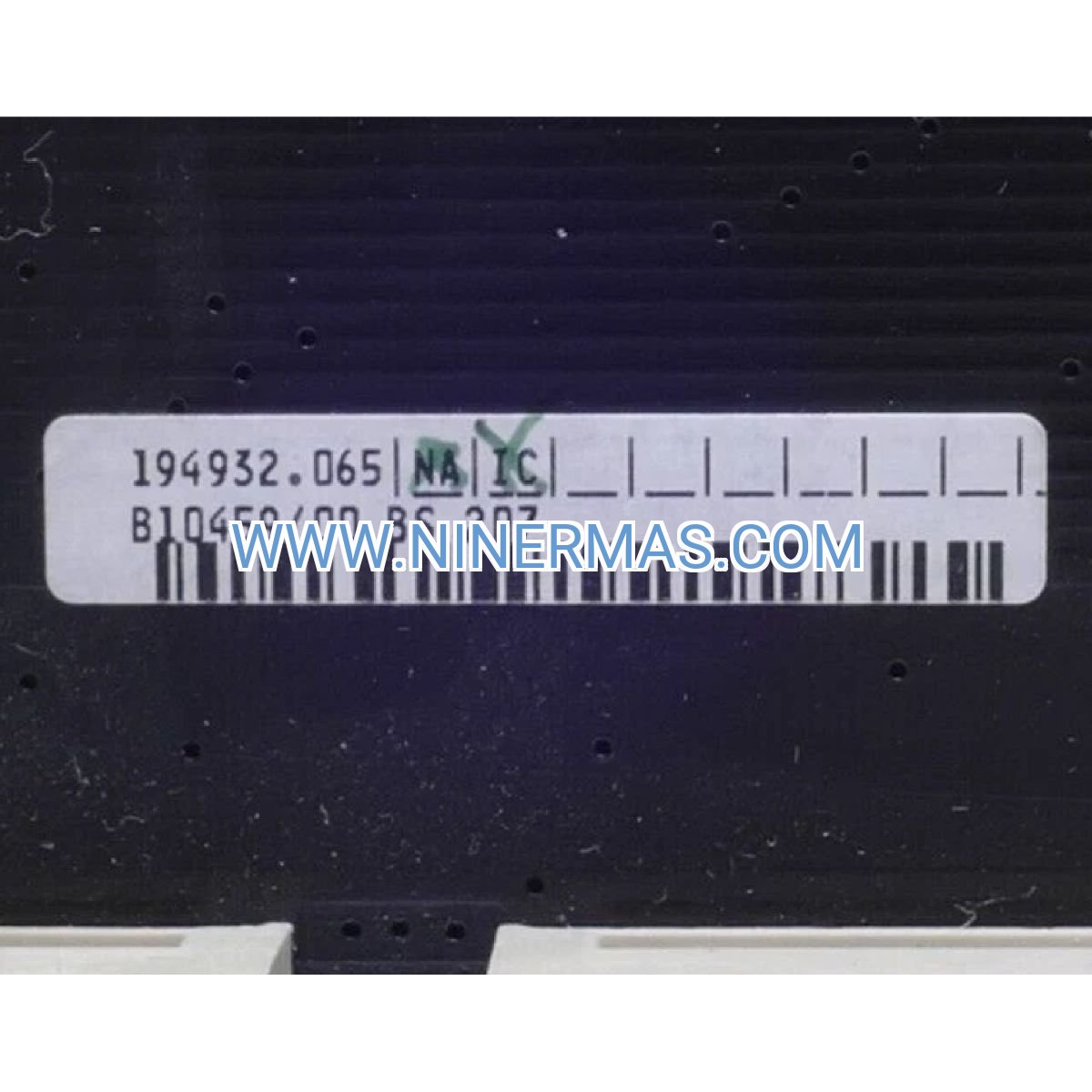
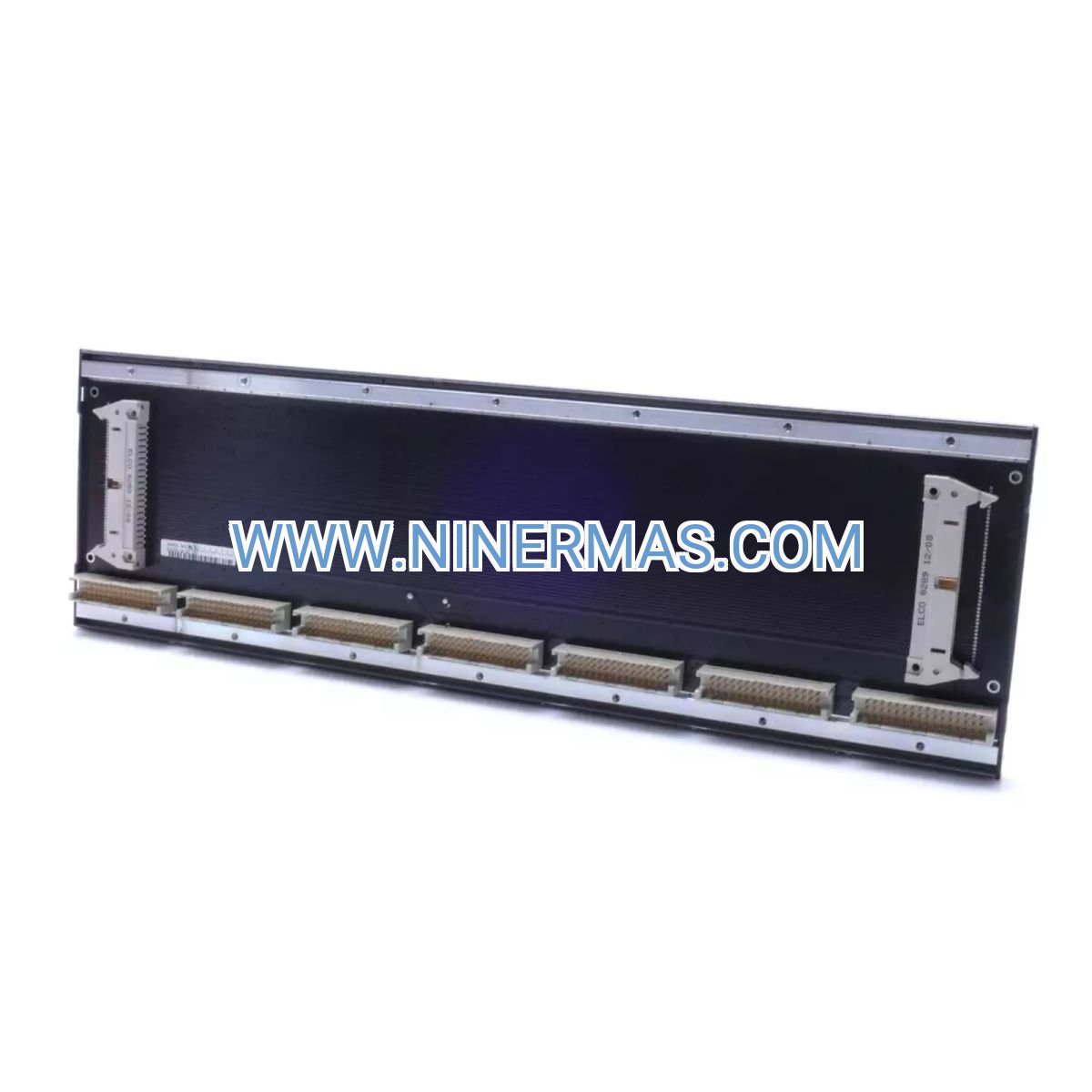
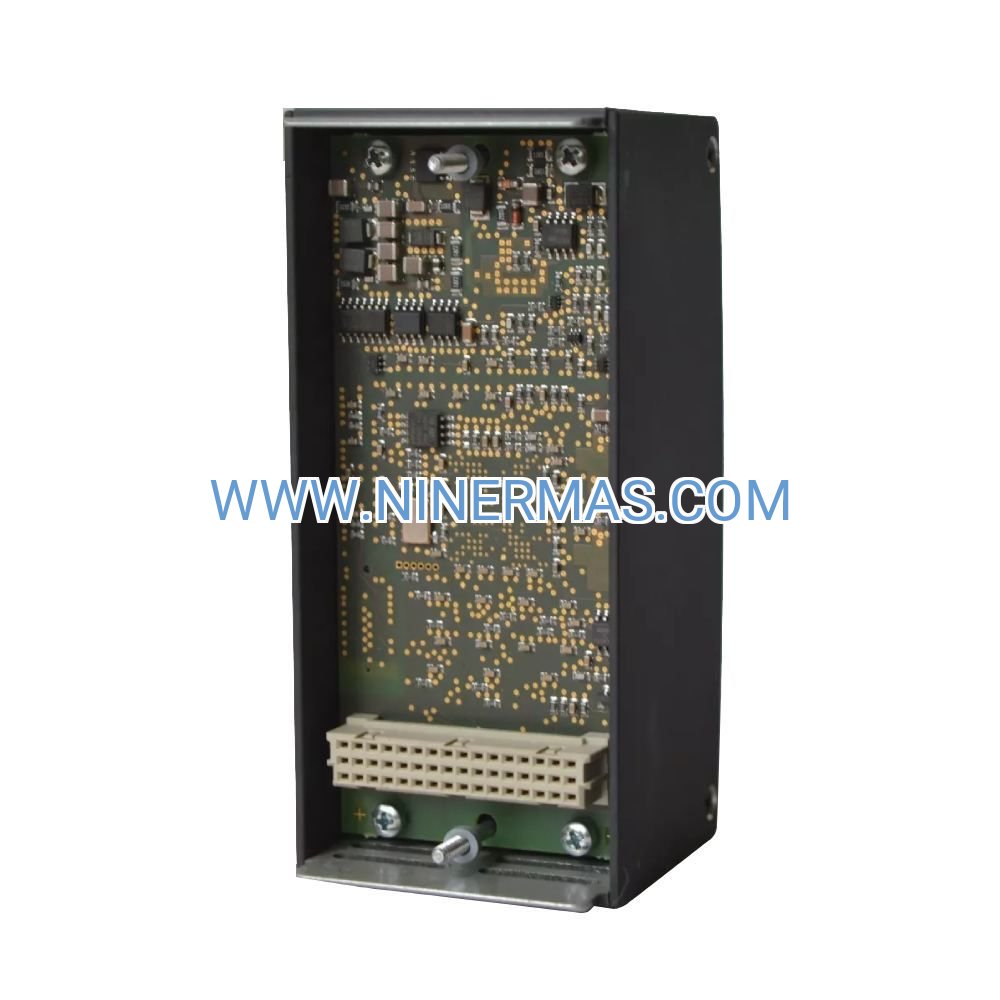
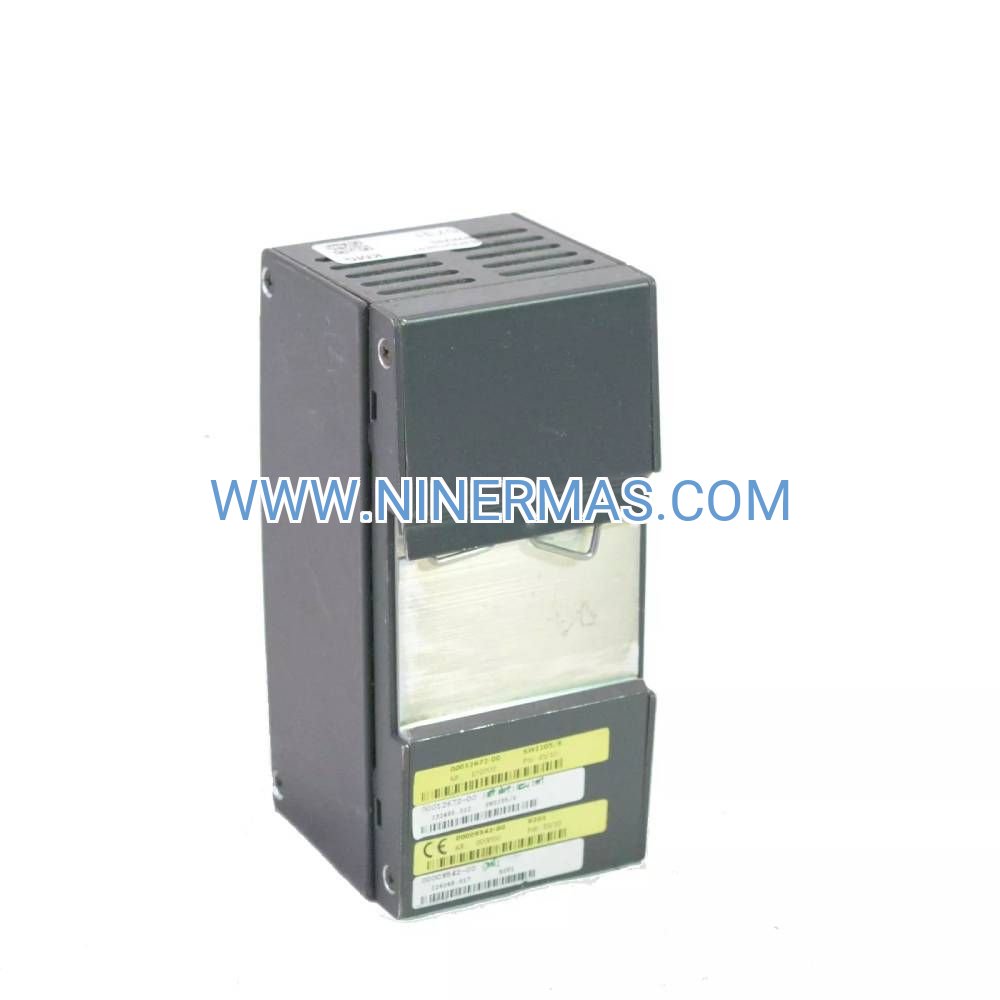
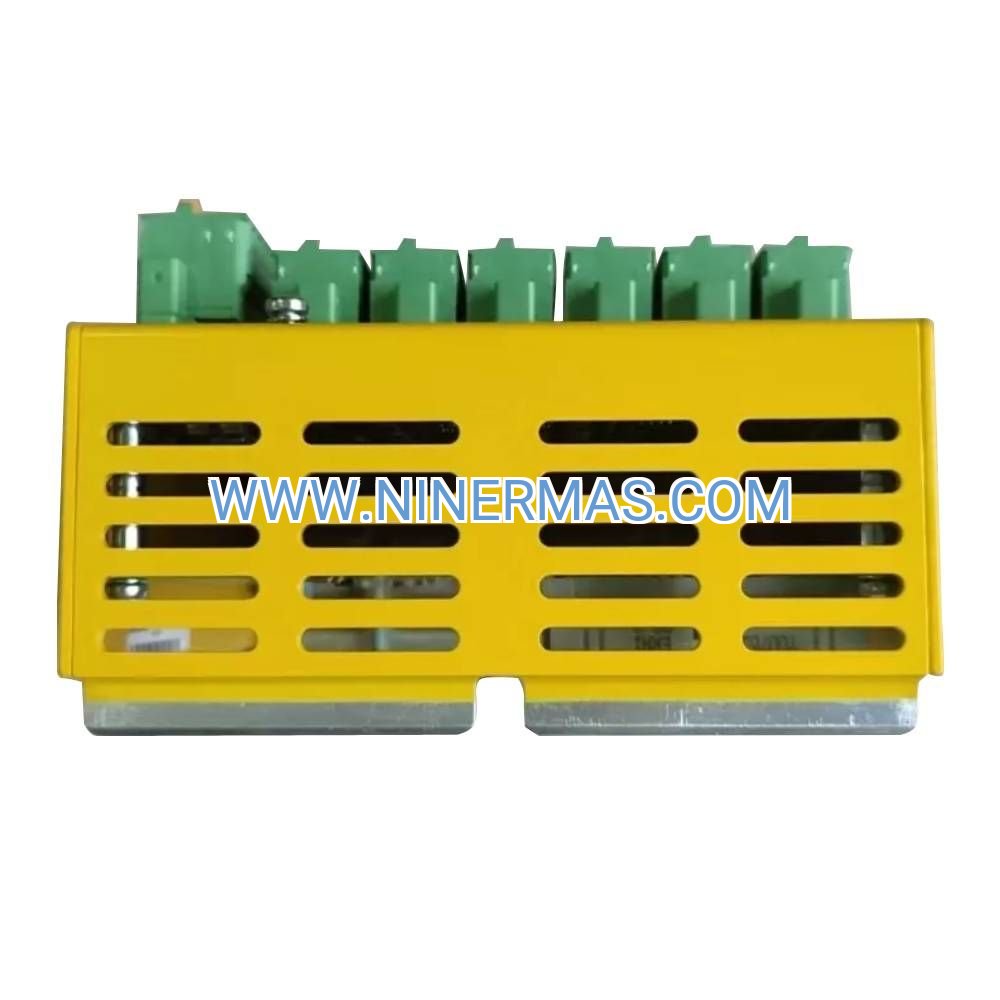
BS207 7-Slot Backplane Module (Industrial-Grade M1 System Foundation)
The BS207 represents Bachmann's advanced backplane solution for M1 automation architectures, delivering mechanical stability and high-speed electrical connectivity across seven module positions. Engineered for manufacturers and system integrators who demand scalable control platforms, this backplane eliminates the complexity of point-to-point wiring while supporting CPU, I/O, and communication modules in a unified chassis. Whether you're building a new production line or expanding an existing M1 installation, the BS207 provides the robust foundation that keeps critical processes running in manufacturing plants, energy facilities, and renewable installations worldwide.
Designed for engineers who face space constraints and thermal challenges, the BS207 handles up to 10A power distribution across its proprietary M1 bus, ensuring stable 24 VDC delivery even in harsh industrial environments rated from -30°C to +60°C. Its plug-and-play module interface accelerates commissioning, reduces downtime during maintenance, and simplifies troubleshooting—critical advantages when every minute of production counts. With CE, UL, and DNV GL certifications, this backplane meets the stringent safety and reliability standards required for global deployments in automation, process control, and marine applications.
From compact machine control to distributed wind turbine systems, the BS207 offers the slot capacity and electrical performance that transform modular automation concepts into operational reality. Its DIN rail and panel mounting flexibility adapts to cabinet layouts, while the integrated M1 bus architecture ensures deterministic data exchange between modules without external cabling overhead.
Core Features & Technical Advantages
✓ Seven-Slot Modular Architecture
Accommodates up to seven M1 system modules (CPU, digital I/O, analog I/O, communication interfaces) in a single backplane, enabling flexible system scaling from basic machine control to complex multi-axis applications without redesigning your cabinet layout.
✓ Integrated 10A Power Distribution
Delivers reliable 24 VDC power (18–36 VDC input range) across all module positions via the backplane bus, eliminating individual module power wiring and reducing installation time by up to 40% compared to traditional terminal-block approaches.
✓ Proprietary M1 High-Speed Bus
Facilitates deterministic data exchange between modules through the backplane's embedded communication channels, ensuring microsecond-level synchronization for motion control, process regulation, and safety-critical interlocks.
✓ Extended Temperature & Vibration Resistance
Operates continuously from -30°C to +60°C and withstands IEC 60068-2-6 vibration and IEC 60068-2-27 shock specifications, making it suitable for outdoor enclosures, mobile machinery, and offshore wind platforms where environmental stress is constant.
→ Plug-In Module Connectors
Standardized M1 connectors enable tool-free module insertion and removal, reducing maintenance windows and allowing hot-swap capabilities (where supported by system configuration) for maximum uptime in 24/7 operations.
→ Global Safety Certifications
CE, UL, and DNV GL approvals streamline compliance for international projects, reducing certification overhead and accelerating time-to-market for OEMs and system builders serving multiple regulatory jurisdictions.
Application Scenarios & Industry Solutions
Manufacturing Automation & Assembly Lines
In automotive component production and packaging systems, the BS207 serves as the central backbone for distributed I/O networks, connecting sensor modules, motor controllers, and HMI gateways. Its seven-slot capacity supports mixed-module configurations—combining digital inputs for limit switches, analog outputs for valve positioning, and Ethernet modules for SCADA integration—all within a compact footprint that fits standard 19-inch cabinets.
Renewable Energy & Wind Turbine Control
Wind farm operators deploy the BS207 in nacelle-mounted control cabinets where space is limited and temperature extremes are routine. The backplane's -30°C to +60°C rating and DNV GL marine certification ensure reliable operation in offshore installations, while its vibration resistance handles the constant mechanical stress from rotor dynamics. System integrators use the BS207 to consolidate pitch control, yaw management, and condition monitoring modules into a single, maintainable platform.
Process Control & Chemical Manufacturing
Chemical plants and water treatment facilities leverage the BS207 for distributed control nodes that manage pumps, valves, and instrumentation across multiple process zones. The backplane's 10A power budget supports high-density I/O configurations, reducing the number of cabinets required and lowering installation costs. Its CE compliance and robust construction meet the safety standards for hazardous area enclosures (when paired with appropriate barriers).
Energy Management & Building Automation
Data centers and commercial buildings use the BS207 to build scalable HVAC and lighting control systems, where the M1 architecture's modularity allows phased expansion as facility loads grow. The backplane's DIN rail mounting integrates seamlessly with standard electrical distribution panels, while its low power consumption (under 2W idle) aligns with energy efficiency mandates.
Mobile Machinery & Construction Equipment
OEMs of cranes, excavators, and material handlers specify the BS207 for its shock and vibration tolerance, ensuring control system integrity during transport and operation. The backplane's compact 350mm width fits within tight equipment enclosures, and its 24 VDC input matches standard vehicle electrical systems, simplifying power supply design.
Technical Parameters & Selection Guide
| Parameter | Specification |
|---|---|
| Model Number | BS207 |
| Module Capacity | 7 slots (M1 standard connectors) |
| Power Input | 24 VDC nominal (18–36 VDC operating range) |
| Backplane Current | 10 A maximum (distributed across modules) |
| Bus Architecture | Proprietary M1 backplane (power + data) |
| Operating Temperature | -30°C to +60°C |
| Storage Temperature | -40°C to +85°C |
| Humidity Tolerance | 5% to 95% RH (non-condensing) |
| Vibration Resistance | IEC 60068-2-6 compliant |
| Shock Resistance | IEC 60068-2-27 compliant |
| Dimensions (H × W × D) | 120 mm × 350 mm × 50 mm (approx.) |
| Weight (Unloaded) | 0.9–1.8 kg |
| Mounting Options | DIN rail (35mm) or panel mount |
| Certifications | CE, UL, DNV GL |
Selection Criteria: Choose the BS207 when your M1 system requires 5–7 module positions. For smaller configurations (3–6 slots), consider the BS203, BS204, BS205, or BS206 models to optimize cabinet space and cost. Verify that your total module current draw (sum of all installed modules) remains below 10A; for higher-current applications, consult Bachmann's power supply sizing guides or deploy multiple backplanes with dedicated power feeds. Ensure your enclosure provides adequate ventilation to maintain ambient temperatures within the -30°C to +60°C operating window, especially in outdoor or high-density installations.
Extended Capabilities & System Integration
IoT & Remote Monitoring Integration
When paired with Bachmann's Ethernet or cellular communication modules, the BS207 enables cloud connectivity for predictive maintenance and remote diagnostics. System integrators can leverage OPC UA, MQTT, or Modbus TCP protocols to stream real-time data from field modules to enterprise SCADA platforms, reducing unplanned downtime and optimizing asset utilization.
Redundancy & High-Availability Configurations
For mission-critical applications, the BS207 supports dual-CPU configurations (where M1 architecture permits), allowing seamless failover in the event of a primary controller fault. Redundant power inputs can be implemented via external diode-OR circuits to ensure continuous operation during power supply maintenance.
Custom Module Development
OEMs and advanced users can develop proprietary M1 modules that interface with the BS207's standardized connectors and bus protocol, enabling application-specific I/O, specialized communication gateways, or custom signal conditioning—ideal for niche industrial applications where off-the-shelf modules don't meet unique requirements.
Delivery, Warranty & Technical Support
Lead Time: Standard BS207 units ship within 3–5 business days for stock items; custom configurations or bulk orders (10+ units) may require 2–3 weeks. Expedited shipping available for urgent project timelines.
Warranty: 24-month manufacturer warranty covering defects in materials and workmanship under normal operating conditions. Extended warranty plans available for critical infrastructure deployments.
Technical Support: Access to Bachmann-certified application engineers for system design consultation, module compatibility verification, and troubleshooting assistance. Email and phone support available during business hours (GMT+8), with emergency hotline for 24/7 critical issues.
Documentation Package: Each BS207 includes installation manual, electrical schematics, M1 bus pinout diagrams, and dimensional drawings (DXF/PDF formats). Software configuration examples and sample PLC code available via Bachmann's technical portal.
Frequently Asked Questions
Q: How do I connect the BS207 backplane to my existing M1 CPU module?
A: The BS207 uses standardized M1 module connectors—simply slide your CPU module into any slot (typically slot 1 for master CPUs) until the connector engages with an audible click. Secure the module using the integrated locking mechanism, then apply 24 VDC power to the backplane's terminal blocks. The M1 bus automatically establishes communication between the CPU and other installed modules without additional wiring.
Q: What is the maximum I/O capacity supported by a single BS207 backplane?
A: I/O capacity depends on the specific modules installed. For example, seven high-density digital I/O modules (each with 32 channels) would provide 224 total I/O points. However, practical limits are determined by the CPU's scan time, backplane current budget (10A total), and application response requirements. Consult Bachmann's system planning tools to optimize module selection for your target I/O count.
Q: Can the BS207 reduce energy consumption compared to distributed I/O systems?
A: Yes—by consolidating power distribution and eliminating individual module power supplies, the BS207 typically reduces overall system power consumption by 15–25% compared to standalone I/O blocks with separate 24 VDC feeds. The backplane's low quiescent current (under 2W) further enhances efficiency in battery-backed or solar-powered installations.
Q: What are the installation requirements for DIN rail mounting?
A: The BS207 mounts on standard 35mm DIN rail (EN 50022). Ensure the rail is securely fastened to the cabinet back panel and rated for the combined weight of the backplane plus installed modules (typically 2–4 kg total). Allow 50mm clearance above and below the backplane for ventilation and cable routing. For panel mounting, use the four M4 mounting holes located at the backplane's corners.
Q: Does the BS207 support hot-swappable module replacement during operation?
A: Hot-swap capability depends on the specific M1 module type and CPU configuration. Some I/O modules support hot insertion/removal when the CPU is programmed to handle dynamic module detection, while CPU and communication modules typically require a controlled shutdown. Refer to individual module datasheets and implement proper safety interlocks before attempting live module changes.
Q: How does the BS207 handle electromagnetic interference in industrial environments?
A: The backplane incorporates shielded bus traces and grounded mounting points to minimize EMI susceptibility. For optimal performance in high-noise environments (near VFDs, welders, or RF equipment), install the BS207 in a grounded metal enclosure, use shielded cables for external I/O connections, and maintain proper cable separation (minimum 300mm) between power and signal wiring.
Get Your BS207 Backplane Today
Ready to build a scalable, reliable M1 automation system? Contact our technical sales team to discuss your application requirements, verify module compatibility, and receive a detailed quotation. We offer volume discounts for OEMs and system integrators, plus application engineering support to accelerate your project timeline.
Request a quote now: sale@ninermas.com | Call +0086 187 5021 5667
© 2026 NINERMAS COMPANY LIMITED. All rights reserved.
Original Source: https://ninermas.com
Contact: sale@ninermas.com | +0086 187 5021 5667
PDF Specification
Download PDF file here:
Click to Download PDF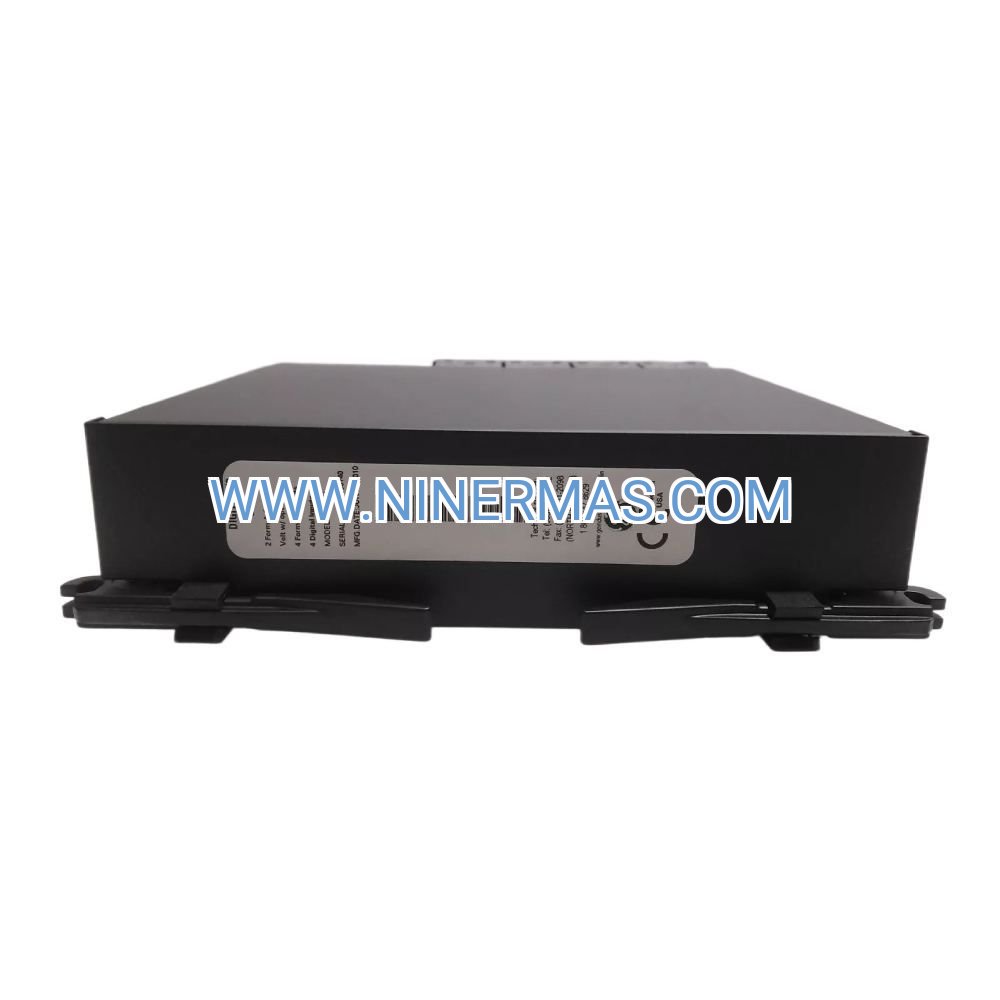

Contact Info
-
Address:22 / F, South Wo Hang building, 148 Wing Lok Street, Sheung Wan, Western District, Hong Kong
-
Phone:+8618750215667
-
Email: