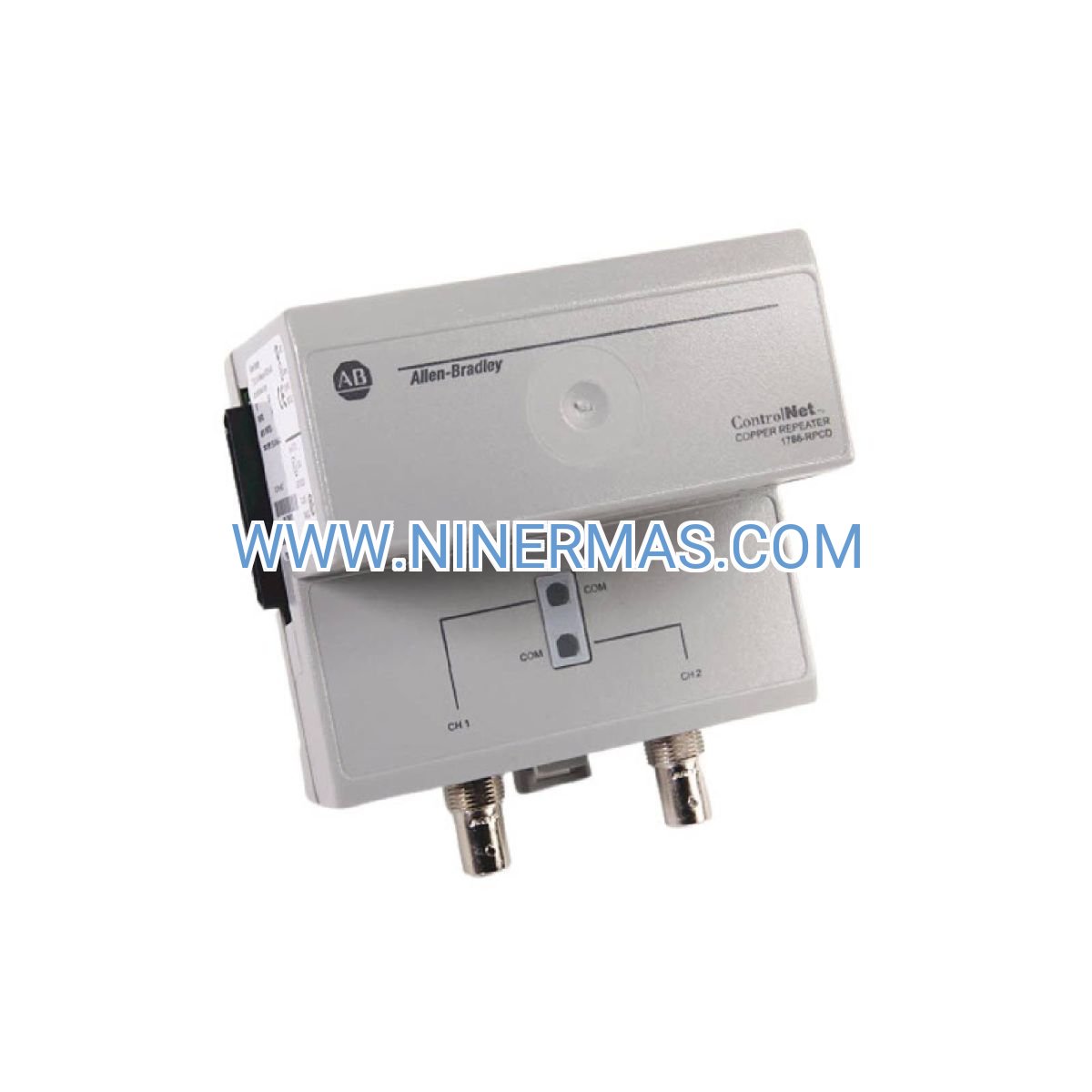
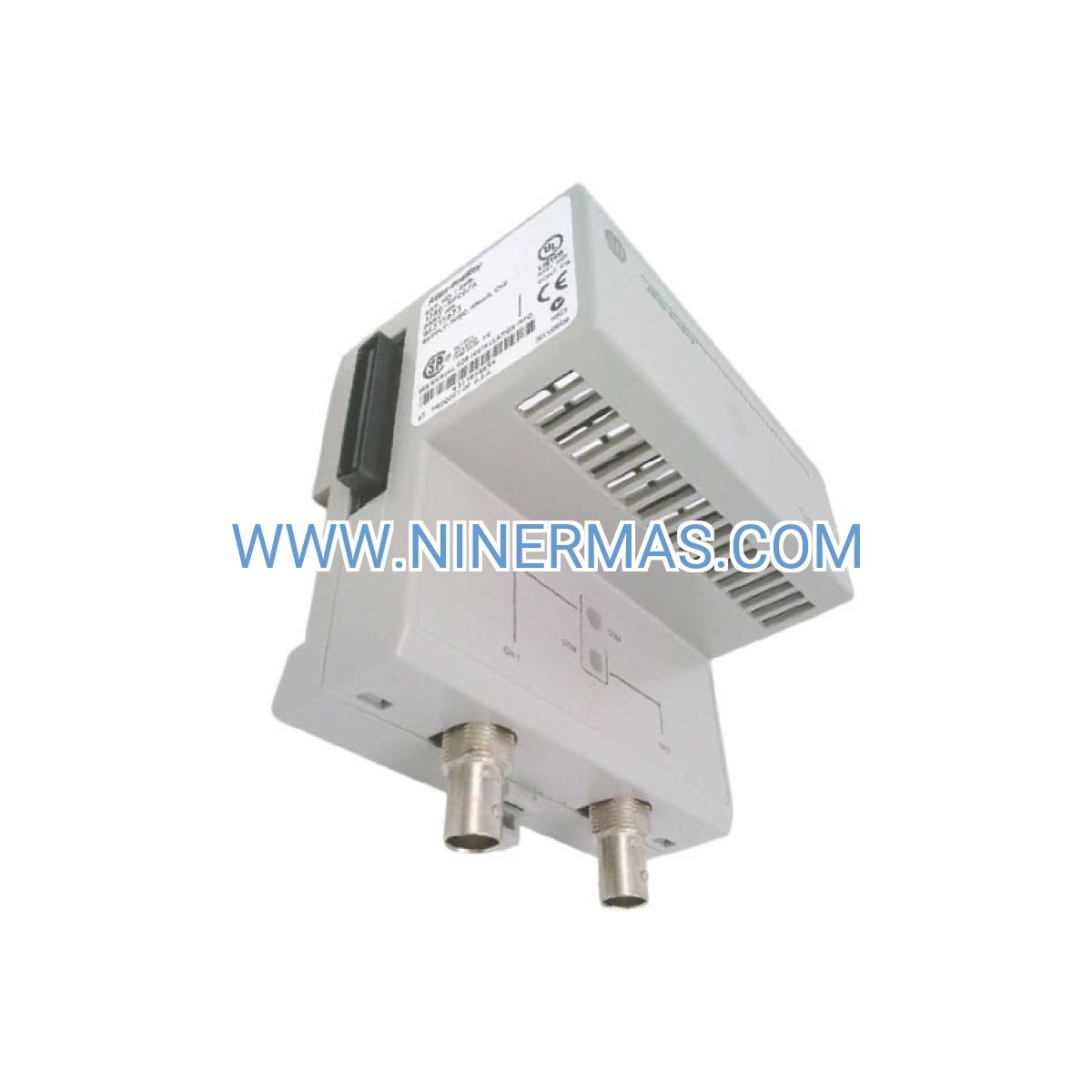
Allen-Bradley 1786-RPCD ControlNet Repeater | Dual Copper Network Extender for Industrial Automation
Description
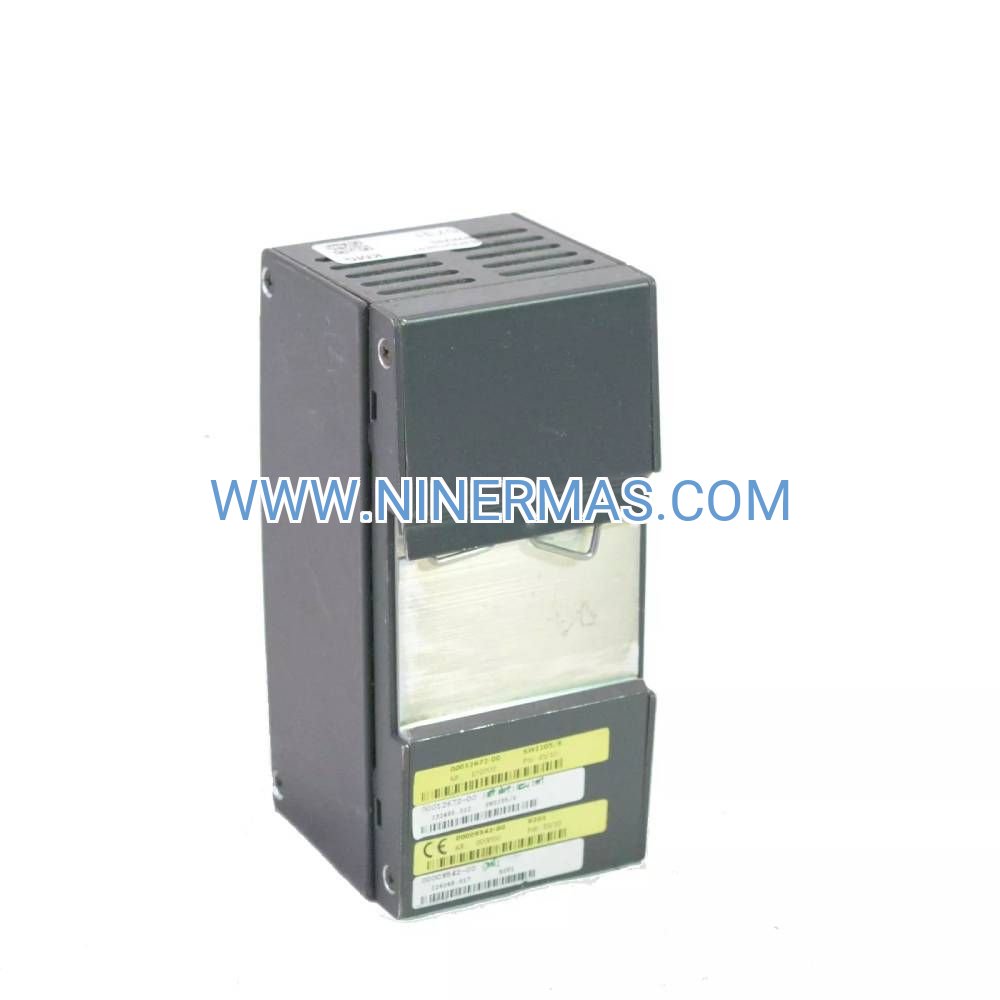
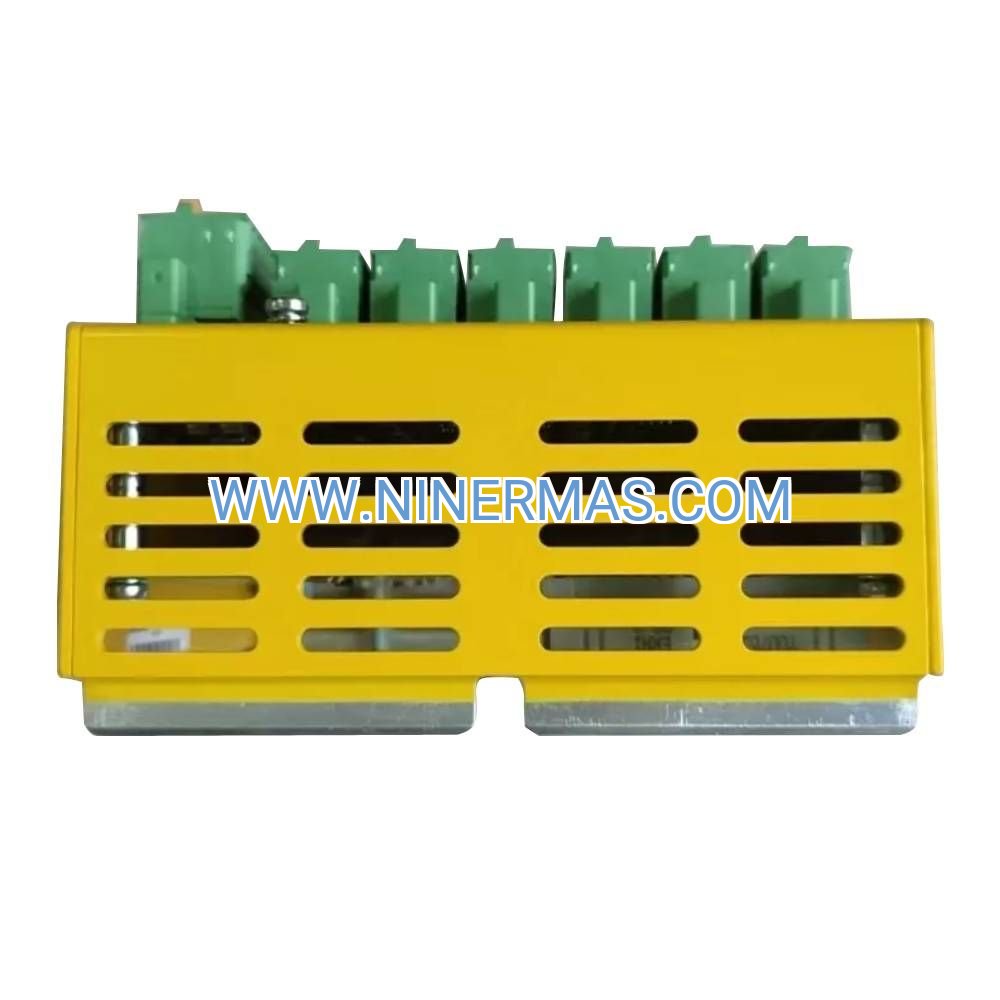
Allen-Bradley 1786-RPCD ControlNet Repeater Module (Industrial-Grade Network Extension Solution)
The Allen-Bradley 1786-RPCD ControlNet Repeater Module is a professional-grade industrial network device designed for extending ControlNet network reach through dual copper interface technology. By utilizing advanced signal regeneration and repeater architecture, this module enables reliable, deterministic communication across extended distances—up to 1000 meters per segment—ensuring seamless data transmission in mission-critical automation environments.
Engineered for power generation facilities, petrochemical refineries, automotive manufacturing plants, and large-scale process control systems, the 1786-RPCD addresses common challenges such as network distance limitations, signal degradation over long cable runs, electromagnetic interference in harsh industrial environments, and the need for scalable network topologies without compromising real-time performance.
Through standardized design and flexible installation options, this repeater module delivers deterministic network performance, plug-and-play integration with existing ControlNet infrastructure, robust EMI/RFI immunity, hot-swappable operation for minimal downtime, and UL/CE/CSA compliance—making it the preferred choice for system integrators, control engineers, OEM equipment manufacturers, and plant maintenance teams. Contact our technical specialists for network topology design, compatibility verification, and project-specific quotations.
Core Features & Technical Advantages
- Dual Copper Interface Architecture
Equipped with two independent RG-6 coaxial copper ports, the module regenerates ControlNet signals to extend network reach up to 1000 meters per segment, effectively doubling the standard 500-meter limitation and enabling flexible plant-wide network design. - Deterministic Real-Time Performance
Maintains ControlNet's 5ms network update time (NUT) and scheduled/unscheduled messaging capabilities, ensuring predictable data delivery for time-sensitive motion control, process automation, and safety-critical applications. - Seamless Network Integration
Fully compatible with Rockwell Automation ControlLogix, CompactLogix, and legacy PLC-5 systems; supports RSNetWorx for ControlNet configuration software for simplified network mapping, diagnostics, and troubleshooting. - Industrial-Grade Reliability
Built with conformal-coated PCBs and ruggedized enclosure rated for -40°C to +70°C operating temperature, withstands vibration, shock, and electrical noise common in heavy industrial environments. - Comprehensive Diagnostic Capabilities
Front-panel LED indicators provide real-time status for network activity, module health, and fault conditions; supports online firmware updates and remote monitoring via ControlNet network for proactive maintenance. - Hot-Swappable Design
Allows module replacement without powering down the entire network segment, minimizing production interruptions and enabling scheduled maintenance during operation.
Typical Application Scenarios
This repeater module is specifically designed for industrial environments requiring extended network coverage, high reliability, and deterministic communication:
- Power Generation & Substations
Connects distributed control systems across turbine halls, boiler rooms, and switchyards where equipment is separated by hundreds of meters, ensuring synchronized control and real-time data acquisition for grid stability. - Oil & Gas Refineries
Extends ControlNet backbone across process units, tank farms, and loading terminals, enabling centralized SCADA monitoring while maintaining intrinsically safe network design in hazardous classified areas (when used with appropriate barriers). - Automotive Assembly Lines
Links robotic welding cells, conveyor systems, and quality inspection stations across multi-building facilities, supporting high-speed motion control and coordinated material handling with microsecond-level synchronization. - Water Treatment & Municipal Infrastructure
Connects remote pump stations, filtration systems, and chemical dosing equipment over extended distances, reducing fiber optic cabling costs while maintaining reliable supervisory control for 24/7 operations. - Food & Beverage Processing
Integrates packaging lines, pasteurization units, and warehouse automation systems across large production campuses, ensuring recipe management, batch tracking, and regulatory compliance data integrity.
Technical Specifications & Selection Guide
To facilitate engineering design and procurement, we provide key electrical, mechanical, and environmental parameters for the 1786-RPCD module:
| Parameter | Specification |
|---|---|
| Network Type | ControlNet (IEC 61158 Type 2) |
| Interface Type | Dual RG-6 Coaxial Copper |
| Maximum Segment Length | 1000m (3280 ft) per segment |
| Data Rate | 5 Mbps |
| Power Supply | 24V DC ±20% (18-30V DC) |
| Power Consumption | Typical 3.5W, Maximum 5W |
| Operating Temperature | -40°C to +70°C (-40°F to +158°F) |
| Storage Temperature | -40°C to +85°C (-40°F to +185°F) |
| Humidity | 5% to 95% non-condensing |
| Enclosure Rating | IP20 (NEMA/UL Open Type) |
| Mounting | DIN rail or panel mount |
| Dimensions (H×W×D) | 118mm × 35mm × 114mm (4.65" × 1.38" × 4.49") |
| Weight | Approx. 0.23 kg (0.5 lbs) |
| Certifications | UL, cUL, CE, C-Tick, RCM |
| MTBF | >500,000 hours (MIL-HDBK-217F) |
Selection Recommendations: When specifying the 1786-RPCD, consider the following factors: total network length and number of nodes, existing ControlNet infrastructure (copper vs. fiber segments), environmental conditions (temperature extremes, EMI sources), power supply availability (centralized vs. distributed 24V DC), and future expansion requirements. For networks exceeding 3km total length or requiring galvanic isolation, consult our engineers for hybrid copper/fiber topology design. Provide site layout drawings, node count, and update time requirements for customized network architecture proposals.
Advanced Configuration & Integration Options
- Redundant Network Topologies
Supports dual-path redundant ControlNet configurations when paired with redundant controllers and network interface cards, achieving seamless failover for high-availability applications (pharmaceutical, aerospace). - Mixed Media Networks
Can be integrated with 1786-RPx fiber optic repeaters to create hybrid copper/fiber networks, optimizing cost (copper for short runs) and performance (fiber for long distances or electrical isolation). - Network Diagnostics & Monitoring
Compatible with RSNetWorx for ControlNet software for real-time network health monitoring, bandwidth utilization analysis, and predictive maintenance alerts; supports SNMP traps for integration with plant-wide SCADA/MES systems. - Firmware Lifecycle Management
Field-upgradable firmware via ControlNet network or USB interface (with optional adapter), ensuring long-term compatibility with evolving Rockwell Automation software platforms (Studio 5000, FactoryTalk).
Delivery, Service & Quality Assurance
Lead Time: Factory-sealed units typically ship within 3-5 business days from regional distribution centers; custom-configured or large-volume orders require 2-3 weeks. Expedited shipping available for critical downtime situations.
Warranty: All modules include a standard 12-month manufacturer's warranty covering defects in materials and workmanship. Extended warranty and advance replacement programs available for mission-critical installations.
Technical Support: Complimentary pre-sales engineering consultation for network design validation, post-sales commissioning assistance via phone/email, and optional on-site startup services (subject to location and scope). Remote diagnostic support available 24/7 for warranty-covered issues.
Documentation Package: Each unit ships with installation quick-start guide, detailed user manual (PDF), electrical wiring diagrams, RSNetWorx configuration templates, and compliance certificates (UL/CE/RoHS). CAD drawings (DWG/STEP) and 3D models available upon request for panel design integration.
Frequently Asked Questions (FAQ)
Q: How does the 1786-RPCD ControlNet repeater integrate with existing network infrastructure?
A: The module functions as a transparent signal regenerator—simply connect it in-line between two ControlNet segments using standard RG-6 coaxial cables with BNC connectors. No IP addressing or complex configuration required; RSNetWorx automatically detects the repeater and updates the network map. Ensure proper termination (75Ω terminators) at both ends of each segment.
Q: What is the maximum number of repeaters allowed in a single ControlNet network?
A: ControlNet specification permits up to 5 repeaters (copper or fiber) in series per network, enabling a theoretical maximum distance of ~5km for all-copper networks. However, for optimal performance and troubleshooting simplicity, we recommend limiting to 3 repeaters and using fiber optic segments for distances exceeding 2km.
Q: Can this repeater be used in hazardous (Class I Div 2) locations?
A: The standard 1786-RPCD is rated for general industrial use (non-hazardous). For Class I Division 2 installations, the module must be installed in a purged/pressurized enclosure or use intrinsically safe barriers on the ControlNet segments. Consult local electrical codes (NEC Article 500) and contact our hazardous location specialists for compliant system design.
Q: What are the typical energy savings or performance improvements compared to alternative solutions?
A: While the repeater itself doesn't directly reduce energy consumption, it eliminates the need for costly fiber optic media converters (saving ~$800-1500 per conversion point) and reduces installation labor by 30-40% compared to fiber runs in existing conduit systems. Additionally, copper-based networks simplify troubleshooting, reducing mean-time-to-repair (MTTR) by approximately 25% based on field data.
Q: Does the module support remote monitoring and predictive maintenance?
A: Yes—when connected to a ControlLogix controller with Ethernet/IP gateway, the repeater's diagnostic data (signal strength, error counters, temperature) can be mapped to FactoryTalk View HMI or third-party SCADA systems. This enables condition-based maintenance alerts (e.g., degraded signal quality indicating cable damage) before network failures occur.
Q: What protocols and communication standards are supported beyond ControlNet?
A: The 1786-RPCD is dedicated to ControlNet (IEC 61158 Type 2) protocol only. For multi-protocol environments, consider Rockwell's Stratix managed switches with DLR (Device Level Ring) for EtherNet/IP, or use protocol gateways to bridge ControlNet with Modbus TCP, PROFINET, or OPC UA networks.
Request Technical Consultation & Quotation
To receive a customized network design proposal, competitive pricing, or technical validation for your specific application, please provide the following project details: facility layout and total network distance, number and type of ControlNet nodes (controllers, I/O, drives), required network update time (NUT) and bandwidth allocation, environmental conditions (temperature, EMI sources, hazardous area classification), and existing infrastructure (cable types, conduit availability). Our certified ControlNet engineers will respond within 24 hours with tailored recommendations and budget estimates.
© 2026 NINERMAS COMPANY LIMITED. All rights reserved. Original Source: https://ninermas.com | Contact: sale@ninermas.com | +0086 187 5021 5667

Contact Info
-
Address:22 / F, South Wo Hang building, 148 Wing Lok Street, Sheung Wan, Western District, Hong Kong
-
Phone:+8618750215667
-
Email: