


Industrial Ethernet Switch 16-Port Unmanaged | Stratix 2000 Series for Factory Automation | Allen-Bradley
Description
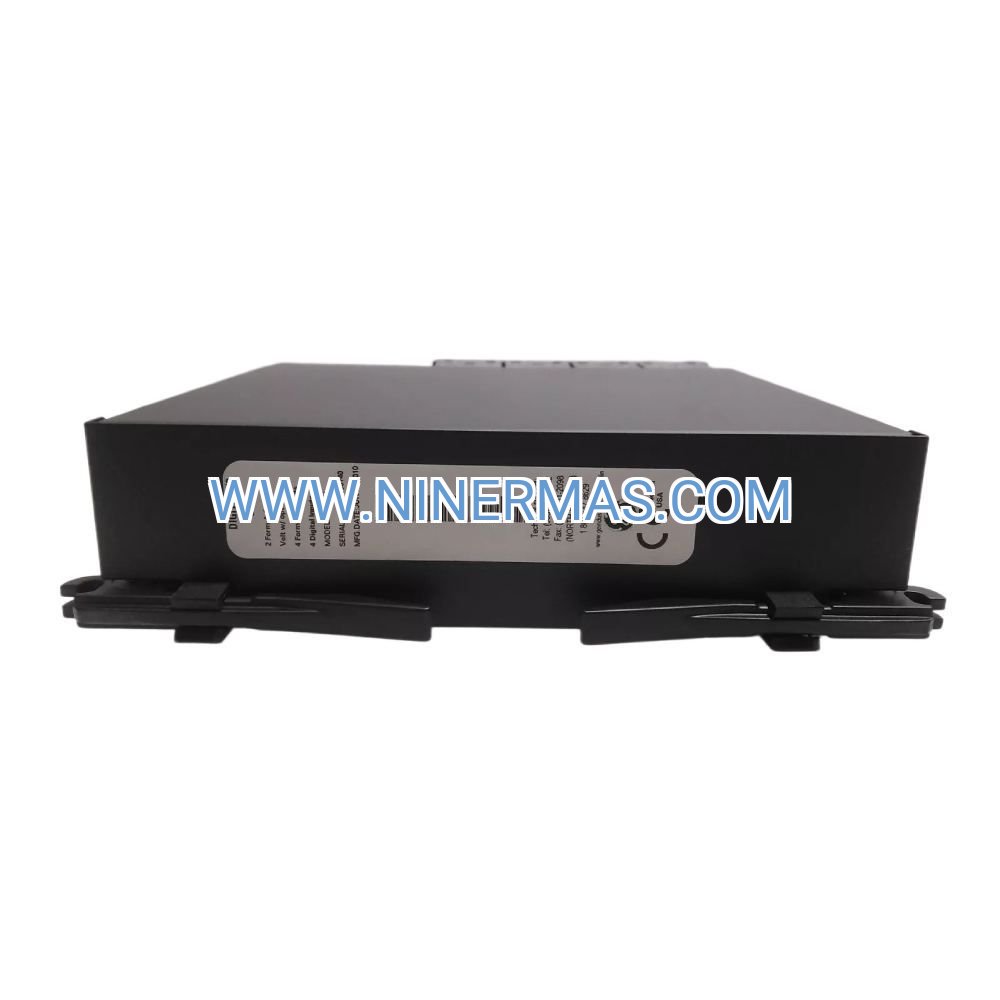
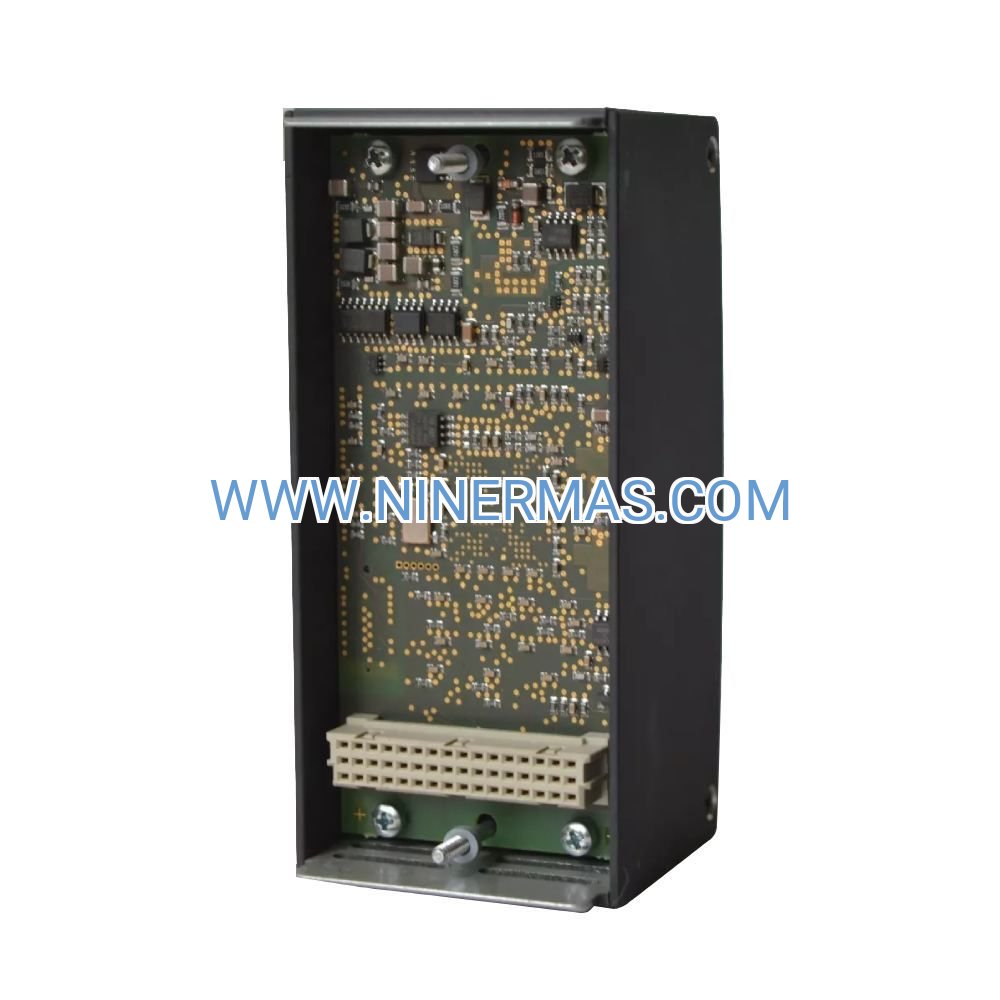
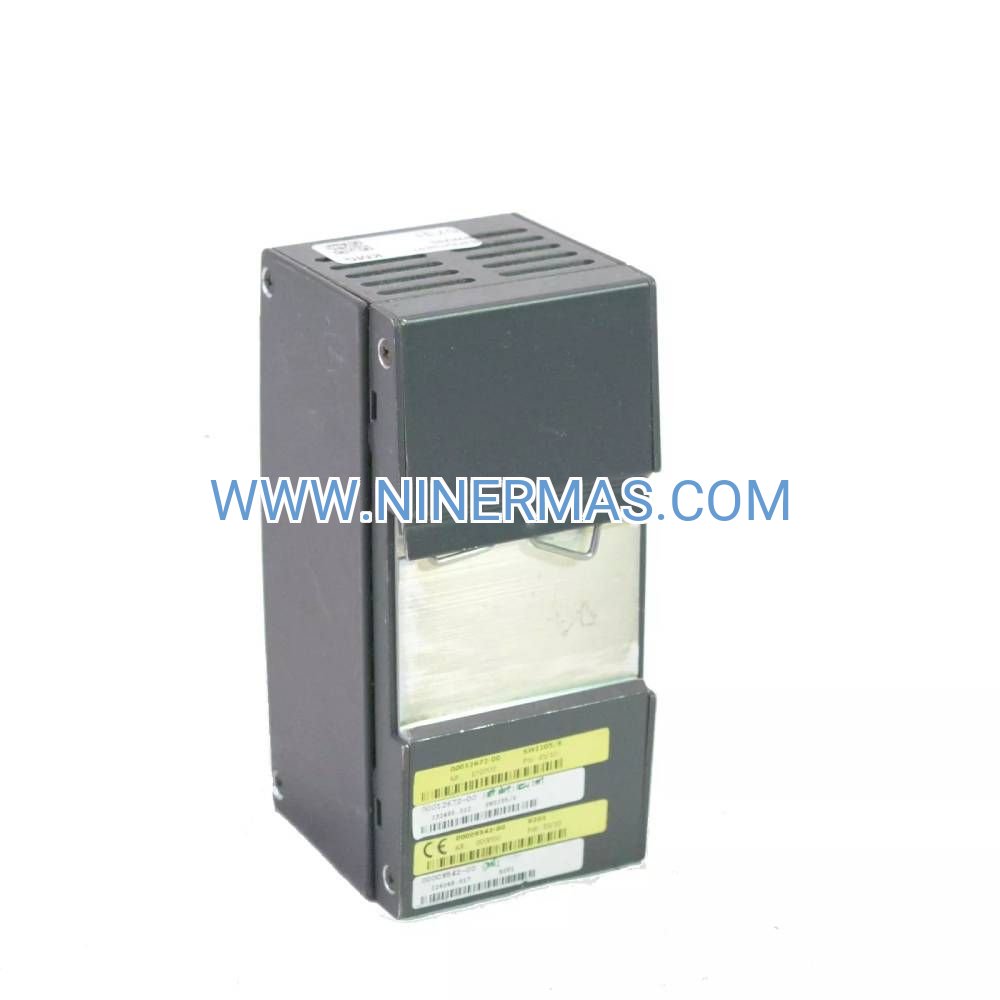
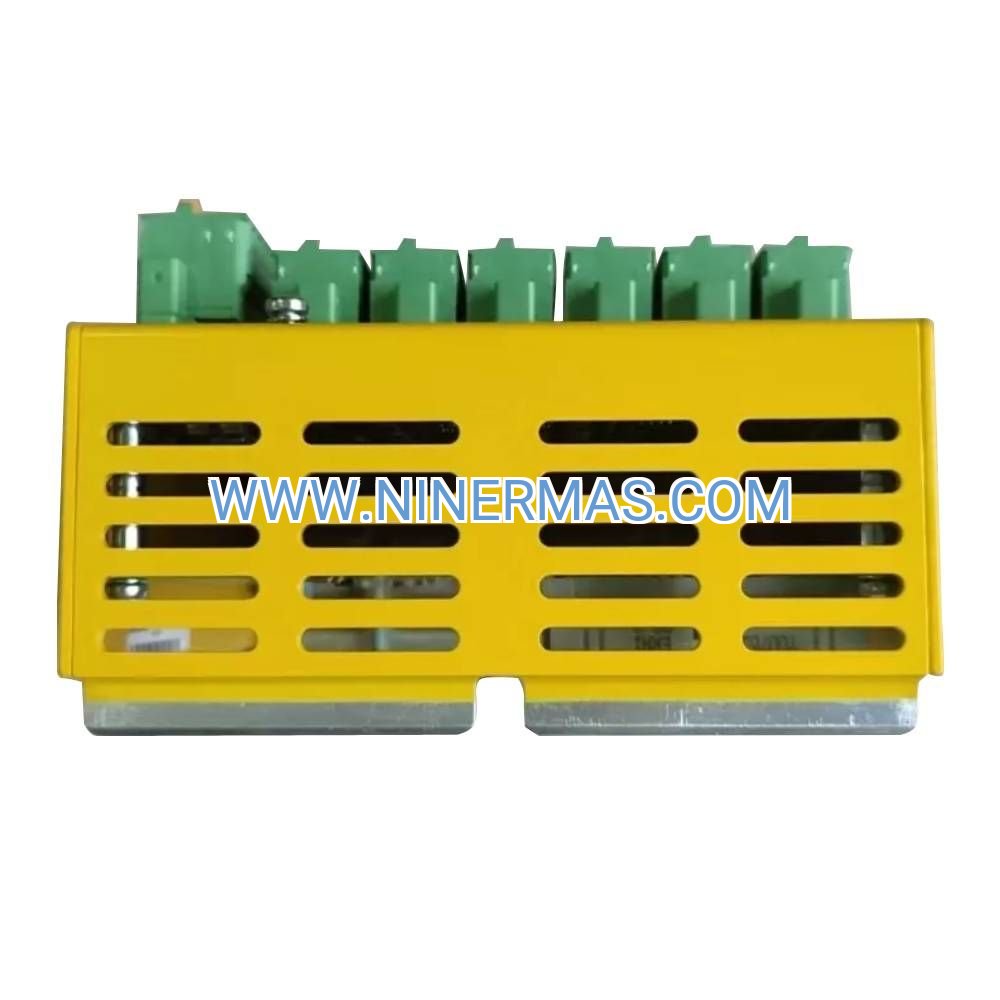
Industrial Ethernet Switch 16-Port Unmanaged (Stratix 2000 Series for Factory Automation)
The Stratix 2000 16-Port Unmanaged Industrial Ethernet Switch is a ruggedized networking device designed for factory automation, building control systems, and industrial process networks. Through plug-and-play deployment and IEEE 802.3 compliance, it delivers reliable, high-speed data transmission across distributed control architectures without requiring complex configuration.
Ideal for manufacturing plants, water treatment facilities, HVAC systems, material handling lines, and machine-to-machine (M2M) communication networks, this switch addresses challenges such as network downtime, electromagnetic interference (EMI), harsh environmental conditions, limited rack space, and the need for rapid deployment.
With industrial-grade construction, wide operating temperature range, and DIN-rail mounting flexibility, this product is suitable for system integrators, control panel builders, OEM equipment manufacturers, and facility maintenance teams. Contact our application engineers for network topology design, BoM optimization, and technical quotations.
Core Features & Advantages
- Plug-and-Play Simplicity
Unmanaged architecture eliminates the need for software configuration or IP address assignment, enabling immediate deployment in time-sensitive projects and reducing commissioning labor costs. - Industrial-Grade Reliability
Designed to withstand shock, vibration, and electrical noise common in factory floors, with conformal coating options and extended temperature ratings (-40°C to +75°C) for harsh environments. - Flexible DIN-Rail Mounting
Compact form factor with standard 35mm DIN-rail clip allows seamless integration into control cabinets, junction boxes, and distributed I/O enclosures without consuming valuable panel space. - Energy-Efficient Operation
Low power consumption design (typically <15W) reduces heat generation and operational costs, suitable for continuous 24/7 operation in unmanned facilities. - Comprehensive Protection Mechanisms
Built-in surge protection, reverse polarity safeguards, and EMI/RFI shielding ensure stable operation in electrically noisy environments, minimizing unplanned downtime. - EtherNet/IP & Modbus TCP Compatible
Supports common industrial protocols including EtherNet/IP, Modbus TCP, and PROFINET, enabling seamless integration with PLCs, HMIs, VFDs, and SCADA systems from multiple vendors.
Typical Application Scenarios
This industrial Ethernet switch is engineered for environments demanding high reliability, continuous uptime, and resistance to environmental stressors, including:
- Automotive & Discrete Manufacturing
Connects robotic cells, vision systems, barcode scanners, and conveyor controllers in assembly lines, supporting real-time data exchange and coordinated motion control. - Water & Wastewater Treatment
Links remote pump stations, flow meters, level sensors, and SCADA gateways across distributed sites, enabling centralized monitoring and regulatory compliance reporting. - Building Automation & HVAC Systems
Integrates chillers, air handlers, lighting controllers, and energy meters into a unified BMS network, optimizing energy consumption and occupant comfort. - Food & Beverage Processing
Provides hygienic, washdown-rated connectivity for filling machines, pasteurizers, and packaging lines, meeting FDA and EHEDG standards for cleanroom environments. - Oil & Gas / Mining Operations
Delivers rugged networking for hazardous area monitoring, pipeline SCADA, and remote asset management in Class I Div 2 and ATEX-certified installations.
Technical Specifications & Selection Guide
To facilitate engineering design and procurement, we provide standardized configurations with customization options for voltage, port count, fiber uplinks, and environmental ratings.
| Parameter | Specification |
|---|---|
| Port Configuration | 16 × 10/100 Mbps RJ45 Ethernet ports |
| Network Standard | IEEE 802.3, IEEE 802.3u (Fast Ethernet) |
| Switching Capacity | 3.2 Gbps (non-blocking) |
| MAC Address Table | 8K entries, auto-learning |
| Power Input | 24V DC (18-30V DC range), redundant input optional |
| Power Consumption | ≤12W (typical), ≤15W (maximum) |
| Operating Temperature | -40°C to +75°C (extended range models available) |
| Storage Temperature | -40°C to +85°C |
| Humidity | 5% to 95% RH, non-condensing |
| Protection Rating | IP30 (standard), IP65/IP67 (optional for harsh environments) |
| Mounting | 35mm DIN-rail (EN 50022), panel mount, or rack mount kits available |
| Dimensions (W×H×D) | 105mm × 125mm × 75mm (approximate) |
| Certifications | UL/cUL, CE, FCC, RoHS, ATEX (Zone 2), IECEx |
| MTBF | >200,000 hours (at 25°C ambient) |
Selection Recommendations: When specifying, consider peak network traffic load, required uplink bandwidth (copper vs. fiber), redundancy requirements (ring topology support), power supply availability (AC/DC options), and environmental conditions (temperature extremes, vibration levels, chemical exposure). For assistance, provide site survey data including device count, protocol types, cable distances, and installation drawings—our engineers will recommend optimal models and network architecture.
Advanced Capabilities & Customization
- Redundant Power Inputs: Dual 24V DC inputs with automatic failover ensure continuous operation during power supply maintenance or failure.
- Fiber Optic Uplinks: Optional SFP slots for single-mode or multi-mode fiber connections, extending reach beyond 100m copper limitations.
- Ring Topology Support: Compatible with rapid spanning tree protocols (RSTP) and proprietary ring redundancy (e.g., Turbo Ring, MRP) for <50ms failover.
- Conformal Coating: PCB-level protective coating resists moisture, dust, and corrosive gases in chemical plants and marine environments.
- Extended Temperature Models: Variants rated for -40°C to +85°C operation in outdoor cabinets, desert climates, and arctic installations.
Delivery, Service & Quality Assurance
Lead Time: Standard catalog models ship within 3-5 business days from regional warehouses; custom configurations (fiber ports, extended temp, special voltage) require 10-15 business days for factory assembly and testing.
Warranty: All units include a minimum 3-year manufacturer's warranty covering defects in materials and workmanship, with optional extended service plans (5-year, 7-year) available for critical infrastructure projects.
Technical Support: Complimentary pre-sales application engineering (network design review, BoM validation), post-sales commissioning assistance (remote diagnostics, on-site startup services in select regions), and lifetime access to firmware updates and technical bulletins.
Documentation Package: Each shipment includes quick-start guide, detailed user manual (PDF), CAD drawings (DXF/STEP), electrical schematics, wiring diagrams, and compliance certificates (UL, CE, ATEX)—facilitating rapid installation and regulatory approval.
Frequently Asked Questions (FAQ)
Q: How do I integrate this industrial Ethernet switch with my existing Allen-Bradley PLC network?
A: This switch is fully compatible with EtherNet/IP protocol used by Allen-Bradley ControlLogix, CompactLogix, and MicroLogix PLCs. Simply connect PLC Ethernet ports and field devices (I/O modules, VFDs, HMIs) to available switch ports using standard Cat5e/Cat6 cables. No IP configuration is needed—the switch auto-negotiates speed and duplex. Verify your PLC firmware supports EtherNet/IP and assign unique IP addresses to each device on the same subnet.
Q: What is the maximum number of devices I can connect to a single 16-port switch?
A: Physically, you can connect up to 16 devices (one per port). However, effective network performance depends on traffic patterns—if devices generate high broadcast/multicast traffic or require deterministic response times, consider segmenting the network with additional switches or using managed switches with VLAN/QoS capabilities. For typical PLC I/O polling and HMI visualization, 16 devices per switch is well within performance limits.
Q: Can this switch reduce energy costs compared to older relay-based control panels?
A: While the switch itself consumes minimal power (<15W), energy savings primarily come from enabling smarter control strategies—such as variable frequency drives (VFDs) for motors, real-time load monitoring, and automated demand response. By providing reliable network connectivity for these intelligent devices, the switch indirectly supports energy optimization initiatives, with documented savings of 15-30% in HVAC and pumping applications.
Q: What are the environmental requirements for installation? Is IP30 rating sufficient for factory floors?
A: IP30 rating protects against solid objects >2.5mm (e.g., fingers, tools) but does not seal against dust or water ingress. For typical indoor control cabinets with filtered ventilation, IP30 is adequate. For dusty environments (cement plants, woodworking), outdoor enclosures, or washdown areas, specify IP65 (dust-tight, water jet resistant) or IP67 (submersion-resistant) models. Also consider operating temperature—standard models handle -10°C to +60°C; extended-range versions cover -40°C to +75°C.
Q: Does this switch support remote monitoring and SNMP for network diagnostics?
A: As an unmanaged switch, it does not offer SNMP, web interface, or remote configuration. It operates transparently at Layer 2, forwarding frames based on MAC addresses without user intervention. For applications requiring traffic monitoring, port mirroring, VLAN segmentation, or SNMP traps, consider our managed industrial switch series (e.g., Stratix 5700, 8000). Unmanaged switches are ideal for cost-sensitive, plug-and-play deployments where simplicity outweighs advanced diagnostics.
Q: Can I daisy-chain multiple switches to expand port count? What topology is recommended?
A: Yes, you can cascade switches using standard Ethernet cables (star, daisy-chain, or ring topologies). For star topology, connect all switches to a central aggregation switch—this minimizes latency and simplifies troubleshooting. For daisy-chain, connect switches in series—suitable for linear layouts (conveyor lines) but increases hop count. For ring topology, use managed switches with rapid spanning tree or proprietary ring protocols to achieve <50ms failover during cable breaks. Unmanaged switches support basic daisy-chaining but lack redundancy features.
Request Custom Configuration & Technical Consultation
To receive a tailored solution proposal, detailed quotation, or application-specific technical support, please provide the following project details:
- Project name and industry sector (manufacturing, infrastructure, building automation, etc.)
- Application scenario (machine control, SCADA backbone, remote I/O, etc.)
- Number of devices to connect and their protocols (EtherNet/IP, Modbus TCP, PROFINET, etc.)
- Network topology preference (star, ring, daisy-chain)
- Cable distances and fiber requirements (if >100m runs)
- Environmental conditions (temperature range, IP rating, vibration, hazardous area classification)
- Power supply availability (24V DC, 48V DC, 110-240V AC)
- Redundancy and uptime requirements (single switch, redundant ring, hot-swappable power)
Our application engineers will respond within 24 hours with a comprehensive selection guide, network architecture diagram, and competitive pricing.
© 2026 NINERMAS COMPANY LIMITED. All rights reserved. Original Source: https://ninermas.com | Contact: sale@ninermas.com | +0086 187 5021 5667

Contact Info
-
Address:22 / F, South Wo Hang building, 148 Wing Lok Street, Sheung Wan, Western District, Hong Kong
-
Phone:+8618750215667
-
Email:
