Description
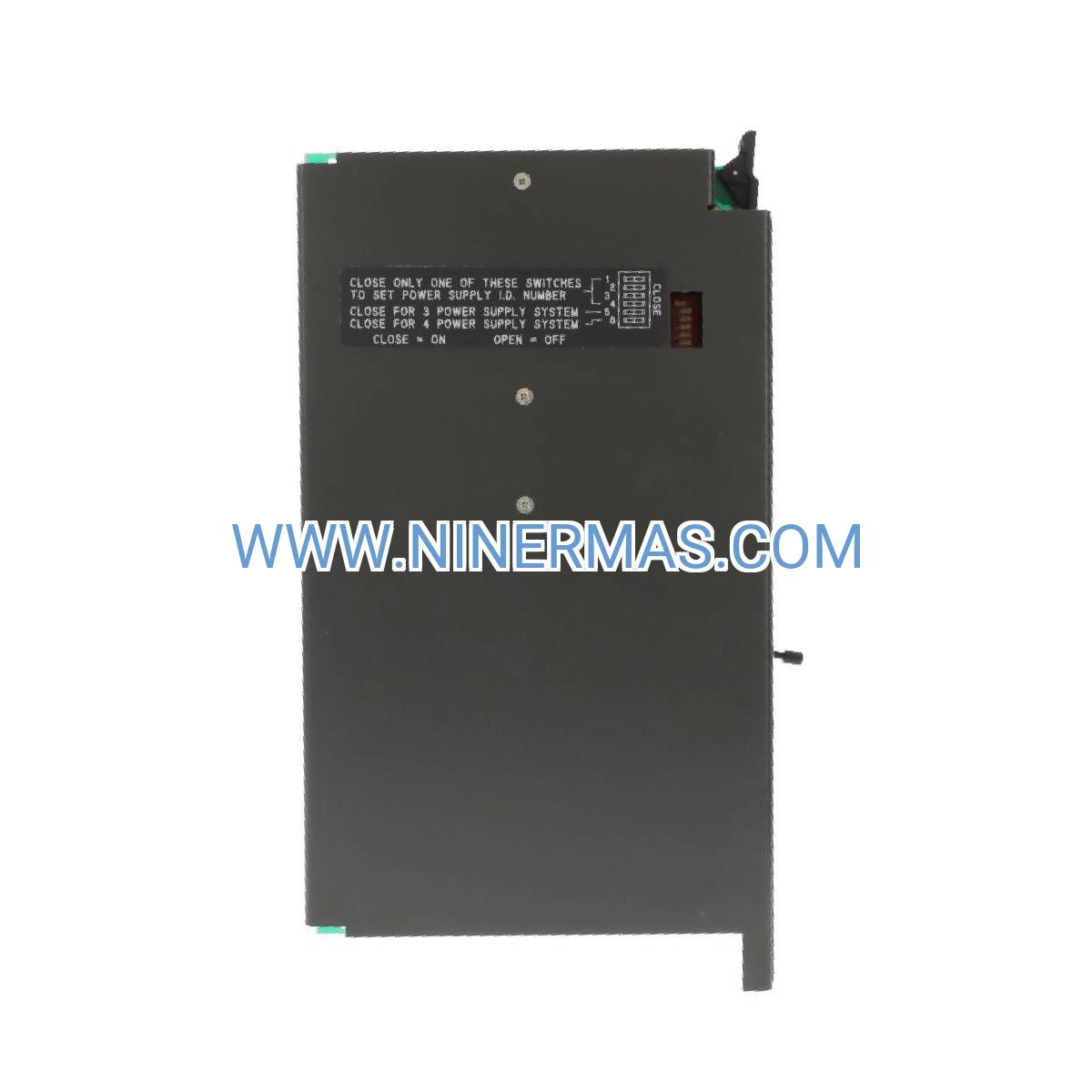
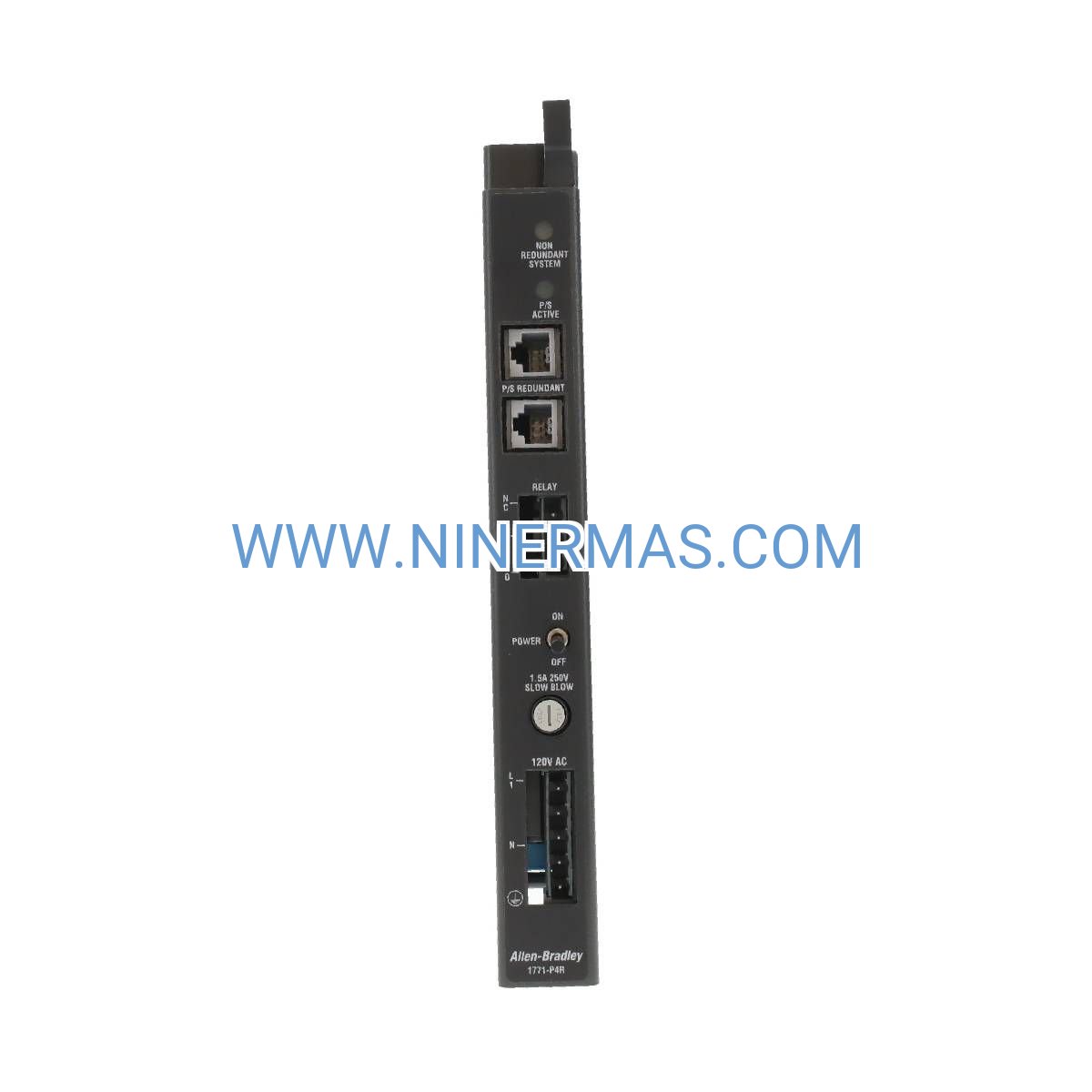
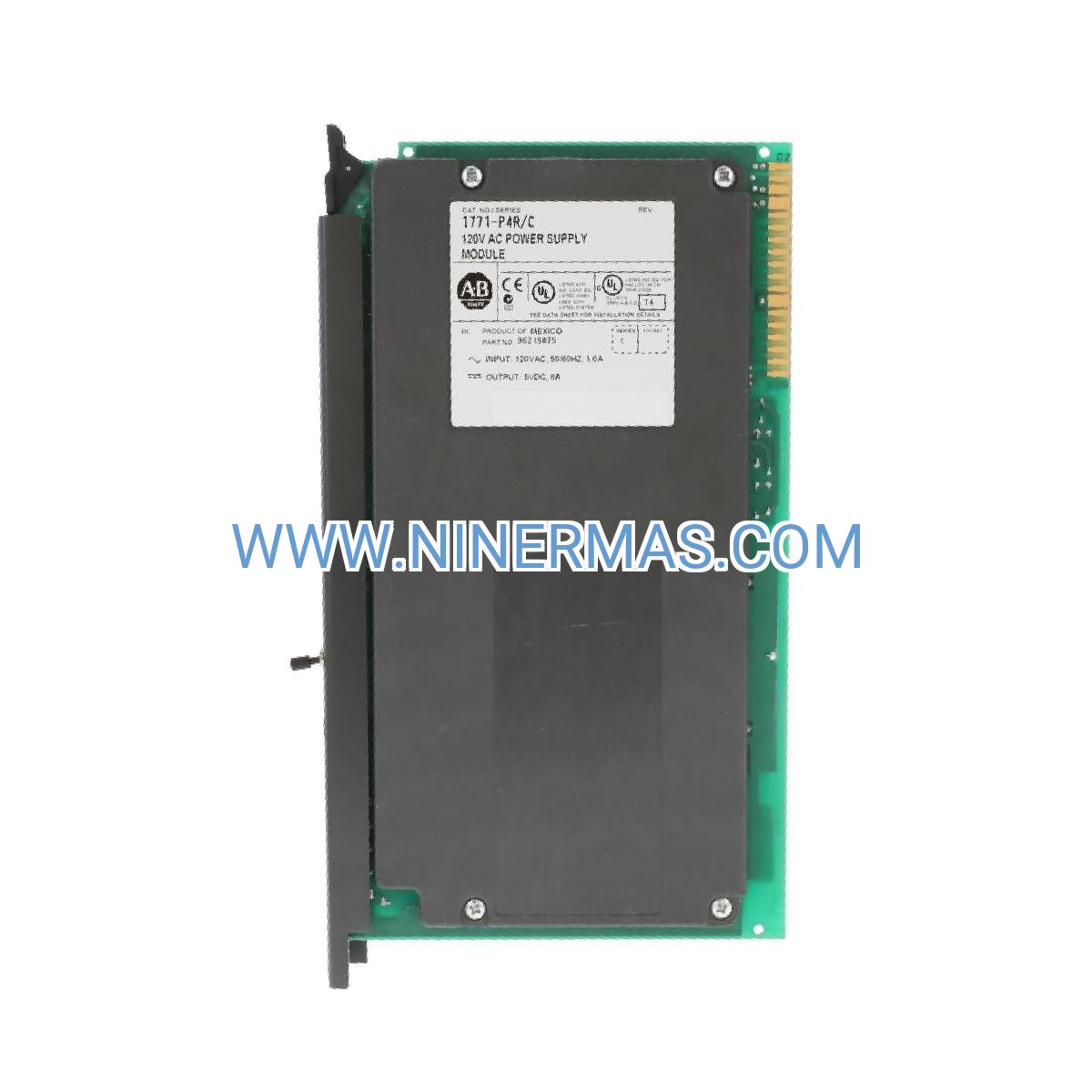
1771-P4R Redundant Power Supply (Industrial-Grade Failover Protection)
The 1771-P4R represents Allen-Bradley's solution for mission-critical power continuity in PLC-5 control systems. Engineered with dual-channel architecture, this redundant power module delivers 5VDC at 16 amperes continuous output while maintaining automatic failover capability for zero-downtime industrial operations. Designed for process industries where unplanned shutdowns translate to significant production losses, the P4R integrates seamlessly into 1771 I/O chassis configurations with hot-swap serviceability.
Target applications span pharmaceutical batch processing, municipal water treatment SCADA networks, petrochemical refinery control loops, and automotive paint line sequencing—environments where power supply failure could compromise product quality, environmental compliance, or worker safety. The module's N+1 redundancy architecture ensures that primary supply degradation triggers instantaneous backup activation, maintaining system voltage regulation within ±2% tolerance throughout the transition.
Key differentiators include factory-calibrated load balancing that extends component lifespan by distributing thermal stress, diagnostic LED arrays providing real-time health monitoring without external tools, and universal AC input acceptance (120/220VAC auto-sensing) that simplifies global deployment. With UL/CE/RoHS certifications and a 150,000-hour MTBF rating, the 1771-P4R delivers enterprise-grade reliability for distributed control architectures.
Core Features & Benefits
→ Automatic Failover Switching
Transition time under 20 milliseconds prevents PLC processor resets during primary supply failure. Solid-state switching logic monitors output voltage continuously, activating standby unit when primary drops below 4.75VDC threshold. Eliminates manual intervention and reduces mean time to recovery (MTTR) by 95% compared to non-redundant configurations.
→ Hot-Swap Serviceability
Replace failed power modules during live operation without de-energizing the chassis or halting I/O communications. Keyed connector design prevents reverse insertion, while current-limiting inrush circuitry protects against transient surges during module insertion. Reduces scheduled maintenance windows and supports predictive replacement strategies.
→ Parallel Load Sharing
Both supplies operate simultaneously under normal conditions, each contributing 50% of total load current. Balanced thermal distribution reduces junction temperatures by 18-22°C compared to single-supply operation, extending capacitor lifespan and improving long-term voltage stability. Active current balancing maintains ±5% distribution accuracy across 20-100% load range.
→ Comprehensive Diagnostics
Front-panel LED indicators display: AC input status (green), DC output regulation (green), overload condition (amber), and redundancy fault (red). Enables technicians to assess system health during routine inspections without multimeter measurements or chassis disassembly. Supports condition-based maintenance programs and reduces troubleshooting time by 60%.
✓ Surge & Transient Protection
Integrated transient voltage suppression (TVS) diodes clamp input spikes to safe levels, protecting downstream I/O modules from lightning-induced surges and motor starter kickback. Meets IEEE C62.41 Category B specifications for industrial environments. Metal oxide varistors (MOVs) provide secondary protection layer with 6kV surge withstand capability.
✓ Wide Operating Temperature Range
Full-rated performance from 0°C to 60°C (32°F to 140°F) ambient, with automatic thermal derating above 50°C to prevent premature component aging. Conformal-coated PCBs resist moisture condensation in high-humidity environments (95% RH non-condensing). Suitable for non-climate-controlled industrial enclosures.
Application Scenarios
Pharmaceutical Manufacturing Lines
Batch reactor control systems require uninterrupted PLC operation to maintain precise temperature/pressure profiles during synthesis reactions. Power supply failure mid-batch could result in product contamination, requiring complete batch disposal (losses exceeding $50K per incident). The 1771-P4R's redundant architecture ensures continuous control loop execution, protecting multi-hour production cycles and maintaining FDA 21 CFR Part 11 compliance through uninterrupted data logging.
Municipal Water Treatment Facilities
SCADA systems monitoring chlorination, pH adjustment, and filtration processes cannot tolerate control system outages that could lead to non-compliant water discharge. The P4R supports 24/7/365 operation in pump stations and treatment plants, where single power supply failure could trigger environmental violations or public health advisories. Redundant power ensures continuous compliance monitoring and automated chemical dosing control.
Petrochemical Refinery Control Loops
Distillation column temperature control, compressor anti-surge protection, and emergency shutdown (ESD) systems demand absolute power reliability. Unplanned PLC shutdowns in these applications create safety hazards and can cause equipment damage exceeding $200K. The 1771-P4R provides the failover protection required for SIL-rated safety instrumented systems (SIS) and critical process control loops in hazardous area classifications.
Automotive Paint Line Sequencing
Robotic paint application systems coordinate conveyor tracking, spray gun timing, and oven temperature control through centralized PLC logic. Power interruptions cause tracking errors that result in paint defects, requiring vehicle rework and production line stoppages. Redundant power supplies maintain sequencing accuracy during utility brownouts or facility electrical maintenance, protecting just-in-time production schedules.
Technical Parameters & Selection Guide
| Parameter | Specification | Notes |
|---|---|---|
| Output Voltage | 5VDC ±2% regulation | Maintains tolerance across 0-100% load |
| Continuous Current | 16A per module (32A redundant) | Derate 2.5% per °C above 50°C ambient |
| Peak Current | 20A for 3 seconds | Supports inrush during I/O module insertion |
| Input Voltage | 120/220VAC auto-sensing | 47-63Hz frequency range |
| Efficiency | ≥85% at full load | Reduces heat dissipation in enclosed panels |
| Failover Time | <20ms typical | Faster than PLC watchdog timeout (50ms) |
| MTBF | 150,000 hours | MIL-HDBK-217F calculation at 40°C |
| Dimensions | 127mm H × 35mm W × 118mm D | Single-slot 1771 chassis footprint |
| Weight | 0.84 kg (1.85 lbs) | Shipping weight: 1.2 kg with packaging |
Selection Criteria: Calculate total I/O current draw by summing individual module consumption (typically 0.5-1.5A per card). For redundant operation, ensure each P4R can handle 100% of total load independently. Example: 12-slot chassis with mixed I/O drawing 14A total requires two 1771-P4R units (16A each). For non-redundant applications or chassis drawing <8A, consider the single 1771-P4S alternative. Verify chassis backplane supports redundant power configuration (consult 1771 chassis specifications).
Extended Functions
Remote Monitoring Integration: While the 1771-P4R lacks native Ethernet connectivity, output status can be monitored through chassis-mounted 1771-ASB remote I/O adapter or ControlNet 1771-ACN modules. Map power supply diagnostic bits to PLC logic for SCADA alarm integration, enabling centralized monitoring of distributed power systems across multi-building facilities.
Customization Options: Factory modifications available for specialized applications include extended temperature rating (-20°C to +70°C), conformal coating upgrades for corrosive atmospheres (chemical plants, wastewater facilities), and custom output voltages (12VDC, 24VDC) for non-standard I/O requirements. Minimum order quantities and lead times apply—contact engineering for feasibility assessment.
Retrofit Compatibility: Direct replacement for legacy 1771-P4 and 1771-P4S modules in existing PLC-5 installations. Maintains identical mounting footprint, connector pinout, and electrical characteristics. Upgrade paths from single to redundant power require chassis backplane verification and addition of 1771-CP1 interconnect cable (sold separately).
Delivery & Service Assurance
Lead Times: Stock units ship within 2-3 business days via express courier (DHL/FedEx). Custom configurations or bulk orders (10+ units) require 4-6 weeks manufacturing lead time. Expedited production available for critical outages—contact sales for emergency replacement options.
Warranty Coverage: 12-month comprehensive warranty covers manufacturing defects, component failures, and workmanship issues. All units undergo 72-hour burn-in testing at 110% rated load before shipment, with full calibration certificates and test reports included. Warranty excludes damage from improper installation, overvoltage conditions, or environmental contamination.
Technical Support: Pre-sales application engineering assistance available to verify compatibility with existing systems, calculate power budgets, and recommend optimal configurations. Post-sales support includes installation guidance, troubleshooting diagnostics, and firmware updates (if applicable). Support hours: Monday-Friday 9:00-18:00 CST, with emergency hotline for critical production outages.
Documentation Package: Each shipment includes printed installation manual, wiring diagrams, dimensional drawings, and RoHS/CE compliance certificates. Digital resources available: AutoCAD DXF panel cutouts, 3D STEP models for enclosure design, and PLC sample code for diagnostic monitoring. Access technical library at ninermas.com/resources.
Frequently Asked Questions
Can the 1771-P4R redundant power supply operate with non-redundant 1771-P4S modules in the same chassis?
Yes, the P4R maintains backward compatibility with standard P4S supplies, allowing mixed configurations during phased upgrades. However, redundancy features only activate when two P4R units are installed with proper interconnect cabling (1771-CP1). Mixed P4R/P4S setups operate in non-redundant mode, with both supplies sharing load but without automatic failover capability.
What is the expected service life for industrial control power supplies under continuous operation?
The 1771-P4R achieves 150,000-hour MTBF (approximately 17 years) under standard industrial conditions per MIL-HDBK-217F reliability prediction. Actual lifespan depends on ambient temperature, load percentage, and input voltage quality. Electrolytic capacitors represent the primary wear component—operating at 40°C ambient and 75% load typically yields 10-12 years before capacitance degradation requires replacement.
Does this power module support 24VDC input for mobile or off-grid applications?
No, the 1771-P4R requires AC input (120/220VAC auto-sensing). For DC-powered systems, consider alternative models: 1771-P5E (24VDC input, 5VDC output) or 1771-P10 (125VDC input for utility substations). DC-input supplies eliminate AC rectification stage, improving efficiency in battery-backed UPS systems or solar-powered remote sites.
How do I verify that redundant power supply failover protection is functioning correctly?
Check front-panel LEDs on both modules: solid green RDY indicator confirms active operation, while flashing green indicates standby mode. To test failover, disconnect AC input to the active supply while monitoring PLC operation—backup should assume load within 20ms without processor fault. For automated testing, monitor chassis backplane voltage with oscilloscope during simulated failure (expect <200mV voltage dip during transition).
What installation clearances are required for proper thermal management in enclosed panels?
Maintain minimum 50mm (2 inches) clearance above and below the module for convective airflow. In sealed NEMA 4/IP65 enclosures, forced ventilation (fan-assisted) is recommended when ambient exceeds 45°C or when multiple power supplies are vertically stacked. Horizontal mounting orientation provides optimal cooling—vertical mounting reduces current capacity by 10% due to restricted airflow.
Are firmware updates available to enhance redundancy switching performance or add new diagnostic features?
The 1771-P4R uses hardware-based failover logic without user-programmable firmware, ensuring deterministic switching performance immune to software bugs or cyber vulnerabilities. Diagnostic enhancements require hardware revision upgrades—contact factory for latest revision status and retrofit availability for legacy units.
Request Technical Consultation
Our application engineers provide complimentary system design reviews to optimize power architecture for your specific PLC-5 configuration. Submit your I/O module list, chassis model, and environmental conditions for customized recommendations on redundancy strategy, cable routing, and backup power integration. Typical response time: 24-48 hours for standard inquiries, same-day for urgent production support needs.
Ready to enhance your control system reliability? Contact our team for pricing, availability, and technical specifications tailored to your application requirements.
© 2026 NINERMAS COMPANY LIMITED. All rights reserved.
Original Source: https://ninermas.com
Contact: sale@ninermas.com | +0086 187 5021 5667
PDF Specification
Download PDF file here:
Click to Download PDF

Contact Info
-
Address:22 / F, South Wo Hang building, 148 Wing Lok Street, Sheung Wan, Western District, Hong Kong
-
Phone:+8618750215667
-
Email: