1771-IXHR High-Resolution Thermocouple Input Module | 8-Channel 16-Bit Precision for PLC-5 Systems
Description
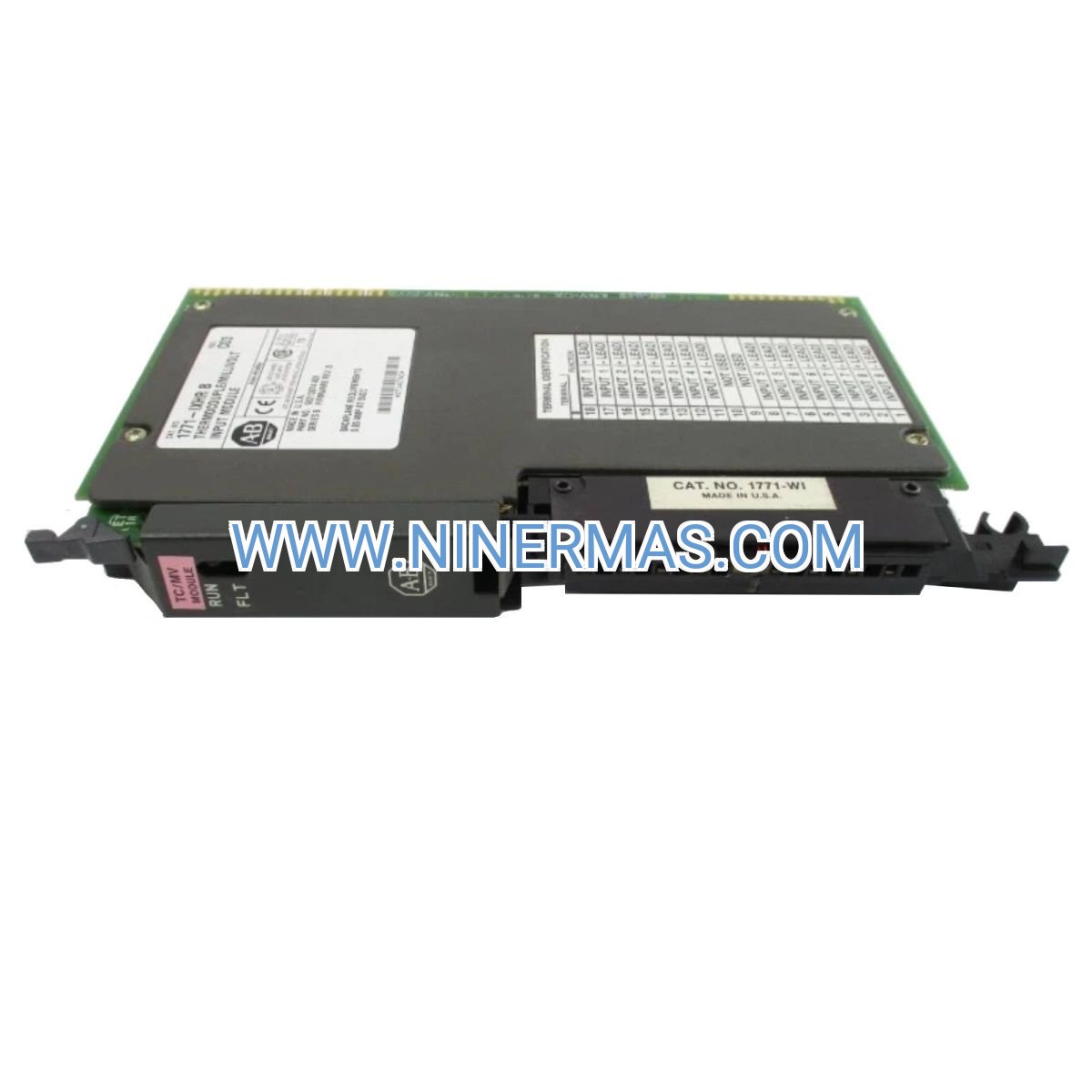
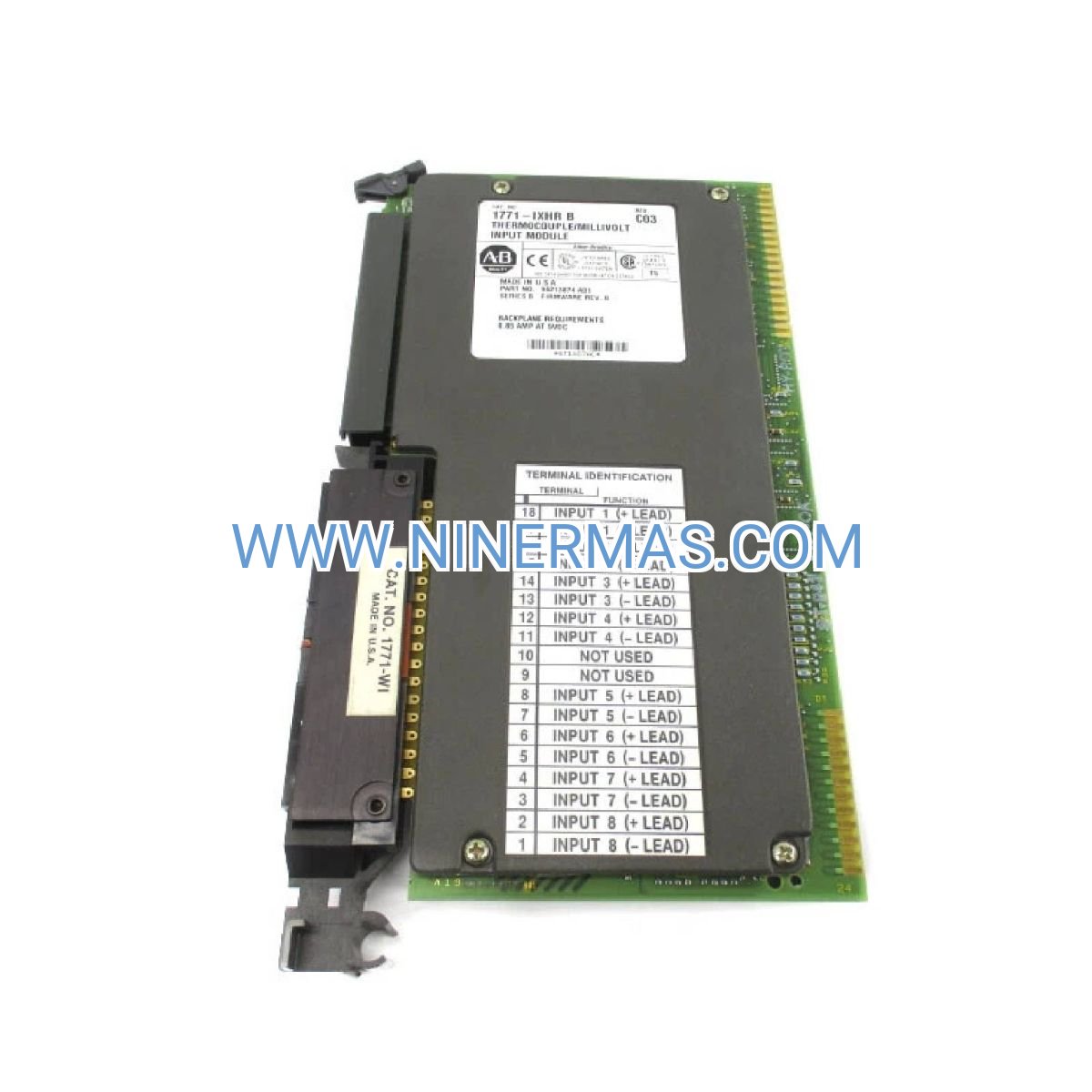
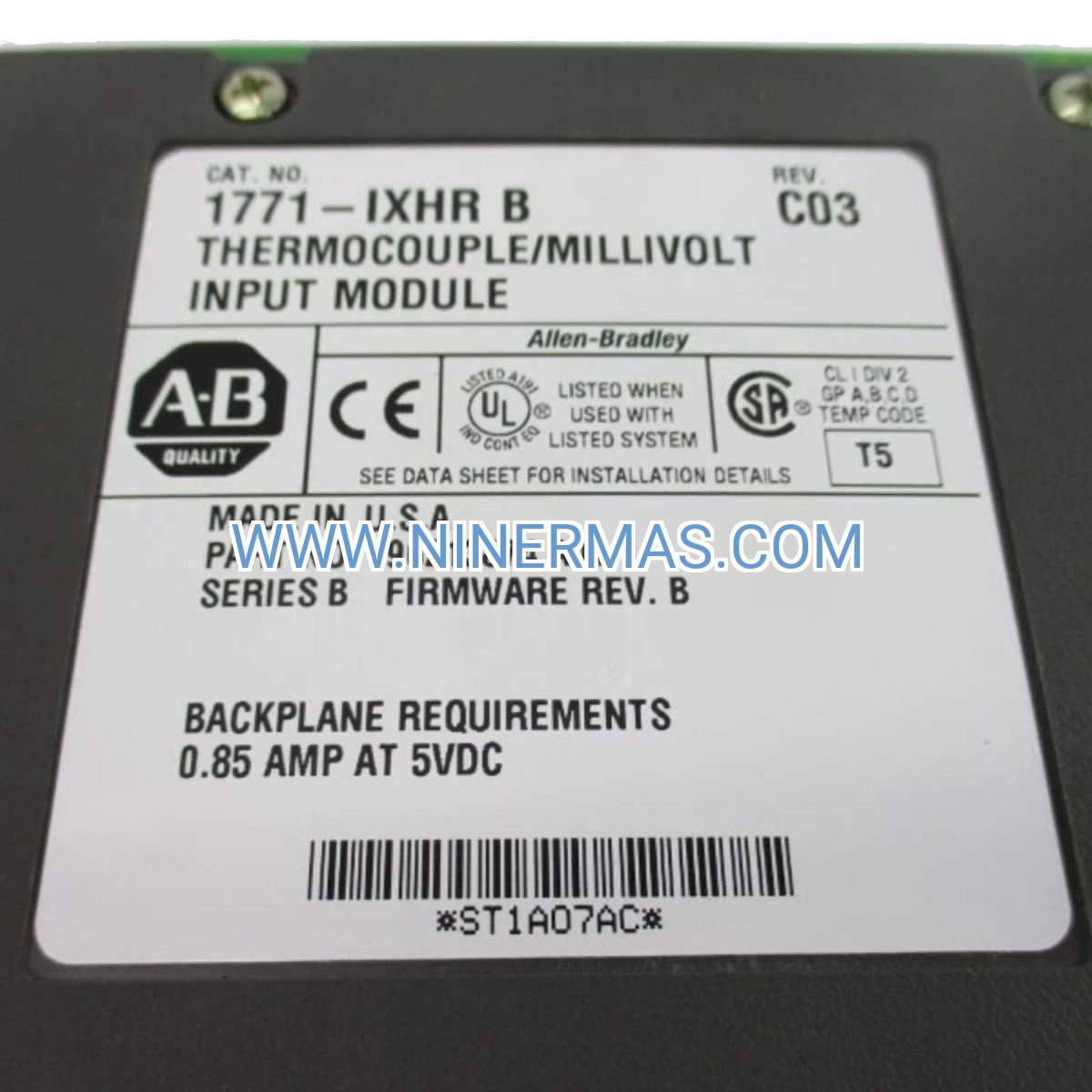
1771-IXHR High-Resolution Thermocouple/mV Input Module (Industrial-Grade Precision Analog Control)
The 1771-IXHR is a high-resolution analog input module designed for PLC-5 programmable controller systems, delivering precise temperature and millivolt signal acquisition through advanced 16-bit A/D conversion technology. This module enables accurate monitoring of industrial process temperatures, thermal profiling, and low-level voltage signals with exceptional noise immunity and long-term stability.
Engineered for demanding industrial environments including chemical processing, heat treatment furnaces, power generation facilities, and precision manufacturing lines, the 1771-IXHR addresses critical challenges such as temperature measurement drift, signal interference, multi-point thermal monitoring complexity, and the need for reliable data acquisition in electrically noisy environments.
Through standardized design and flexible configuration options, this module offers superior resolution, comprehensive thermocouple type support, optical isolation protection, and seamless integration with existing PLC-5 architectures. Ideal for process engineers, system integrators, OEM equipment manufacturers, and plant maintenance teams seeking dependable temperature measurement solutions. Contact our application engineers for configuration assistance and technical specifications.
Core Features & Technical Advantages
- 16-Bit High-Resolution Conversion
Utilizes advanced sigma-delta A/D conversion technology providing 16-bit resolution across the full input range, enabling detection of temperature changes as small as 0.1°C and ensuring precise process control in critical applications. - Universal Thermocouple Compatibility
Supports eight standard thermocouple types (J, K, T, E, R, S, B, N) plus ±80mV direct millivolt input, eliminating the need for multiple module types and simplifying spare parts inventory management. - Eight Independent Input Channels
Provides simultaneous monitoring of up to eight temperature points with individual channel configuration, enabling comprehensive thermal profiling and multi-zone process control from a single module slot. - Optical Isolation Protection
Features 1500V RMS optical isolation between field inputs and backplane circuitry, protecting sensitive PLC components from ground loops, voltage transients, and electrical noise common in industrial power systems. - Automatic Cold Junction Compensation
Integrated precision cold junction compensation circuitry automatically corrects for terminal block temperature variations, maintaining measurement accuracy without external reference junctions or manual calibration. - Comprehensive Diagnostic Capabilities
Built-in open thermocouple detection, over-range indication, and module health monitoring with status LEDs and diagnostic data words, reducing troubleshooting time and preventing undetected sensor failures. - Industrial-Grade Construction
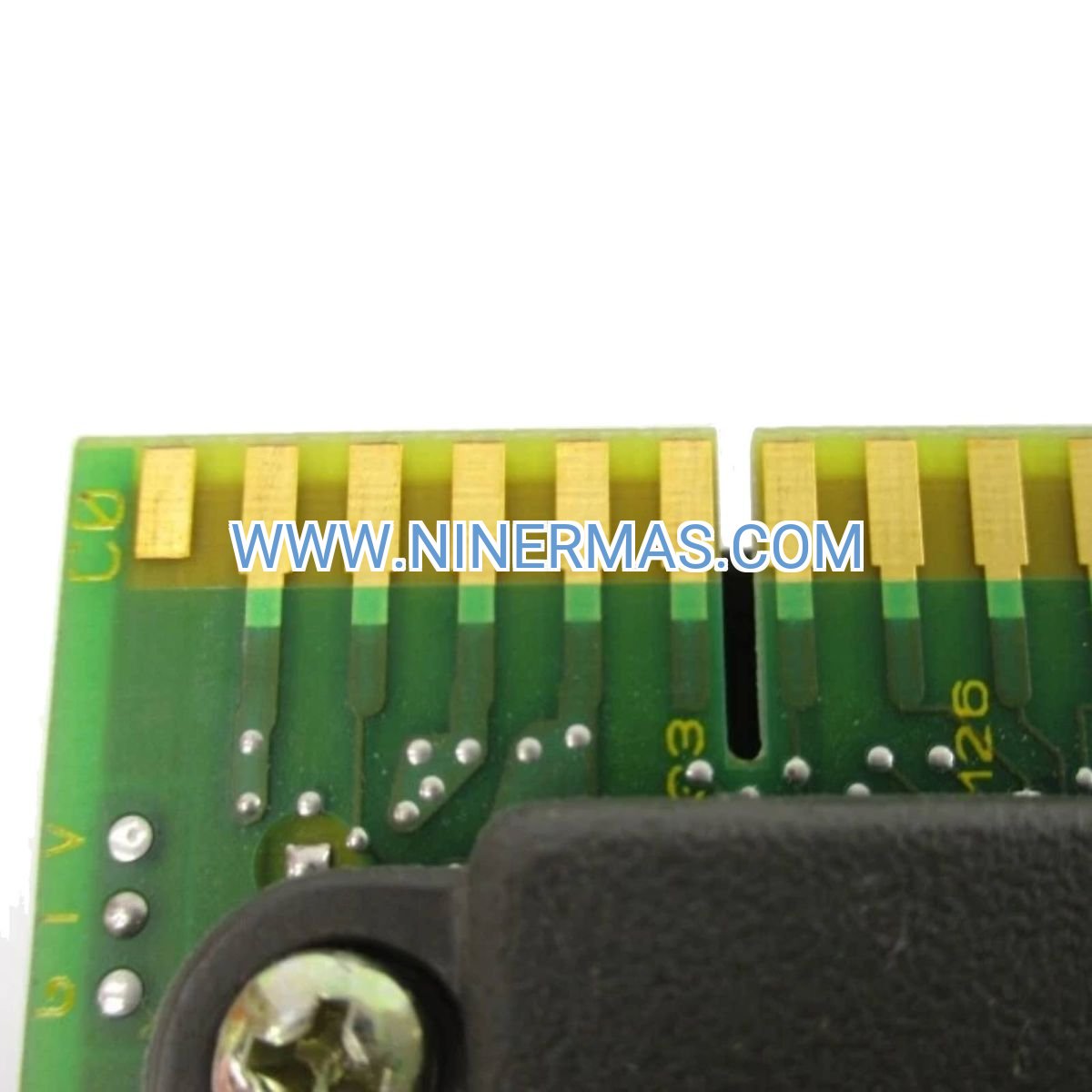
Conformal-coated circuitry and robust terminal blocks withstand harsh environments including temperature extremes (-40°C to +70°C storage), vibration, and humidity, ensuring reliable operation in demanding industrial settings.
Typical Application Scenarios
The 1771-IXHR module is specifically designed for applications requiring high-accuracy temperature measurement and low-level signal acquisition, particularly in:
- Heat Treatment & Furnace Control
Monitors multiple zone temperatures in annealing furnaces, hardening ovens, and thermal processing equipment where precise temperature profiling directly impacts product quality and metallurgical properties. - Chemical & Petrochemical Processing
Tracks reactor temperatures, distillation column profiles, and catalyst bed conditions in refineries and chemical plants where temperature control is critical for process safety, yield optimization, and product consistency. - Power Generation & Boiler Systems
Measures steam temperatures, flue gas conditions, and turbine bearing temperatures in power plants and industrial boiler systems, supporting efficiency optimization and equipment protection strategies. - Food & Pharmaceutical Manufacturing
Ensures precise temperature control in pasteurization, sterilization, fermentation, and drying processes where regulatory compliance and product safety depend on validated thermal processing parameters. - Environmental & Emissions Monitoring
Acquires temperature data from stack gas analyzers, continuous emissions monitoring systems (CEMS), and environmental chambers requiring traceable, high-accuracy temperature measurement for compliance reporting.
Technical Specifications & Selection Guide
To facilitate system design and module selection, the following specifications define the 1771-IXHR's operational parameters and compatibility requirements:
| Parameter | Specification |
|---|---|
| Input Channels | 8 differential, individually configurable |
| Resolution | 16-bit (65,536 counts full scale) |
| Thermocouple Types | J, K, T, E, R, S, B, N |
| mV Input Range | ±80 mV |
| Accuracy (Thermocouple) | ±0.15% of full scale ±1°C (typical) |
| Accuracy (mV) | ±0.05% of full scale ±40 µV |
| Cold Junction Compensation | Automatic, ±1°C accuracy |
| Isolation | 1500V RMS field-to-logic |
| Update Time | Configurable: 100ms, 200ms, 400ms per channel |
| Operating Temperature | 0°C to +60°C (32°F to 140°F) |
| Power Consumption | 4.5W typical @ 5V DC from backplane |
| Backplane Compatibility | PLC-5 1771 I/O chassis (all models) |
| Terminal Block | Removable screw terminals, 12-22 AWG |
| Dimensions | Single slot width (35mm), standard 1771 form factor |
Selection Considerations: When specifying the 1771-IXHR, evaluate maximum number of measurement points required, thermocouple types in use, required update rate for process control loops, ambient temperature conditions at installation location, and available chassis slot positions. For applications requiring faster scan rates or higher channel density, consult with application engineers regarding alternative module configurations or distributed I/O solutions.
Advanced Configuration Options
The 1771-IXHR supports flexible configuration through PLC-5 programming software, enabling customization for specific application requirements:
- Individual Channel Setup: Configure each input independently for specific thermocouple type or mV range, allowing mixed sensor types on a single module
- Filtering & Averaging: Selectable digital filtering algorithms reduce noise in electrically harsh environments while maintaining acceptable response time
- Alarm Thresholds: Programmable high/low alarm limits with hysteresis for each channel, enabling immediate fault detection and process intervention
- Engineering Unit Scaling: Automatic conversion to temperature units (°C, °F, K) or custom engineering units within PLC program logic
- Diagnostic Data Access: Real-time access to module status, channel health, and calibration data through dedicated diagnostic data table addresses
Delivery, Service & Quality Assurance
Standard catalog modules ship from stock within 1-3 business days; custom-configured or tested assemblies typically require 5-10 business days lead time. All modules include a minimum 12-month warranty covering manufacturing defects and workmanship. Technical support includes remote configuration assistance, troubleshooting guidance, and access to application notes (geographic service availability may vary).
Each module ships with complete documentation package including: installation instructions, wiring diagrams, thermocouple connection reference charts, configuration worksheet templates, and integration guidelines for PLC-5 programming software. Modules undergo factory testing and calibration verification prior to shipment, with test certificates available upon request for critical applications.
Frequently Asked Questions (FAQ)
Q: How does the 1771-IXHR high-resolution thermocouple input module integrate with existing PLC-5 control systems?
A: The module installs in any available slot of a 1771 I/O chassis connected to your PLC-5 processor. Configuration is performed through standard PLC-5 programming software (RSLogix 5 or AI Series software) using simple configuration screens. The module appears as standard input image table data, requiring no special function blocks or complex programming.
Q: Can a single 1771-IXHR module monitor different thermocouple types simultaneously?
A: Yes, each of the eight input channels can be independently configured for any supported thermocouple type (J, K, T, E, R, S, B, N) or direct mV input. This flexibility allows monitoring of diverse temperature measurement points using different sensor types from a single module, reducing hardware costs and chassis space requirements.
Q: What level of temperature measurement accuracy can be achieved with the 1771-IXHR module?
A: The module provides ±0.15% of full-scale accuracy ±1°C for thermocouple inputs under typical operating conditions. Actual system accuracy depends on thermocouple quality, wire routing practices, connection integrity, and ambient temperature stability. For critical applications requiring traceable calibration, factory calibration certificates and periodic recalibration services are available.
Q: What environmental protection does the 1771-IXHR offer for industrial installations?
A: The module features conformal coating on all circuit boards for moisture and contaminant resistance, operates reliably in 0-60°C ambient temperatures, and includes 1500V RMS optical isolation to protect against ground potential differences and electrical noise. When installed in appropriate NEMA-rated enclosures, the module is suitable for most industrial environments excluding explosive atmospheres (which require intrinsically safe barriers).
Q: Does the 1771-IXHR support remote monitoring and data collection for Industry 4.0 applications?
A: Temperature data acquired by the module is available through the PLC-5 processor's communication interfaces (DH+, ControlNet, Ethernet/IP via communication adapters). This enables integration with SCADA systems, historian databases, and cloud-based analytics platforms. The module itself does not have direct network connectivity but leverages the PLC-5 system's existing communication infrastructure.
Q: What is the recommended wire type and installation practice for thermocouple connections?
A: Use thermocouple extension wire matching the sensor type, maintaining proper polarity throughout the signal path. Route thermocouple wiring separately from AC power cables and variable frequency drive circuits to minimize electromagnetic interference. Shield grounding should follow single-point grounding practices, typically at the module terminal block. Detailed wiring guidelines are provided in the installation documentation.
Contact for Technical Support & Custom Solutions
For detailed application engineering support, custom configuration assistance, or technical specifications tailored to your specific process requirements, please provide the following information: project name and industry sector, application description and temperature range requirements, number of measurement points and thermocouple types, existing PLC-5 system configuration (processor model and chassis type), environmental conditions and installation constraints. Our application engineers will provide personalized recommendations and technical documentation within one business day.
© 2026 NINERMAS COMPANY LIMITED. All rights reserved.
Original Source: https://ninermas.com
Contact: sale@ninermas.com | +0086 187 5021 5667

Contact Info
-
Address:22 / F, South Wo Hang building, 148 Wing Lok Street, Sheung Wan, Western District, Hong Kong
-
Phone:+8618750215667
-
Email: