


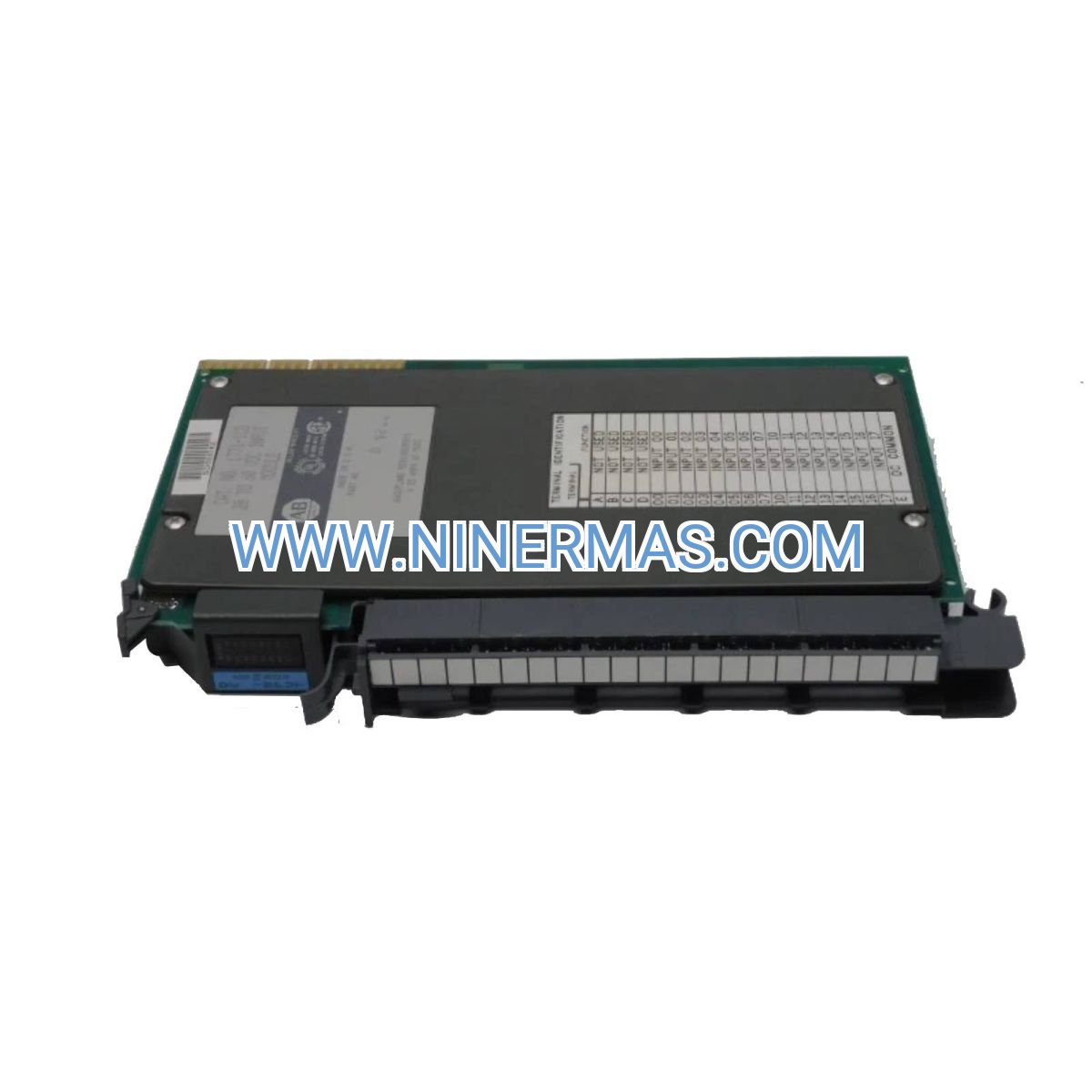
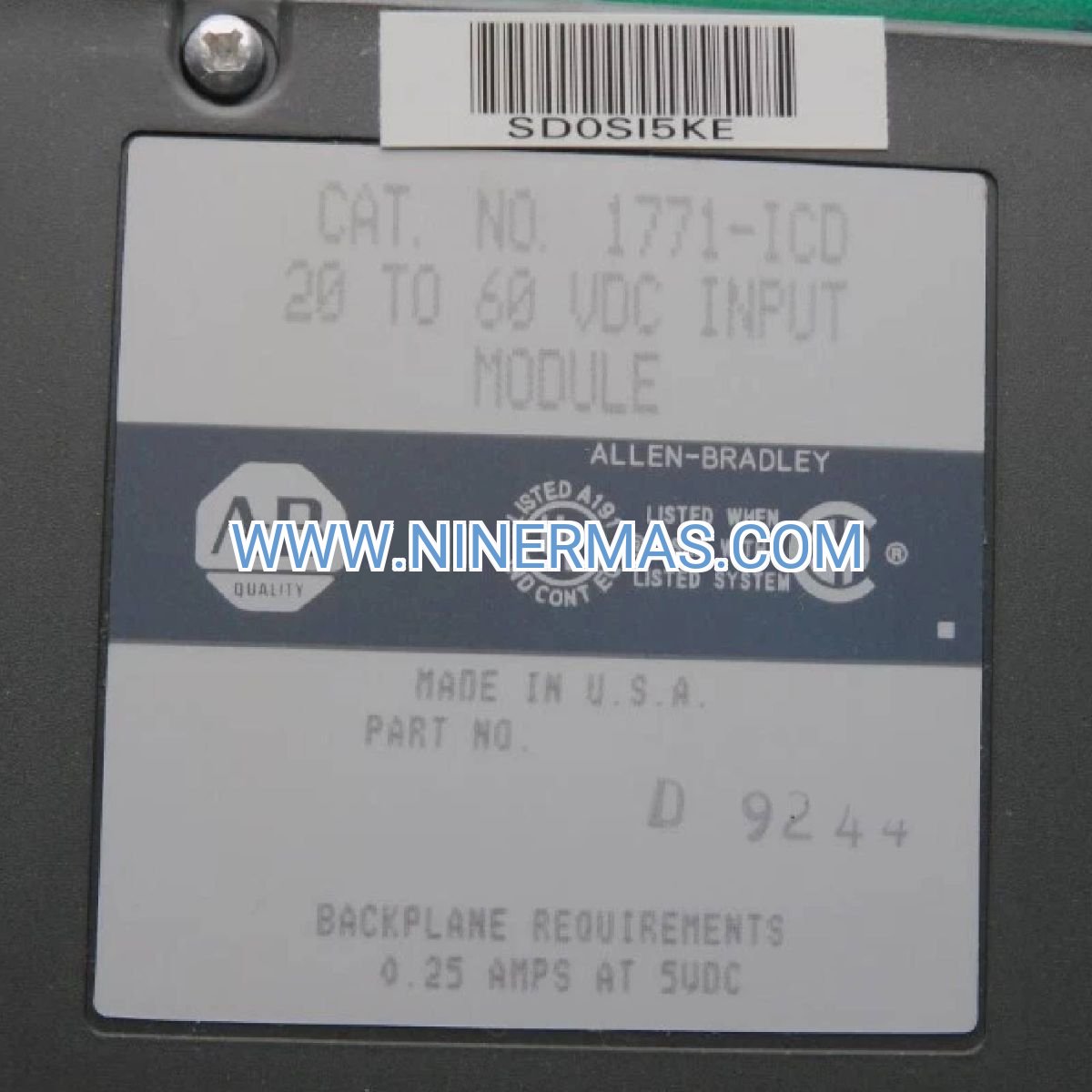
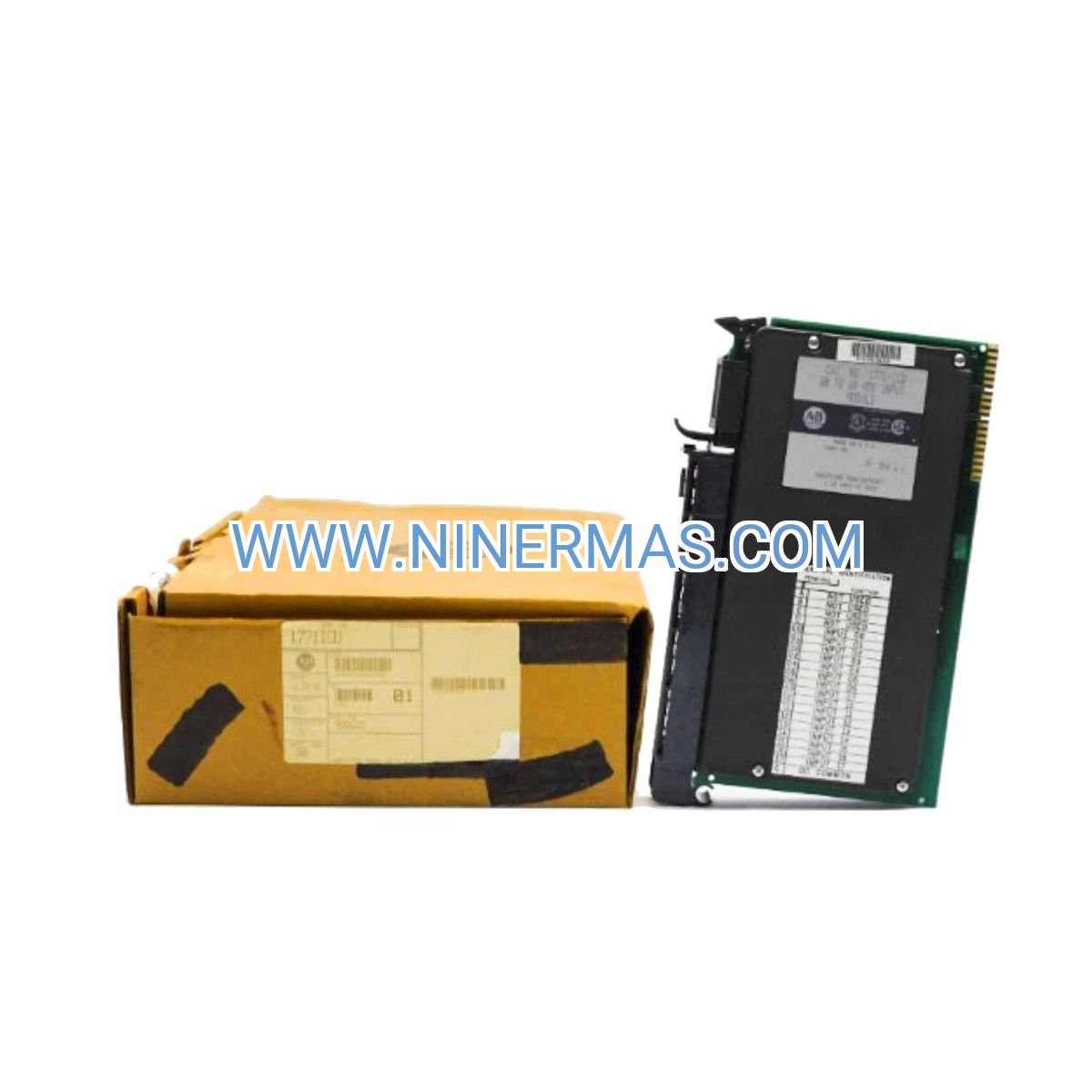
Allen-Bradley 1771-ICD Isolated DC Input Module | 16-Point PLC-5/SLC 500 Control Card
Description
Allen-Bradley 1771-ICD Isolated DC Input Module (Industrial-Grade PLC Control Solution)
The Allen-Bradley 1771-ICD is a high-performance 16-point isolated DC input module designed for demanding industrial automation environments. Engineered for seamless integration with PLC-5 and SLC 500 control systems, this module delivers reliable signal acquisition through advanced optical isolation technology (1500V isolation per point), ensuring superior noise immunity and protecting sensitive control circuits from electrical interference, ground loops, and voltage transients.
Specifically developed for process control, factory automation, and hazardous area monitoring applications, the 1771-ICD addresses critical challenges including signal integrity degradation, cross-channel interference, and system vulnerability to electrical noise. Its robust isolation architecture makes it indispensable for applications requiring galvanic separation between field devices and control logic processors.
Through field-proven design and industrial-grade construction, this input card provides exceptional reliability, diagnostic transparency, and installation flexibility. Ideal for system integrators, OEM machine builders, plant maintenance teams, and control panel manufacturers seeking dependable I/O solutions. Contact our automation specialists for application-specific configuration guidance and technical documentation.
Core Features & Technical Advantages
- 1500V Optical Isolation Per Point
Each input channel features independent optical isolation, eliminating ground loop issues and protecting PLC backplane from field-side voltage spikes, surges, and EMI/RFI interference common in industrial environments. - Wide Input Voltage Range (10-30V DC)
Accommodates standard 24V DC industrial sensors while providing tolerance for voltage fluctuations, ensuring consistent operation across diverse field device specifications and power supply variations. - 16-Point High-Density Configuration
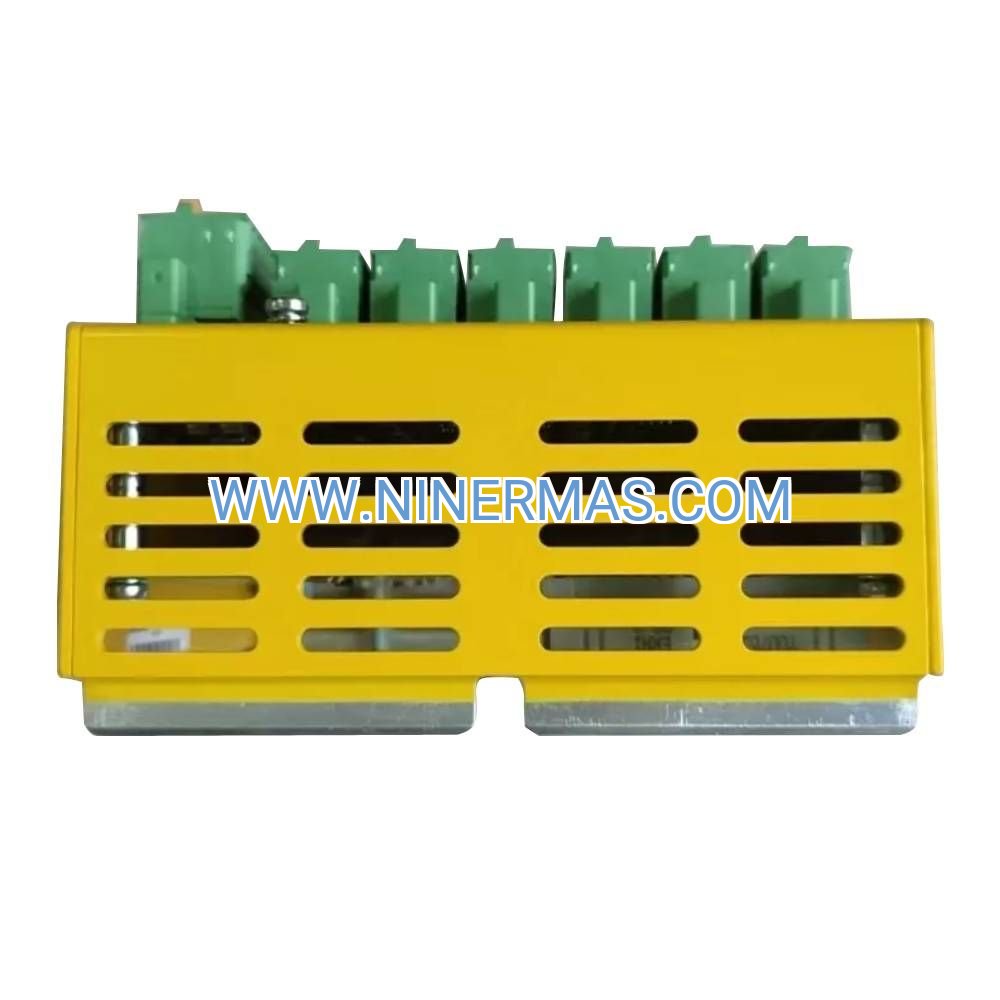
Maximizes I/O density within limited chassis space, reducing overall system footprint and installation costs while maintaining individual channel diagnostics and status indication. - Individual Channel LED Diagnostics
Real-time visual feedback for each input point accelerates troubleshooting, reduces downtime, and simplifies commissioning by providing instant confirmation of signal status without requiring diagnostic software. - Removable Terminal Block Design
Facilitates rapid module replacement during maintenance without rewiring, minimizing mean-time-to-repair (MTTR) and supporting hot-swap capabilities in redundant system architectures. - Comprehensive Input Protection
Built-in reverse polarity protection, overvoltage suppression, and transient filtering safeguard module electronics from wiring errors and electrical disturbances, extending operational lifespan in harsh industrial settings.
Typical Application Scenarios
The 1771-ICD module excels in environments demanding high signal integrity, electrical isolation, and diagnostic visibility:
- Process Control & Chemical Manufacturing
Monitors limit switches, proximity sensors, and safety interlocks in hazardous area classifications (when properly installed per NEC/IEC standards), where isolation prevents fault propagation between intrinsically safe circuits and control systems. - Water & Wastewater Treatment Facilities
Interfaces with level sensors, flow switches, and pump status contacts across electrically noisy pump stations and remote lift stations, where ground potential differences can corrupt non-isolated input signals. - Automotive & Discrete Manufacturing
Connects to photoelectric sensors, inductive proximity switches, and machine safety devices on assembly lines, where high-speed switching and EMI from VFDs require robust input isolation for reliable operation. - Power Generation & Distribution
Acquires status signals from circuit breakers, transformer monitors, and protective relay contacts in substations, where isolation is critical for personnel safety and equipment protection against high-voltage transients. - Building Automation & HVAC Systems
Integrates with occupancy sensors, damper position switches, and equipment status indicators across multi-building campuses, where long cable runs and diverse grounding systems necessitate isolated input architecture.
Technical Specifications & Selection Guide
To ensure optimal performance and compatibility, review the following technical parameters:
| Parameter | Specification |
|---|---|
| Input Points | 16 isolated DC inputs |
| Input Voltage Range | 10-30V DC (24V DC nominal) |
| Isolation Voltage | 1500V AC continuous (channel-to-backplane) |
| Input Current (ON state) | Typically 7-10 mA @ 24V DC |
| Input Impedance | Approximately 3.3 kΩ |
| ON-State Voltage Threshold | ≥10V DC |
| OFF-State Voltage Threshold | ≤5V DC |
| Response Time | ON: 9 ms max | OFF: 13 ms max |
| Compatible Chassis | 1771 I/O chassis (PLC-5 & SLC 500 systems) |
| Backplane Current Draw | 150 mA @ 5V DC (typical) |
| Operating Temperature | 0°C to 60°C (32°F to 140°F) |
| Storage Temperature | -40°C to 85°C (-40°F to 185°F) |
| Relative Humidity | 5% to 95% non-condensing |
| Wiring Configuration | Removable screw terminal block |
| Agency Certifications | UL Listed, CE marked, RoHS compliant |
Selection Considerations
When specifying the 1771-ICD for your application, evaluate the following criteria:
- Isolation Requirements: Confirm whether 1500V isolation meets your application's electrical separation needs, particularly in hazardous locations or high-voltage proximity installations.
- Input Device Compatibility: Verify field device output specifications (voltage, current sourcing/sinking) align with module input characteristics.
- Chassis Slot Availability: Ensure adequate 1771 chassis slots and backplane power budget (150 mA @ 5V DC per module).
- Response Time Constraints: Assess whether 9-13 ms input filtering meets your process timing requirements; faster response may require alternate module selection.
- Environmental Conditions: Confirm operating temperature range and humidity specifications match installation environment (control room vs. field-mounted enclosure).
For custom configurations, multi-module systems, or application-specific guidance, provide your project parameters (I/O count, chassis type, environmental conditions, certification requirements) to our engineering team for tailored recommendations.
Extended Capabilities & System Integration
- Redundant System Compatibility: Supports implementation in redundant PLC-5 architectures when paired with appropriate chassis and controller configurations.
- Distributed I/O Networks: Can be deployed in remote I/O racks via 1771-ASB (RIO) or 1747-ASB (DH-485) adapter modules for distributed control topologies.
- Legacy System Modernization: Provides drop-in replacement capability for aging input modules, enabling incremental system upgrades without complete PLC replacement.
- Third-Party Device Integration: Compatible with industry-standard 2-wire and 3-wire DC sensors from multiple manufacturers (Turck, IFM, Omron, Sick, etc.).
Delivery, Documentation & Technical Support
Lead Time: Standard catalog items typically ship within 3-5 business days from stock; custom-configured modules or bulk orders may require 7-14 days (contact for expedited options).
Warranty Coverage: All modules include a minimum 12-month manufacturer's warranty covering defects in materials and workmanship under normal operating conditions.
Technical Documentation Package: Each module ships with or provides access to:
- Installation Instructions (wiring diagrams, terminal assignments, DIP switch settings)
- User Manual (specifications, troubleshooting procedures, LED diagnostic codes)
- Dimensional Drawings (mechanical footprint, clearance requirements)
- Compliance Certificates (UL, CE, RoHS declarations)
Engineering Support: Our technical team provides remote consultation for module configuration, system integration troubleshooting, and replacement part identification. On-site commissioning assistance available for qualifying projects (subject to location and scope).
Frequently Asked Questions (FAQ)
Q: How does the 1771-ICD isolated DC input module integrate with existing PLC-5 or SLC 500 systems?
A: The module installs directly into any available slot within a 1771 I/O chassis. Simply insert the module into the chassis backplane, secure the retaining clip, connect field wiring to the removable terminal block, and configure the input image table in your PLC programming software (RSLogix 5 or RSLogix 500). No special interface cards or adapters required—the module auto-detects and communicates via the 1771 backplane protocol.
Q: What is the maximum number of 1771-ICD modules supported in a single chassis?
A: Chassis capacity depends on the specific 1771 chassis model and available backplane power. Each 1771-ICD draws approximately 150 mA @ 5V DC. For example, a 1771-A4B (4-slot chassis) with 1.5A power supply can theoretically support up to 4 modules if no other high-current modules are installed. Always calculate total backplane current draw and verify against chassis power supply specifications to prevent overload conditions.
Q: What level of energy savings or efficiency improvement can isolation provide?
A: While the 1771-ICD itself does not directly reduce energy consumption, its isolation architecture prevents costly downtime caused by electrical faults, ground loops, and noise-induced logic errors—indirectly improving overall system efficiency. By eliminating nuisance trips and false alarms, the module helps maintain continuous process operation, reducing energy waste from unplanned shutdowns and restart cycles. Quantifiable savings depend on application-specific downtime costs and fault frequency.
Q: What are the environmental and enclosure requirements for installing the 1771-ICD?
A: The module is rated for operation in 0°C to 60°C ambient temperature with 5-95% relative humidity (non-condensing). It must be installed within a NEMA-rated enclosure appropriate for the installation environment (NEMA 12 for indoor industrial, NEMA 4/4X for washdown or outdoor applications). Ensure adequate ventilation to prevent heat buildup within the enclosure, and maintain minimum clearances per NEC Article 110 for electrical equipment spacing.
Q: Does the 1771-ICD support remote monitoring and data acquisition protocols?
A: The module itself operates as a standard 1771 I/O device without native Ethernet or fieldbus connectivity. However, when installed in a PLC-5 or SLC 500 system equipped with communication modules (e.g., 1771-KG for DH+, 1747-KE for Ethernet/IP via SLC), input data can be accessed remotely through SCADA systems, HMI platforms, or OPC servers. For modern IIoT integration, consider pairing with protocol gateways (Modbus TCP, MQTT) to bridge legacy I/O data to cloud-based analytics platforms.
Q: Can the 1771-ICD be used in hazardous location (Class I Div 2) installations?
A: When installed within a properly rated and sealed enclosure meeting NEC Article 501 (Class I Division 2) or IEC 60079-15 (Type 'n' protection) requirements, the module can be deployed in hazardous locations. The 1500V isolation provides additional safety margin for intrinsically safe circuit separation. Always consult with a certified electrical engineer and local AHJ (Authority Having Jurisdiction) to ensure compliance with applicable codes and standards for your specific installation.
Request Technical Consultation & Quotation
To receive detailed application engineering support, custom configuration recommendations, or project-specific pricing, please provide the following information:
- Project name and application overview (industry, process type)
- Total I/O requirements (digital inputs, outputs, analog channels)
- Existing PLC platform (PLC-5 model, SLC 500 series, chassis type)
- Field device specifications (sensor types, voltage levels, quantity)
- Environmental conditions (temperature range, enclosure type, hazardous area classification)
- Delivery timeline and quantity requirements
Our automation specialists will respond within 24 hours with tailored recommendations, technical documentation, and competitive quotations.
© 2026 NINERMAS COMPANY LIMITED. All rights reserved.
Original Source: https://ninermas.com
Contact: sale@ninermas.com | +0086 187 5021 5667

Contact Info
-
Address:22 / F, South Wo Hang building, 148 Wing Lok Street, Sheung Wan, Western District, Hong Kong
-
Phone:+8618750215667
-
Email:
