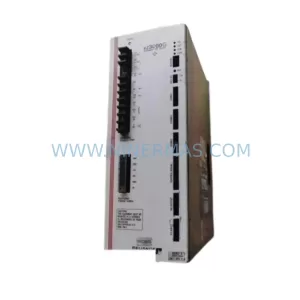
Original Industrial Spare Part
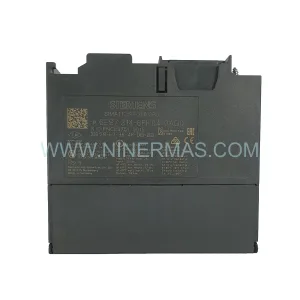
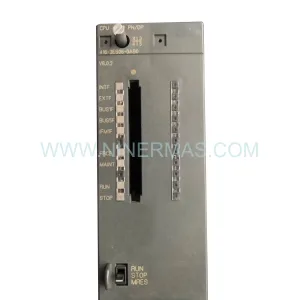
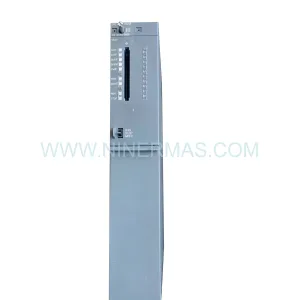
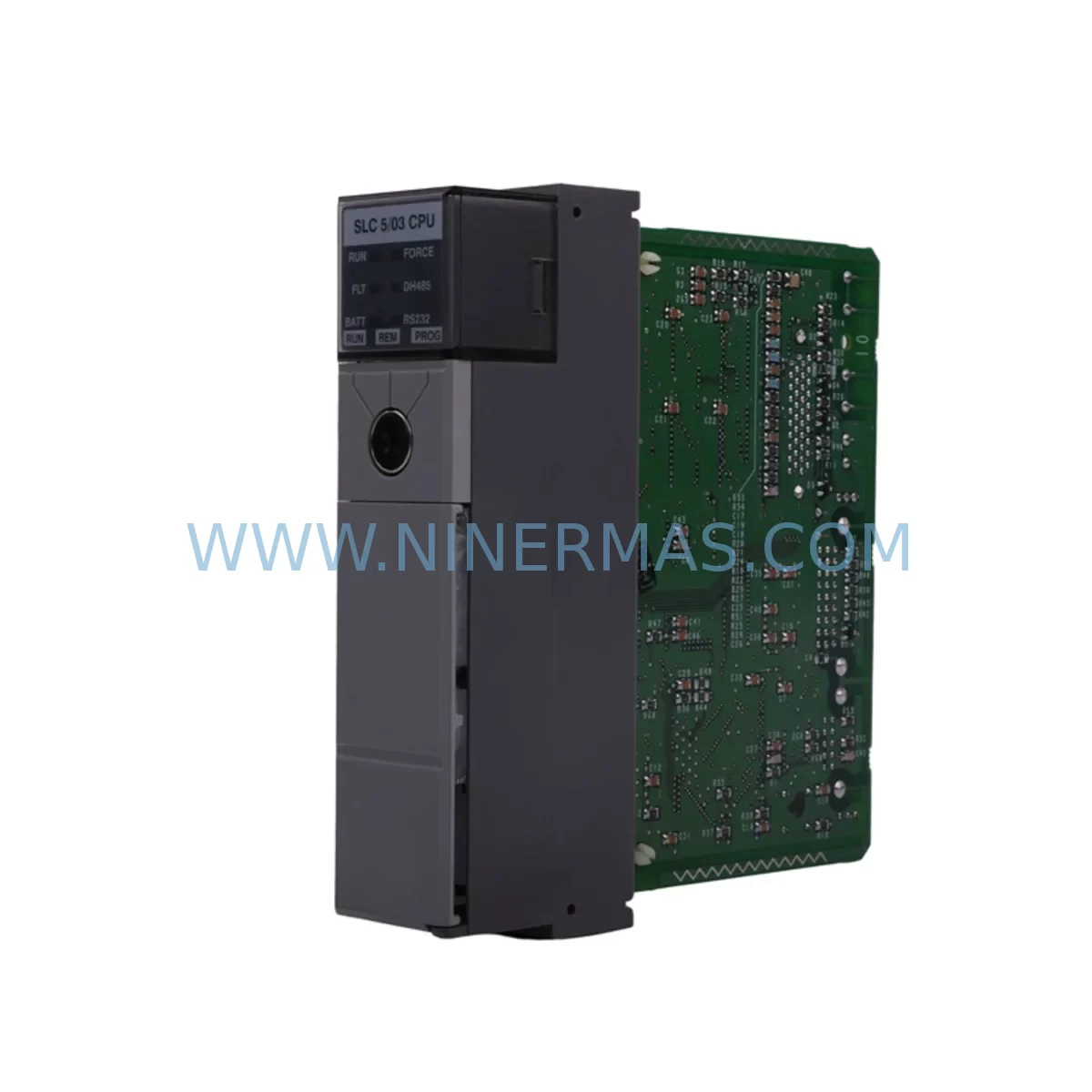
Allen-Bradley 1747-L543P Retrofit-Compatible CPU for Legacy Systems
Verify the part, confirm the platform family, and move straight into quotation with the right commercial details.
RFQ Ready
- SKU1747-L543P
- CategoryPLC & Industrial Automation Modules
- BrandAllen-Bradley
- SupportAvailability, lead time, condition, and shipping coordination
How Buyers Usually Use This Page
- Confirm the exact part number and platform family before sending the quote request.
- Use direct email when quantity, condition, and destination are already defined internally.
- Switch to the broader brand or category archive when you need alternates nearby.
Series Navigation
Move through the most common platform families behind this part.
Product RFQ
Send this part directly for quotation.
Include quantity, required condition, destination country, and target delivery timing. Current reference: Allen-Bradley 1747-L543P Retrofit-Compatible CPU for Legacy Systems with SKU 1747-L543P.
Allen-Bradley 1747-L543P Retrofit-Compatible CPU for Legacy Systems
The Allen-Bradley 1747-L543P is a SLC 5/04 series programmable logic controller CPU module designed for high-performance industrial automation environments. As production lines age and original equipment manufacturers discontinue support for legacy control platforms, the 1747-L543P has become one of the most sought-after retrofit and replacement components in the North American and global industrial automation market. Whether you are managing a food processing line, an automotive assembly cell, a water treatment facility, or a discrete manufacturing operation, this CPU module provides a reliable, cost-effective path to extend the operational life of your existing SLC 500 control architecture without requiring a full system overhaul.
The 1747-L543P operates within the SLC 500 modular chassis family, supporting the 1746 series I/O modules that many facilities have standardized on for decades. Its 64K user memory capacity, DH+ and RS-232 communication ports, and compatibility with RSLogix 500 programming software make it a direct functional replacement for aging or failed SLC 5/04 processors. For engineers managing retrofit projects, this means existing ladder logic programs, HMI screen configurations, and field wiring can often be preserved with minimal modification, dramatically reducing engineering hours and commissioning risk.
When planning a retrofit around the 1747-L543P, the first step is to audit the existing chassis configuration. The SLC 500 modular chassis — available in 4-slot, 7-slot, 10-slot, and 13-slot variants such as the 1746-A4, 1746-A7, 1746-A10, and 1746-A13 — must be inspected for backplane integrity and slot availability. The 1747-L543P occupies slot 0 of the chassis and communicates with all installed I/O modules through the backplane bus. If the existing chassis shows signs of corrosion, damaged connectors, or intermittent backplane faults, replacement of the chassis itself should be considered alongside the CPU swap to avoid recurring faults after commissioning.
Power supply compatibility is a critical checkpoint. The 1747-L543P requires a properly rated SLC 500 power supply module, such as the 1746-P1, 1746-P2, or 1746-P4, depending on the total current draw of the installed I/O modules. Before installing the replacement CPU, engineers should calculate the total backplane current load from all installed modules — including analog input modules like the 1746-NI4, digital output modules like the 1746-OB16, and any specialty modules such as the 1746-HSCE high-speed counter — and verify that the existing power supply can support the load. Undersized power supplies are a common cause of intermittent processor faults and should be replaced proactively during any CPU retrofit.
Communication link verification is equally important. The 1747-L543P supports DH+ networking through its built-in channel 1 port, enabling peer-to-peer messaging with other SLC 500 processors, PanelView HMI terminals, and legacy SCADA systems. If the facility uses a 1784-KTX or 1784-PKTX DH+ interface card in the programming workstation, the existing network topology and node addresses must be documented before the CPU is swapped. After installation, the replacement processor must be assigned the same DH+ node address as the original unit to avoid disrupting HMI communications and data table mappings. For facilities migrating from RS-232 DF1 point-to-point links to DH+ or Ethernet/IP, the 1747-L543P’s channel 0 RS-232 port can be configured for DF1 full-duplex or DF1 half-duplex protocols, providing flexibility during phased communication upgrades.
Program backup and restoration is a non-negotiable step in any SLC 5/04 retrofit. Before removing the original 1747-L543P or its predecessor, the existing program must be uploaded from the processor using RSLogix 500 and saved to a secure location. If the original processor has already failed and the program cannot be retrieved from the unit, the backup copy stored in the facility’s document management system or on the programming workstation must be used. Engineers should verify that the program file version is compatible with the firmware revision of the replacement 1747-L543P, as minor firmware differences can occasionally affect instruction execution or communication driver behavior. A full offline simulation in RSLogix 500 is recommended before the replacement unit is placed online.
HMI screen compatibility should be confirmed with the facility’s automation team. PanelView terminals communicating over DH+ — such as the 2711-T10C8 or 2711-K10C8 — reference specific data table addresses in the SLC 500 program. As long as the replacement 1747-L543P is loaded with the same program and assigned the same DH+ node address, HMI screens should function without modification. However, if the retrofit is being combined with an HMI upgrade to a PanelView Plus or PanelView 800 series terminal, the communication driver and tag database will need to be reconfigured to match the new terminal’s Ethernet/IP or DH+ driver requirements.
Installation space and mounting requirements for the 1747-L543P are identical to all SLC 5/04 CPU modules, making physical installation straightforward. The module slides into slot 0 of the existing chassis and is secured with the standard SLC 500 module latch. No additional mounting hardware or panel modifications are required. Enclosure thermal management should be reviewed, particularly in high-ambient-temperature environments, to ensure adequate airflow around the chassis and power supply.
Field commissioning after installation should follow a structured sequence: power-on self-test verification, program download confirmation, I/O force testing on critical outputs, communication link verification with all connected HMI and SCADA nodes, and a supervised production run under operator observation. Documenting the commissioning results and updating the facility’s as-built drawings and spare parts inventory completes the retrofit process and supports future maintenance planning.
NINERMAS maintains verified stock of the 1747-L543P and related SLC 500 components to support urgent retrofit and emergency replacement requirements. All units are subject to pre-shipment functional testing and are covered by a 12-month warranty against manufacturing defects and operational failure.
Upgrade Compatibility Table
| Parameter | Details |
|---|---|
| SKU / Part Number | 1747-L543P |
| Series | SLC 5/04 |
| Platform | Allen-Bradley SLC 500 |
| User Memory | 64K Words |
| Communication Ports | DH+ (Channel 1), RS-232 DF1 (Channel 0) |
| Chassis Compatibility | 1746-A4, 1746-A7, 1746-A10, 1746-A13 |
| Power Supply Compatibility | 1746-P1, 1746-P2, 1746-P4 |
| Programming Software | RSLogix 500 (all versions) |
| I/O Module Compatibility | All 1746 series I/O modules |
| HMI Compatibility | PanelView via DH+; PanelView Plus via Ethernet/IP with gateway |
| Replaces / Upgrades From | 1747-L541, 1747-L542, 1747-L543, earlier SLC 5/04 revisions |
| Installation Slot | Slot 0 (CPU slot) |
| Mounting | Standard SLC 500 module latch, no additional hardware required |
| Commissioning Requirement | Program download, I/O force test, DH+ node address assignment |
| Warranty | 12 Months |
| Stock Status | Available — pre-shipment functional testing included |
Retrofit Planning for Existing Automation Systems
A successful 1747-L543P retrofit begins with a thorough audit of the existing control cabinet. In most legacy SLC 500 installations, the CPU module shares the chassis with a mix of 1746 series I/O modules — commonly digital input modules such as the 1746-IB16, digital output modules such as the 1746-OB16E, and analog modules such as the 1746-NI8 or 1746-NO4I. These modules do not need to be replaced during a CPU swap, provided they are functioning correctly and their wiring terminations are intact. Documenting the slot assignments, module catalog numbers, and I/O addresses before beginning the retrofit is essential for restoring the program correctly after the new CPU is installed.
For facilities that have expanded their SLC 500 systems using remote I/O racks connected via the 1747-SN scanner module or 1747-ASB adapter, the remote rack configuration must be verified against the replacement CPU’s scanner table. The 1747-L543P supports remote I/O scanning natively, but the rack addresses and module group assignments must match the original configuration exactly to avoid I/O faults on startup. Similarly, if the system includes a 1747-KE or 1747-KFC15 communication interface module for serial or DeviceNet connectivity, these modules should be tested independently before the CPU retrofit to confirm they are not contributing to the original fault condition.
Signal isolation requirements should also be reviewed during retrofit planning. In older installations, signal isolators and barriers installed between field devices and SLC 500 analog input modules may have degraded over time. Replacing aging isolators alongside the CPU module reduces the risk of nuisance analog faults after commissioning and improves overall signal integrity. Programming cables such as the 1747-CP3 or a USB-to-serial adapter with the appropriate driver are required for connecting the programming workstation to the CPU’s channel 0 RS-232 port during commissioning if a DH+ interface card is not available.
Downtime Control During System Migration
Minimizing production downtime during a 1747-L543P replacement requires careful pre-planning and a disciplined commissioning sequence. The most effective approach is to prepare the replacement CPU offline before the scheduled maintenance window: download the verified program file, configure the DH+ node address using RSLogix 500, and perform a bench test of the module if test equipment is available. This preparation reduces the time the control system is offline to the physical swap and I/O verification steps only.
During the maintenance window, the existing CPU should be placed in program mode before power-down to ensure all outputs are de-energized in a controlled manner. After the replacement module is installed and powered on, the program should be confirmed present in the CPU memory — either from the module’s battery-backed RAM or via a fresh download from the programming workstation. I/O forcing should be used selectively to verify critical output circuits before returning the system to run mode, particularly for safety-related outputs such as motor starters, solenoid valves, and alarm circuits.
Maintaining a spare 1747-L543P in the facility’s critical spare parts inventory is the most effective long-term strategy for downtime control. Given the discontinuation of many SLC 5/04 components by the original manufacturer, sourcing replacement units on short notice can be challenging. NINERMAS maintains ongoing inventory of the 1747-L543P to support emergency replacement requirements, with pre-shipment testing and 12-month warranty coverage on all units shipped.
Retrofit Support FAQ
Q: Is the 1747-L543P a direct drop-in replacement for the 1747-L541 or 1747-L542?
A: Yes, the 1747-L543P is physically and electrically compatible with the same SLC 500 chassis slots as the 1747-L541 and 1747-L542. The primary difference is memory capacity — the L543P provides 64K words versus the smaller memory of earlier revisions. Existing programs written for the L541 or L542 will run on the L543P without modification in most cases, though a full program verification in RSLogix 500 is recommended before going live.
Q: What pre-shipment testing is performed on the 1747-L543P units supplied by NINERMAS?
A: All 1747-L543P units are powered on and subjected to a functional self-test sequence before shipment. Communication port functionality, memory integrity, and firmware revision are verified. Units that do not pass testing are not shipped. A 12-month warranty against operational failure is included with every unit.
Q: Can the 1747-L543P communicate with modern Ethernet/IP devices directly?
A: The 1747-L543P does not have a native Ethernet/IP port. However, Ethernet/IP connectivity can be added to the SLC 500 system using a 1761-NET-ENI or 1747-AENTR Ethernet adapter module, enabling the SLC 5/04 platform to exchange data with Ethernet/IP devices, SCADA systems, and MES platforms without replacing the CPU or reprogramming the control logic.
Q: How quickly can NINERMAS ship the 1747-L543P for an emergency replacement?
A: NINERMAS maintains verified stock of the 1747-L543P for immediate dispatch. Emergency orders are prioritized and can typically be shipped within 24 hours of order confirmation. Contact our team at sale@ninermas.com or +0086 187 5021 5667 to confirm current stock availability and lead time for your location.
| Product Series | SLC 500 |
|---|---|
| Country of Origin | US |
Catalog Continuation
More Allen-Bradley modules in the catalog.
Use the brand lane to compare nearby part numbers, platform-adjacent modules, and other inquiry-ready listings before sending your final RFQ.
Catalog Continuation
Alternative parts within PLC & Industrial Automation Modules.
Stay inside the same system family when you need substitutes, adjacent modules, or a broader shortlist for procurement review.
SKU: PCE-2 LIF-1 K15MB000 671-5532-02
Tektronix PCE-2 LIF-1 K15MB000 671-5532-02 Service-Ready Spare Part