Description
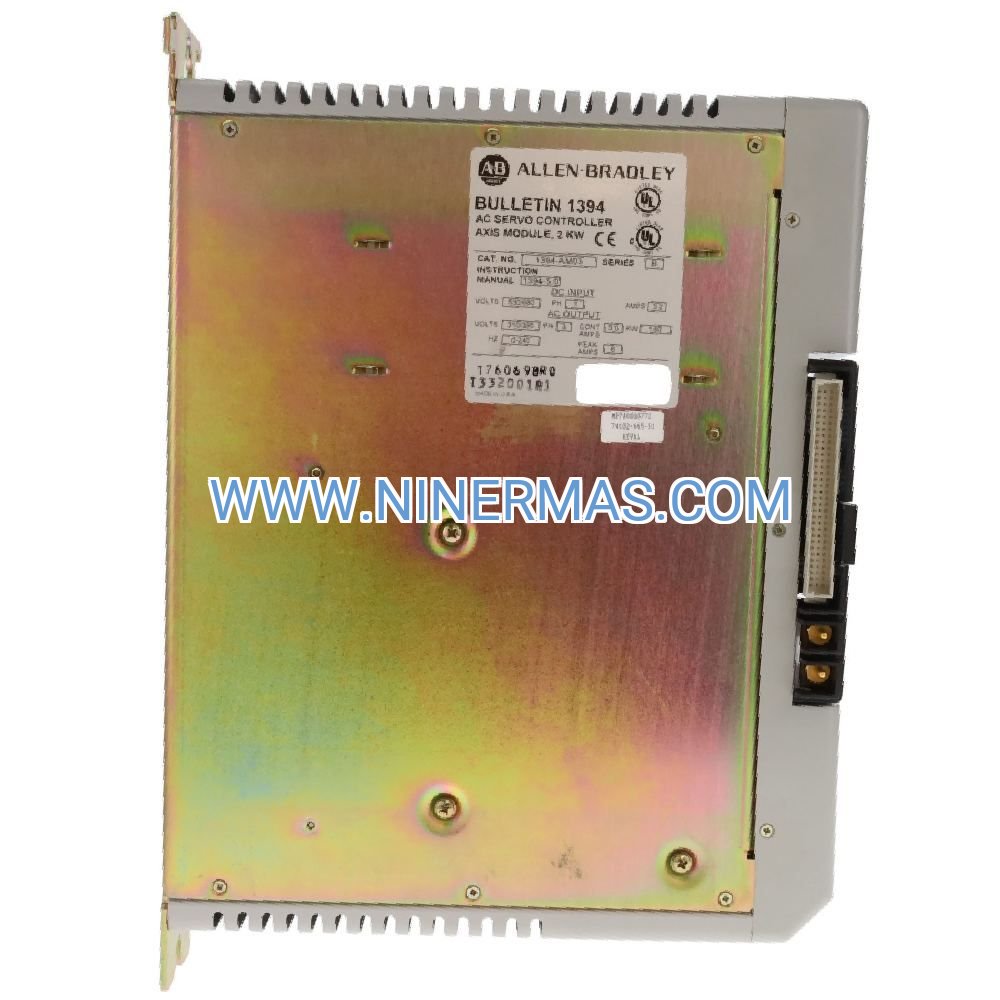
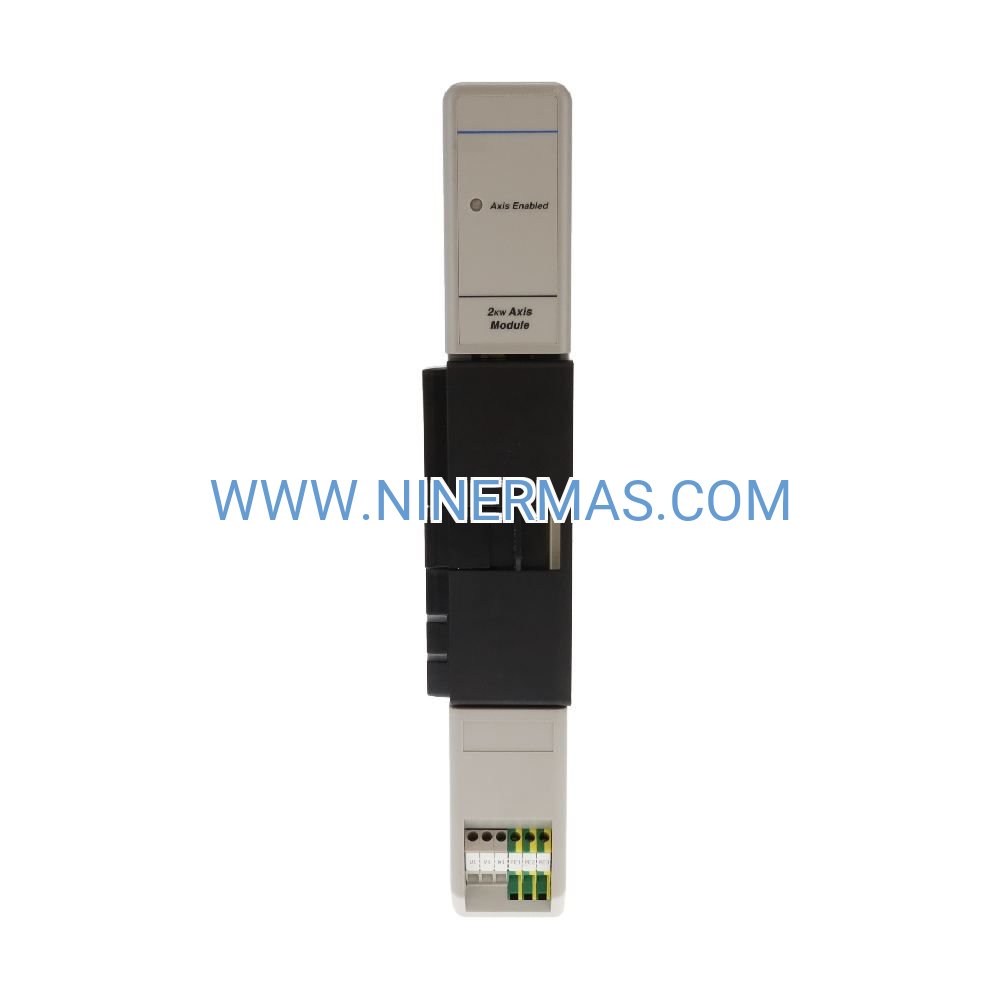
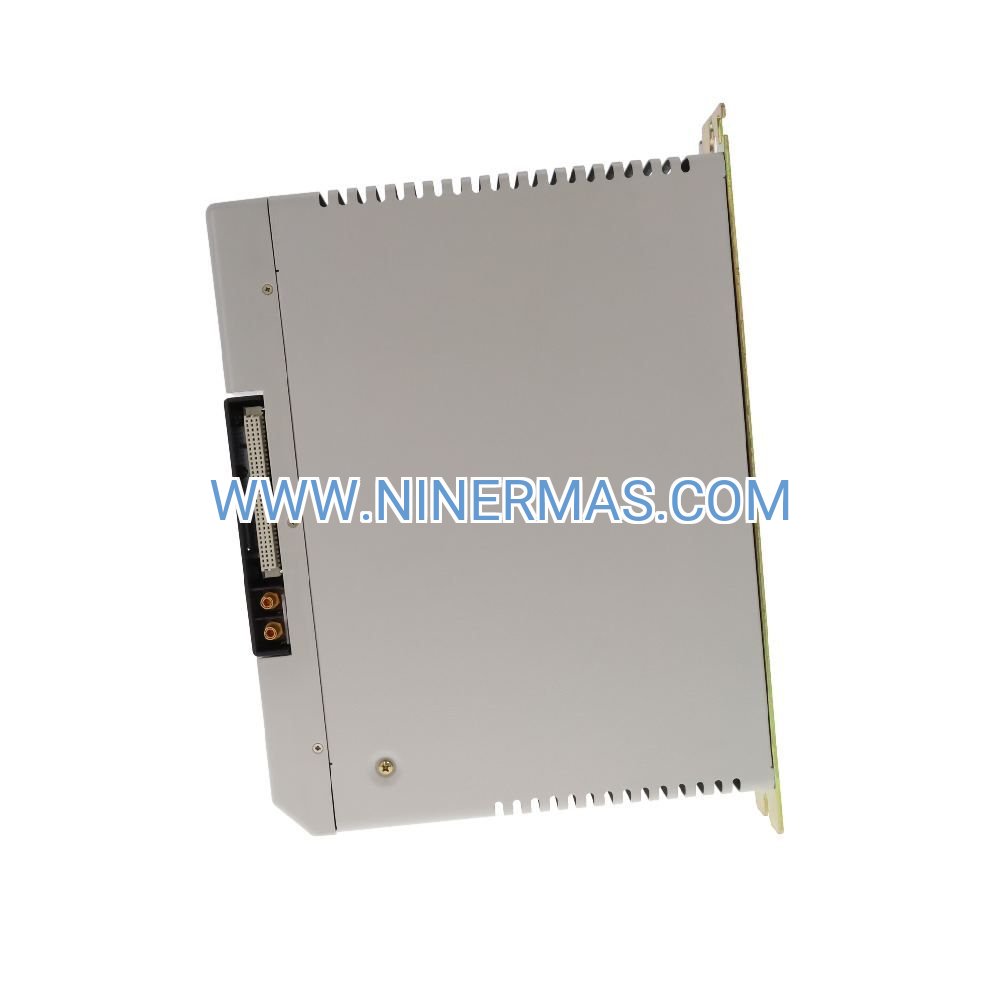
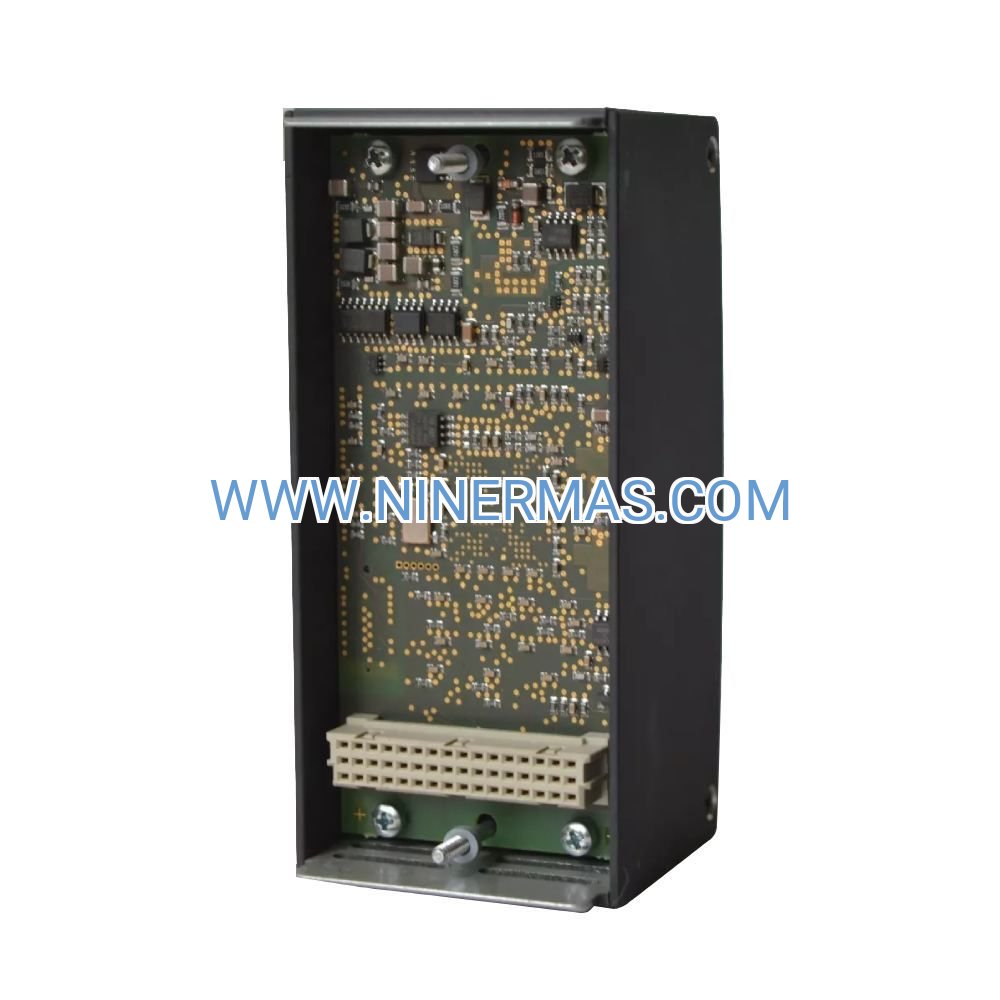
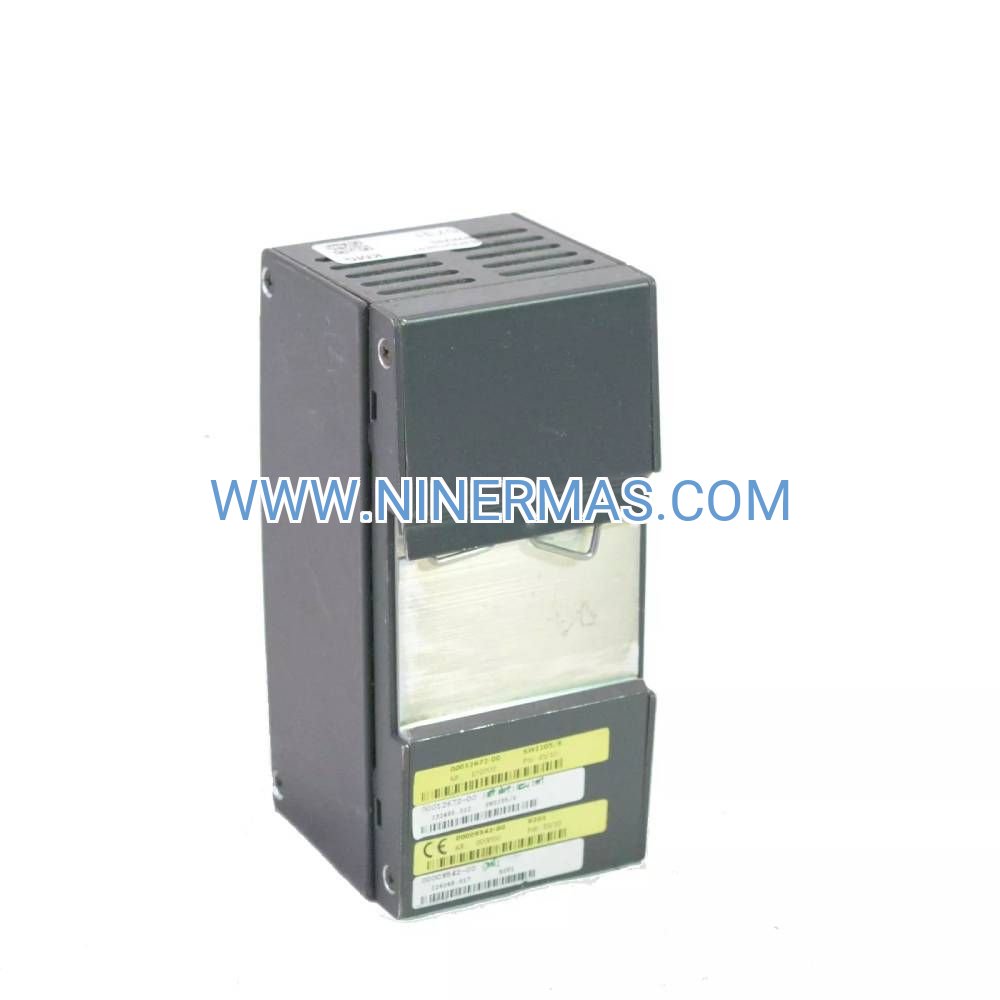
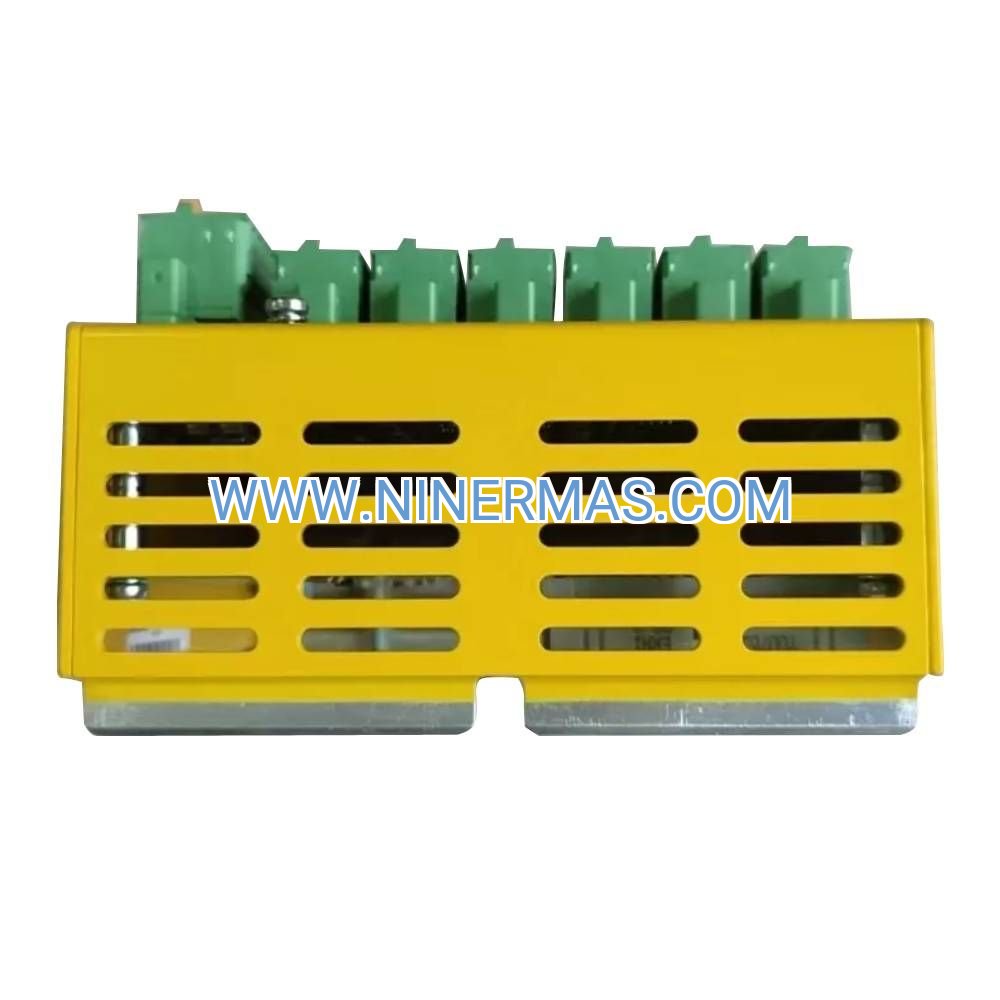
1394-AM03 Industrial Servo Axis Module (3-Ampere Motion Controller)
The 1394-AM03 represents a proven solution for industrial motion control applications requiring reliable torque and velocity regulation. This single-slot axis module integrates seamlessly into Allen-Bradley's 1394 Turbo digital servo architecture, delivering 3.0 amperes of continuous output with 200% peak overload capacity. Engineered for packaging lines, material handling systems, and precision manufacturing equipment, the AM03 combines adaptive control algorithms with robust thermal management to ensure consistent performance across demanding production environments.
Designed for OEMs and system integrators who demand predictable motion behavior, this axis controller supports incremental encoders, absolute feedback devices, and resolver inputs. Its digital PWM architecture operates at 8 kHz switching frequency, minimizing motor heating while maintaining smooth torque delivery across the entire speed range. Whether you're retrofitting legacy machinery or designing new automation cells, the 1394-AM03 provides the control precision and diagnostic depth required for modern industrial applications.
With built-in Safe Torque Off functionality and comprehensive fault logging, the AM03 simplifies compliance with machinery safety directives while reducing troubleshooting time. The module's compact single-slot footprint maximizes chassis density, allowing up to 12 axes of coordinated motion control in a single enclosure.
Key Performance Advantages
→ High-Resolution Current Regulation: 125-microsecond inner current loop delivers precise torque control with ±2% accuracy, enabling consistent tension control in web handling and accurate force regulation in assembly processes.
→ Adaptive Auto-Tuning System: Automated inertia measurement and gain optimization reduce commissioning time by up to 70%, automatically adjusting PID parameters to match mechanical load characteristics without manual iteration.
→ Extended Overload Capability: Sustains 150% rated current for 60 seconds and 200% for 3 seconds, providing the torque headroom needed for rapid acceleration in pick-and-place applications and emergency stop scenarios.
→ Multi-Mode Feedback Support: Accepts incremental encoders (differential line driver), absolute encoders (EnDat, BiSS), and resolvers without external interface modules, simplifying system architecture and reducing component count.
✓ Integrated Safety Function: Safe Torque Off (STO) input meets IEC 61508 SIL 2 / ISO 13849-1 PLd requirements, eliminating the need for external safety relays in Category 3 safety circuits.
✓ Real-Time Oscilloscope: Built-in waveform capture displays current, velocity, position, and following error at 1 kHz sample rate, accelerating system optimization and fault diagnosis without external instrumentation.
Industrial Application Scenarios
Packaging & Converting Machinery:
In high-speed form-fill-seal equipment, the 1394-AM03 controls film advance servos with ±0.1mm registration accuracy. The module's electronic gearing function synchronizes cutting knives to product flow, while velocity feedforward compensation minimizes following error during rapid acceleration cycles. Typical applications include horizontal flow wrappers, vertical baggers, and blister packaging lines operating at speeds exceeding 200 packages per minute.
Material Handling & Logistics:
Automated storage and retrieval systems (AS/RS) leverage the AM03's dual-loop control architecture for precise positioning of shuttle cars and vertical lifts. The module's torque ripple compensation ensures smooth low-speed operation during final approach to storage locations, while the 200% peak current capability handles sudden load changes when transferring pallets between conveyors. Integration with photoelectric sensors enables registration control for barcode scanning and sortation applications.
Printing & Graphic Arts:
Flexographic and gravure printing presses utilize the 1394-AM03 for print cylinder synchronization and web tension regulation. The axis module's 256-point electronic cam function maintains precise phase relationships between color stations, compensating for mechanical backlash and thermal expansion. Notch filter capabilities suppress resonances in long web spans, allowing higher servo gains and faster disturbance rejection for improved print quality.
Textile & Fiber Processing:
Winding and unwinding applications in textile machinery benefit from the AM03's torque mode control, which maintains constant tension across varying roll diameters. The module's velocity observer estimates motor speed from position feedback alone, eliminating the need for separate tachometers in harsh mill environments. Typical installations include yarn winders, beam warpers, and tufting machines.
Assembly & Test Equipment:
High-precision assembly cells for electronics, medical devices, and automotive components employ the 1394-AM03 for tool positioning and part feeding. The module's sub-millisecond response time enables force-controlled insertion operations, while the integrated Bode plot analyzer optimizes servo tuning for varying product masses. Multi-axis coordination supports complex motion profiles in SCARA robots and Cartesian gantries.
Technical Specifications & Selection Criteria
| Parameter | Specification | Notes |
|---|---|---|
| Continuous Output Current | 3.0A RMS | At 40°C ambient, forced air cooling |
| Peak Output Current | 6.0A (200%) | 3 seconds maximum duration |
| DC Bus Voltage Range | 530V DC / 680V DC | 460V AC / 575V AC input respectively |
| PWM Switching Frequency | 8 kHz (4-16 kHz programmable) | Higher frequencies reduce motor noise |
| Current Loop Bandwidth | 800 Hz typical | 125 μs update rate |
| Velocity Loop Bandwidth | 100 Hz typical | 1 ms update rate |
| Position Resolution | 24-bit (16.7M counts/rev) | With quadrature encoder input |
| Control Modes | Torque / Velocity / Position | Seamless mode switching |
| Feedback Interfaces | Incremental / Absolute / Resolver | Auto-detection of encoder type |
| Power Dissipation | 45W at rated current | Thermal derating above 50°C |
| Operating Temperature | 0°C to 55°C | Derate 2.5% per °C above 40°C |
| Shock Resistance | 15G operational, 30G non-operational | Per IEC 60068-2-27 |
| Vibration Resistance | 2G, 10-500 Hz | Per IEC 60068-2-6 |
| MTBF | 450,000 hours | At 40°C ambient, MIL-HDBK-217F |
Motor Compatibility Guide:
The 1394-AM03 drives AC servo motors up to 0.75 kW (1 HP) continuous rating. Compatible motor series include Allen-Bradley TL-series (low inertia), MP-series (medium inertia), and third-party motors with equivalent electrical characteristics. Maximum motor cable length is 50 meters for encoder signals; use shielded cable (Belden 9534 or equivalent) with 360° shield termination at drive end only.
Sizing Recommendations:
Select the AM03 when continuous torque requirements fall below 1.0 Nm and peak torque remains under 2.0 Nm. For applications with frequent acceleration cycles, verify that RMS current over the duty cycle does not exceed 3.0A. Use the DriveSize software tool to calculate thermal loading based on actual motion profiles, including acceleration time, constant velocity duration, and dwell periods.
Advanced Control Features & Customization
Electronic Camming & Registration: Program up to 16 independent cam profiles with 256 data points each, enabling complex motion sequences for packaging, printing, and assembly applications. The registration control function synchronizes axis motion to external trigger events (photoelectric sensors, proximity switches) with ±10 μs timing accuracy, ideal for cut-to-length and labeling operations.
Coordinated Multi-Axis Motion: Electronic gearing links multiple axes with programmable gear ratios (1:1 to 1000:1), maintaining precise phase relationships during speed changes. Master-slave configurations support flying shear applications, rotary knife cutters, and web tension control systems. Up to 12 axes can be coordinated within a single 1394 chassis.
Programmable I/O Integration: The 1394 system module provides digital inputs for limit switches, home sensors, and registration marks, plus digital outputs for brake control and auxiliary equipment. Analog inputs (±10V) support external speed references and torque commands, while analog outputs provide real-time feedback of motor current, velocity, and position for PLC monitoring.
Custom Motion Profiles: Define trapezoidal, S-curve, or arbitrary velocity profiles using the DriveExplorer software. Jerk limiting reduces mechanical stress on couplings and gearboxes, extending component life in high-cycle applications. Store up to 32 motion profiles in non-volatile memory for rapid recipe changeover.
Delivery Timeline & Technical Support
Standard Lead Time: In-stock units ship within 1-2 business days via DHL Express or FedEx International Priority. Typical transit time to major industrial centers is 3-5 business days. Custom configurations (firmware versions, special labeling) require 5-7 business days for preparation.
Warranty Coverage: 12-month manufacturer's warranty covers defects in materials and workmanship. Warranty includes advance replacement service for critical applications, with cross-shipment of replacement units before return of defective modules. Extended warranty options (24/36 months) available for high-reliability installations.
Technical Documentation: Each module ships with installation quick-start guide, parameter reference manual, and wiring diagrams. Complete documentation package includes DriveExplorer software (configuration and diagnostics), sample ladder logic for ControlLogix integration, and AutoCAD drawings for panel layout. Firmware release notes and application bulletins available via online support portal.
Engineering Support: Pre-sales application engineering assistance available via email (response within 4 hours during business hours) or scheduled video consultation. Post-sales technical support includes remote diagnostics, parameter optimization, and troubleshooting guidance. On-site commissioning services available for complex multi-axis systems.
Frequently Asked Questions
Q: Can the 1394-AM03 interface directly with ControlLogix or CompactLogix controllers?
A: The AM03 communicates via the 1394 system module's proprietary backplane protocol. For integration with ControlLogix/CompactLogix, the 1394-SJT system module provides DeviceNet, ControlNet, or EtherNet/IP connectivity options. The controller exchanges motion commands and status data with the system module, which then distributes commands to individual axis modules over the high-speed backplane.
Q: What is the maximum motor cable length for reliable encoder signal transmission?
A: Incremental encoder signals (differential line driver, RS-422) support cable lengths up to 50 meters when using shielded twisted-pair cable with proper grounding. For longer distances (50-100 meters), use encoder signal repeaters or switch to absolute encoder protocols (EnDat, BiSS) which have superior noise immunity. Resolver feedback supports cable lengths exceeding 300 meters without signal degradation.
Q: How does the Safe Torque Off function integrate with machine safety circuits?
A: The STO input accepts 24V DC safety signals from emergency stop buttons, safety light curtains, or safety PLCs. When the STO input is de-energized, the axis module removes gate drive signals to the IGBT power stage within 10 milliseconds, preventing torque generation. The STO function is certified to IEC 61508 SIL 2 and ISO 13849-1 PLd Category 3, suitable for most machinery safety applications without additional safety relays.
Q: What cooling requirements must be met for continuous 3A operation?
A: The 1394 chassis requires forced air cooling with minimum 50 CFM airflow at 40°C ambient temperature. Install chassis fan modules (1394-FAN) in the chassis end slots to ensure adequate airflow across all axis modules. At ambient temperatures above 40°C, derate the continuous current by 2.5% per degree Celsius. For example, at 50°C ambient, maximum continuous current is 2.25A (75% of rated capacity).
Q: Can I retrofit a 1394-AM03 into an existing system running older firmware?
A: The AM03 is backward compatible with 1394 system modules running firmware version 3.0 or later. However, advanced features (electronic camming, Bode plot analysis, STO diagnostics) require system module firmware 5.0 or later. Before installation, verify firmware compatibility using the DriveExplorer software's version check utility. Firmware updates for the system module are available via Rockwell Automation's Product Compatibility & Download Center.
Q: What diagnostic tools are available for troubleshooting motion control issues?
A: The DriveExplorer software provides real-time oscilloscope displays of current, velocity, position, and following error waveforms at 1 kHz sample rate. The Bode plot analyzer measures open-loop frequency response from 1 Hz to 2 kHz, identifying mechanical resonances and validating servo tuning. Fault history logs store the last 32 fault events with timestamp, fault code, and axis state at the time of fault. LED status indicators on the module front panel provide quick visual diagnostics (green = normal, red = fault, amber = warning).
Request Technical Consultation
Our application engineers are available to assist with motor sizing, system configuration, and integration planning for your specific motion control requirements. Contact us with your application details (load inertia, speed range, positioning accuracy, duty cycle) to receive customized recommendations and performance simulations.
Next Steps: Add the 1394-AM03 to your cart for immediate checkout, or request a formal quotation including quantity discounts, extended warranty options, and freight forwarding to your facility. Volume pricing available for OEM integrators and system builders.
© 2026 NINERMAS COMPANY LIMITED. All rights reserved.
Original Source: https://ninermas.com
Contact: sale@ninermas.com | +0086 187 5021 5667
PDF Specification
Download PDF file here:
Click to Download PDF

Contact Info
-
Address:22 / F, South Wo Hang building, 148 Wing Lok Street, Sheung Wan, Western District, Hong Kong
-
Phone:+8618750215667
-
Email: