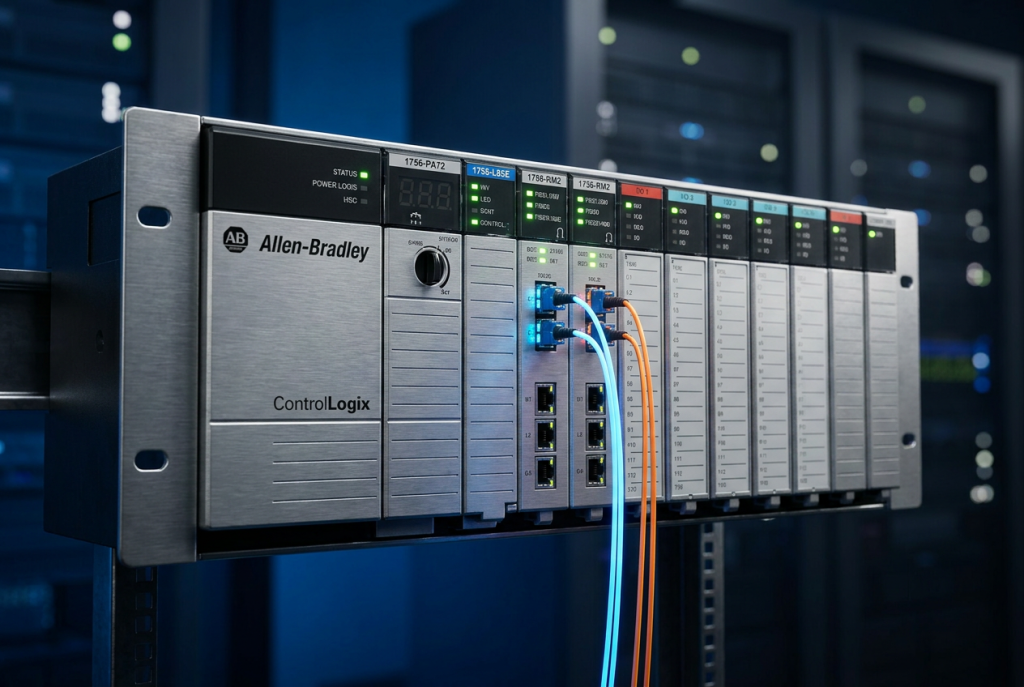

In the quiet heartbeat of a refinery or a high-rise commercial complex, Honeywell control systems like Experion PKS and IQ4x are the invisible orchestrators of safety and efficiency. However, as we pass through May 2026, the industrial automation world is facing a stark paradox: while our systems are more connected and capable than ever, they are also more exposed. The recent CISA advisory (ICSA-26-069-03) targeting Honeywell IQ4x and Experion PKS platforms is a stark reminder that even the most trusted blue boxes require a rigorous, security-first maintenance strategy.
As an expert consultant with over 20 years in the DCS and PLC space, I have seen the evolution of the Honeywell platform from the robust TDC 3000 to the modern Experion PKS. I can tell you from experience that in 2026, cybersecurity is no longer just about firewalls and passwords; it is about the integrity of your hardware supply chain. When a vulnerability is flagged, your ability to recover depends on the reliability of your spare parts inventory. Today, we will analyze how to navigate these new Honeywell security alerts while maintaining a pragmatic approach to hardware longevity.
Decoding CISA ICSA-26-069-03: The IQ4x and Experion Risk
The May 2026 advisory highlights critical vulnerabilities that could allow for unauthorized access or denial-of-service states in Honeywell building management and process control controllers. For a procurement manager, the word vulnerability often triggers a rush toward expensive, full-system upgrades. But as a peer who has managed dozens of system turnarounds, I know that upgrading an entire DCS suite is not always the most efficient answer to a security patch.
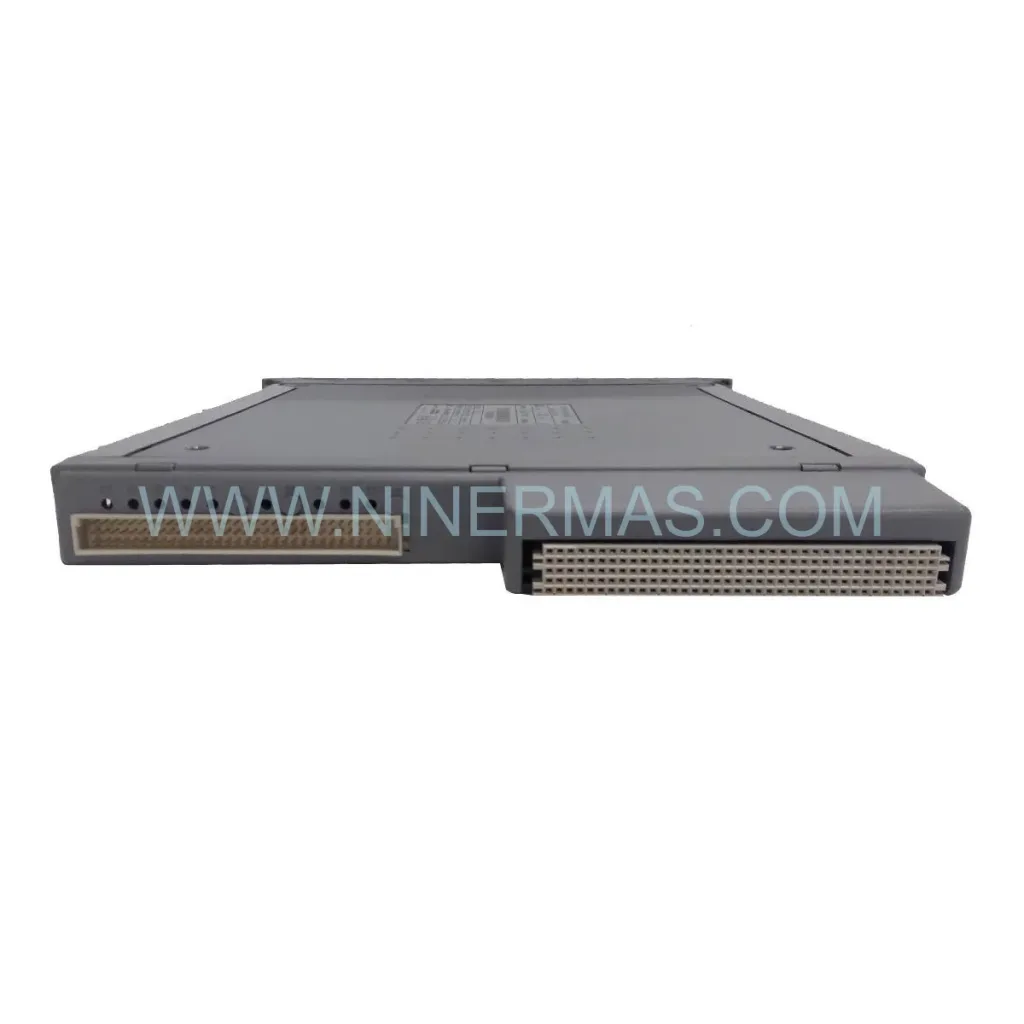
The real risk lies in the communication modules and fieldbus interfaces that act as the gatekeepers of your data. If your system relies on older modules like the Honeywell CC-PFB402 Fieldbus Module, you are managing a platform that was built for reliability, but perhaps not for the aggressive network scanning we see in 2026. Securing these modules means not only applying software patches but ensuring that any replacement module in your cabinet is 100% original, verified hardware that has not been tampered with in the secondary market.
Legacy Longevity: The TDC 3000 to Experion Bridge
Many plants are currently operating in a Hybrid State, using Honeywell modernization paths to keep legacy TDC 3000 I/O alive while running Experion PKS at the supervisory level. This is a brilliant engineering compromise, but it creates a complex maintenance profile. For instance, using the Honeywell 80363975-150 MC-PDOY22 retrofit module allows you to keep your HPM racks while benefiting from modern control logic.
However, these retrofit components are now facing their own supply chain pressures. In 2026, lead times for original Honeywell HPM and Series C modules have increased significantly. The security advisories make this shortage even more critical; if a module is compromised or fails during a security reconfiguration, having an Original New spare ready for immediate hot-swap is the difference between a minor incident and a week of unplanned downtime. Sourcing verified, tested hardware is the only way to ensure your bridge does not become a single point of failure.
The Threat of Hardware-Level Compromise in 2026
As a seasoned maintenance professional, I have a healthy skepticism for any module that does not come with a documented technical pedigree. In 2026, the gray market for Honeywell spares is more sophisticated than ever. We are seeing an uptick in refurbished boards that use non-industrial grade components or, in rare cases, have modified firmware that bypasses standard security checks.
When you are auditing your Honeywell inventory in light of the May 2026 alerts, look for original factory seals and matching PCB revisions. At NINERMAS, we leverage 20 years of technical expertise to verify every Honeywell CC-PFB802 interface module or fiber module we supply. We believe that in a safety-critical environment, a spare part is not just a piece of silicon; it is a promise of operational integrity. If your hardware is unverified, your network security is an illusion.
Frequently Asked Questions
1. Does the latest CISA advisory mean my Honeywell IQ4x controllers are obsolete?
No, but it means they are under scrutiny. You must apply the latest firmware updates and, more importantly, ensure they are isolated from the business network via an industrial-grade firewall.
2. Can I still source original TDC 3000 HPM modules in 2026?
While Honeywell has transitioned many of these to End of Support, original New Old Stock (NOS) and certified tested spares are still available through specialized suppliers like NINERMAS. Proactive stocking is highly recommended.
3. Why is redundant fiber communication important for Experion PKS security?
Modules like the Honeywell 2MLR-DBSF ensure that a single network failure or local disruption does not isolate your controller, allowing for continuous security monitoring even during a partial network outage.
4. How do I verify if my Honeywell spares have the correct security-certified firmware?
Always use the Honeywell configuration tools to audit the firmware revision of any new module before it is installed in a live rack. If the revision does not match your plant standard, it must be updated in a staging environment first.
Secure Your Honeywell Infrastructure Today
Navigating the intersection of cybersecurity and hardware obsolescence requires a partner who understands the technical heartbeat of your plant. Whether you are maintaining a legacy TDC 3000 installation or a modern Experion PKS platform, NINERMAS provides the original, verified spares you need to stay safe and productive. Contact our experts today to audit your critical spares and protect your facility against 2026 biggest threats.
© 2026 NINERMAS. All rights reserved. Official Website: https://NINERMAS.com Inquiry: sale@NINERMAS.com | WhatsApp/Tel: +86 187 5021 5667
Next Step
Move the research into a cleaner RFQ.
Send the part number, quantity, condition expectation, destination, and timing details so the sourcing team can reply with better availability and lead-time context.