A replacement extender can arrive on time and still leave a DeltaV cabinet waiting. The problem is often not an electronic failure in the new part. It is an incomplete purchasing description: a right-hand assembly ordered for the left-hand position, a missing inter-row cable, or an assumption that mounting accessories come in every package. For a shutdown buyer, the useful unit of procurement is the recoverable connection, not simply the item shown in a catalog photograph.
This is a spare-kit completeness question. It deserves a separate review from controller capacity, software backups or I/O card selection. The aim is to identify what must be available together before the planned maintenance window starts.
The cabinet position belongs in the purchase request
Emerson’s M-series horizontal carrier data sheet distinguishes left and right carrier extenders and single and dual arrangements. Its dual arrangement uses paired connections between rows. The document also distinguishes carrier assemblies and their supplied accessories. These details make orientation and package scope engineering requirements, not optional description fields.
Start with an annotated cabinet photograph taken under the site’s access rules. Identify the row, the end of that row, the assembly label and the destination of each cable. A close photograph of a loose spare is useful, but it does not establish where the spare belongs. Keep both views in the maintenance record so a buyer does not have to infer orientation from an unfamiliar connector.
A sourcing request for the KJ4001X1-NA1 DeltaV dual right extender should therefore include the installed nameplate and the right-hand location being restored. The listing is an identity reference, not permission to disregard revision, connection arrangement or the manufacturer’s applicable installation requirements.
Separate three different meanings of “complete”
Complete assembly means the supplied item contains the components that belong to its exact orderable assembly. Complete shipment means the supplier has delivered everything promised in the quotation. Complete repair kit means the maintenance team has everything required for the approved job. These are not interchangeable claims. A supplier can meet a purchase order perfectly while the job remains short of a cable that nobody ordered.
Write a short bill of materials around the actual connection. Give each required assembly, cable and retained accessory its own line, even when several lines are included in one supplier package. Mark every line as supplied, reused after inspection, or separately sourced. This makes exclusions visible before the order is placed.
The complementary KJ4001X1-NB1 left cable extender is relevant when the documented arrangement calls for the left-hand item. It should not become an automatic companion purchase for every right-hand failure. Match the installed configuration first; then decide whether paired stocking is justified by the recovery plan and the condition of the existing connection.
Ask for evidence that survives unpacking
A quotation should state the complete identification, condition, included items and exclusions. Request photographs of the actual offered unit where practical, including the identification label and connector condition. A generic image may establish the product family but cannot establish the contents of the shipment. Retain the written scope with the receiving record rather than leaving it in a buyer’s private email thread.
At receiving, compare the shipment against that scope before putting it into stores. Inspect packaging and visible connector condition under the approved handling procedure. Record discrepancies immediately. Do not perform improvised continuity or insulation tests on unfamiliar assemblies; the acceptance method must be suitable for the specific hardware.
For cables, “fits the connector” is an insufficient description. Record the required assembly identification and routing constraints, and check the approved documentation for the intended configuration. Avoid treating a locally fabricated cable as equivalent merely because the end connectors appear alike. Substitution requires an engineering decision with a documented basis.
Stock by recovery objective, not by symmetry
A plant with several identical cabinets may benefit from a common kit, but only after verifying that the rows really share the same arrangement. Over years of extensions, a cabinet label can remain unchanged while its internal hardware evolves. A simple applicability list should identify the cabinets covered by the kit and the exceptions that need separate parts.
Keep the kit physically organized so cables and accessories do not migrate into unrelated jobs. Assign a stores record to the kit and maintain the identities of its individual contents. After a withdrawal, replenish the missing components rather than marking the kit available because its main assembly is still on the shelf.
The job package should also distinguish an ordinary I/O cabinet from any arrangement with additional safety-system constraints. A commercial description containing a familiar DeltaV name does not establish suitability for every application. The responsible engineer must review the applicable documentation and isolation requirements before work is authorized.
Questions maintenance buyers actually ask
Can I identify left versus right from the product photograph?
Use the photograph as supporting evidence, not the sole identifier. Match the installed label, assembly reference and cabinet position to the applicable manufacturer documentation. Image orientation or a supplier’s crop can otherwise lead to the wrong conclusion.
Does buying an extender automatically include its connecting cable?
Do not assume so. Ask for the included-item list for the exact offered assembly and compare it with the repair bill of materials. Package scope can differ between individual components and larger carrier assemblies.
Should I replace both ends when only one end is suspected?
Not automatically. Diagnosis, connector condition, the approved maintenance plan and the consequence of another outage should drive that decision. Buying two assemblies is not a substitute for identifying the failed connection.
What information makes an urgent inquiry usable?
Send the full nameplate, cabinet and row location, single or dual arrangement, cable identification, required quantity and the maintenance deadline. Include a list of accessories that must be supplied so the quotation can address the entire job.
Make the quotation match the repair
Send NINERMAS the installed labels, cabinet photographs and proposed kit contents for a scoped availability inquiry. Ask the sourcing team to identify any exclusions explicitly. A useful quotation is one that lets engineering and purchasing agree on what will be ready at the cabinet, not simply one that repeats a part number.
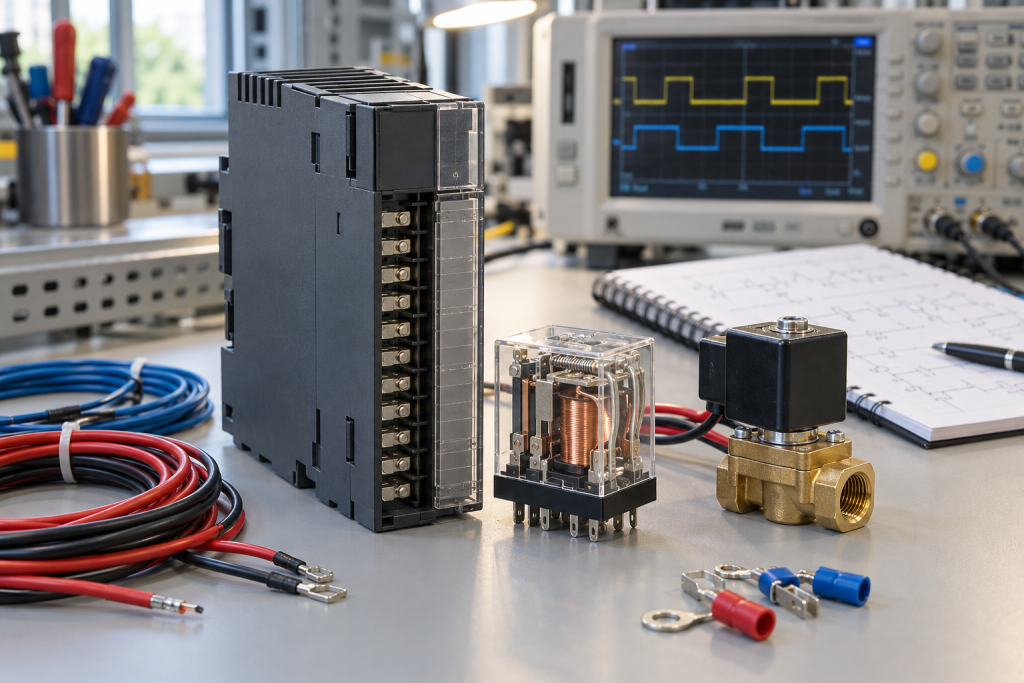
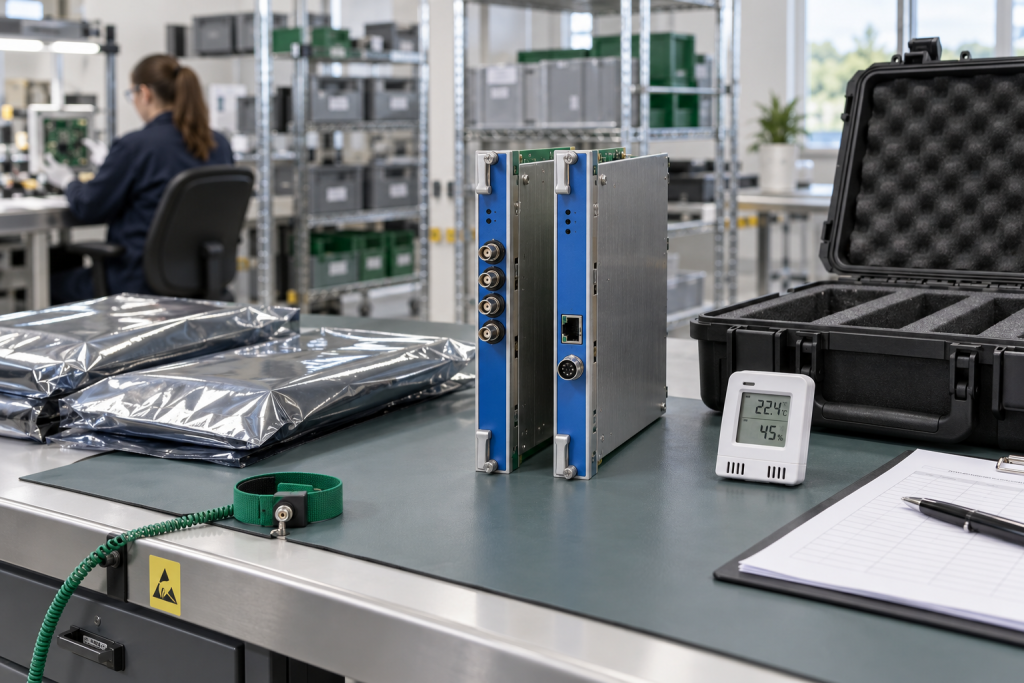
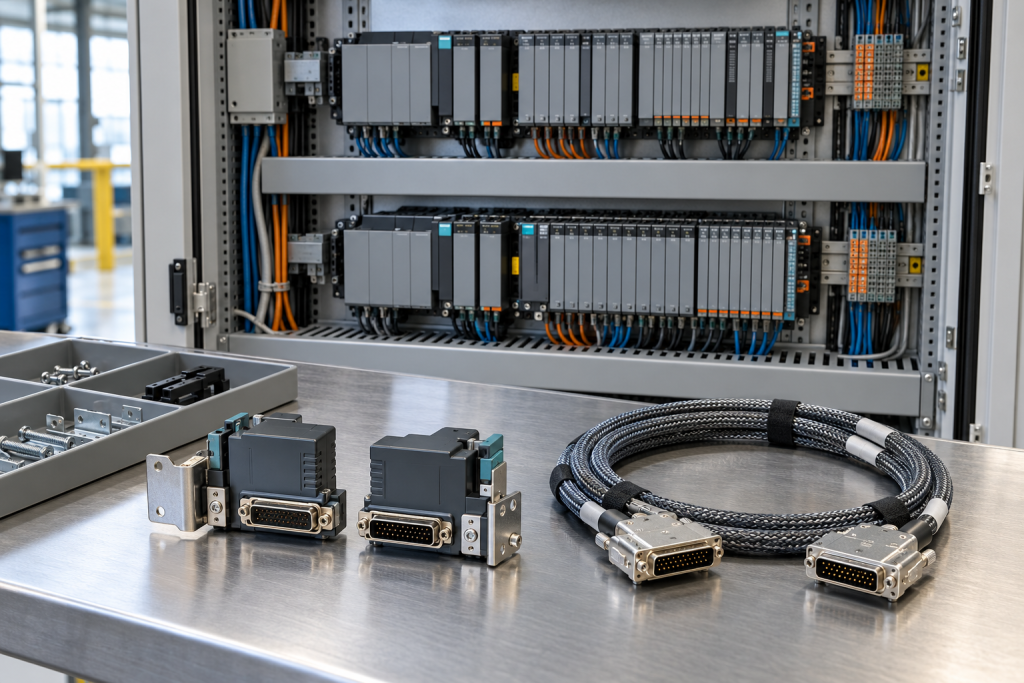
Image: AI-generated editorial illustration, not an exact product photograph or installation reference.
© 2026 NINERMAS. All rights reserved. Official Website: https://ninermas.com Inquiry: sale@NINERMAS.com | WhatsApp/Tel: +86 187 5021 5667
Next Step
Move the research into a cleaner RFQ.
Send the part number, quantity, condition expectation, destination, and timing details so the sourcing team can reply with better availability and lead-time context.