
A relay output can pass a continuity check and still be a poor spare for a heavily cycled machine. The contact closes on the bench, the PLC reports the expected state, and the maintenance record says tested. None of those observations tells the buyer how much useful switching life remains under the actual field load. For plants retaining GE Series 90-30 hardware, that distinction deserves a place in the spare-parts specification.
The IC693MDL940 is a useful example because a single current rating can dominate purchasing discussions while the real application involves solenoid coils, contactor pickup, repeated starts or lightly loaded signaling. The better question is not simply whether the module can carry the current. It is what the contacts must make and break, how often, and with what evidence of previous service.
A current limit is not a life expectancy
The GE Fanuc GFK-0898F manual excerpt identifies the IC693MDL940 as a sixteen-point normally open relay output module arranged in four groups of four. It lists a maximum of 2 A per point and 4 A per common, and its contact-life information distinguishes load conditions. These are reference specifications from that manual revision, not a promise that every application achieves the same number of operations. Consult the applicable hardware documentation for the installed revision. The manufacturer manual excerpt hosted by Qualitrol is the technical reference for those distinctions.
A procurement review should therefore separate three questions: does the application remain within its electrical limits, is the switching duty appropriate, and is the offered module’s condition sufficiently understood? Passing the first question does not answer the other two. A plant may have a modest steady load but many operations during cleaning, changeover or repeated production interruptions.
Describe the duty before discussing the spare
Build a short load record from the approved drawings and operating history. Include the field supply, load type, normal current, relevant pickup behavior, expected switching frequency and existing protective arrangements. Identify whether several loads share a common. An individual output assessment can look acceptable while the group-level demand requires closer review.
Do not infer operating duty solely from the finished-product count. A machine might command the same valve several times per cycle or retry after an interlock is not satisfied. Conversely, an output may remain energized for long periods with few switching events. Read the sequence with the controls engineer and distinguish program commands from confirmed contact operations.
For a like-for-like requirement, the GE IC693MDL940 relay output listing provides a specific starting point for an RFQ. Include the application record with the request rather than treating the catalog designation as a complete acceptance specification. Published availability information is not evidence of the particular unit’s prior switching history.
What an acceptance report should actually establish
Ask which channels were checked, under what documented load conditions, and what the result proves. A visual inspection, an unloaded continuity check and a functional check with a representative approved load are different scopes. The report should identify the module and the limitations of the test instead of using a general statement such as fully tested.
For used equipment, an unknown operating history should remain marked unknown. It cannot be converted into a remaining-life figure by cleaning the housing or completing a short functional test. That uncertainty may be acceptable for some noncritical duties and unacceptable for others. Reliability and production teams should make that decision explicitly, considering the consequence of a contact failing open or remaining closed.
Keep replacement acceptance separate from circuit redesign. If repeated failures suggest unsuitable switching duty, buying more identical modules may only restore the same problem. Any change to interposing devices, suppression or field protection needs an engineered review of the load, release timing and machine behavior. This article is not a live troubleshooting or rewiring procedure.
Keep revision identity and load history together
A suffix is worth preserving even when a short stock description omits it. When comparing an installed unit with an IC693MDL940H output module, send photographs of the complete labels and obtain compatibility confirmation against the application documentation. Do not interpret the suffix alone as proof of greater contact endurance or automatic interchangeability.
Use the receiving record to connect the unit identity, inspection evidence and intended machine. Otherwise, a spare accepted for an infrequently operated auxiliary circuit can later be issued to a high-duty valve bank without anyone noticing the changed assumptions. The shelf label need not contain a long report, but it should point to the approved record.
A useful stock policy can distinguish emergency restoration stock from longer-term production spares. Both must meet the required acceptance criteria, but their documented condition and intended service window may differ. Avoid informal categories such as good enough that have no owner, review date or stated restriction.
Questions from maintenance and purchasing
Does a successful continuity test prove the relay module is healthy?
It proves only the behavior observed during that test. It does not establish remaining contact life under the plant’s switching duty. Request a defined test scope and retain its limitations with the spare record.
Can I calculate remaining life from the module’s age?
Not reliably from age alone. Switching history and load conditions matter, and those records may not exist for a used module. Treat missing history as uncertainty rather than assigning an invented percentage of remaining life.
Is a lower steady current always an easier application?
Do not assess suitability using steady current alone. Review the complete load behavior and the manufacturer’s applicable limits, including minimum load requirements. The relevant question is whether the whole duty matches the module’s intended use.
Should frequent contact failures trigger a larger spare order?
They should first trigger a review of failure evidence and operating duty. Additional stock can reduce waiting time, but it does not correct a recurring application problem. Keep restoration planning and the engineering investigation connected.
For a focused quotation, send NINERMAS the complete IC693MDL940 identification, quantity, load description and required condition or test evidence. We can discuss the sourcing requirement without treating an unverified used module as a guaranteed remaining-life solution.
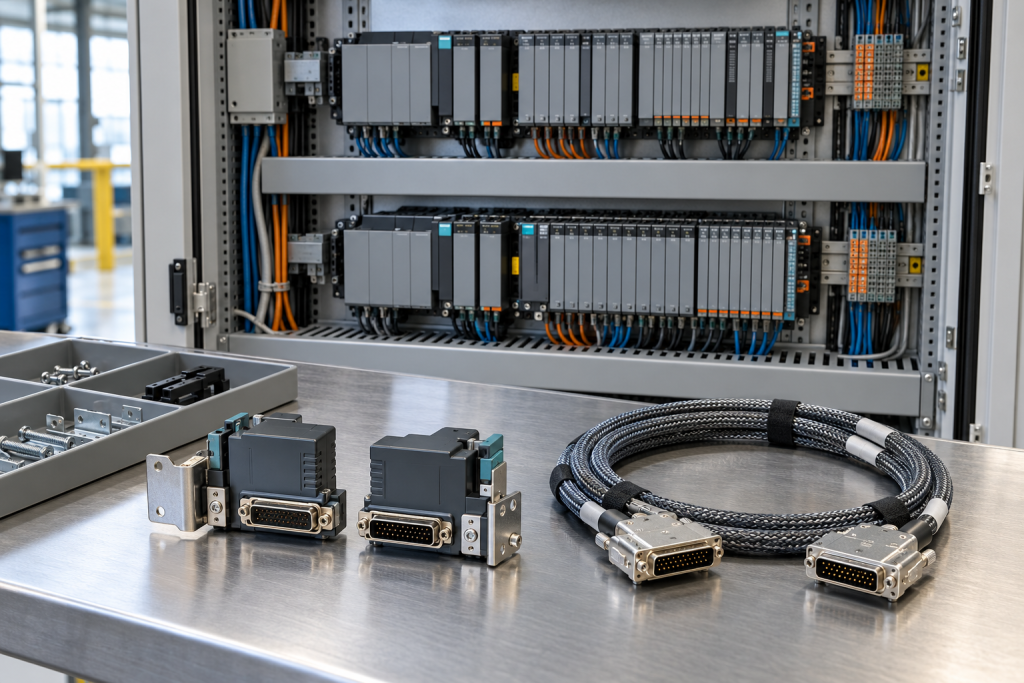
Image: AI-generated editorial illustration, not an exact product photograph or installation reference.
© 2026 NINERMAS. All rights reserved. Official Website: https://ninermas.com Inquiry: sale@NINERMAS.com | WhatsApp/Tel: +86 187 5021 5667
Next Step
Move the research into a cleaner RFQ.
Send the part number, quantity, condition expectation, destination, and timing details so the sourcing team can reply with better availability and lead-time context.