A safety input module has been replaced, the diagnostics are healthy, and production is ready to restart. Someone then asks whether the next proof test can be moved forward by a year because the electronics are new. That question confuses three different records: a repair, the verification of that repair, and the proof test of a safety instrumented function. Treating them as interchangeable can leave an apparently tidy maintenance history with an untested part of the protection chain.
For plants maintaining legacy HIMA equipment, the useful procurement question is therefore not simply whether a spare powers up. It is what evidence the replacement will add, what remains untested, and who is responsible for authorizing the return to service. A module purchase should support the safety lifecycle, not silently rewrite it.
One repair, several different boundaries
Consider a hypothetical high-pressure shutdown function containing a transmitter, input channel, logic solver, output circuit and shutdown valve. Replacing an input card addresses one component. A successful channel check may demonstrate that a test signal reaches the logic application. Neither observation alone establishes that the valve closes within the required time, that the sensor detects the hazardous condition, or that every relevant dangerous failure mode has been tested.
The maintenance record should name the boundary actually examined. Useful distinctions include module bench testing, installed channel verification, application comparison, partial functional testing and the approved complete proof-test procedure. The names matter less than the documented scope and acceptance criteria. An unqualified entry saying “tested OK” forces the next engineer to guess.
HIMA’s discussion of automated proof testing describes checks extending beyond electronic diagnostics to device versions, configuration, physical condition and functional behavior. It is a useful reminder that automation can support an approved testing strategy without making every maintenance action a complete proof test.
The spare request should carry the function identity
When the installed reference is F6217, an enquiry for a HIMA F6217 984621702 analog input spare should include the actual nameplate, installed revision, rack location and affected channel references. The catalog reference starts the identification process; it does not establish that a particular delivered revision is approved for every installed system.
A central module request has a different verification boundary. For an installed HIMA F8650E 984865065 central module, the responsible specialist must consider the system architecture, approved software and firmware combination, application identity and applicable manufacturer replacement procedure. Do not apply a field input card checklist to a processor merely because both belong to the same equipment family.
Keep commercial acceptance separate from safety acceptance. Serial numbers, condition declarations and test reports help establish what was supplied. Plant engineering establishes whether that hardware can be installed in the specific safety application. Purchasing should make both decision owners visible before the urgent order is placed.
Build a closeout record that survives the next outage
A practical repair package starts with the failure report and ends with an explicit return-to-service decision. Between those points, retain the removed and installed identifiers, approved work instructions, configuration evidence, test results and any deviations. If a temporary inhibit or bypass was authorized, its removal and independent confirmation belong in the record. This article is not authorization to create or retain a bypass.
- Identify the safety function and every channel affected by the work.
- Record which tests were performed, their acceptance limits and the actual results.
- List components or failure modes outside the test boundary.
- Confirm restored configuration, diagnostics and authorized operating state.
- Preserve the existing proof-test due date unless the responsible safety authority approves a documented change.
For example, a simulated electrical input may verify downstream logic but leave the process connection and sensing element unexamined. A valve indication may confirm a limit switch without proving all required valve behavior. The closeout record should describe these limitations rather than implying full coverage from one passing observation.
Do not convert spare age into a new test interval
A proof-test schedule belongs to the approved safety analysis and maintenance strategy. Replacement dates are important inputs, but they are not an automatic reset instruction. The appropriate decision depends on the function, component requirements, test coverage and applicable safety documentation. Refer any proposed interval change to competent functional-safety personnel; there is no universal interval that this article can safely prescribe.
This distinction also improves stock planning. If several modules are needed during a planned outage, the limiting resource may be qualified verification time rather than warehouse quantity. Reserve engineering support, test equipment and documentation access alongside the hardware. A shelf full of spares does not shorten a restart if nobody can confirm the approved configuration.
Use the maintenance management system to link the repair order to the safety-function record, not to replace that record. Store the original due date, the scope of the repair check and any approved schedule decision as separate fields. That prevents a routine “completed” button from accidentally becoming a safety justification.
Questions from maintenance and purchasing
Does fitting a new module mean the whole shutdown function is newly tested?
No. It establishes a hardware change. Credit only the tests actually completed under the approved procedure, with their documented coverage and limitations. Other elements of the function may remain untouched.
Is a supplier’s bench report enough for return to service?
It can support component acceptance, but it cannot replace installed-system verification. The report does not reproduce your process wiring, safety application, final elements or operating conditions.
Can we use a similar HIMA revision when the original is unavailable?
Only after the exact combination is reviewed against applicable manufacturer documentation and the plant’s approved configuration. Physical fit and a familiar family name are insufficient evidence of suitability.
What should accompany an urgent spare enquiry?
Provide clear label photographs, full part number, revision, quantity, required condition, destination and the installed system context. State any documentation or verification requirements before the supplier confirms the quotation.
For HIMA spare sourcing, send NINERMAS the installed reference and your acceptance requirements. We can help define the requested supply scope; the plant retains responsibility for compatibility approval and functional-safety release.
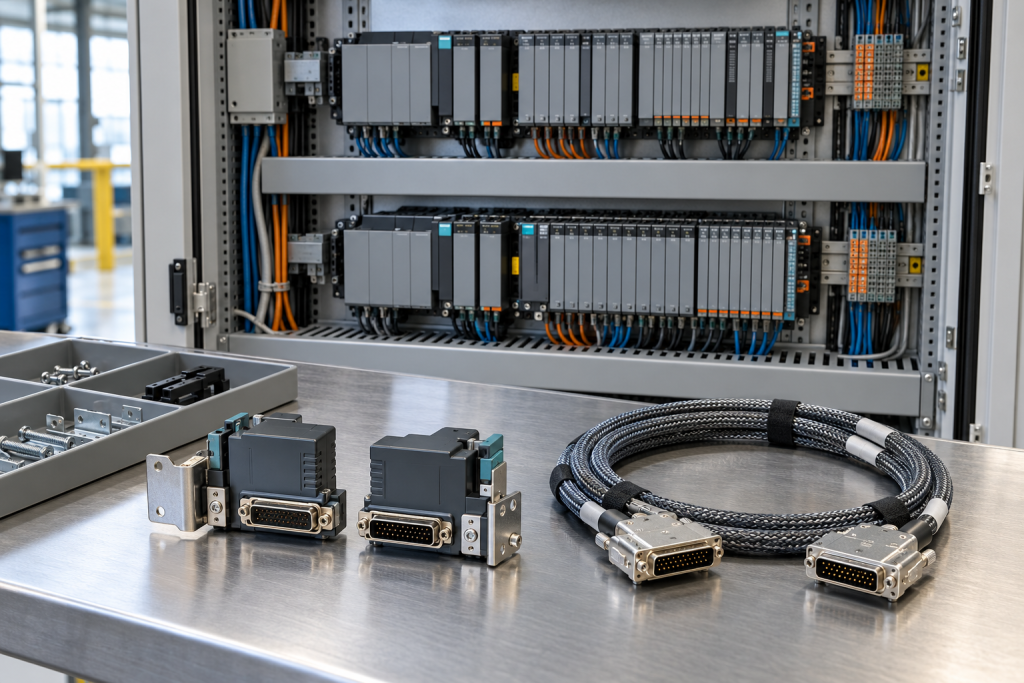
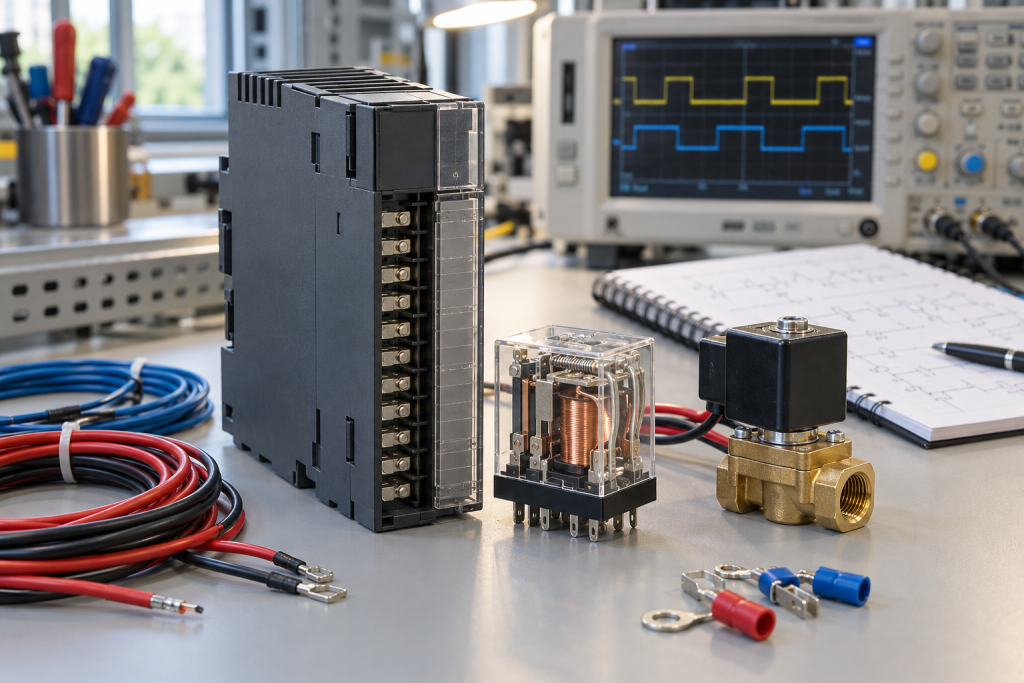
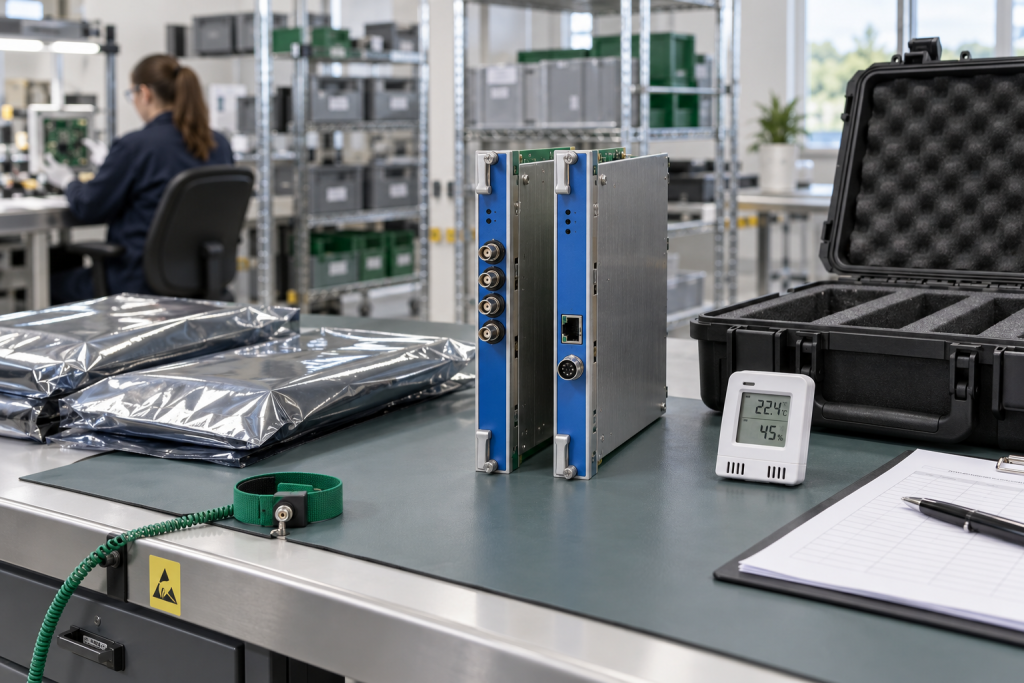
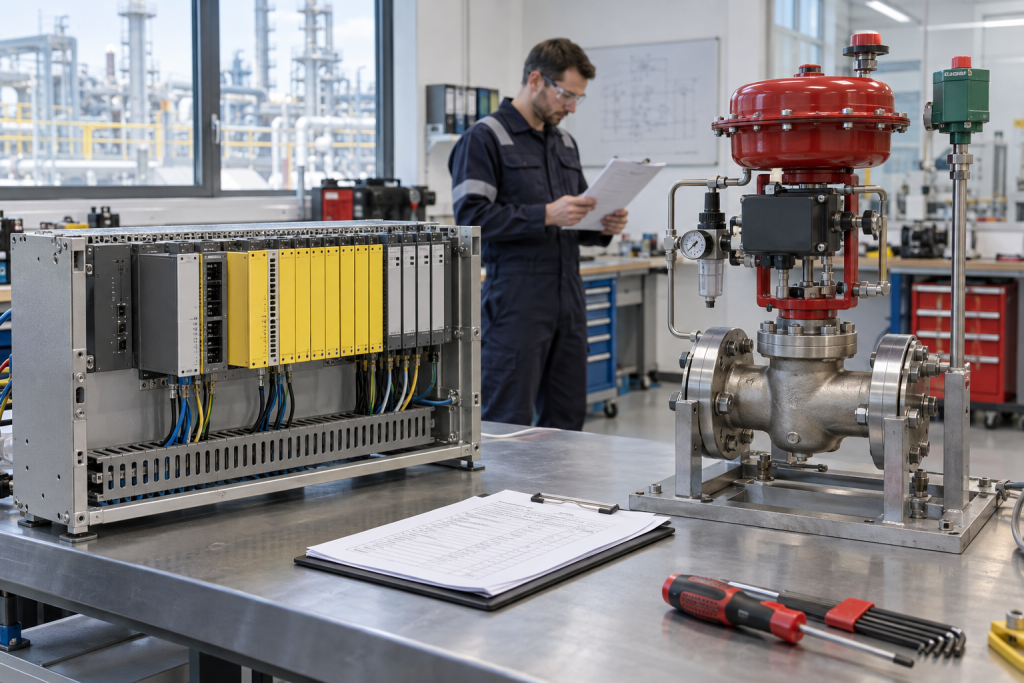
Image: AI-generated editorial illustration, not an exact product photograph or installation reference.
© 2026 NINERMAS. All rights reserved. Official Website: https://ninermas.com Inquiry: sale@NINERMAS.com | WhatsApp/Tel: +86 187 5021 5667
Next Step
Move the research into a cleaner RFQ.
Send the part number, quantity, condition expectation, destination, and timing details so the sourcing team can reply with better availability and lead-time context.