
A spare can be present in the warehouse and still be unavailable to maintenance. Its box may carry the right family name, while the inspection record is missing, the packaging has been opened repeatedly, or nobody knows whether the unit was returned after a failed installation. For a machinery-protection system, that uncertainty should be resolved before an outage, not beside a machine waiting for release.
Bently Nevada 3500 spare storage is therefore more than a housekeeping task. It is the process of keeping identity, physical condition and acceptance evidence together. The practical objective is simple: when a planner reserves a module, the warehouse should be able to explain exactly what it is, what has been checked, and which checks remain.
Separate “received” from “ready for issue”
Consider a hypothetical delivery containing two replacement modules. Both look clean and arrive in protective packaging. One has a serial-linked inspection report and a clear history. The other has a handwritten inventory label covering part of its original identification. Booking both as serviceable stock makes the inventory value look complete but conceals different levels of uncertainty.
A useful receiving process gives each unit an initial quarantine status. Record its full ordering code, serial number, visible revision information, supplier and purchase-order reference. Photograph the original label and packaging before changing anything. Compare those records with the approved purchase specification, rather than with a shortened description on the delivery note.
Quarantine does not mean the part is defective. It means the organization has not yet accepted it for a defined purpose. That distinction lets procurement resolve discrepancies without creating pressure on technicians to improvise an acceptance decision during a shutdown.
A 3500 family name is not a complete stocking description
The manufacturer’s 3500 system overview distinguishes the power-supply function from the transient data interface. They belong to the same system but do not share one generic acceptance or preservation procedure. Identify the specific hardware before assigning a storage instruction or a test scope.
For example, an enquiry for a 3500/15-01-00-00 power-supply spare should retain the complete option code. The warehouse description alone should not be used to infer its input arrangement. The installed equipment documentation and the actual unit label must support that decision.
Likewise, a 3500/22M-01-01-01 transient data interface needs its own identity and compatibility record. A physically similar module is not automatically a substitute. Keep firmware information and system requirements in the engineering acceptance record where they can be reviewed together.
Preserve the evidence as carefully as the electronics
Use the manufacturer’s applicable storage limits and packaging instructions for the exact unit. Do not borrow an environmental limit from another 3500 module simply because it appears in an accessible datasheet. Where documentation is incomplete, obtain it before defining a long-term preservation regime.
Handle exposed electronics only through the site’s approved electrostatic-discharge controls. Preserve connector protection and suitable shielding packaging. Avoid repeatedly opening accepted stock for informal demonstrations or photographs; every handling event introduces another opportunity for damage or a mix-up. Inspection photographs taken at receiving should normally answer routine identification questions.
Storage monitoring is most useful when excursions lead to a decision. A temperature or humidity log without an owner only records that something happened. Define who reviews an excursion, how affected stock is identified and what engineering review is required before issue. Do not introduce improvised baking, cleaning or periodic energization as a universal preservation treatment.
Keep packaging instructions, inspection evidence and stock location associated with the individual unit. A supplier test report detached from its serial number becomes much less useful after several similar modules enter the same bin. If a report covers a batch, retain the mapping from each accepted item to that batch.
Make returns a separate inventory stream
A module removed from a machine is not a serviceable spare merely because the machine later restarted. The actual fault may have been elsewhere, or the replacement may have changed several variables at once. Record the removal reason, observed symptoms, rack location and any diagnostic evidence while those details are still available.
Return the removed item to a clearly segregated status. Keep “untested return,” “repair candidate” and “accepted spare” distinguishable in both the inventory system and the physical store. A clean outer box should never erase the history of the hardware inside it.
Before a planned outage, reserve the specific serial-numbered unit and review its evidence against the intended installation. Check that required accessories and documentation are available. This early review is more valuable than discovering on the outage morning that a stocked module has never been accepted for that rack.
Questions from maintenance and stores
Does unopened packaging prove that a spare is ready to install?
No. It is useful condition evidence, but it does not establish compatibility, provenance or the completeness of the acceptance record. Match the hardware to the approved requirement and complete the required checks before assigning serviceable status.
Should stored modules be powered up on a fixed annual schedule?
Not as a blanket rule. Use the exact manufacturer’s instructions and an approved preservation plan. Uncontrolled energization can add handling risk and may produce a misleading “pass” without a defined test configuration or acceptance criteria.
Can the same storage limits be used for every 3500 component?
Do not assume so. Verify the applicable document for the specific module and its configuration. A warehouse-wide environmental target may be sensible, but it still needs to satisfy the requirements of every item held there.
What should purchasing request when the condition history is unclear?
Ask for serial-linked photographs, a clear condition declaration, available test scope and results, and the proposed remedy for identification or acceptance discrepancies. An unanswered question should remain visible rather than being converted into an unsupported claim of readiness.
Turn a stock enquiry into an acceptance-ready request
When requesting Bently Nevada spares from NINERMAS, include the complete part number, quantity, installed-system context, required condition and delivery destination. Add any inspection-document requirements before quotation so availability and acceptance expectations can be discussed together. A well-defined request helps both sides distinguish a potentially suitable unit from one that is actually ready for your maintenance plan.
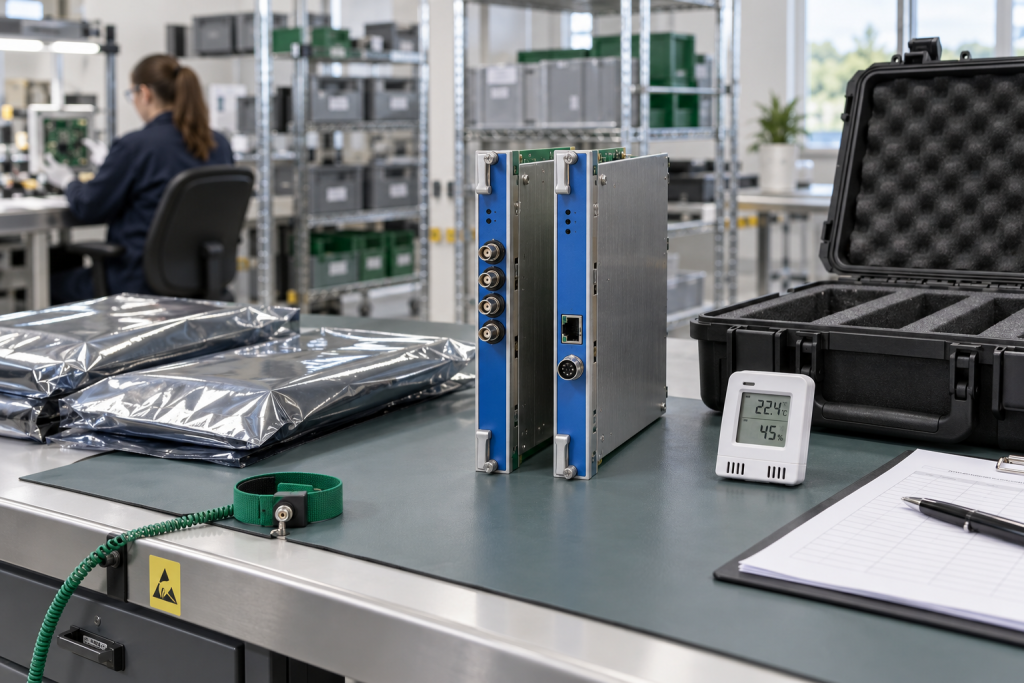
Image: AI-generated maintenance illustration, not a model-identification or installation reference.
© 2026 NINERMAS. All rights reserved. Official Website: https://NINERMAS.com Inquiry: sale@NINERMAS.com | WhatsApp/Tel: +86 187 5021 5667
Next Step
Move the research into a cleaner RFQ.
Send the part number, quantity, condition expectation, destination, and timing details so the sourcing team can reply with better availability and lead-time context.