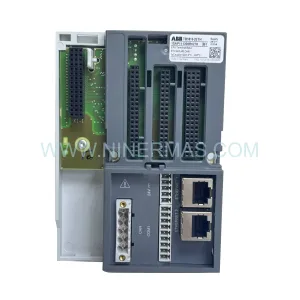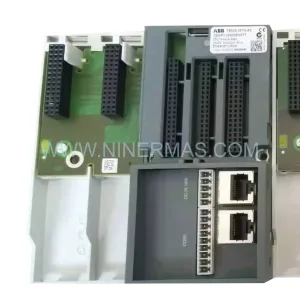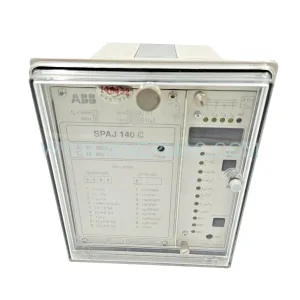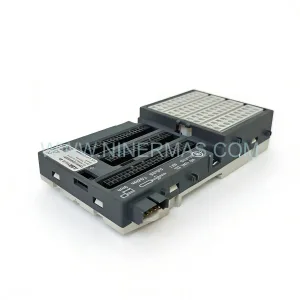
Original Industrial Spare Part
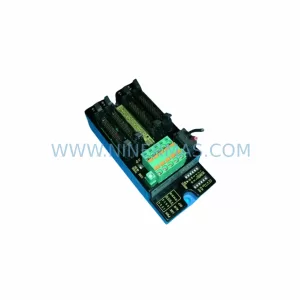
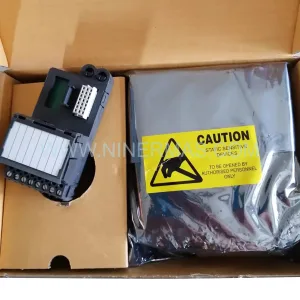
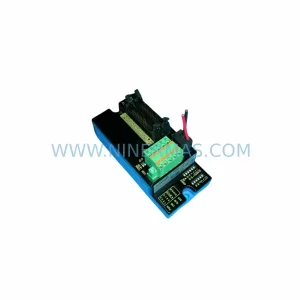
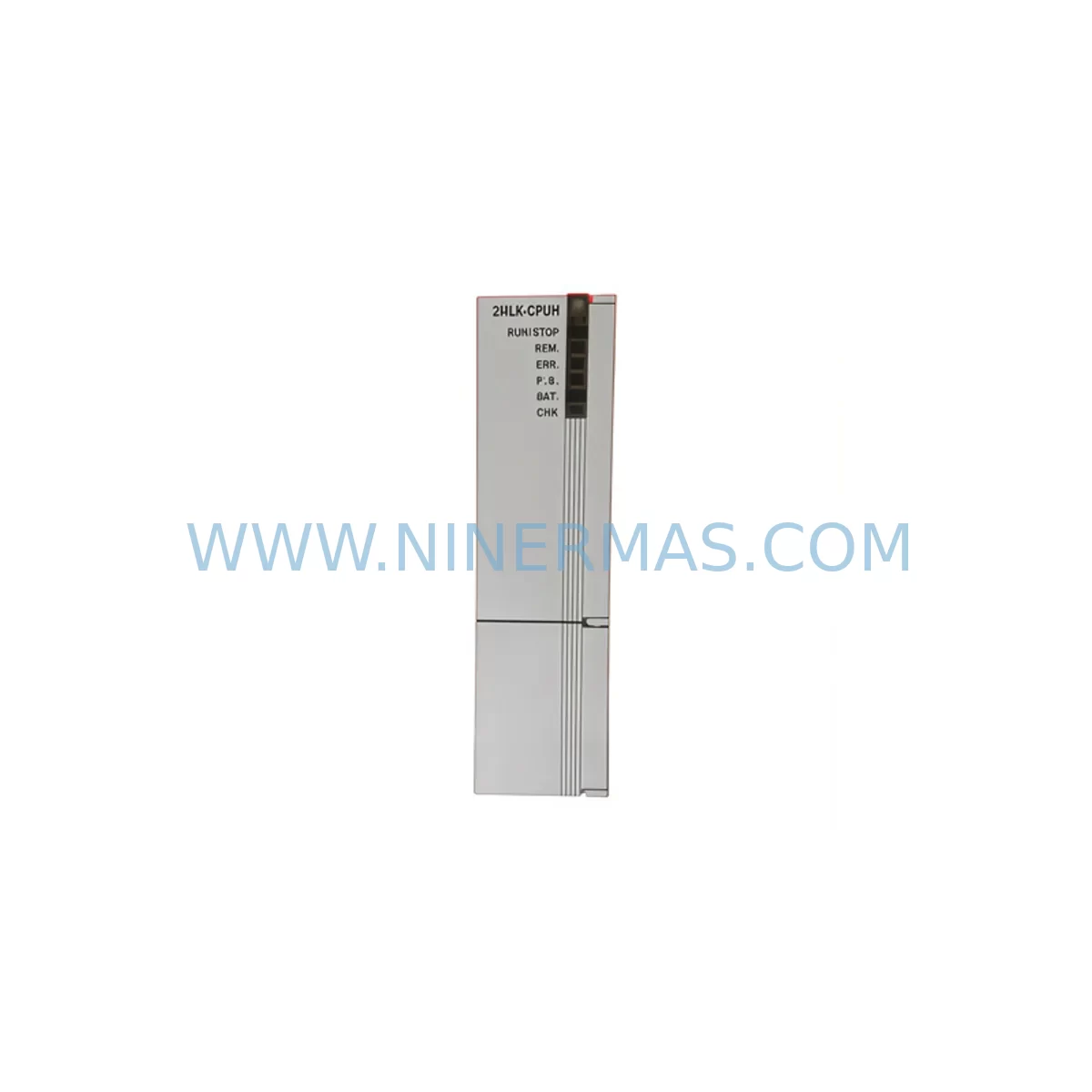
Honeywell 2MLK-CPUH-CC Retrofit-Compatible CPU for Legacy Systems
Verify the part, confirm the platform family, and move straight into quotation with the right commercial details.
RFQ Ready
- SKU2MLK-CPUH-CC
- CategoryDCS Distributed Control Systems
- BrandHoneywell
- SupportAvailability, lead time, condition, and shipping coordination
How Buyers Usually Use This Page
- Confirm the exact part number and platform family before sending the quote request.
- Use direct email when quantity, condition, and destination are already defined internally.
- Switch to the broader brand or category archive when you need alternates nearby.
Series Navigation
Move through the most common platform families behind this part.
Product RFQ
Send this part directly for quotation.
Include quantity, required condition, destination country, and target delivery timing. Current reference: Honeywell 2MLK-CPUH-CC Retrofit-Compatible CPU for Legacy Systems with SKU 2MLK-CPUH-CC.
Honeywell 2MLK-CPUH-CC Retrofit-Compatible CPU for Legacy Systems
The Honeywell 2MLK-CPUH-CC is a high-performance CPU module designed for the MasterLogic-200 series PLC platform. As legacy automation systems age and original spare parts become increasingly difficult to source, the 2MLK-CPUH-CC serves as a proven retrofit solution for facilities seeking to extend the operational life of their existing control infrastructure without committing to a full system replacement. Whether you are managing a chemical plant, a water treatment facility, a power generation site, or a discrete manufacturing line, this CPU module enables a controlled, low-risk migration path that preserves your existing program logic, field wiring, and operator interface investments.
Upgrade Compatibility Table
| Parameter | Details |
|---|---|
| SKU / Part Number | 2MLK-CPUH-CC |
| Series | MasterLogic-200 (ML-200) |
| Module Type | CPU / Controller Module |
| Backplane Interface | MasterLogic-200 standard backplane bus |
| Communication Ports | Ethernet (Modbus TCP / EtherNet/IP compatible), RS-232, RS-485 |
| I/O Expansion | Supports local and remote I/O racks via ML-200 backplane |
| Power Supply Compatibility | 24 VDC / 120–240 VAC (per rack power supply module) |
| Installation Form Factor | Standard ML-200 rack slot — no mechanical modification required |
| Program Memory | Compatible with existing ladder logic and function block programs |
| HMI Interface | Compatible with existing HMI screens via serial or Ethernet link |
| Replacement Recommendation | Direct slot-for-slot replacement for discontinued ML-200 CPU variants |
| Commissioning Notes | Verify firmware version, I/O module addresses, and communication node IDs before power-on |
| Warranty | 12 Months — covers manufacturing defects and functional failure under normal operating conditions |
Retrofit Planning for Existing Automation Systems
Successful integration of the 2MLK-CPUH-CC into an existing MasterLogic-200 installation begins well before the module arrives on site. A structured pre-retrofit assessment should cover the following areas to minimize risk and ensure a smooth cutover.
Power Budget Verification: Before installing the replacement CPU, confirm that the rack’s power supply module — typically a unit such as the 2MLK-PSU-AC or equivalent DC power supply — can support the combined load of the CPU and all installed I/O modules. Overloaded power supplies are a common cause of intermittent faults after a CPU swap. Document the current draw of each module in the rack and compare against the power supply’s rated output.
Backplane and Rack Inspection: Inspect the ML-200 backplane for corrosion, bent connector pins, or cracked PCB traces. A faulty backplane can cause communication errors between the 2MLK-CPUH-CC and downstream I/O modules such as digital input modules, analog output modules, and thermocouple input cards. If the backplane shows signs of wear, replacement of the rack assembly should be considered as part of the retrofit scope.
I/O Module Address Mapping: The MasterLogic-200 platform assigns I/O addresses based on slot position within the rack. Before removing the legacy CPU, document the full I/O map — including all digital input, digital output, analog input, and analog output module addresses — and verify that the replacement 2MLK-CPUH-CC will recognize the same address scheme. In multi-rack configurations using remote I/O adapters, confirm that the remote rack communication links remain intact and that node addresses are correctly configured.
Program Backup and Compatibility: Export a full backup of the existing PLC program using the MasterLogic programming software before any hardware changes are made. Verify that the program file is compatible with the firmware version supported by the 2MLK-CPUH-CC. In some cases, minor edits to data block references or communication function blocks may be required. If the system uses structured text or function block diagram elements alongside ladder logic, test the full program in offline simulation mode before downloading to the new CPU.
Communication Module Integration: Many ML-200 installations include dedicated communication modules for Modbus RTU, PROFIBUS DP, or DeviceNet connectivity. Confirm that these modules — for example, a 2MLK-COMM-MB Modbus master module or a PROFIBUS DP slave interface card — remain fully operational after the CPU swap. Update the communication configuration parameters in the CPU if the new module uses a different firmware baseline. For systems migrating from serial Modbus RTU to Modbus TCP over Ethernet, a protocol gateway or an updated Ethernet communication module may be required alongside the 2MLK-CPUH-CC.
HMI Screen Validation: Operator interface panels connected to the ML-200 CPU via RS-232 or Ethernet must be re-validated after the CPU replacement. Tag addresses, data type mappings, and alarm setpoints should be verified against the HMI project file. If the facility uses a SCADA system connected through an OPC server or a direct Modbus TCP link, confirm that the new CPU’s IP address and register map match the SCADA configuration to avoid data loss or false alarms during startup.
Signal Isolation and Wiring Checks: For analog signal loops connected through signal isolators or loop-powered transmitters, verify that the input impedance and signal range settings on the analog input modules remain compatible after the CPU swap. Terminal block wiring should be inspected for loose connections, especially on high-vibration installations. If the system uses intrinsically safe barriers for hazardous area signals, confirm that the barrier ratings remain appropriate for the installed field devices.
Programming Cable and Firmware Tools: Ensure that the appropriate programming cable — such as a USB-to-serial adapter compatible with the MasterLogic programming environment — is available on site during commissioning. Confirm that the engineering workstation has the correct version of the MasterLogic programming software installed and that the software license is active. Having a spare programming cable and a backup laptop with the software pre-installed is strongly recommended for critical retrofit projects.
Downtime Control During System Migration
Minimizing production downtime is the primary concern for any control system retrofit. The following approach is recommended when replacing the CPU with the 2MLK-CPUH-CC.
Begin by scheduling the physical swap during a planned maintenance window or a low-production period. Before the cutover, perform a complete backup of the PLC program, HMI project, and SCADA configuration. Label all field wiring and terminal connections clearly so that any accidental disconnections can be quickly corrected. If the system controls a continuous process, coordinate with the operations team to place the process in a safe manual state before removing power from the control cabinet.
During the swap, remove the legacy CPU module carefully and install the 2MLK-CPUH-CC into the same rack slot. Do not power on the rack until all I/O modules, communication modules, and power supply connections have been verified. After power-on, confirm that the CPU enters the correct operating mode and that all I/O modules are recognized. Download the backed-up program to the new CPU and perform a full I/O force test to verify that field signals are correctly mapped before returning the system to automatic control.
For systems where even a brief interruption is unacceptable, consider a parallel commissioning approach: configure and test the 2MLK-CPUH-CC in a bench environment using a spare rack and representative I/O modules before the live cutover. This allows the engineering team to resolve any firmware or program compatibility issues offline, reducing the live cutover window to the minimum time required for the physical module swap and final I/O verification.
Throughout the migration, maintain a detailed commissioning log that records every configuration change, firmware version, and test result. This log becomes a critical reference document for future maintenance and supports the 12-month warranty claim process if any issues arise after installation.
Retrofit Support FAQ
Q1: Is the 2MLK-CPUH-CC a direct drop-in replacement for other discontinued MasterLogic-200 CPU variants?
In most cases, yes. The 2MLK-CPUH-CC is designed to occupy the same rack slot as other ML-200 CPU modules and uses the same backplane bus interface. However, customers should verify the firmware version and I/O address map compatibility before installation, as minor configuration adjustments may be required depending on the specific legacy CPU being replaced.
Q2: What pre-shipment testing is performed on the 2MLK-CPUH-CC?
Each unit undergoes functional testing prior to shipment, including power-on verification, communication port checks, and I/O bus integrity testing. Units are supplied with a test report confirming operational status. The 12-month warranty covers manufacturing defects and functional failures under normal operating conditions from the date of shipment.
Q3: Can the 2MLK-CPUH-CC support communication protocol migration from Modbus RTU to Modbus TCP?
The 2MLK-CPUH-CC supports both serial and Ethernet communication interfaces. Migration from Modbus RTU to Modbus TCP can be achieved by configuring the Ethernet port and updating the communication parameters in the PLC program. In some installations, an additional Ethernet communication module or a protocol converter may be required depending on the existing network architecture.
Q4: What is the typical lead time and stock availability?
We maintain ready stock of the 2MLK-CPUH-CC to support urgent retrofit and breakdown recovery requirements. Standard orders are processed and shipped within 1–3 business days. For large-quantity orders or long-term supply agreements, please contact our sales team to discuss inventory reservation and scheduled delivery options.
—
| Product Series | MasterLogic |
|---|---|
| Country of Origin | US |
Catalog Continuation
More Honeywell modules in the catalog.
Use the brand lane to compare nearby part numbers, platform-adjacent modules, and other inquiry-ready listings before sending your final RFQ.
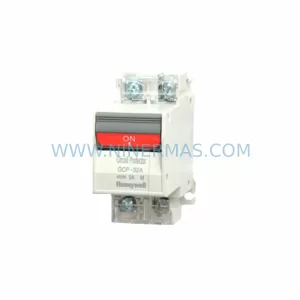
SKU: GCP-32AN 1A 2A 3A 4A 5A 7A 10A 15A 20A 25A 30A
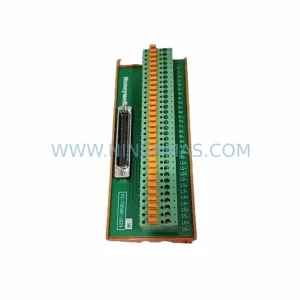
Honeywell GCP-32AN Safety-Reliable Power Supply for Critical Sites
Catalog Continuation
Alternative parts within DCS Distributed Control Systems.
Stay inside the same system family when you need substitutes, adjacent modules, or a broader shortlist for procurement review.