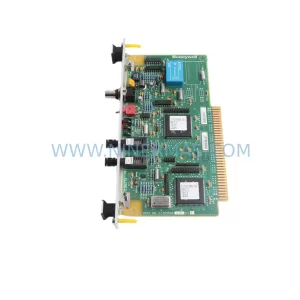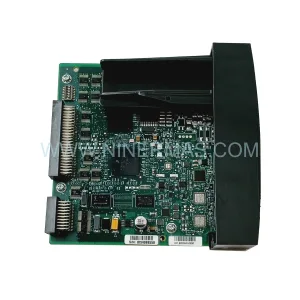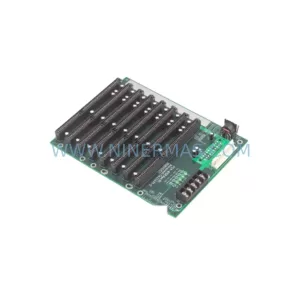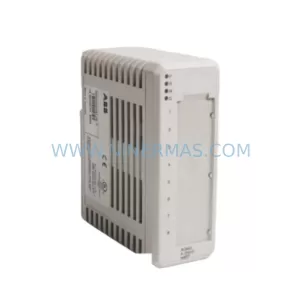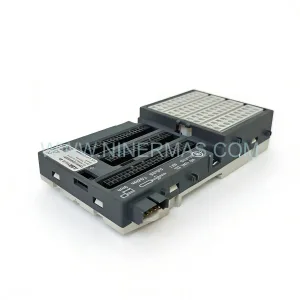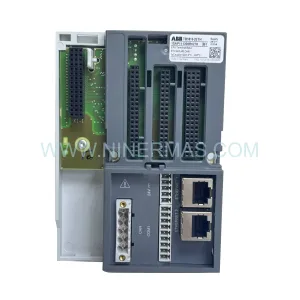
Original Industrial Spare Part
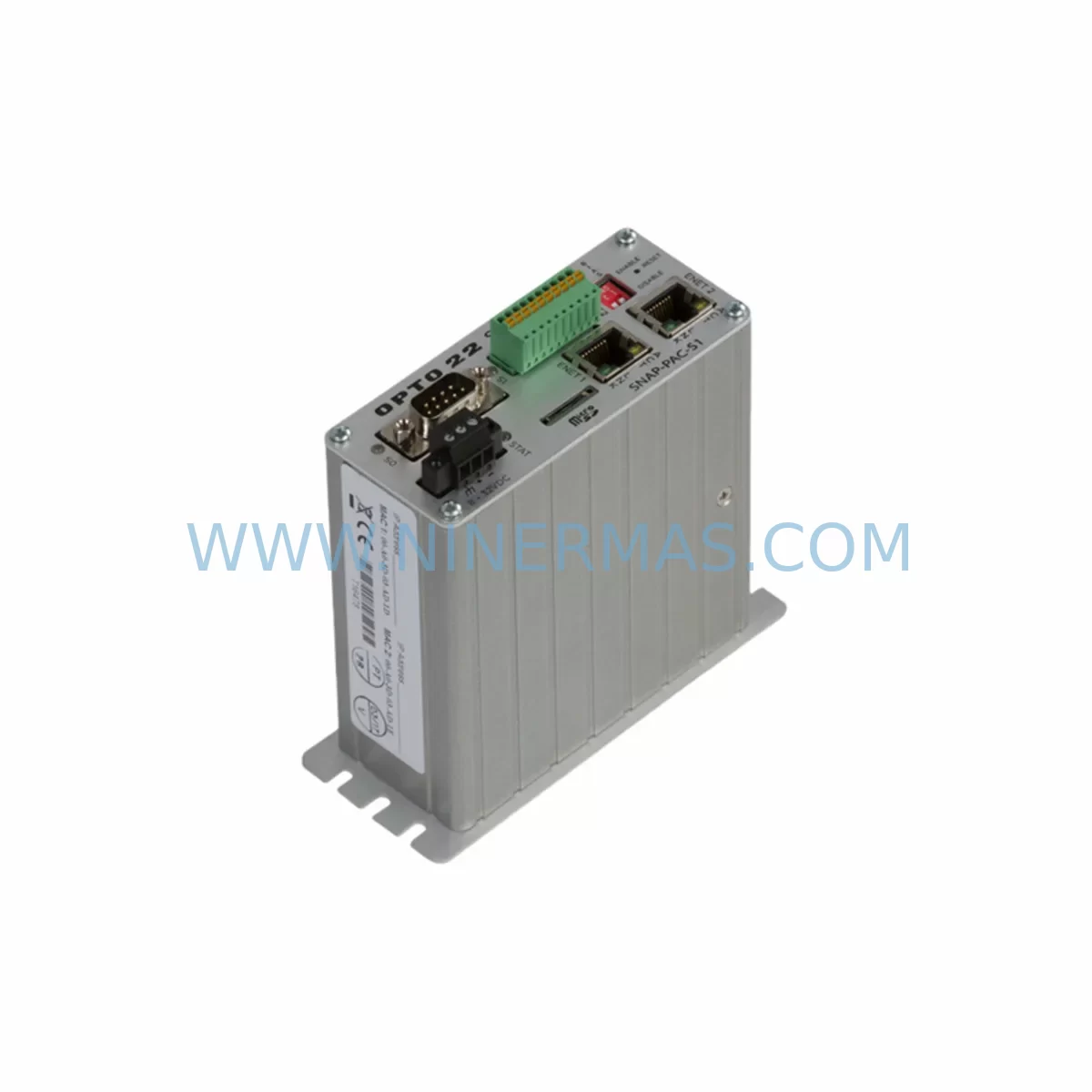
OPTO22 SNAP-PAC-S1 Service-Ready Spare Part
Verify the part, confirm the platform family, and move straight into quotation with the right commercial details.
RFQ Ready
- SKUSNAP-PAC-S1
- CategoryDCS Distributed Control Systems
- BrandOPTO22
- SupportAvailability, lead time, condition, and shipping coordination
How Buyers Usually Use This Page
- Confirm the exact part number and platform family before sending the quote request.
- Use direct email when quantity, condition, and destination are already defined internally.
- Switch to the broader brand or category archive when you need alternates nearby.
Series Navigation
Move through the most common platform families behind this part.
Product RFQ
Send this part directly for quotation.
Include quantity, required condition, destination country, and target delivery timing. Current reference: OPTO22 SNAP-PAC-S1 Service-Ready Spare Part with SKU SNAP-PAC-S1.
OPTO22 SNAP-PAC-S1 Service-Ready Spare Part for Industrial Maintenance
The OPTO22 SNAP-PAC-S1 is a standalone programmable automation controller (PAC) from the SNAP PAC Series, widely deployed in process control, discrete manufacturing, and critical infrastructure environments. As aging SNAP PAC systems approach end-of-life support cycles, maintaining a verified spare unit of the SNAP-PAC-S1 is a fundamental risk-mitigation strategy for maintenance engineers and procurement teams responsible for continuous plant operation.
The SNAP-PAC-S1 integrates a real-time control engine with built-in Ethernet communications, supporting both SNAP PAC I/O and legacy SNAP I/O modules. Its dual Ethernet ports enable flexible network topologies, and its onboard flowchart-based programming environment (PAC Control) allows rapid logic deployment without specialist PLC programming expertise. For facilities running mixed automation architectures, the SNAP-PAC-S1 serves as a reliable bridge controller capable of managing distributed I/O racks, serial devices, and OPC-based SCADA integrations simultaneously.
Unplanned controller failure is one of the highest-impact downtime events in any automated facility. A single SNAP-PAC-S1 failure can halt an entire production line, trigger safety shutdowns, or compromise batch integrity in regulated industries. Stocking a pre-tested, service-ready SNAP-PAC-S1 spare reduces mean time to recovery (MTTR) from days to hours — a critical advantage when OEM lead times for discontinued or allocated controllers can stretch to 12–26 weeks.
Spare Maintenance Table
| Parameter | Specification |
|---|---|
| SKU / Part Number | SNAP-PAC-S1 |
| Brand / Manufacturer | OPTO22 |
| Series | SNAP PAC Series |
| Controller Type | Standalone Programmable Automation Controller (PAC) |
| Processor | 32-bit RISC, 166 MHz |
| Memory | 32 MB RAM / 32 MB Flash |
| Communication Ports | 2 × 10/100 Ethernet (RJ-45), 1 × RS-232, 1 × RS-485 |
| I/O Compatibility | SNAP PAC I/O, SNAP Ultimate I/O, SNAP Simple I/O |
| Programming Environment | PAC Control (flowchart-based), PAC Manager |
| Power Supply Input | 12–24 VDC (via SNAP PAC rack or external supply) |
| Operating Temperature | 0°C to 70°C |
| Mounting | SNAP PAC rack-mount (compatible with SNAP-PAC-RACK1, RACK2) |
| Application Environment | Process control, discrete manufacturing, building automation, remote monitoring |
| Compatibility | Drop-in replacement for SNAP-PAC-S1-W (wireless variant housing); firmware-upgradeable |
| Warranty | 12 Months — tested before shipment |
Maintenance Planning for Continuous Operation
When scheduling a SNAP-PAC-S1 replacement or annual inspection, maintenance engineers should treat the controller as the hub of a broader system health review. The SNAP-PAC-S1 draws power from the rack’s integrated power bus; verifying the condition of the SNAP-PS5 or SNAP-PS24 power supply module before swapping the controller prevents a secondary failure from masking the root cause of the original fault.
The controller’s I/O communication relies on the integrity of the SNAP PAC rack backplane. Inspecting the SNAP-PAC-RACK1 or SNAP-PAC-RACK2 rack assembly for corrosion, loose module seating, and backplane connector wear is a mandatory pre-replacement step. Faulty backplane connections can cause intermittent I/O read errors that are frequently misdiagnosed as controller failures.
Analog signal quality is another critical checkpoint. SNAP analog input modules such as the SNAP-AIMA-4 (4-channel 4–20 mA input) and SNAP-AOA-23 (analog output) should be inspected for drift and calibration status during any SNAP-PAC-S1 maintenance window. Signal isolation between field instruments and the controller rack is best verified using a dedicated signal isolator or loop calibrator before returning the system to service.
For facilities using the SNAP-PAC-S1 in networked control architectures, the Ethernet switch or managed switch connecting the controller to the SCADA or DCS network should be inspected for port errors and firmware currency. Communication module integrity — particularly for any SNAP-SCM-485 serial communication modules handling Modbus RTU or RS-485 field devices — should be confirmed with a loopback test prior to controller swap.
Digital I/O modules, including relay output modules such as the SNAP-ODC5R and digital input modules like the SNAP-IDC5, should be functionally tested during the replacement window. Relay contacts in high-cycle applications may exhibit contact wear that only becomes apparent under load — a condition that can cause intermittent faults after a controller replacement if not addressed proactively.
Finally, if the SNAP-PAC-S1 interfaces with an operator HMI — whether a dedicated OPTO22 groov View panel or a third-party HMI terminal — verify that the HMI communication configuration (IP address, tag mapping, and polling rate) is documented and backed up before the controller is removed. Restoring HMI connectivity is often the longest step in a controller swap if configuration records are incomplete.
Site Replacement Workflow
Step 1 — Pre-Replacement Preparation: Download and archive the existing SNAP-PAC-S1 strategy file using PAC Manager. Confirm firmware version on the replacement unit and upgrade if necessary to match the production controller. Document all Ethernet IP assignments, serial port configurations, and I/O module slot assignments.
Step 2 — Power-Down Sequence: Follow the site’s lockout/tagout (LOTO) procedure. De-energize the SNAP PAC rack via the upstream power disconnect. Allow capacitors to discharge (minimum 30 seconds) before removing the controller from the rack slot.
Step 3 — Controller Swap: Remove the failed SNAP-PAC-S1 by releasing the module latch and sliding it from the rack. Insert the service-ready replacement unit, ensuring full backplane connector engagement. Restore power and confirm the controller boots to the expected firmware version via PAC Manager.
Step 4 — Strategy Restore and I/O Verification: Download the archived strategy file to the replacement controller. Run a full I/O scan to verify all modules are communicating correctly. Check analog channel values against known reference signals before releasing the system to automatic control.
Step 5 — System Handover: Confirm HMI connectivity, SCADA tag updates, and alarm system integrity. Log the replacement event in the site maintenance management system (CMMS) and update the spare parts inventory record. The replaced unit should be returned for evaluation — many SNAP-PAC-S1 failures are firmware or configuration-related and the hardware may be recoverable for secondary spare use.
Spare Parts Support FAQ
Q1: Is the SNAP-PAC-S1 still available as a new spare, or only as a refurbished unit?
The SNAP-PAC-S1 has transitioned to limited OEM availability. NINERMAS sources service-ready units that are fully tested, firmware-verified, and supplied with a 12-month warranty. Each unit undergoes functional verification prior to shipment to confirm communication port integrity, I/O bus operation, and power-on self-test completion.
Q2: Can the SNAP-PAC-S1 replacement unit run our existing PAC Control strategy without modification?
Yes, provided the replacement unit is loaded with the same or compatible firmware version as the original controller. Strategy files are hardware-independent within the SNAP PAC S-series family. NINERMAS recommends confirming firmware compatibility during the pre-replacement preparation phase and supplying the target firmware version at time of order if a specific version is required.
Q3: What is the recommended spare parts stocking strategy for SNAP PAC S-series controllers?
For facilities with two or more SNAP-PAC-S1 units in production, a minimum of one cold spare per site is recommended. For single-controller critical applications, a warm spare with a pre-loaded strategy file stored in a controlled environment is the preferred approach. NINERMAS supports long-term supply agreements for customers requiring guaranteed spare availability over 12–36 month procurement cycles.
Q4: How does NINERMAS verify compatibility before shipment?
Each SNAP-PAC-S1 unit is bench-tested using OPTO22 PAC Manager to confirm Ethernet communication on both ports, successful strategy download and run, and I/O bus enumeration with a reference rack. A test report is available upon request. Units are shipped in anti-static packaging with firmware version documentation included.
| Product Series | Other series |
|---|
Catalog Continuation
More OPTO22 modules in the catalog.
Use the brand lane to compare nearby part numbers, platform-adjacent modules, and other inquiry-ready listings before sending your final RFQ.
Catalog Continuation
Alternative parts within DCS Distributed Control Systems.
Stay inside the same system family when you need substitutes, adjacent modules, or a broader shortlist for procurement review.