October 31 is close enough that a FLEX I/O spare decision should no longer sit in an unassigned maintenance action list. As checked on October 28, 2026, Rockwell Automation’s official 1794-ADN product page identifies October 31, 2026 as the discontinued date and lists 5094-AENTR as an engineering replacement. This is a review of a current lifecycle deadline, not a claim that Rockwell issued a new announcement today.
The important word is engineering. A named replacement is not evidence that an existing DeviceNet station can accept a different adapter with unchanged wiring, controller configuration and commissioning. Equally, an end-of-sale date does not make every installed adapter fail on that date. Maintenance needs two plans: a defensible way to keep the present station recoverable, and an approved route away from the dependency.
Separate the spare decision from the project decision
A bridge spare supports an already qualified installation for a defined remaining period. A migration changes the installation. Combining both into one purchase request can produce a technically modern delivery that is unusable during an emergency, or an inexpensive legacy purchase with no plan for the next shutdown.
For an existing station, the Allen-Bradley 1794-ADN DeviceNet adapter is the relevant catalog reference to investigate. Confirm the full label, series, condition, required configuration and acceptance evidence with the supplier. A published listing is not confirmation of stock, factory availability or suitability for every series of an installed system.
For the migration project, ask a different question: what must change between the controller and the field terminals? Assign ownership for network design, I/O selection, drawings, software changes and validation. Do not authorize a substitution merely because an online cross-reference places two part numbers on the same row.
The installed station is more than its adapter
Walk one representative station with its drawing and maintenance history. Record the adapter, every I/O module, terminal-base references, power sources, network connection and the loads that lose control when the station becomes unavailable. Include equipment that remains powered from another source. This is an inventory exercise, not permission to disconnect a running station.
Terminal bases deserve their own line in the record. An existing 1794-TB3 FLEX I/O terminal base may be part of the legacy repair scope, but its presence says nothing about mechanical or electrical reuse in a new platform. Keep the terminal-base identity attached to the actual module and wiring arrangement rather than buying a generic base by appearance.
Also identify where the recoverable configuration lives. A laptop that once commissioned the station is not automatically a reliable archive. Locate the approved project, network records, device settings and software needed to inspect them. Record who has successfully opened those files and how the record will be accessed outside normal office hours.
A short runway needs explicit priorities
Start with consequences rather than a blanket quantity. A station controlling a shared utility may have a different recovery priority from an independently bypassable packaging section. Compare the interruption, safe shutdown requirements, repair options and approved project schedule. Inventory should follow that analysis, not a fear-driven assumption that every station needs an identical shelf reserve.
Then define the bridge horizon. A spare purchased for a shutdown six months away has a different purpose from one intended to support a plant with no funded migration. Write that purpose into the request. Without it, temporary stock can quietly become a permanent strategy while engineering work remains unassigned.
For surplus or refurbished equipment, specify what evidence will be accepted. Useful records include identifiable labels, condition photographs, an agreed functional test scope and clear commercial terms. A power-on photograph alone cannot establish communication under the site’s configuration. Avoid asking a supplier to certify a complete production application that has never been provided for assessment.
Define the migration boundary before ordering
A practical boundary document can be only a few pages. It should state the retained field devices, the equipment to be removed, the intended network, power changes, controller dependencies and the responsibilities for each interface. Mark unresolved assumptions clearly. A blank line is better than a guessed compatibility statement that later becomes a purchasing requirement.
Commissioning must demonstrate more than healthy status indicators. Agree how the team will check channel identity, scaling, control permissions, communication loss and restoration, and the process response to unavailable data. These tests belong in an approved site procedure with appropriate isolation and operations participation. They are not live-production experiments.
Retain a rollback decision point while rollback is still physically possible. Specify who can stop the work, what evidence triggers that decision and what equipment must remain available. Returning an old adapter to a rail is not a complete rollback if wiring, software or network infrastructure has already changed without a recoverable record.
Questions maintenance and procurement should resolve
Does October 31 mean the installed 1794-ADN stops working?
No. The cited date concerns the product’s commercial lifecycle. Installed equipment condition and plant risk require separate assessment. Do not reinterpret an end-of-sale date as a failure prediction, a safety certification change or a universal service termination date.
Can we order 5094-AENTR as a direct swap?
Not on the strength of the replacement listing alone. Rockwell labels the relationship as engineering replacement. Have the responsible engineer define the required architecture and validate the exact migration scope before procurement treats it as interchangeable stock.
Should every DeviceNet station receive a spare?
Not automatically. Consider station consequence, commonality, tested recovery capability and the duration of continued use. A smaller, well-qualified reserve with accessible configuration evidence can be more useful than a larger collection of unidentified modules.
What should we send with a quotation request?
Provide the complete adapter identity, photographs, quantity, acceptable condition, destination and required delivery window. Add the installed I/O and terminal-base references when the request covers a station package. State whether the purpose is legacy recovery or engineered migration.
Make the request useful to both teams
Send NINERMAS the exact FLEX I/O references and the intended bridge period for a focused quotation. Keep migration assumptions in a separate engineering scope. That distinction helps procurement obtain the right evidence today while the maintenance team retains a realistic route beyond the lifecycle deadline.
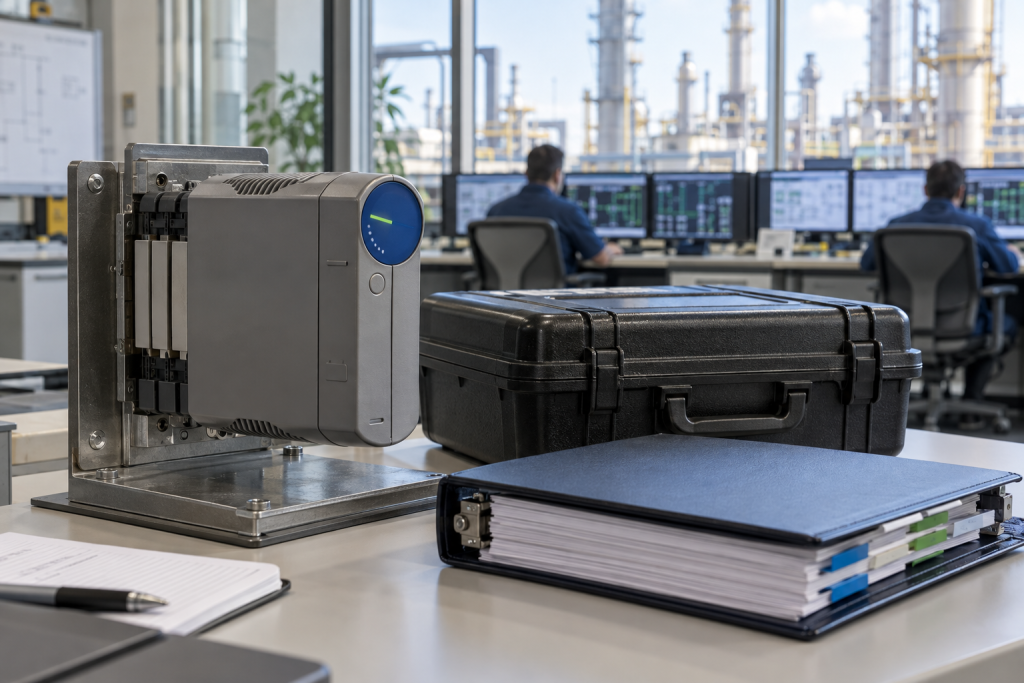
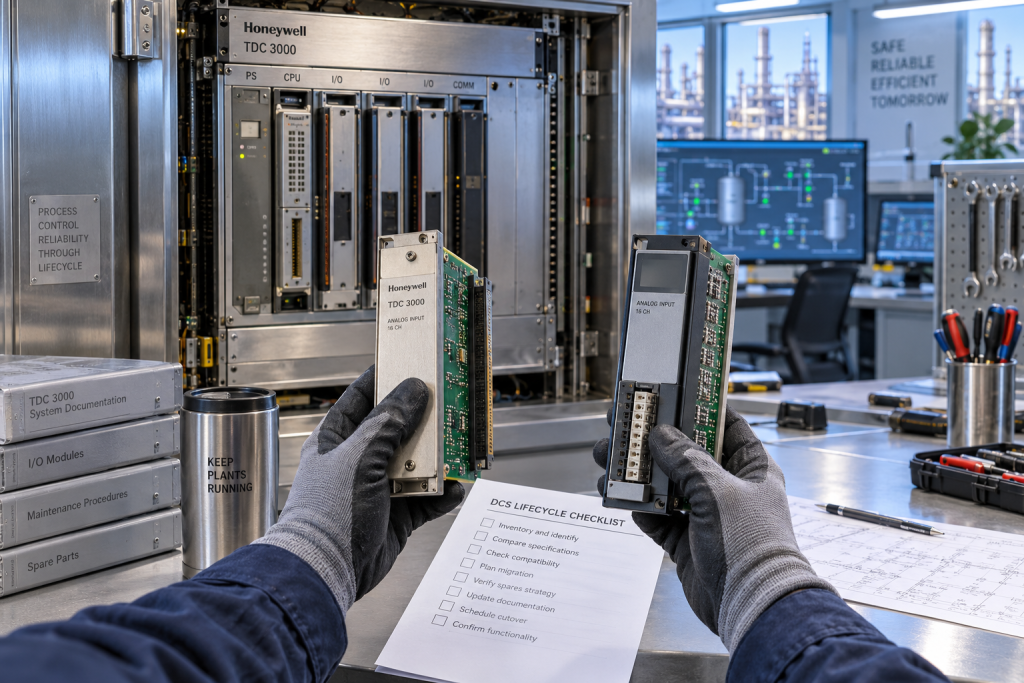
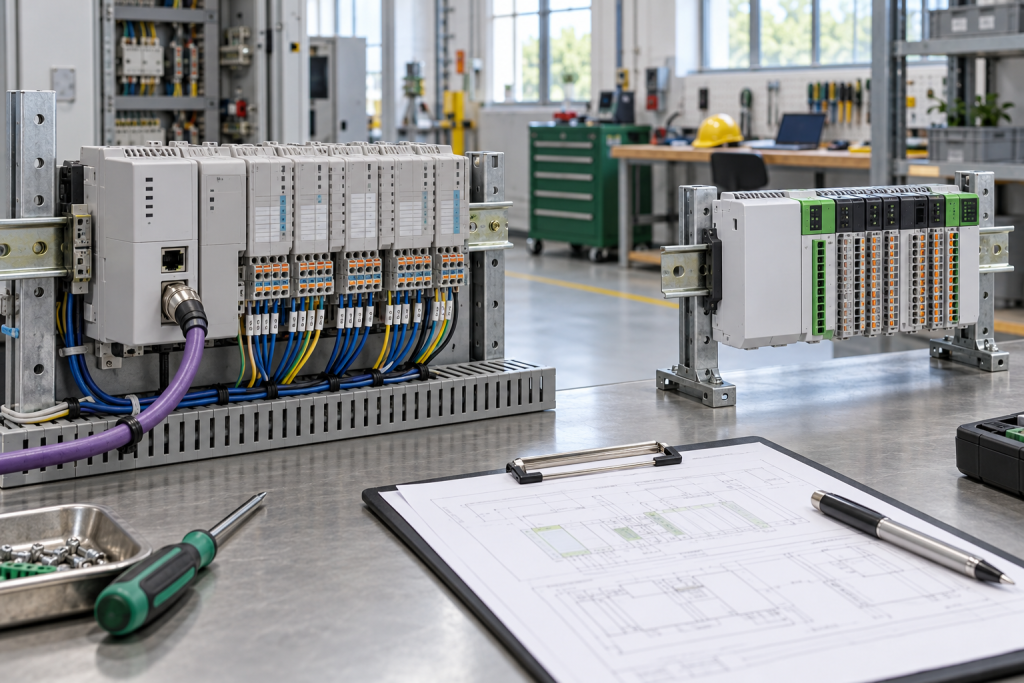
Image: AI-generated editorial illustration, not an exact product photograph or installation reference.
© 2026 NINERMAS. All rights reserved. Official Website: https://ninermas.com Inquiry: sale@NINERMAS.com | WhatsApp/Tel: +86 187 5021 5667
Next Step
Move the research into a cleaner RFQ.
Send the part number, quantity, condition expectation, destination, and timing details so the sourcing team can reply with better availability and lead-time context.