A lifecycle notice arrives, and the purchasing request immediately becomes urgent: buy every controller available before support disappears. That reaction can spend the maintenance budget without resolving the real exposure. For a Honeywell C300 installation, legacy support, spare availability and migration readiness are separate questions. A useful purchase decision begins by separating them.
Honeywell’s June 2025 System Hints newsletter announced that CC-PCNT02 would reach legacy support in the second quarter of 2026. It described spare and replacement availability under the applicable support policy, rather than an immediate stop to every form of support. This is an older planning notice, not a newly issued October announcement. Plants should confirm their present entitlement and the current model-specific policy directly before committing money.
Read the notice as a scope statement
A product can leave its normal sales phase while remaining serviceable in an installed system. Equally, a supplier can offer a physical spare without providing the software support, engineering assistance or project approvals needed to put that spare into service. Neither situation is unusual. The mistake is treating one answer as proof of all the others.
Build a short decision record with three columns: what the manufacturer has stated, what the site’s service agreement covers, and what the independent supplier is offering. Keep dated documents attached to each column. A forecast in an older newsletter should not become a guaranteed delivery commitment in a purchase order, and a product listing should not become an official support certificate.
The newsletter also discussed migration from PCNT01 and PCNT02 toward PCNT05. Its mention of planned release capabilities must be checked against the release actually installed at the plant. A common footprint is useful engineering information, but it is not permission to exchange controllers without a validated migration procedure.
Count the controllers that a spare can actually cover
Begin with an installed-base register rather than a warehouse total. Record the complete controller reference, assembly identification, software release, associated termination assembly, redundancy arrangement and process duty. Separate running units, repair returns, untested stock and approved service spares. Only the last group should be counted as available for an outage response.
For a plant retaining an earlier C300 generation, a listing for a Honeywell CC-PCNT01 C300 controller provides a concrete reference for a sourcing discussion. It does not establish interchangeability with PCNT02 or PCNT05. Send the complete installed identity and required release compatibility, not just the family name, when asking whether a particular unit can cover the intended position.
Coverage also depends on access to the recovery package. A matching controller held in stores is not an operational spare if nobody can locate the approved project, necessary tools or commissioning instructions. Treat the hardware and the controlled recovery information as separate assets that must remain linked in the maintenance system.
Use bridge stock to buy time for a defined project
Bridge stock is justified when it protects production until a realistic modernization milestone. Its purpose is not to postpone a decision indefinitely. Give each critical controller group an owner, a review date and an exit condition, such as completion of a migration design, a tested replacement architecture or an approved shutdown package.
Estimate the consequence of an unavailable spare using the site’s own evidence: redundancy limitations, repair turnaround experience, production dependence and the practical window for maintenance. Do not substitute an unsupported industry failure rate. Two controllers serving different plant functions may need different stock strategies even when their labels match.
Also distinguish the budget for continuity from the budget for modernization. Buying a compatible replacement, recovering an application and upgrading a control platform are different scopes. Combining them into one vaguely worded request encourages quotations that cannot be compared fairly.
Compare quotations on evidence, not reassuring adjectives
Ask each supplier to identify the offered unit, its condition, any known repair history and the test evidence available for that exact serial number. Specify whether the quotation includes only the controller or additional assemblies. Define which documents must arrive before shipment, what receiving inspection will establish, and how a mismatch will be handled.
Terms such as refurbished, tested or service-ready need an agreed meaning. A powered status check is different from a controlled functional test, and neither alone proves operation with the plant’s exact application. Where application testing is unavailable, document the limitation instead of quietly treating it as completed.
A practical review can end with three different decisions: purchase a limited bridge spare, obtain an engineering assessment, or advance the migration project. None is automatically superior. The right choice is the one supported by the installed system, current support position and credible recovery plan.
Questions maintenance and purchasing teams ask
Does legacy support mean the controller stops working?
No. A support classification describes a commercial and service position; it is not a timer that disables hardware. Continued operation still needs an assessment of maintenance support, recoverability and the site’s process risk.
Can PCNT01, PCNT02 and PCNT05 share one spare line?
Do not assume so. Keep exact references separate until engineering has verified the permitted replacement or migration arrangement for the installed release and associated hardware. Similar appearance or footprint is insufficient.
Should we buy the largest possible quantity now?
Not without a coverage calculation. An excessive stock of unverified units may tie up funds while leaving recovery gaps untouched. Prioritize critical positions, documented compatibility and a realistic modernization schedule.
Does an independent spare extend the manufacturer’s support?
No. The hardware purchase and the manufacturer’s support entitlement are separate arrangements. Confirm both explicitly, including any engineering services required for installation, before approving the purchase.
Make the next inquiry specific
Send NINERMAS the controller reference, assembly label, installed release, quantity and intended role as a repair replacement or bridge spare. Use the technical sourcing inquiry to state the evidence and condition you require. A clearly bounded request makes it easier to compare availability and acceptance terms without confusing a spare purchase with a migration approval.
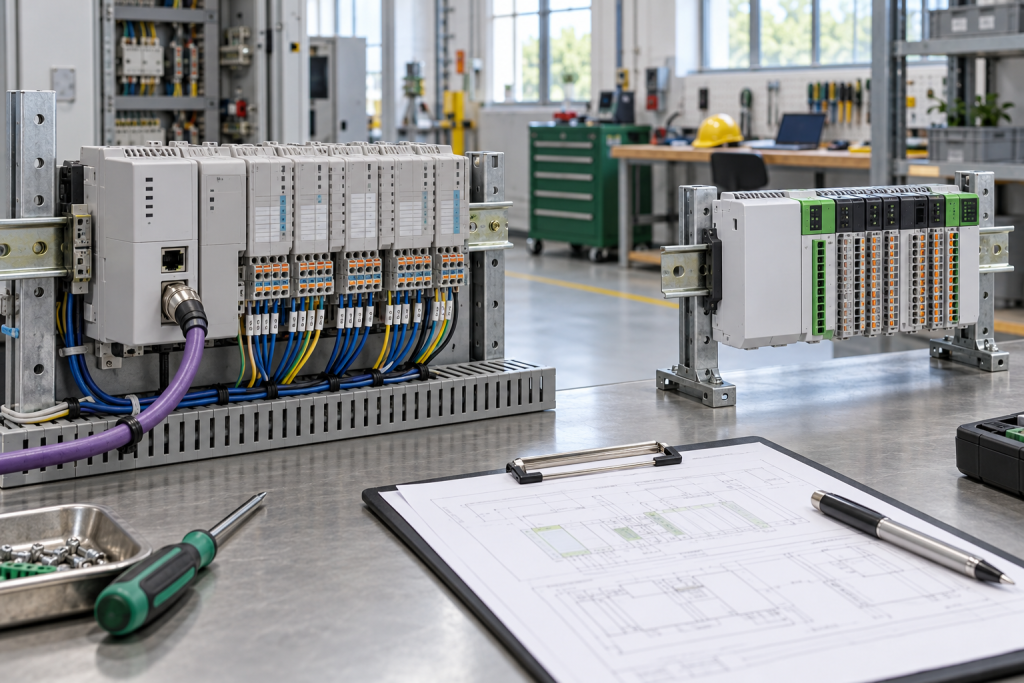
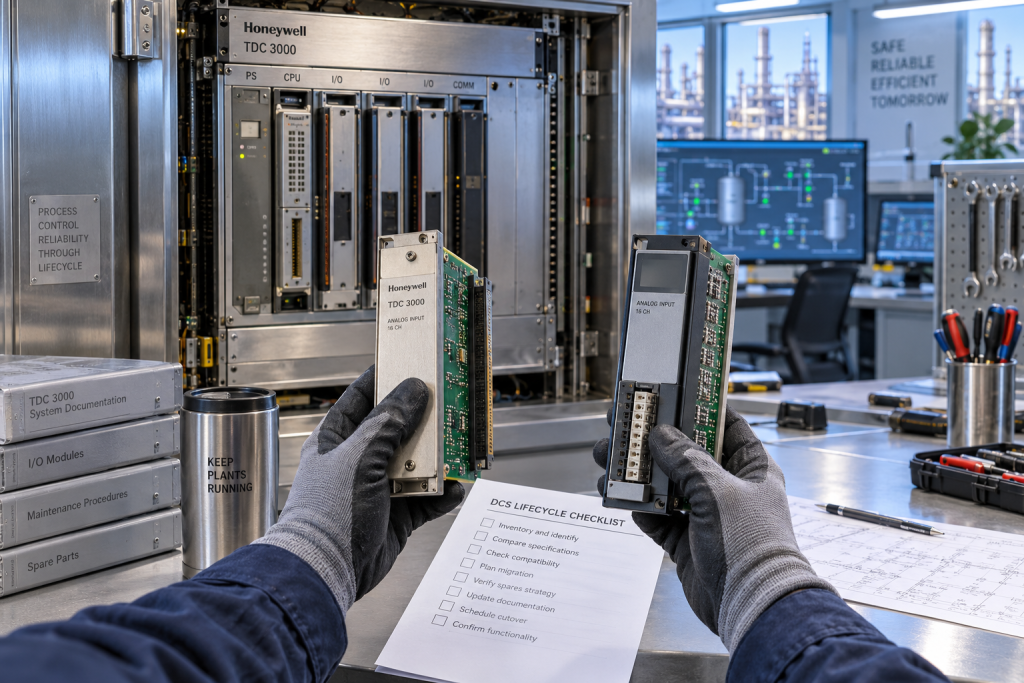
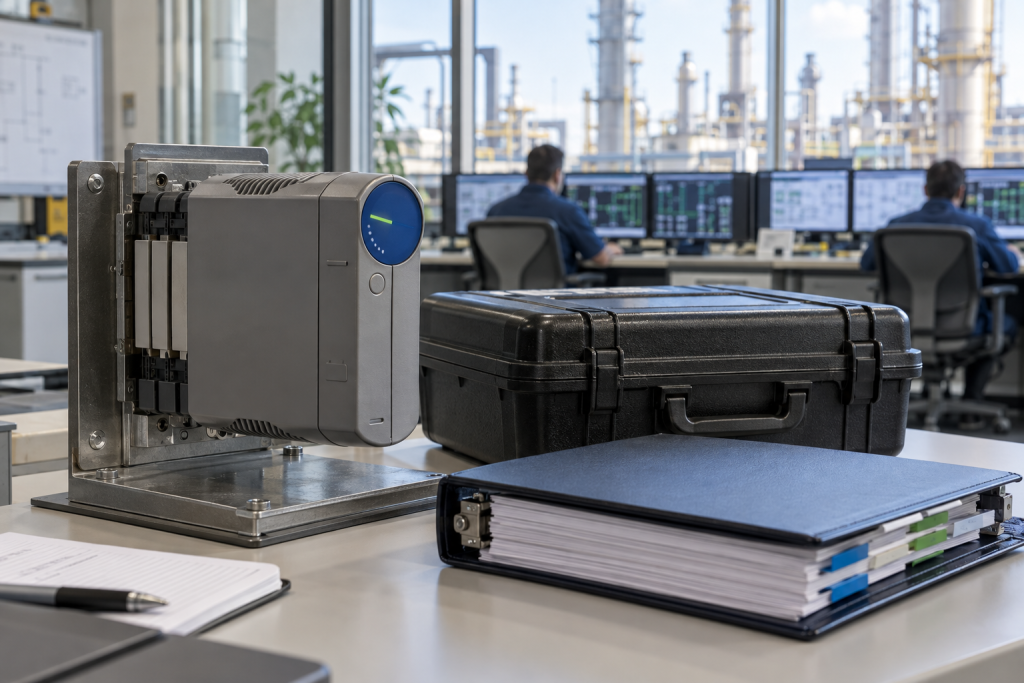
Image: AI-generated editorial illustration, not an exact product photograph or installation reference.
© 2026 NINERMAS. All rights reserved. Official Website: https://ninermas.com Inquiry: sale@NINERMAS.com | WhatsApp/Tel: +86 187 5021 5667
Next Step
Move the research into a cleaner RFQ.
Send the part number, quantity, condition expectation, destination, and timing details so the sourcing team can reply with better availability and lead-time context.