
Description
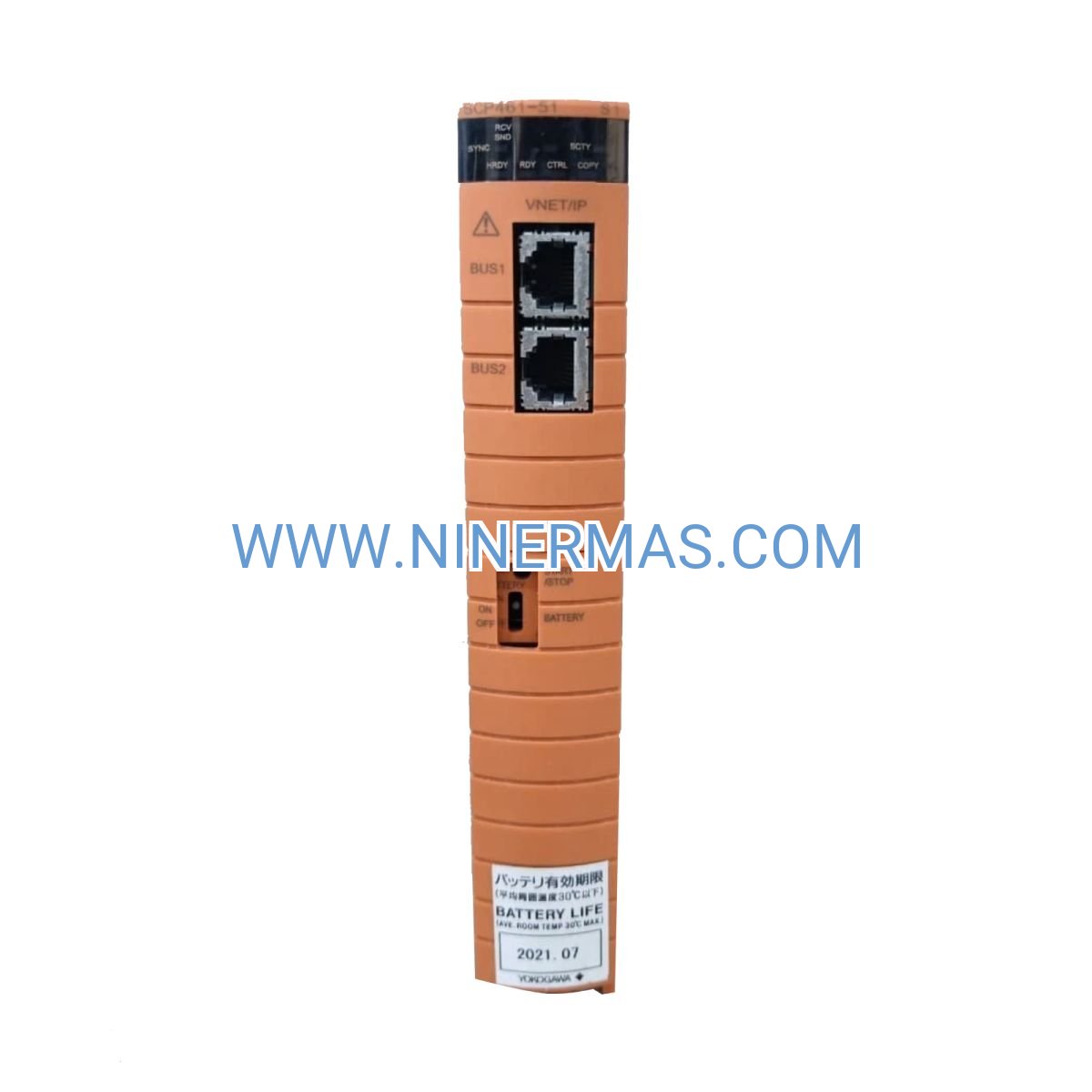
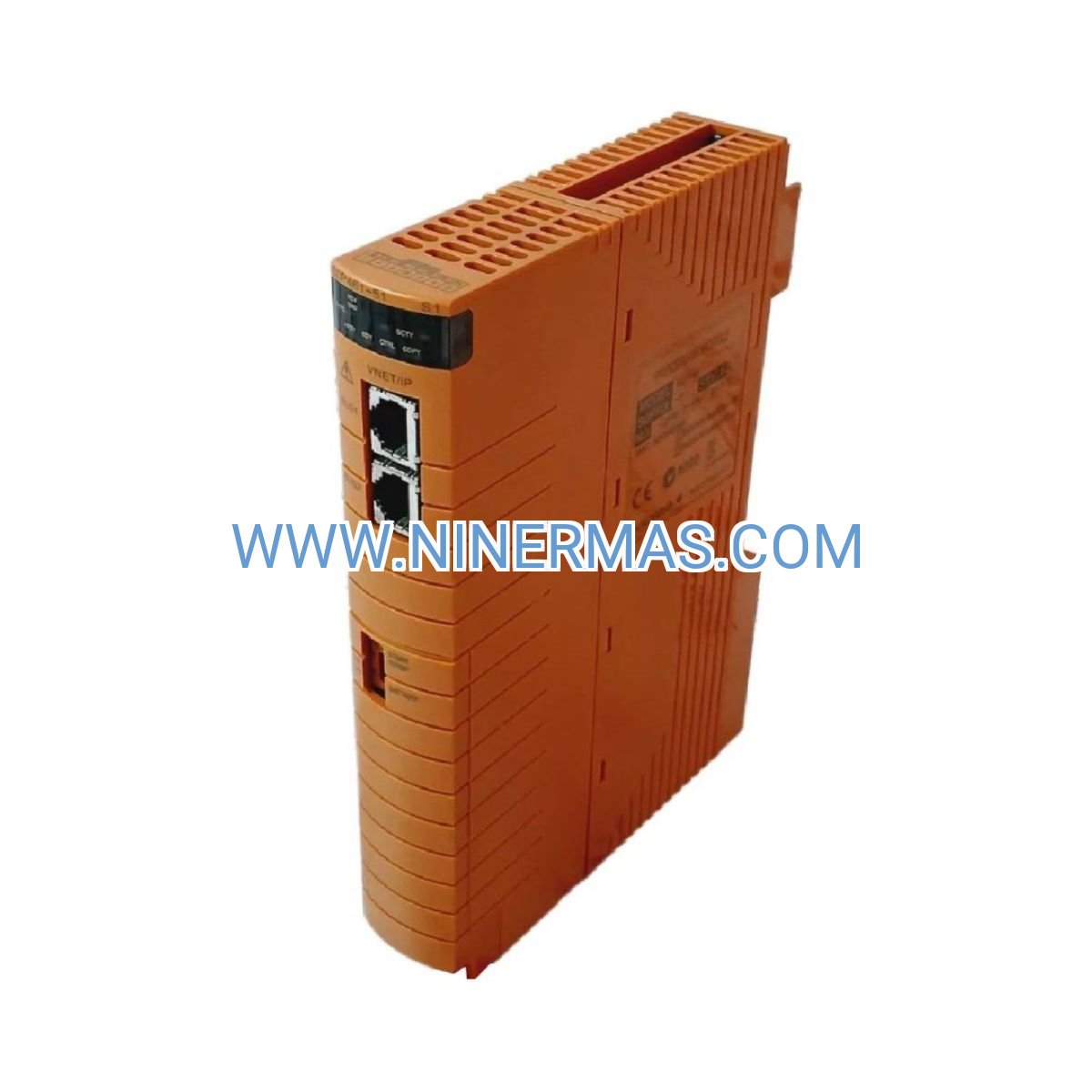
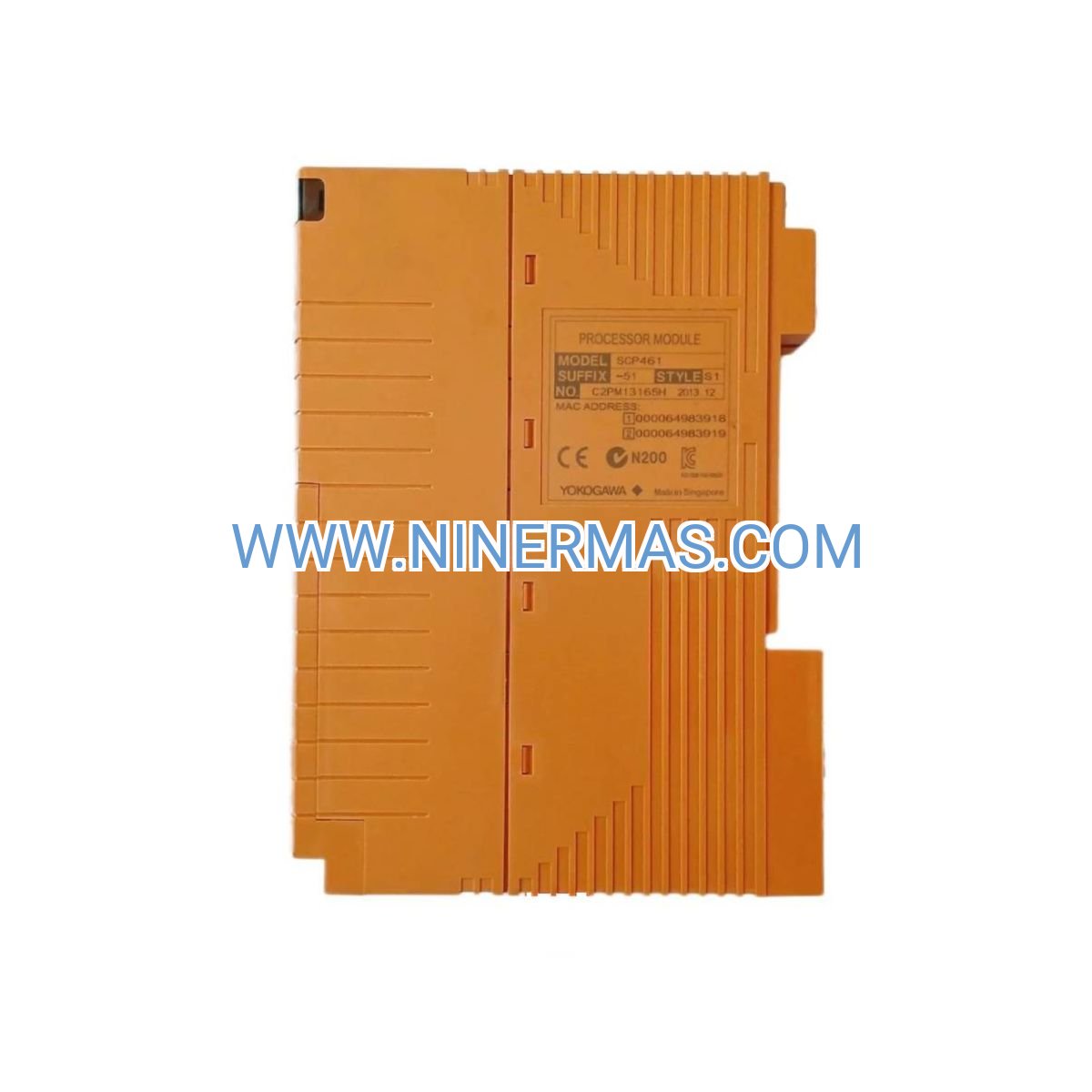
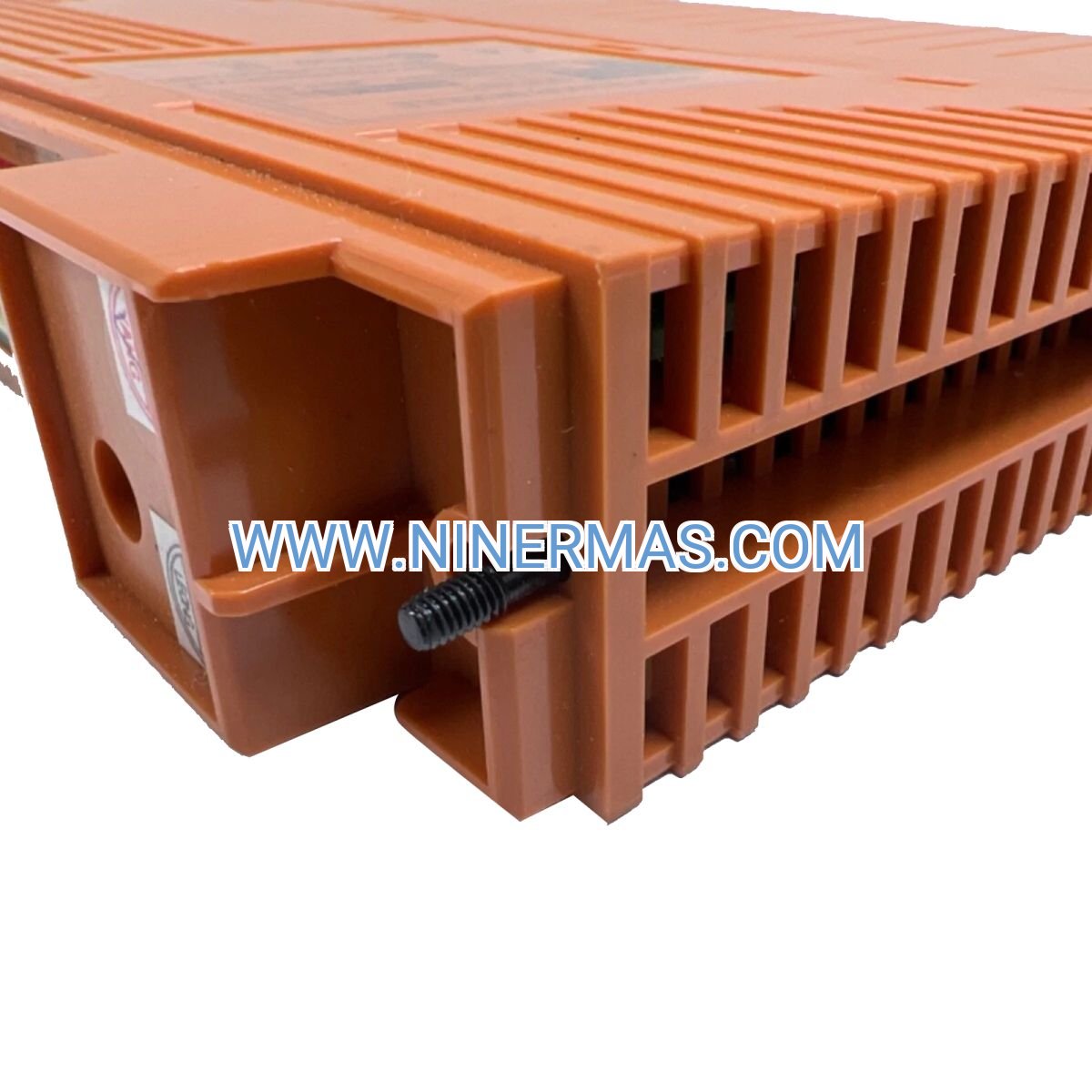
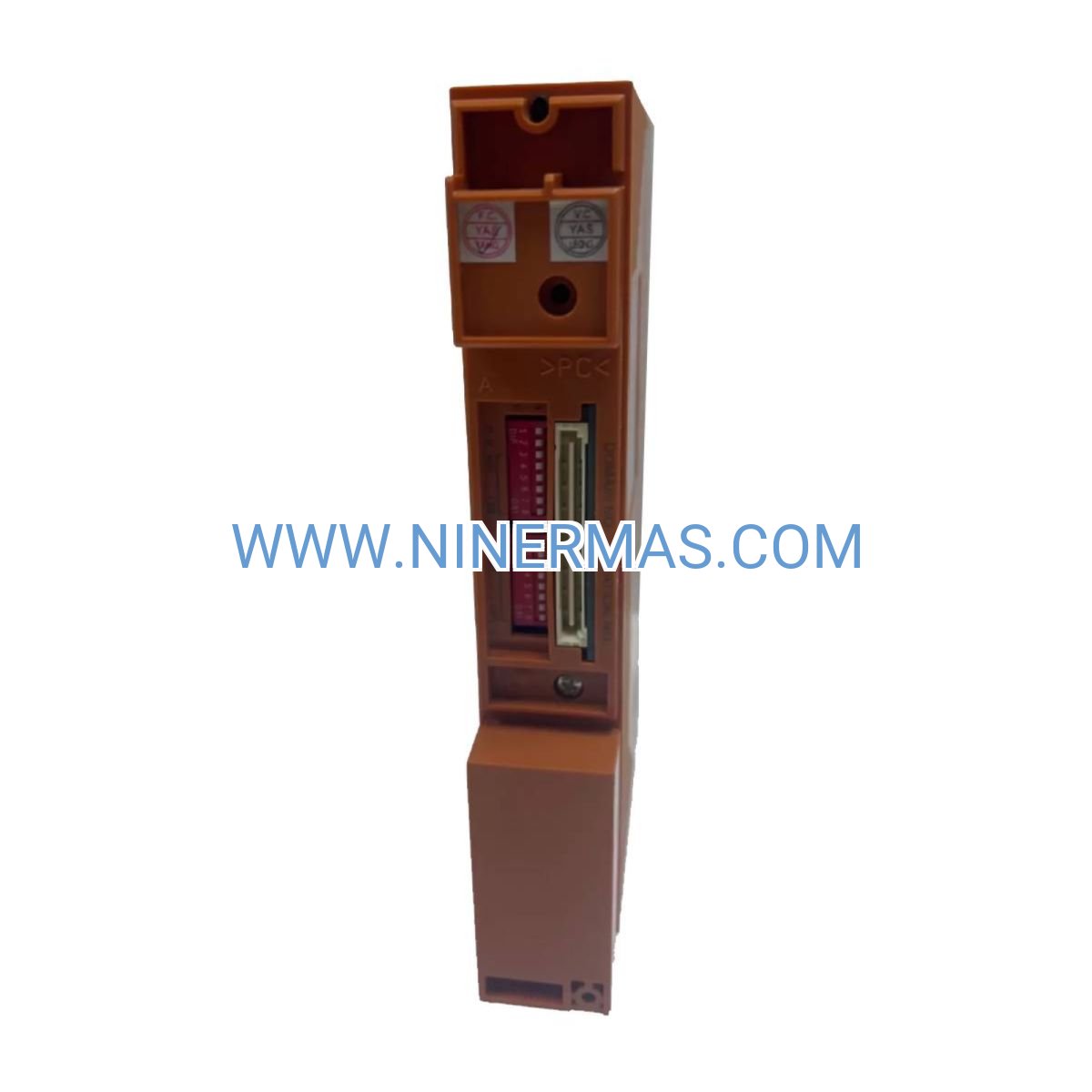
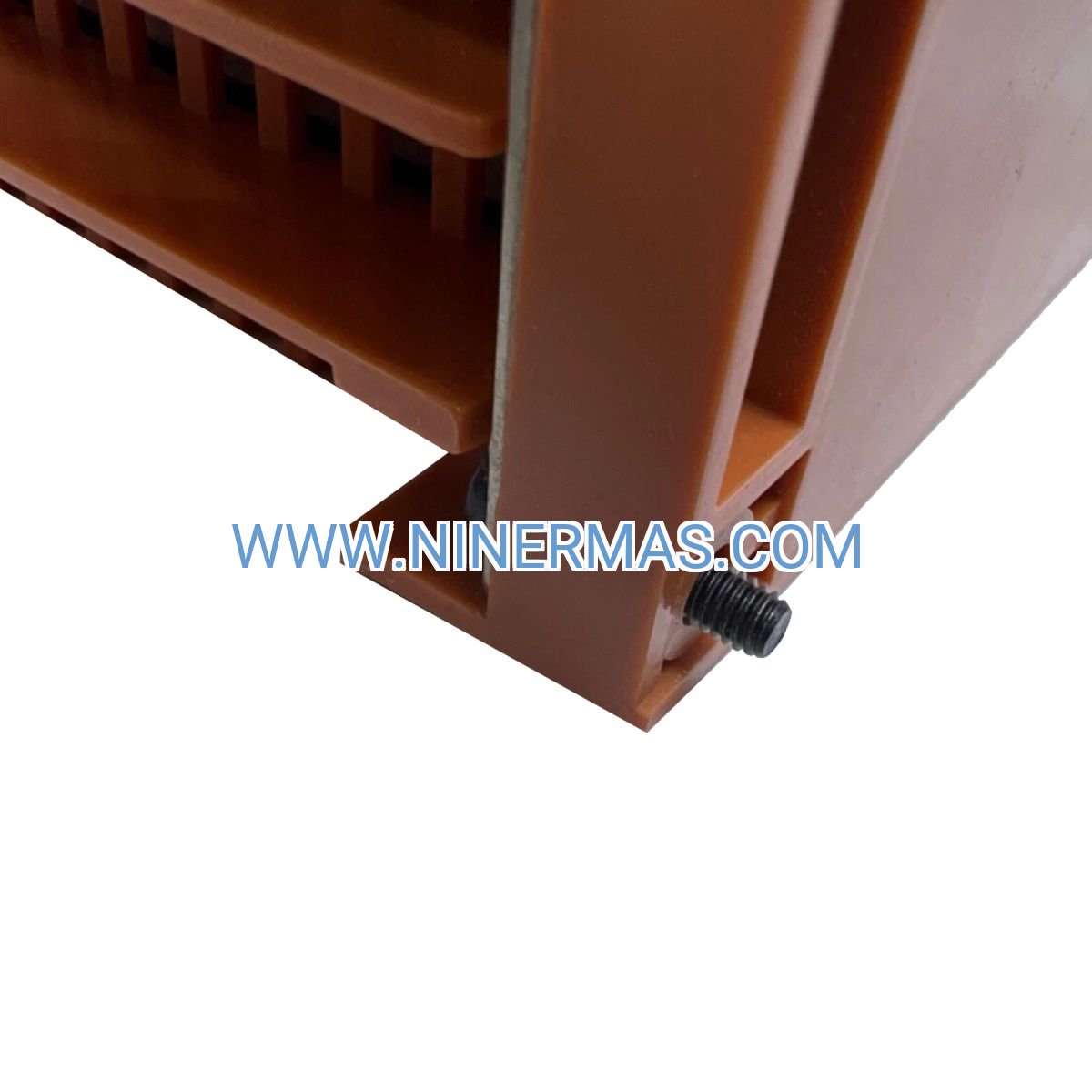
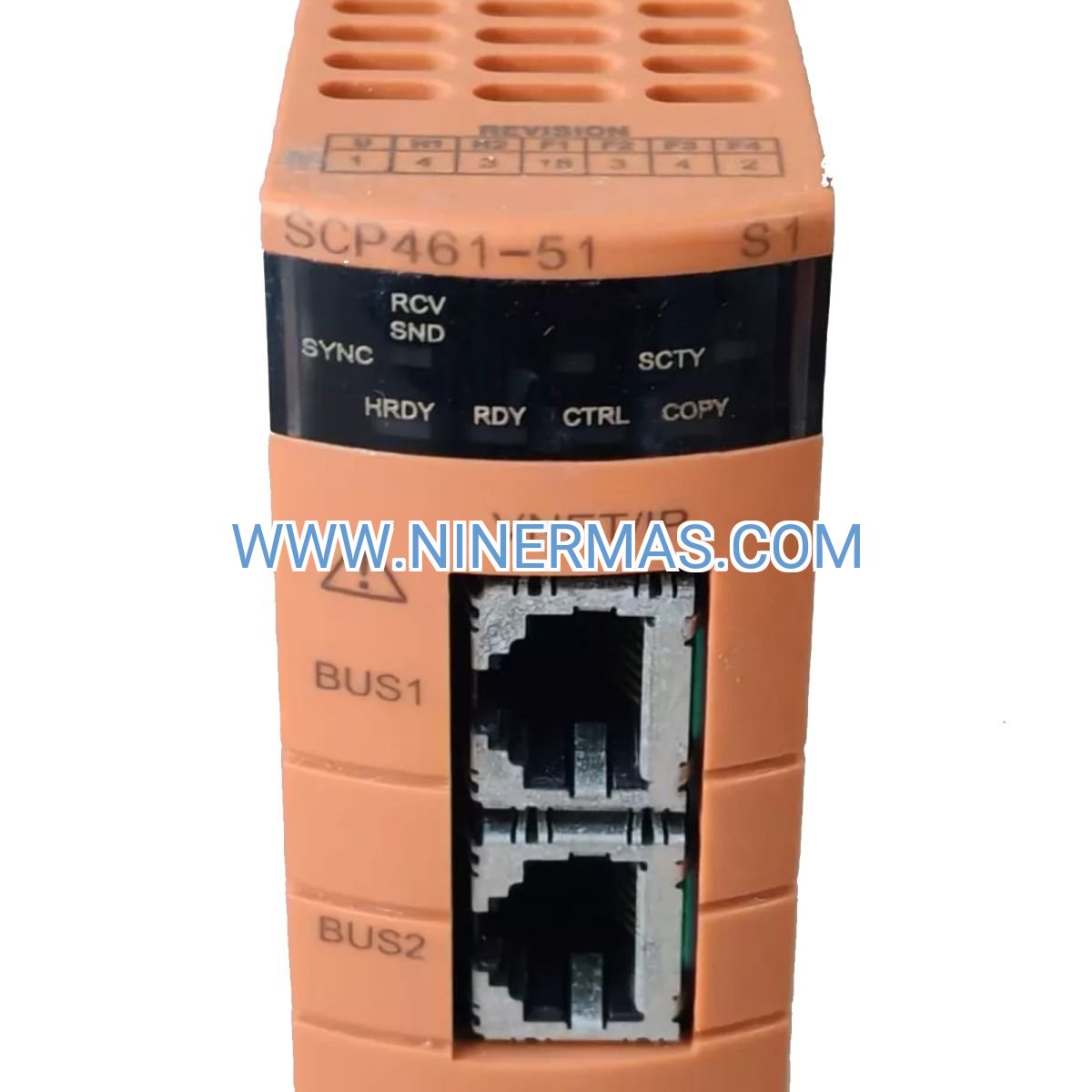
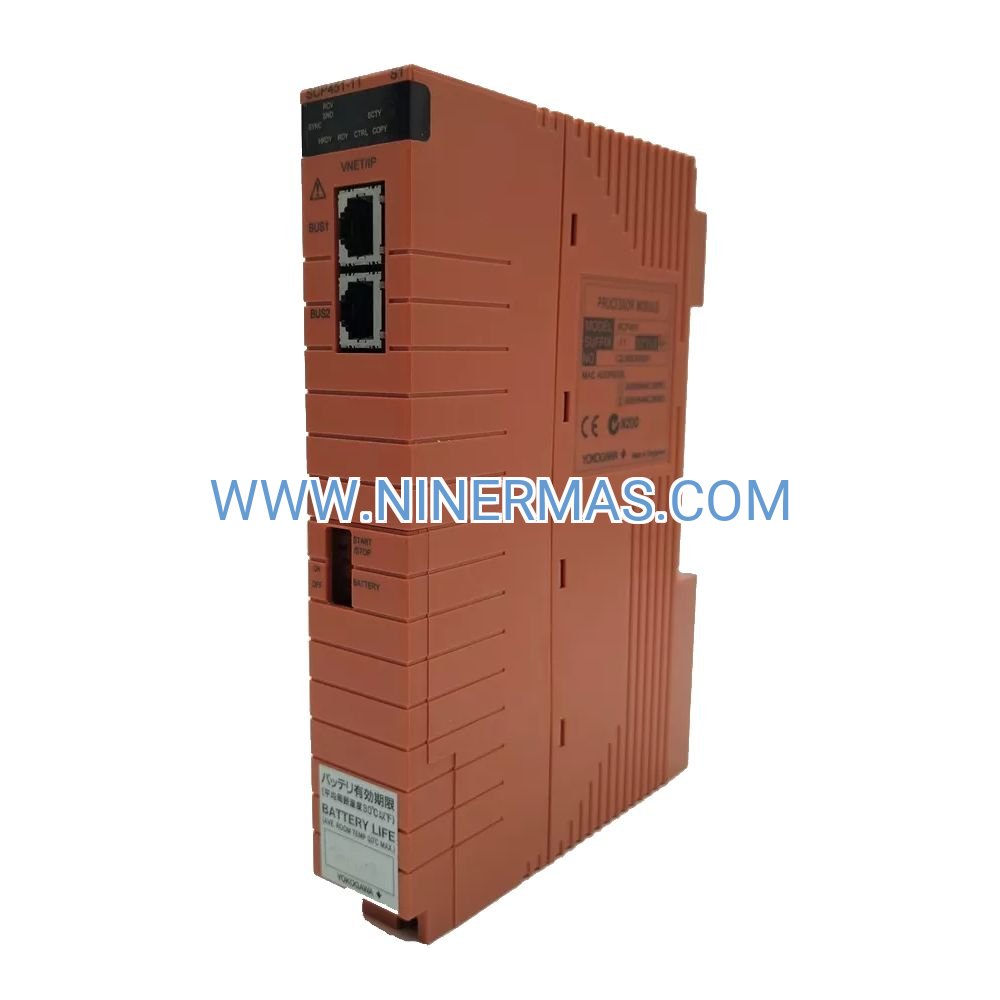
SCP461-51 S1 Safety Processor Module (Industrial-Grade Control Solution)
The SCP461-51 S1 is a high-integrity safety processor designed for fail-safe operation in hazardous industrial environments. Built on ARM Cortex-A57 quad-core architecture running at 1.5 GHz, this module delivers deterministic response times and certified safety performance for emergency shutdown systems, burner management, and process interlocks. Engineered for Yokogawa ProSafe-RS distributed safety platforms, it combines dual-OS capability with SIL 3 compliance to protect personnel, assets, and the environment.
Industries relying on continuous process operations—from offshore platforms to pharmaceutical clean rooms—trust this processor for its proven reliability in preventing catastrophic failures. The module's redundant communication architecture and hot-swappable design ensure maximum uptime while maintaining safety integrity levels required by international standards. Whether you're upgrading legacy systems or designing new safety instrumented systems (SIS), the SCP461-51 S1 provides the computational power and certification credentials demanded by modern industrial automation.
With built-in cybersecurity features, comprehensive diagnostics, and support for complex voting configurations, this processor serves as the brain of safety-critical control loops. Its industrial-grade construction withstands extreme temperatures (-20°C to +60°C) and harsh operating conditions, making it suitable for deployment in refineries, chemical plants, power stations, and water treatment facilities worldwide.
Core Features & Benefits
✓ SIL 3 Certified Safety Integrity: Meets IEC 61508 functional safety standards with proven risk reduction capabilities, enabling compliance with industry regulations for high-demand safety applications. Reduces probability of dangerous failures to acceptable levels for critical process protection.
✓ Dual Operating System Architecture: Runs both Linux and VxWorks real-time OS simultaneously, allowing flexible programming environments while maintaining deterministic safety response under 100ms. Supports legacy code migration and modern development tools.
✓ Quad-Core Processing Power: ARM Cortex-A57 CPU at 1.5 GHz handles complex safety logic, continuous diagnostics, and communication tasks concurrently without performance degradation. Processes thousands of I/O points with microsecond precision.
→ Redundant Ethernet Connectivity: Dual network interfaces provide fault-tolerant communication paths for distributed safety systems. Automatic failover ensures uninterrupted data exchange even during network disruptions or cable damage.
→ Hot-Swappable Maintenance: Replace modules during operation without system shutdown, minimizing production losses during scheduled maintenance or emergency repairs. Automatic configuration synchronization upon insertion.
→ Enhanced Memory Capacity: Expanded RAM supports sophisticated control strategies, extensive alarm management, and detailed event logging. Stores complete safety logic, historical trends, and diagnostic data locally.
Typical Application Scenarios
Oil & Gas Production Facilities: Implements emergency shutdown (ESD) logic for wellhead platforms, separators, and pipeline systems. Monitors pressure, temperature, and flow parameters to initiate automatic isolation sequences during abnormal conditions. Prevents blowouts, fires, and environmental releases by executing safety functions within certified response times. Integrates with fire and gas detection systems for coordinated emergency response.
Chemical Manufacturing Plants: Protects reactors, distillation columns, and storage tanks from runaway reactions, overpressure, and toxic releases. Executes batch interlocks to prevent incompatible material mixing and maintains safe operating envelopes. Coordinates with distributed control systems (DCS) to implement defense-in-depth strategies. Reduces insurance premiums through documented safety system performance.
Power Generation Stations: Controls turbine overspeed protection, boiler flame monitoring, and generator synchronization safety. Prevents equipment damage from abnormal vibration, bearing temperatures, and lubrication failures. Implements blackout prevention logic and load shedding sequences during grid disturbances. Meets NERC reliability standards for critical infrastructure protection.
Pharmaceutical Production: Maintains sterile processing conditions through continuous monitoring of clean room pressures, HVAC systems, and sterilization cycles. Prevents cross-contamination by enforcing material flow interlocks and equipment cleaning verification. Documents all safety actions for FDA 21 CFR Part 11 compliance and batch record integrity.
Water & Wastewater Treatment: Safeguards chlorination systems from overdosing incidents that could endanger public health. Protects pumps and motors from dry-run conditions, cavitation, and electrical faults. Prevents overflow events through coordinated level control and emergency diversion logic. Ensures regulatory compliance for environmental discharge permits.
Technical Parameters & Selection Guide
| Specification | Value |
|---|---|
| Processor Type | ARM Cortex-A57 Quad-Core, 1.5 GHz |
| Safety Certification | SIL 3 per IEC 61508, TÜV certified |
| Operating Systems | Linux + VxWorks RTOS (dual OS) |
| Response Time | <100ms (deterministic safety loop) |
| Communication | Redundant Ethernet (RJ45), Modbus TCP/IP |
| Operating Temperature | -20°C to +60°C (industrial grade) |
| Power Supply | 24 VDC (redundant input recommended) |
| Mounting | DIN rail or panel mount |
| Dimensions (H×W×D) | 130mm × 90mm × 120mm |
| Weight | 1.0 kg (approximate) |
Selection Criteria: Choose the SCP461-51 S1 when your application requires SIL 3 safety integrity with moderate I/O capacity (up to 2,000 points). For larger systems exceeding 5,000 I/O points or requiring SIL 4 certification, consider redundant processor configurations using 1oo2 or 2oo3 voting architectures. Evaluate your safety loop response time requirements—this module guarantees sub-100ms execution suitable for most process industry applications. If your facility operates in extreme environments below -40°C or above +70°C, consult factory specifications for extended temperature variants.
Extended Functions
Industrial IoT Integration: Connect to cloud-based asset management platforms via secure OPC UA protocols. Stream real-time safety system health data to predictive maintenance applications without compromising safety integrity. Supports MQTT publish/subscribe for integration with enterprise MES and SCADA systems.
Advanced Diagnostic Capabilities: Continuous self-testing monitors CPU performance, memory integrity, I/O module health, and communication pathways. Generates detailed fault reports with timestamp precision for root cause analysis. Predictive diagnostics alert maintenance teams to potential failures before they impact safety availability.
Customization Options: Factory configuration services available for pre-loaded safety logic, custom communication protocols, and application-specific firmware. Extended warranty programs and spare parts kitting tailored to your maintenance strategy. On-site commissioning support and safety validation testing by certified engineers.
Delivery & Service Assurance
Standard Lead Time: 4-6 weeks for factory-new units with full manufacturer warranty. Expedited delivery available for critical shutdowns or emergency replacements (2-3 weeks with premium freight).
Customized Solutions: Pre-configured systems with loaded application logic ship within 8-10 weeks, including factory acceptance testing (FAT) and documentation packages.
Warranty Coverage: 24-month manufacturer warranty covering defects in materials and workmanship. Extended warranty options available up to 60 months with annual health checks and firmware updates.
Technical Support: Lifetime access to application engineering team for configuration assistance, troubleshooting, and system optimization. 24/7 emergency hotline for critical safety system issues. Remote diagnostic services via secure VPN connections.
Documentation Package: Complete technical manual, safety manual per IEC 61511, installation guide, configuration software, and compliance certificates (CE, ATEX, IECEx as applicable). CAD drawings and 3D models provided for panel design integration.
Frequently Asked Questions
Q: How does the SCP461-51 S1 integrate with existing DCS systems?
A: The module communicates via standard Modbus TCP/IP and OPC protocols, enabling seamless data exchange with major DCS platforms including Honeywell, Emerson DeltaV, and Siemens PCS 7. Safety-critical signals maintain electrical isolation while non-safety data flows through Ethernet networks. Configuration tools support importing I/O databases from common engineering environments.
Q: What I/O capacity and expansion options are supported?
A: A single SCP461-51 S1 processor handles up to 2,000 I/O points across distributed I/O racks. Expansion achieved through additional communication modules and remote I/O stations connected via redundant networks. System architecture supports up to 16 processors in a single safety domain for large-scale facilities.
Q: Can this processor reduce energy consumption in safety systems?
A: Yes, the optimized ARM architecture consumes 30-40% less power compared to previous-generation safety processors while delivering superior performance. Lower heat dissipation reduces cooling requirements in control rooms and field enclosures. Sleep modes for non-critical functions further minimize energy usage without affecting safety loop execution.
Q: What are the installation requirements and mounting specifications?
A: Standard DIN rail mounting in 19-inch racks or NEMA enclosures. Requires 24 VDC power supply (redundant recommended) with 2A capacity per module. Minimum clearance of 50mm above and below for ventilation. Ethernet cabling must meet industrial Cat5e specifications with shielded twisted pair for EMI immunity.
Q: Does the module support remote monitoring and diagnostics?
A: Built-in web server provides browser-based access to system status, alarm history, and diagnostic data. SNMP traps notify network management systems of critical events. Secure remote access via VPN enables off-site troubleshooting and configuration changes with full audit logging for cybersecurity compliance.
Q: How do firmware updates affect safety certification?
A: All firmware releases undergo rigorous safety validation and maintain SIL 3 certification. Updates install via secure bootloader with automatic rollback on verification failure. Change documentation includes safety impact assessment and updated compliance certificates. Scheduled maintenance windows recommended for non-emergency updates.
Request Technical Consultation
Our safety system specialists are ready to evaluate your application requirements and recommend optimal configurations. Contact us for detailed specifications, pricing quotations, or to schedule a demonstration of ProSafe-RS capabilities. We provide comprehensive support from initial design through commissioning and lifecycle management.
© 2026 NINERMAS COMPANY LIMITED. All rights reserved.
Original Source: https://ninermas.com
Contact: sale@ninermas.com | +0086 187 5021 5667
Related products

Contact Info
-
Address:22 / F, South Wo Hang building, 148 Wing Lok Street, Sheung Wan, Western District, Hong Kong
-
Phone:+8618750215667
-
Email: