Description
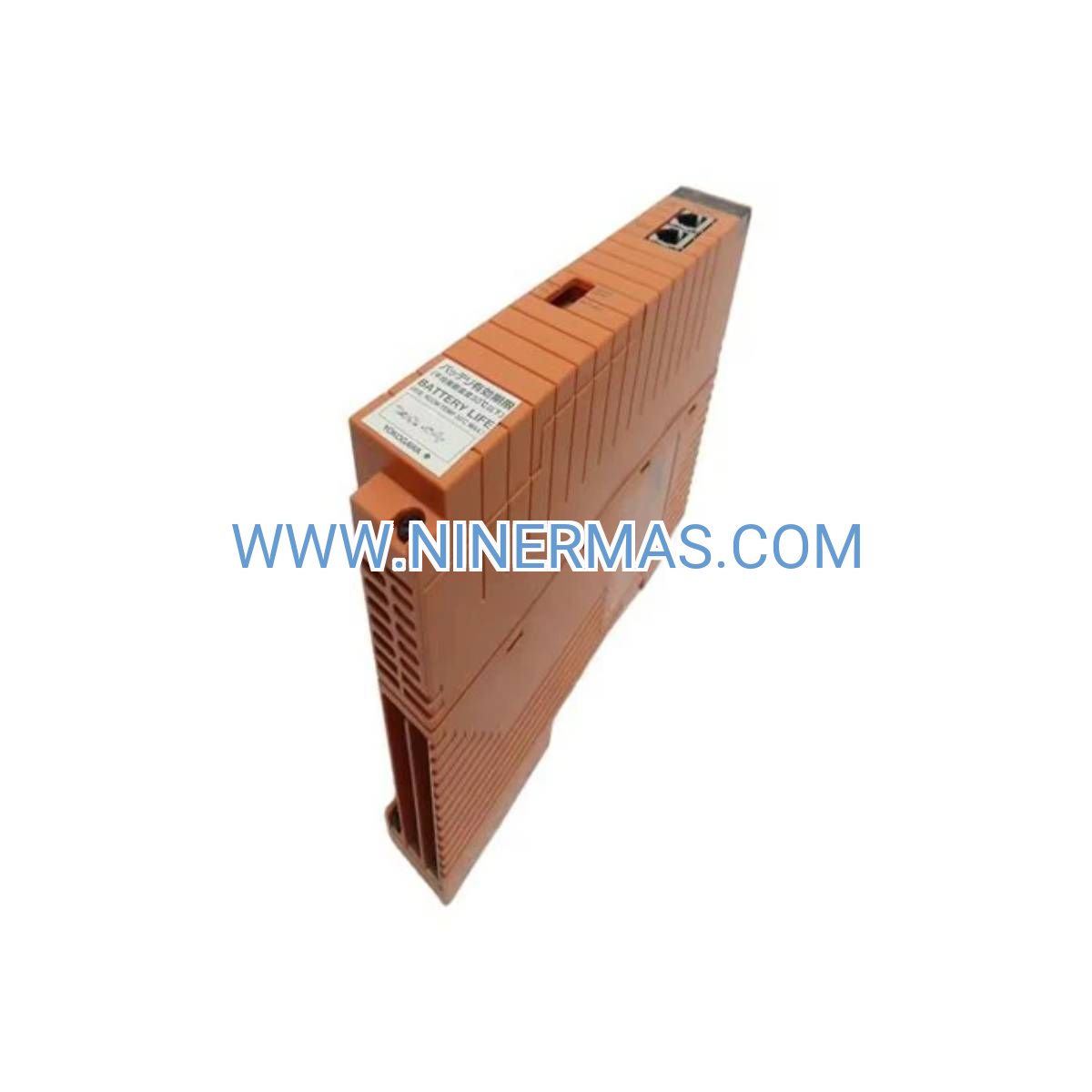
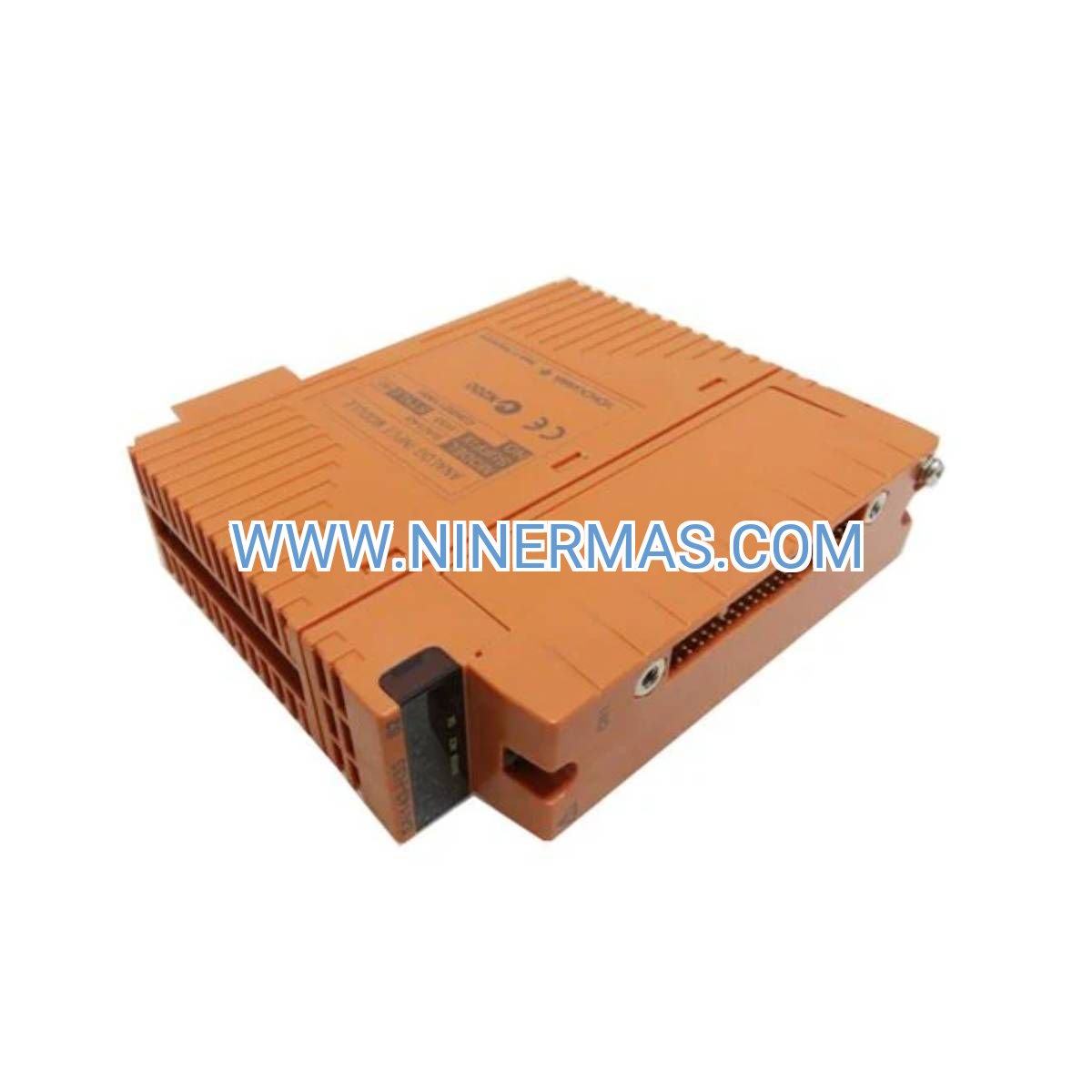
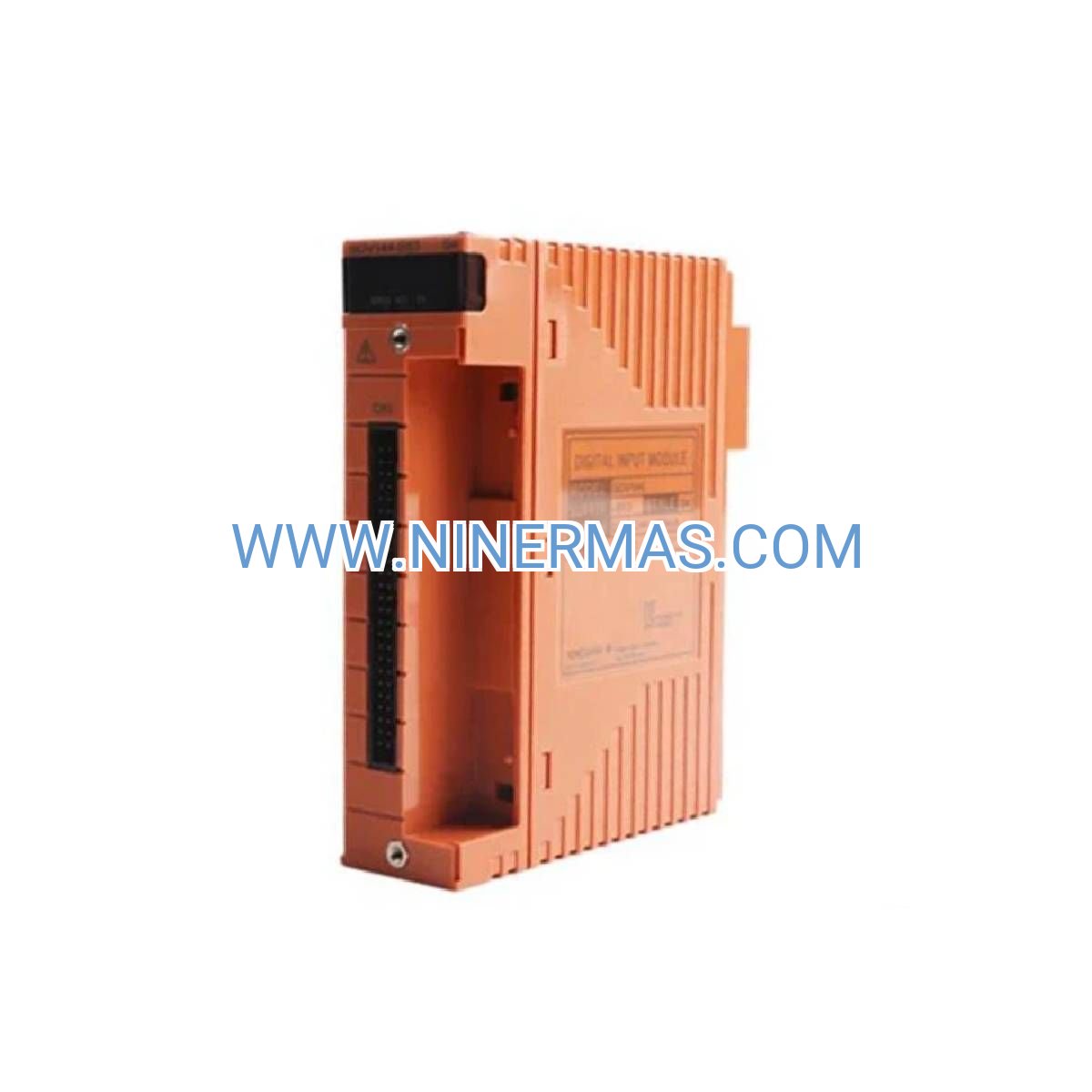
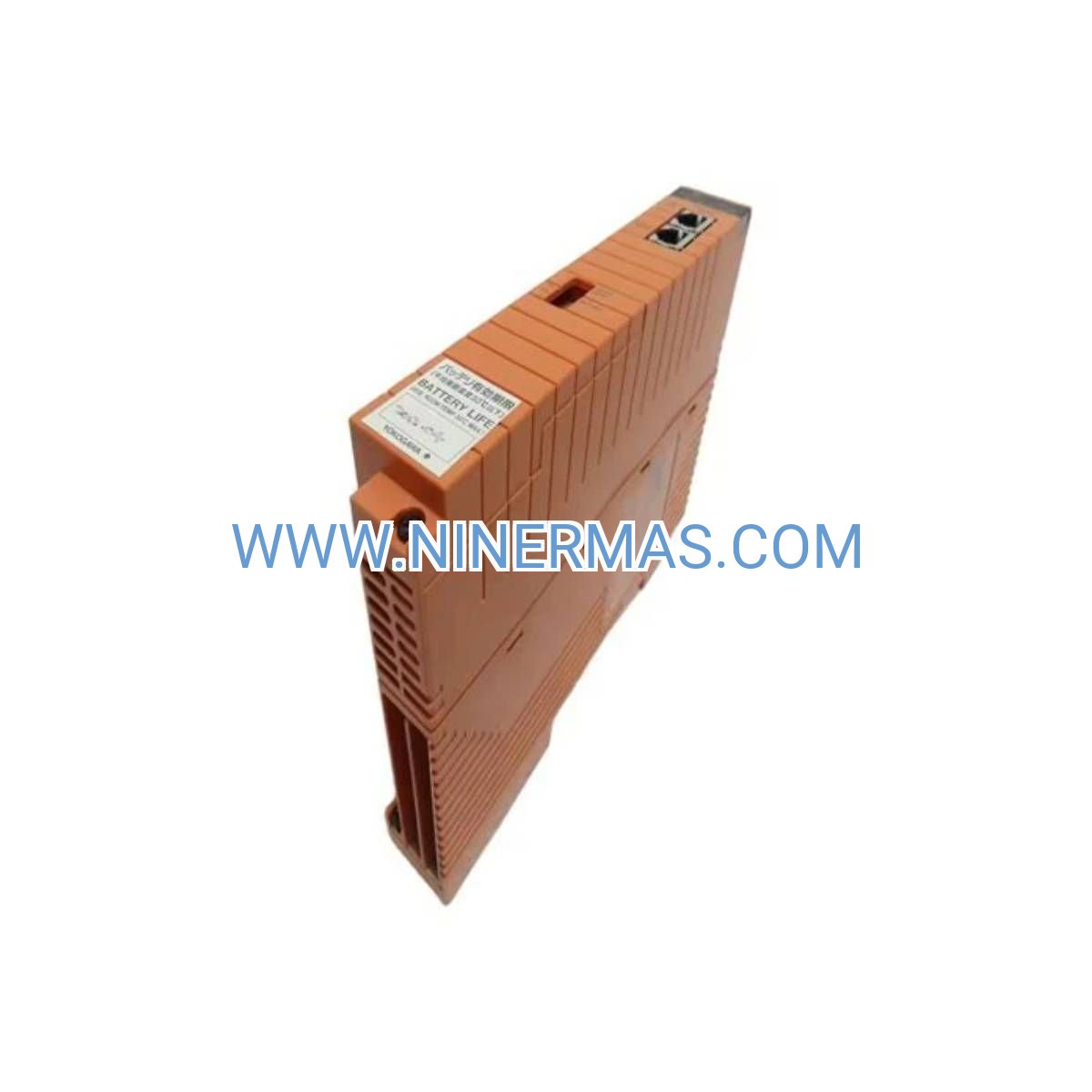
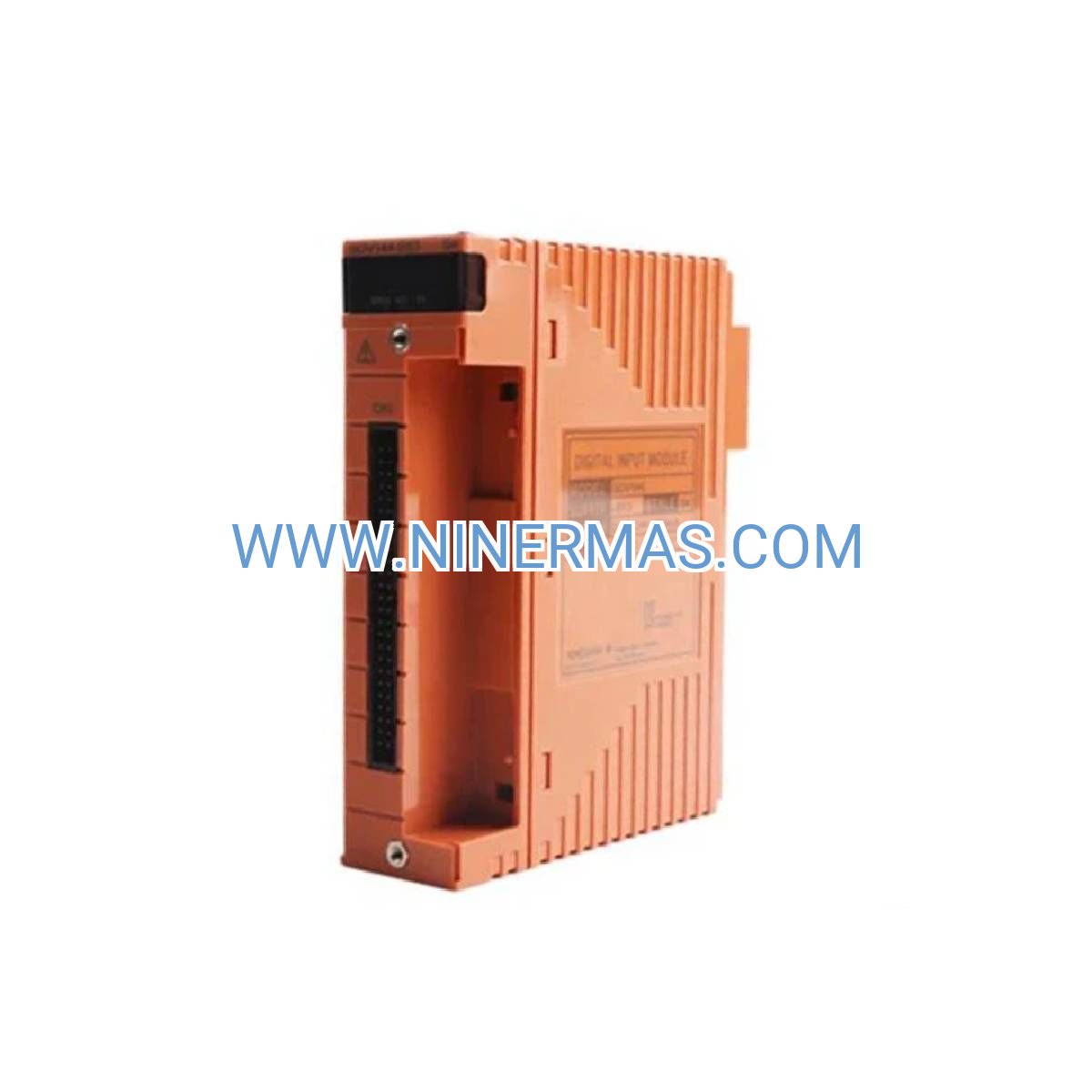
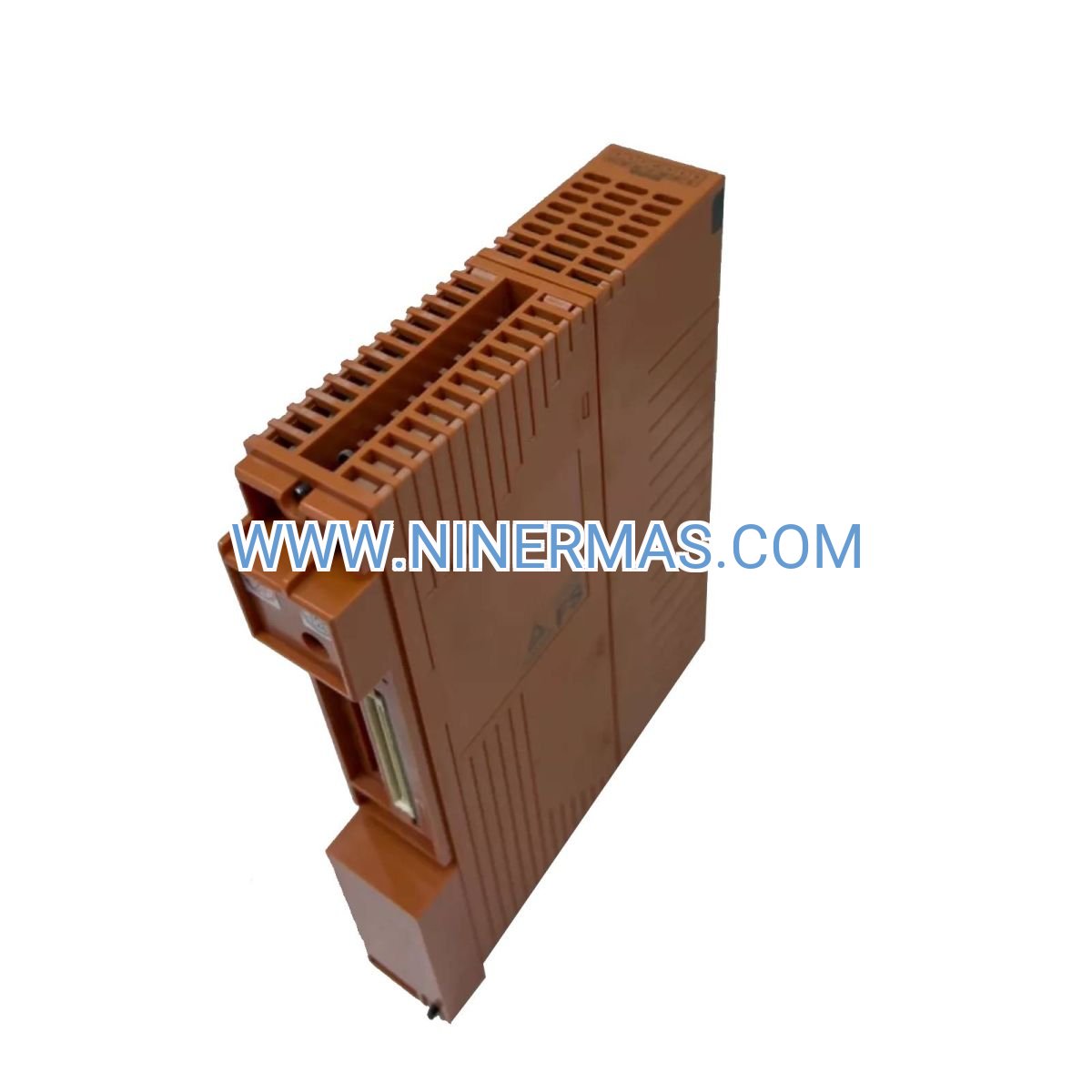
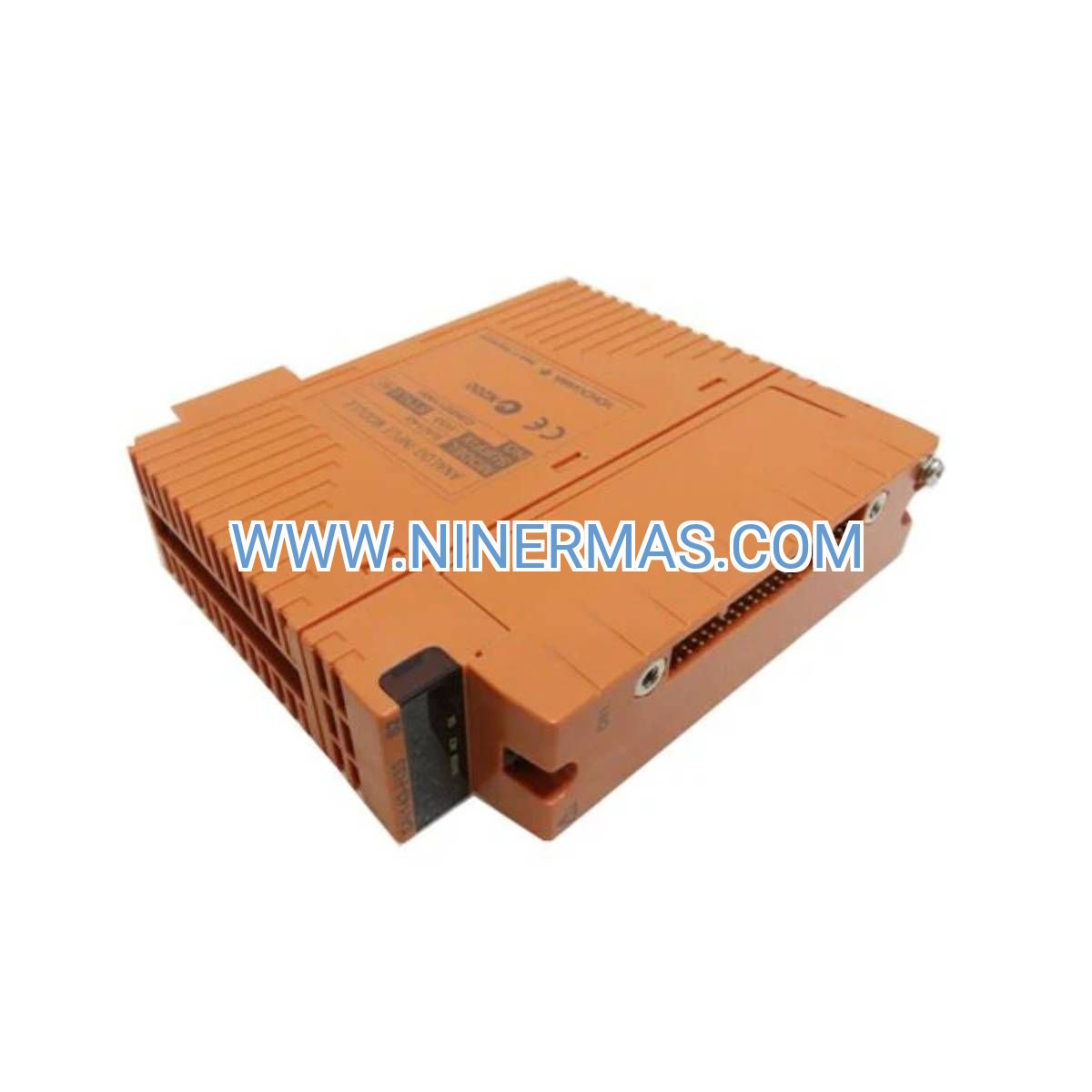
SCP451-53 Safety Processor Module (Industrial-Grade Redundant Controller)
The SCP451-53 represents Yokogawa's flagship safety processor engineered for fail-safe operation in hazardous industrial environments. This dual-redundant controller achieves SIL 3 certification under IEC 61508/61511 standards, providing deterministic safety logic execution for emergency shutdown systems, burner management, and high-integrity pressure protection across petrochemical, refining, and power generation facilities.
Designed for process industries where safety system failure is not an option, the SCP451-53 integrates seamlessly into ProSafe-RS architectures while maintaining backward compatibility with existing installations. Plant engineers rely on this processor to manage critical safety interlocks, execute complex voting logic, and coordinate distributed safety nodes across multi-unit operations.
With proven diagnostic coverage exceeding 99% and hot-swappable redundancy, this processor eliminates unplanned downtime while ensuring continuous protection of personnel, assets, and environmental compliance. Request technical specifications and application guidance to evaluate fit for your safety-instrumented system requirements.
Core Features & Technical Advantages
✓ Dual-Redundant Architecture – Automatic failover between primary and backup CPUs ensures zero interruption during processor faults, maintaining safety function availability at 99.99%+ uptime levels required for SIL 3 applications.
✓ High-Speed Safety Execution – Sub-100ms scan cycles enable rapid response to critical process deviations, meeting stringent timing requirements for fast-acting shutdown valves and emergency isolation systems in dynamic processes.
✓ Extensive I/O Scalability – Supports up to 2,048 safety-rated input/output points per controller, accommodating large-scale facilities with distributed hazard zones and multiple protection layers without requiring additional processors.
✓ Integrated Cybersecurity – Built-in encryption, role-based access control, and audit logging protect against unauthorized modifications while maintaining compliance with IEC 62443 industrial cybersecurity standards.
✓ Pre-Certified Function Blocks – Extensive library of TÜV-approved safety logic modules (voting, timers, interlocks) reduces engineering effort by 40-60% compared to custom coding, accelerating project commissioning timelines.
✓ Multi-Protocol Connectivity – Native support for Modbus TCP/IP, OPC UA, and FOUNDATION Fieldbus enables integration with DCS platforms, SCADA systems, and smart field devices without third-party gateways.
Application Scenarios & Industry Solutions
→ Oil & Gas Emergency Shutdown (ESD)
Manages platform-wide shutdown sequences coordinating wellhead isolation, flare system activation, and depressurization logic. Handles complex cause-and-effect matrices with up to 500+ initiating events across offshore production facilities.
→ Chemical Plant Burner Management Systems (BMS)
Controls furnace and boiler safety interlocks including flame monitoring, fuel valve sequencing, and purge cycle verification. Prevents explosive atmospheres through continuous air-fuel ratio monitoring and automatic trip functions.
→ Power Generation Turbine Protection
Executes overspeed detection, vibration monitoring, and bearing temperature protection for steam and gas turbines. Coordinates with generator protection relays to prevent catastrophic mechanical failures during grid disturbances.
→ Pharmaceutical Clean Room Pressure Control
Maintains critical differential pressure relationships between classified areas, triggering containment protocols when pressure boundaries are compromised. Ensures product sterility and operator safety in aseptic processing zones.
→ High-Integrity Pressure Protection Systems (HIPPS)
Provides rapid valve closure (typically <2 seconds) to prevent pipeline overpressure events, protecting downstream equipment rated for lower design pressures. Common in subsea production and gas transmission applications.
Technical Parameters & Selection Guide
| Parameter | Specification |
|---|---|
| Safety Integrity Level | SIL 3 (IEC 61508/61511 certified) |
| Processor Configuration | 1oo2D (dual redundant with diagnostics) |
| Scan Cycle Performance | 50-100ms typical (application dependent) |
| Program Memory | 4 MB user logic capacity |
| I/O Capacity | 2,048 safety points maximum |
| Communication Interfaces | Dual Ethernet (100BASE-TX), RS-485 |
| Diagnostic Coverage | >99% (per IEC 61508 requirements) |
| Operating Temperature | -20°C to +60°C (-4°F to +140°F) |
| Power Requirements | 24VDC ±20%, redundant inputs |
| Environmental Rating | IP20 enclosure, Class I Div 2 approved |
| MTBF (Mean Time Between Failures) | >100 years (per manufacturer data) |
| Proof Test Interval | Configurable 1-10 years |
Selection Criteria: Choose the SCP451-53 when your application requires SIL 3 certification with redundant processing. For non-redundant SIL 2 applications, consider the SCP451-11 variant. Evaluate total I/O count, required scan time, and communication protocol needs during system architecture planning. Consult factory application engineers for hazard analysis review and safety requirement verification.
Extended Capabilities & Integration Options
Industrial IoT Connectivity: Optional OPC UA server functionality enables secure data exchange with cloud-based asset performance management platforms, supporting predictive maintenance analytics and remote diagnostic access for global support teams.
Advanced Diagnostics: Built-in web server provides real-time system health monitoring, including CPU load trending, communication statistics, and I/O module status visualization accessible via standard browsers without proprietary software.
Customization Services: Factory configuration services available for pre-loaded application logic, custom I/O mapping, and site-specific communication parameters. Reduces on-site commissioning time by 30-50% for large-scale deployments.
Delivery Timeline & Service Commitments
Standard Lead Time: 4-6 weeks for stock configurations; 8-12 weeks for factory-customized units with pre-loaded logic or special testing requirements.
Warranty Coverage: 24-month comprehensive warranty covering materials, workmanship, and firmware defects. Extended warranty programs available for critical applications requiring 5-year coverage.
Technical Support: Global 24/7 hotline access with regional application engineers. On-site commissioning assistance and safety validation testing available through authorized system integrators.
Documentation Package: Includes installation manual, safety manual per IEC 61511 requirements, TÜV certification documents, AutoCAD dimensional drawings, and sample ladder logic programs for common safety functions.
Frequently Asked Questions
Q: How does the SCP451-53 interface with existing DCS control systems?
A: The processor supports multiple integration methods including Modbus TCP/IP for direct register mapping, OPC UA for object-oriented data access, and hardwired discrete signals for critical trip outputs. Most DCS platforms (Yokogawa CENTUM, Honeywell Experion, Emerson DeltaV) provide native driver support.
Q: What is the maximum safe distance between redundant processor modules?
A: Redundant CPUs must be installed in the same chassis for synchronization bus connectivity. For geographically distributed safety systems, use multiple SCP451-53 controllers networked via safety-rated Ethernet rather than attempting long-distance redundancy.
Q: Can this processor reduce energy consumption in safety system operations?
A: While safety processors prioritize reliability over energy efficiency, the SCP451-53 consumes approximately 15W per module (30W for redundant pair), representing <0.1% of typical facility electrical loads. Energy savings come from optimized process control enabled by integrated safety/control architectures.
Q: What are the physical installation requirements and panel space needs?
A: Each processor module occupies one slot in a ProSafe-RS chassis (approximately 25mm width). Minimum panel depth of 200mm required for cable routing. Chassis mounting accepts standard DIN rail or direct panel mounting with supplied brackets.
Q: Does the system support remote monitoring and diagnostics capabilities?
A: Yes, via secure VPN connection to the processor's Ethernet interface. Remote access requires proper cybersecurity measures including firewall configuration, user authentication, and audit logging per IEC 62443 guidelines. Remote firmware updates supported with proper change management procedures.
Q: How frequently must safety validation testing occur for SIL 3 compliance?
A: IEC 61511 requires proof testing at intervals determined by safety requirement specification (typically 1-5 years). The SCP451-53's high diagnostic coverage (>99%) allows extended proof test intervals compared to lower-coverage systems, reducing operational disruption.
Request Technical Consultation
Our application engineering team provides complimentary safety requirement reviews, system architecture recommendations, and integration feasibility assessments. Contact us with your process hazard analysis documentation and functional safety requirements for detailed proposal development.
Next Steps: Submit your technical inquiry including application type, I/O count estimates, required certifications, and project timeline. Receive preliminary system architecture within 48 business hours.
© 2026 NINERMAS COMPANY LIMITED. All rights reserved.
Original Source: https://ninermas.com
Contact: sale@ninermas.com | +0086 187 5021 5667
PDF Specification
Download PDF file here:
Click to Download PDFRelated products

Contact Info
-
Address:22 / F, South Wo Hang building, 148 Wing Lok Street, Sheung Wan, Western District, Hong Kong
-
Phone:+8618750215667
-
Email: