Original Industrial Spare Part
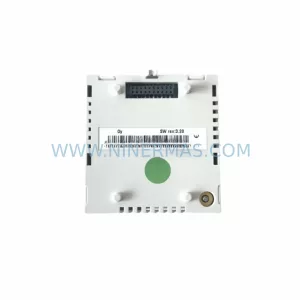
Yaskawa YRK01B-1E Retrofit-Compatible Servo Board for Legacy Systems
Verify the part, confirm the platform family, and move straight into quotation with the right commercial details.
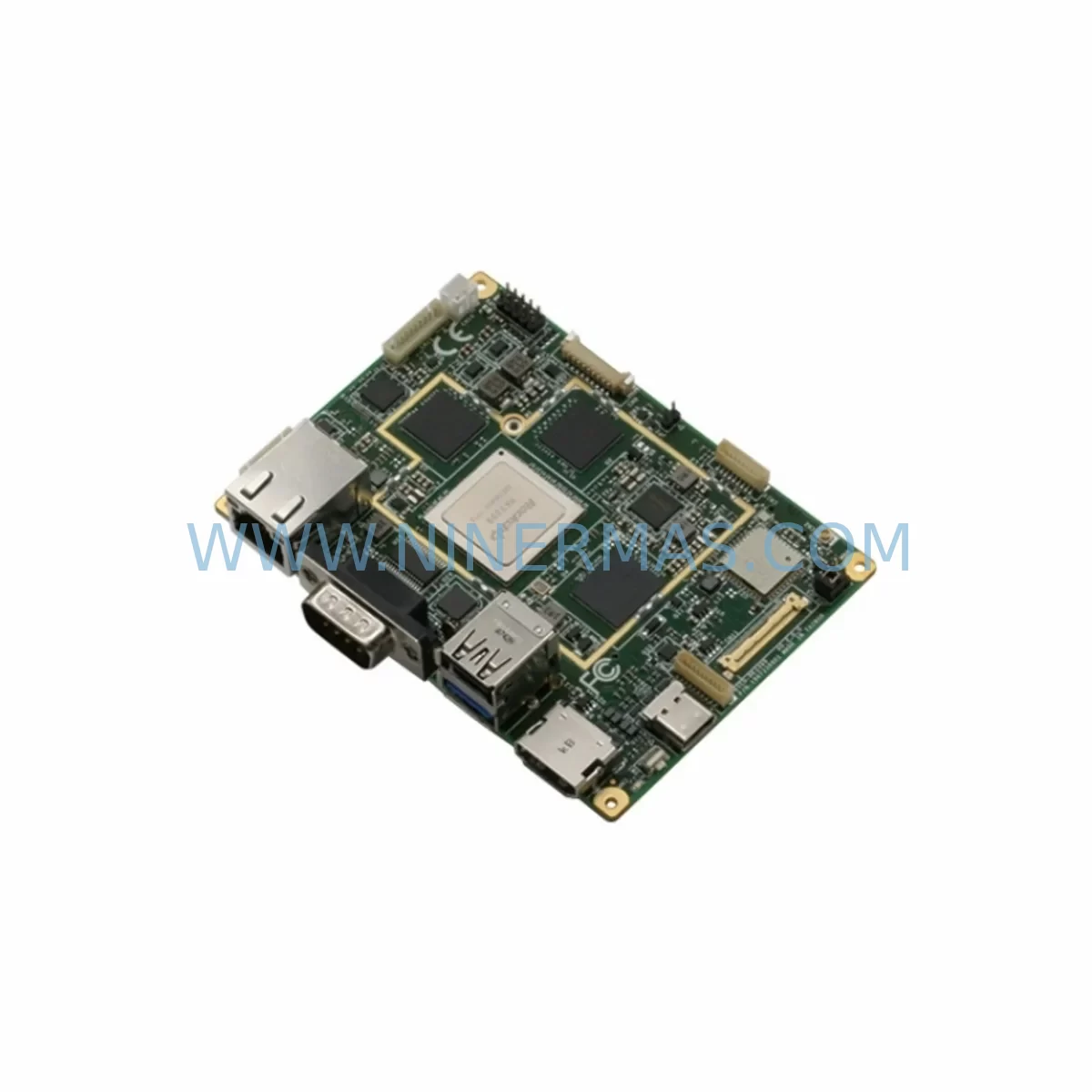
RFQ Ready
- SKUYRK01B-1E DX100CPUJZNC-YRK01B-1E JANCD-ASF30-1E 50999-2922R07 CPU50999-2922R07
- CategoryPLC & Industrial Automation Modules
- BrandYASKAWA
- SupportAvailability, lead time, condition, and shipping coordination
How Buyers Usually Use This Page
- Confirm the exact part number and platform family before sending the quote request.
- Use direct email when quantity, condition, and destination are already defined internally.
- Switch to the broader brand or category archive when you need alternates nearby.
Series Navigation
Move through the most common platform families behind this part.
Product RFQ
Send this part directly for quotation.
Include quantity, required condition, destination country, and target delivery timing. Current reference: Yaskawa YRK01B-1E Retrofit-Compatible Servo Board for Legacy Systems with SKU YRK01B-1E DX100CPUJZNC-YRK01B-1E JANCD-ASF30-1E 50999-2922R07 CPU50999-2922R07.
Yaskawa YRK01B-1E Retrofit-Compatible Servo Board for Legacy Systems
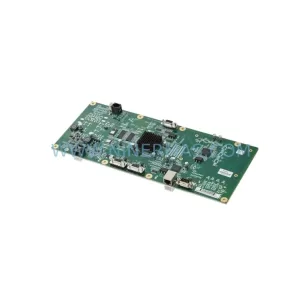
The Yaskawa YRK01B-1E is a servo control board originally designed for the DX100 robot controller platform, one of Yaskawa Motoman’s most widely deployed industrial robot control systems across automotive, welding, material handling, and general manufacturing environments. As the DX100 platform reaches end-of-life and spare parts become increasingly scarce, the YRK01B-1E has become a critical component for facilities seeking to extend the operational life of their existing robot cells without committing to a full controller replacement. This board is also referenced under related part numbers including JANCD-ASF30-1E and 50999-2922R07, and is compatible with CPU assembly configurations such as the CPU50999-2922R07 used in DX100 CPU units.
For maintenance engineers and procurement teams managing legacy Yaskawa robot fleets, sourcing a verified, pre-tested YRK01B-1E replacement board is often the fastest path to restoring production uptime. NINERMAS supplies this board with a 12-month warranty and full pre-shipment functional testing, ensuring that each unit shipped meets the operational standards required for safety-critical automation environments.
Upgrade Compatibility Table
| Parameter | Specification / Compatibility | Retrofit Notes |
|---|---|---|
| Compatible Controller | Yaskawa DX100 | Verify controller firmware version before installation |
| Related Part Numbers | JANCD-ASF30-1E, 50999-2922R07, CPU50999-2922R07 | Cross-reference all labels on the original board before ordering |
| Board Function | Servo Control / CPU Interface Board | Confirm slot position and backplane connector type on DX100 rack |
| Communication Protocol | Yaskawa proprietary servo bus (MECHATROLINK-compatible path) | Validate communication link integrity after board swap |
| Mounting / Form Factor | DX100 standard card cage slot | Check card guide alignment and connector seating torque |
| Power Input | Supplied via DX100 backplane power rail | Verify backplane power supply output before installation |
| Installation Space | Standard DX100 controller cabinet slot | No additional space modification required for direct replacement |
| Warranty | 12 Months | Covers manufacturing defects; pre-shipment functional test included |
| Pre-Shipment Test | Yes — functional verification performed | Test report available upon request |
| Replacement Recommendation | Direct drop-in for failed or degraded YRK01B-1E boards | Retain original program backup before board replacement |
Retrofit Planning for Existing Automation Systems
When planning a YRK01B-1E replacement within an active DX100 robot cell, the scope of the retrofit extends well beyond the board itself. The DX100 controller is a modular system, and the servo board interfaces directly with several other critical assemblies that must be evaluated before and after the swap.
The DX100 backplane and card cage assembly form the physical and electrical backbone of the controller. Before removing the YRK01B-1E, technicians should document the slot address and any DIP switch or jumper settings on the board. The JZRCR-YPU01-1 power supply unit within the DX100 cabinet must be verified to be delivering stable voltage rails, as an under-voltage condition on the backplane is a common root cause of servo board failures. If the power supply shows signs of aging — capacitor bulge, output ripple, or thermal discoloration — it should be replaced concurrently with the YRK01B-1E to prevent repeat failures.
The JANCD-MIF01-1 interface board, which manages I/O signal routing between the DX100 controller and external field devices, should be inspected for connector corrosion and terminal tightness. Loose I/O wiring at the JANCD-MIF01-1 can cause intermittent faults that are incorrectly attributed to the servo board. Similarly, the JZRCR-YPC01-1 communication board handles the data link between the DX100 CPU and the robot’s servo amplifier section; any degradation in this communication path will manifest as servo alarm codes that may be misdiagnosed as a YRK01B-1E failure.
For facilities running multiple Yaskawa robots on a shared network, the JZRCR-NPP01B-1 network interface module and associated cabling should be audited during the retrofit window. If the DX100 is connected to a host PC or SCADA system via Ethernet or DeviceNet, the communication link should be re-validated after the board replacement to confirm that robot job files and I/O mapping remain intact.
The CACR-SR series servo amplifiers connected to the DX100 controller should also be checked for alarm history. A failing YRK01B-1E can generate spurious overcurrent or encoder fault signals that stress the servo amplifiers over time. If the CACR-SR units show accumulated fault counts, a preventive inspection of the amplifier capacitors and cooling fans is advisable before returning the cell to production.
For older DX100 installations that have not been updated in several years, the SGDV series servo drives used in some hybrid configurations may require parameter re-verification after the board swap, particularly if the servo tuning data is stored on the controller board rather than in the drive’s non-volatile memory. Technicians should confirm the parameter storage location in the system documentation before proceeding.
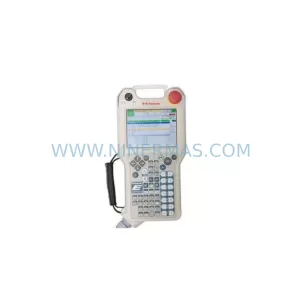
The programming pendant — typically the JZRCR-NPP01-1 teach pendant — should be used to perform a controlled power-on sequence after the YRK01B-1E is installed. Navigate to the alarm history screen and confirm that no residual servo alarms are present from the previous board. Run a slow-speed axis check on all robot axes before resuming automatic operation. If the DX100 is part of a coordinated multi-robot cell, re-synchronize the cell timing parameters through the system configuration menu before enabling coordinated motion.
HMI screens connected to the DX100 via the operator panel interface should be verified for correct status display after the board replacement. In some installations, the HMI reads servo status registers directly from the CPU board; a board replacement may reset these register addresses to default values, requiring an HMI screen refresh or parameter re-entry.
Downtime Control During System Migration
Minimizing unplanned downtime during a YRK01B-1E replacement requires advance preparation and a structured execution sequence. The most effective approach is to treat the board swap as a planned maintenance event rather than an emergency repair, even when the failure is unexpected.
Before the maintenance window opens, create a full backup of the DX100 robot program, system parameters, and I/O configuration using the teach pendant’s backup function or a connected PC with Yaskawa’s MotoSim or MotoPendant software. Store the backup on at least two separate media — typically a USB drive and a network share — to protect against data loss during the board swap. Confirm that the backup includes all job files, tool data, user coordinate frames, and servo parameter sets.
During the swap, follow ESD precautions strictly. The YRK01B-1E contains sensitive servo control circuitry that can be damaged by electrostatic discharge during handling. Use a grounded wrist strap and anti-static mat. Power down the DX100 controller completely and wait for the capacitor discharge period specified in the Yaskawa DX100 maintenance manual before opening the cabinet.
After installing the replacement YRK01B-1E, restore the program backup before powering on. Perform the initial power-on with the robot in a safe, clear zone and all personnel outside the robot’s working envelope. Verify that the controller boots without alarm codes, then perform a low-speed axis check before returning to normal operating speed. Document the replacement in the equipment maintenance log, including the board serial number, installation date, and technician name, to support future warranty claims and maintenance planning.
For facilities with strict OEE targets, maintaining a spare YRK01B-1E board in local inventory is the most effective strategy for minimizing mean time to repair. NINERMAS offers reserved inventory programs for high-demand spare parts, allowing facilities to secure stock against future supply disruptions without carrying excess capital on the balance sheet.
Retrofit Support FAQ
Q: Is the Yaskawa YRK01B-1E a direct replacement for the JANCD-ASF30-1E?
A: Yes. The YRK01B-1E and JANCD-ASF30-1E are cross-referenced part numbers for the same servo control board used in the DX100 controller platform. Both designations refer to the same physical assembly. Confirm the part number on the original board’s label before ordering to ensure compatibility with your specific DX100 configuration.
Q: Does the replacement board require any parameter programming after installation?
A: In most cases, restoring a full system backup from the teach pendant will reload all necessary parameters automatically. However, if the original board failed before a backup could be taken, some servo parameters may need to be re-entered manually. NINERMAS recommends maintaining a current backup of all DX100 system parameters as part of routine preventive maintenance.
Q: What pre-shipment testing is performed on the YRK01B-1E?
A: Each YRK01B-1E unit supplied by NINERMAS undergoes functional verification testing before shipment. This includes power-on testing, communication interface checks, and servo signal path verification. A test report is available upon request. All units are covered by a 12-month warranty from the date of shipment.
Q: What is the typical lead time and inventory availability?
A: NINERMAS maintains stock of the YRK01B-1E and related DX100 spare parts to support urgent maintenance requirements. Standard orders are processed and shipped within 1–3 business days. For facilities requiring guaranteed availability, NINERMAS offers reserved inventory arrangements to secure dedicated stock against future demand. Contact our team at sale@ninermas.com or +0086 187 5021 5667 to discuss inventory reservation options.
| Product Series | Legacy |
|---|---|
| Country of Origin | JP |
Catalog Continuation
More YASKAWA modules in the catalog.
Use the brand lane to compare nearby part numbers, platform-adjacent modules, and other inquiry-ready listings before sending your final RFQ.
SKU: YPHT31033-1-1 73600-A0101
Yaskawa YPHT31033-1-1 Retrofit-Compatible Gate Driver for Legacy Systems
SKU: JAMSC-120CRR11210
Yaskawa JAMSC-120CRR11210 Retrofit-Compatible I/O Module for Legacy Systems
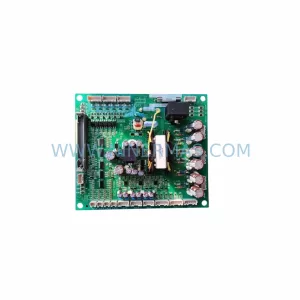
SKU: YPCT31394-1A YPZT31308
YASKAWA YPCT31394-1A YPZT31308 Retrofit-Compatible Control Card for Legacy Systems
Catalog Continuation
Alternative parts within PLC & Industrial Automation Modules.
Stay inside the same system family when you need substitutes, adjacent modules, or a broader shortlist for procurement review.
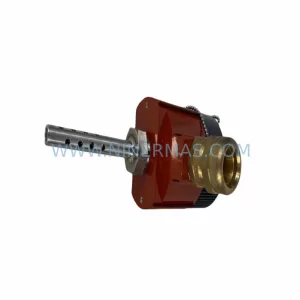
SKU: TRY/PRG/4-20MA/10-30DC
MOORE TRY/PRG/4-20MA/10-30DC Service-Ready Spare Part
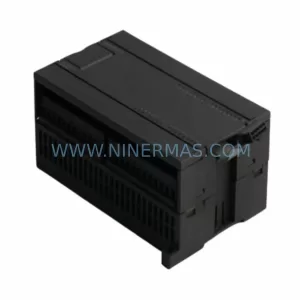
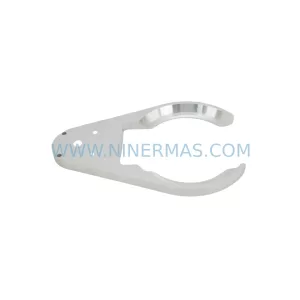
SKU: 5085-404901-11 12INCH 2910-202413-12 404200XRMPD2H14 7-249717
TEL 5085-404901-11 Service-Ready Spare Part for Industrial Maintenance
SKU: DIP011 05-058-011
SIGMATEK DIP011 05-058-011 Service-Ready Spare Part