Original Industrial Spare Part
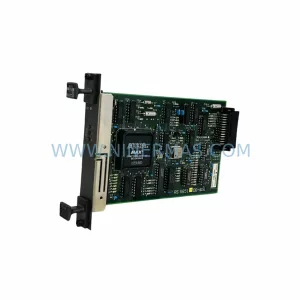
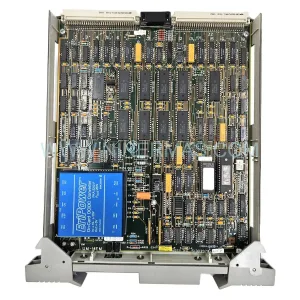
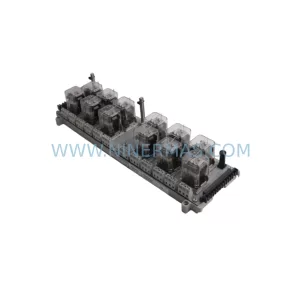
Westinghouse 1X00024H01 WH1-2FF Retrofit I/O for Legacy Systems
Verify the part, confirm the platform family, and move straight into quotation with the right commercial details.
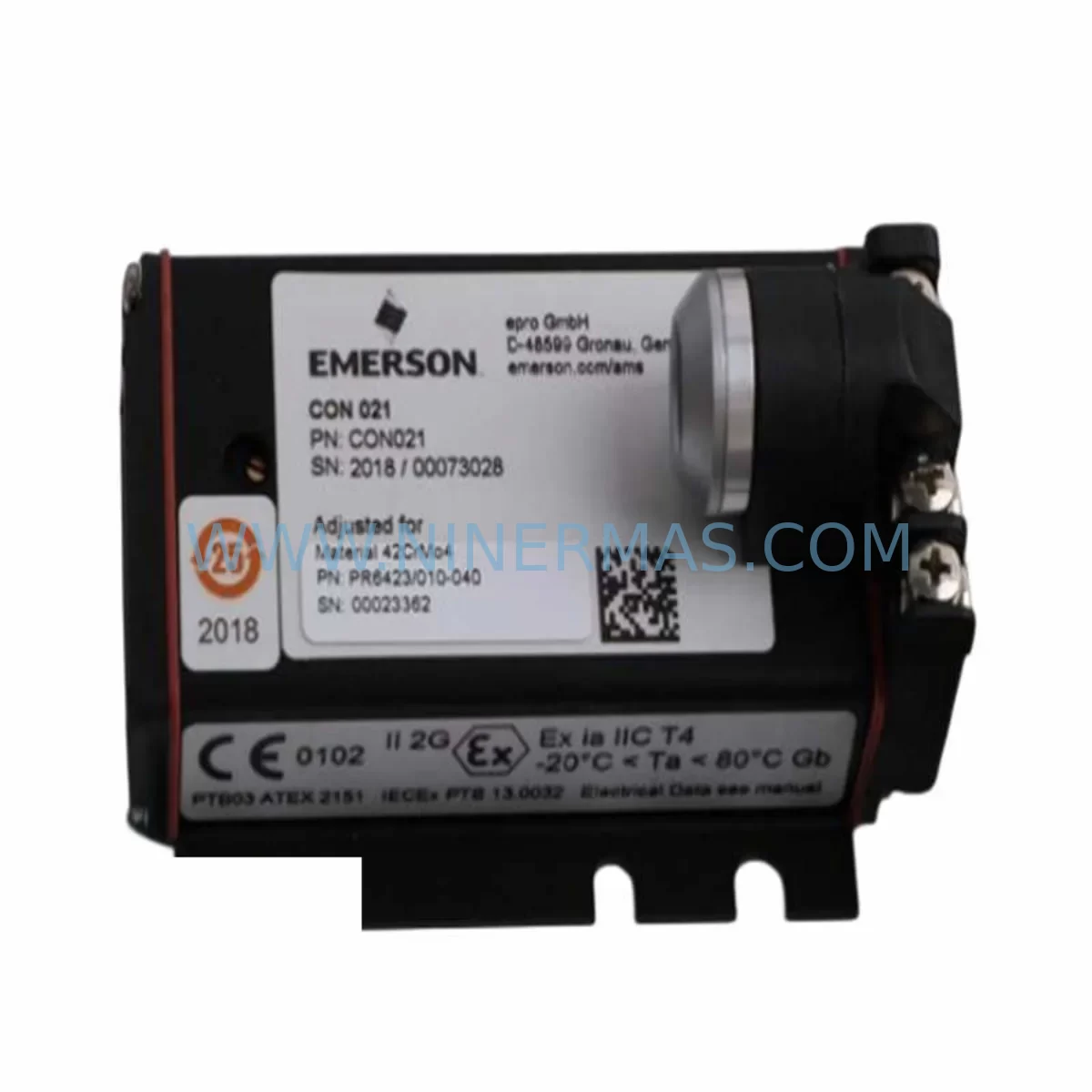
RFQ Ready
- SKU1X00024H01 WH1-2FF
- CategoryDCS Distributed Control Systems
- BrandWestinghouse
- SupportAvailability, lead time, condition, and shipping coordination
How Buyers Usually Use This Page
- Confirm the exact part number and platform family before sending the quote request.
- Use direct email when quantity, condition, and destination are already defined internally.
- Switch to the broader brand or category archive when you need alternates nearby.
Series Navigation
Move through the most common platform families behind this part.
Product RFQ
Send this part directly for quotation.
Include quantity, required condition, destination country, and target delivery timing. Current reference: Westinghouse 1X00024H01 WH1-2FF Retrofit I/O for Legacy Systems with SKU 1X00024H01 WH1-2FF.
Westinghouse 1X00024H01 WH1-2FF Retrofit I/O Module for Legacy Ovation DCS Systems
The Westinghouse 1X00024H01 WH1-2FF is a retrofit-compatible I/O module designed for integration into legacy Ovation Distributed Control System (DCS) platforms. As aging process control infrastructure reaches end-of-life, plant engineers and maintenance teams face increasing pressure to source discontinued spare parts, validate drop-in compatibility, and execute system upgrades with minimal disruption to production continuity. This module addresses those challenges directly — offering a verified replacement path for facilities operating Westinghouse and Emerson Ovation-based control architectures across power generation, oil & gas, chemical processing, and water treatment industries.
The 1X00024H01 carries the sub-designation WH1-2FF, identifying it within the Ovation I/O subsystem family. When the original module fails or reaches obsolescence, procurement teams must confirm that the replacement unit matches the original’s terminal wiring layout, backplane connector pinout, module address configuration, and communication protocol compatibility before installation. This unit has been sourced, inspected, and pre-shipment tested to meet those requirements, ensuring that field engineers can proceed with confidence during scheduled or emergency maintenance windows.
Upgrade Compatibility Table
| Parameter | Details |
|---|---|
| Part Number | 1X00024H01 |
| Sub-Model | WH1-2FF |
| Brand | Westinghouse / Emerson Ovation |
| Series | Ovation DCS I/O Series |
| Module Type | I/O Module (Field Interface) |
| Backplane Interface | Ovation-compatible I/O backplane slot |
| Communication Protocol | Ovation proprietary I/O bus |
| Terminal Wiring | Compatible with original field wiring termination |
| Module Address Config | Matches legacy slot addressing — verify via Ovation Developer Studio |
| Power Supply Requirement | Supplied via backplane — confirm rack PSU capacity before installation |
| Installation Form Factor | Standard Ovation I/O rack slot — confirm physical clearance |
| HMI Compatibility | Compatible with Ovation Operator Station displays (verify tag mapping) |
| Replacement Status | Direct replacement for discontinued 1X00024H01 units |
| Pre-Shipment Testing | Yes — functional verification completed before dispatch |
| Warranty | 12 Months from date of delivery |
| Delivery | Express international shipping available |
Retrofit Planning for Existing Automation Systems
Replacing the Westinghouse 1X00024H01 WH1-2FF within an active Ovation DCS environment requires a structured approach that accounts for the full scope of the control system architecture. The module does not operate in isolation — it interfaces with the Ovation I/O backplane, communicates upstream to the Ovation Controller (OCR400 or OCR1100 series), and feeds process data to the Ovation Operator Station for real-time monitoring and alarm management.
Before removing the failed module, maintenance engineers should document the existing field wiring terminations at the I/O terminal block, capture the current module configuration from Ovation Developer Studio, and confirm that the replacement unit’s firmware revision is compatible with the installed controller version. In systems where the Ovation Remote I/O Cabinet is used to extend I/O capacity across long cable runs, engineers must also verify that the communication link between the remote cabinet and the main controller remains stable during the swap procedure.
Power budget validation is a critical pre-installation step. The Ovation I/O rack power supply — typically an Ovation 5X00070G01 or equivalent PSU module — must have sufficient headroom to support the replacement I/O module without triggering undervoltage conditions on adjacent slots. In aging racks where multiple modules have been replaced over time, cumulative power draw can approach PSU limits, making a full rack power audit advisable before proceeding.
Terminal wiring adaptation is another common challenge. If the original 1X00024H01 was installed with a marshalling panel or signal isolator — such as a Pepperl+Fuchs KFD2 series barrier or equivalent galvanic isolator — the replacement module must be verified against the same signal conditioning chain to avoid ground loop issues or signal range mismatches. Field technicians should also confirm that the cable shield grounding scheme at the terminal block matches the original installation to prevent noise ingress on analog I/O channels.
For facilities that are simultaneously upgrading their HMI infrastructure from legacy Ovation Operator Stations to modern thin-client or virtualized environments, the I/O module replacement provides a natural checkpoint to audit tag database entries, confirm that all process variables associated with the 1X00024H01 are correctly mapped in the Ovation database, and validate alarm setpoints before returning the loop to service. Where the control strategy involves cascade or ratio control loops, the program logic in the Ovation Controller should be reviewed to confirm that the I/O channel assignments remain consistent after the module swap.
In multi-drop communication architectures where the Ovation I/O bus connects several modules across a shared backplane — including Ovation analog input modules, digital output modules, and pulse input modules — the replacement of a single module should be followed by a full bus health check to confirm that all remaining modules are responding correctly and that no address conflicts have been introduced. This is particularly important in systems where the original module addressing was configured manually rather than through auto-discovery.
For plants operating parallel redundant control paths, the 1X00024H01 WH1-2FF replacement should be coordinated with the redundancy switchover procedure to ensure that the standby controller path remains active and validated throughout the maintenance window. Facilities using Ovation redundant controller pairs should confirm that the replacement module is recognized by both the primary and secondary controllers before declaring the maintenance activity complete.
Downtime Control During System Migration
Minimizing unplanned downtime during I/O module replacement in a live Ovation DCS environment requires careful pre-staging, clear communication between the control room and field teams, and a validated rollback plan in case the replacement module does not initialize correctly on first insertion.
The recommended approach is to perform the replacement during a planned maintenance window, with the affected control loop placed in manual mode at the Ovation Operator Station before the module is removed. This preserves the last known output state and prevents the controller from driving the field device to an undefined condition during the swap. For critical loops — such as boiler drum level control, turbine speed governing, or reactor temperature regulation — a dedicated field operator should be stationed at the process equipment to provide manual override capability during the transition.
Once the replacement 1X00024H01 WH1-2FF is seated in the backplane and powered up, the Ovation system should automatically detect the module and restore its configuration from the controller database, provided that the module type and firmware version are compatible. Engineers should monitor the Ovation Developer Studio diagnostic display to confirm that the module transitions from the initialization state to the normal operating state without fault codes. If the module reports a configuration mismatch, the controller download procedure should be executed to push the correct I/O configuration to the new module before returning the loop to automatic control.
Field wiring verification — including continuity checks, insulation resistance testing, and signal range validation — should be completed before the loop is returned to automatic mode. For analog input channels, a loop calibrator should be used to inject a known signal at the field terminal and confirm that the Ovation Operator Station displays the correct engineering unit value. This end-to-end verification step is essential for maintaining measurement accuracy and preventing nuisance alarms after the module replacement.
Total planned downtime for a single I/O module replacement in an Ovation system — including pre-staging, physical swap, configuration verification, and loop checkout — typically ranges from 2 to 4 hours for experienced field teams with pre-tested replacement hardware. Using a pre-shipment tested 1X00024H01 unit from a verified supplier significantly reduces the risk of encountering a DOA module during the maintenance window, which is the most common cause of extended unplanned downtime in spare parts replacement scenarios.
Retrofit Support FAQ
Q1: Is the 1X00024H01 WH1-2FF a direct drop-in replacement for the original Westinghouse Ovation module?
A: Yes, the 1X00024H01 WH1-2FF is designed as a direct replacement for the original Westinghouse Ovation I/O module of the same part number. The backplane connector, terminal wiring layout, and module addressing are compatible with the original installation. However, engineers should verify the firmware revision against the installed Ovation controller version using Ovation Developer Studio before installation to confirm full software compatibility.
Q2: Has this unit been tested before shipment?
A: Yes. Every 1X00024H01 unit dispatched by NINERMAS undergoes pre-shipment functional testing to verify that the module powers up correctly, communicates on the Ovation I/O bus, and passes basic I/O channel diagnostics. A test report is available upon request. The unit is covered by a 12-month warranty from the date of delivery.
Q3: What should I check regarding terminal wiring and backplane compatibility before installation?
A: Before installing the replacement module, confirm the following: (1) the field wiring termination at the I/O terminal block matches the original module’s channel assignments; (2) the backplane slot is free of physical damage and the connector pins are clean; (3) the rack power supply has sufficient capacity to support the additional module load; and (4) any signal isolators or marshalling barriers in the field wiring loop are compatible with the replacement module’s input impedance and signal range specifications.
Q4: What is the stock availability and lead time for the 1X00024H01 WH1-2FF?
A: NINERMAS maintains inventory of the Westinghouse 1X00024H01 WH1-2FF to support urgent maintenance requirements. Standard lead time for in-stock units is 3–7 business days for international express delivery. For facilities requiring long-term spare parts programs or blanket purchase agreements to cover multi-year maintenance schedules, please contact our sales team at sale@ninermas.com or call +0086 187 5021 5667 to discuss stocking arrangements and volume pricing.
| Product Series | Legacy |
|---|---|
| Country of Origin | US |
Catalog Continuation
More Westinghouse modules in the catalog.
Use the brand lane to compare nearby part numbers, platform-adjacent modules, and other inquiry-ready listings before sending your final RFQ.
Catalog Continuation
Alternative parts within DCS Distributed Control Systems.
Stay inside the same system family when you need substitutes, adjacent modules, or a broader shortlist for procurement review.