Description
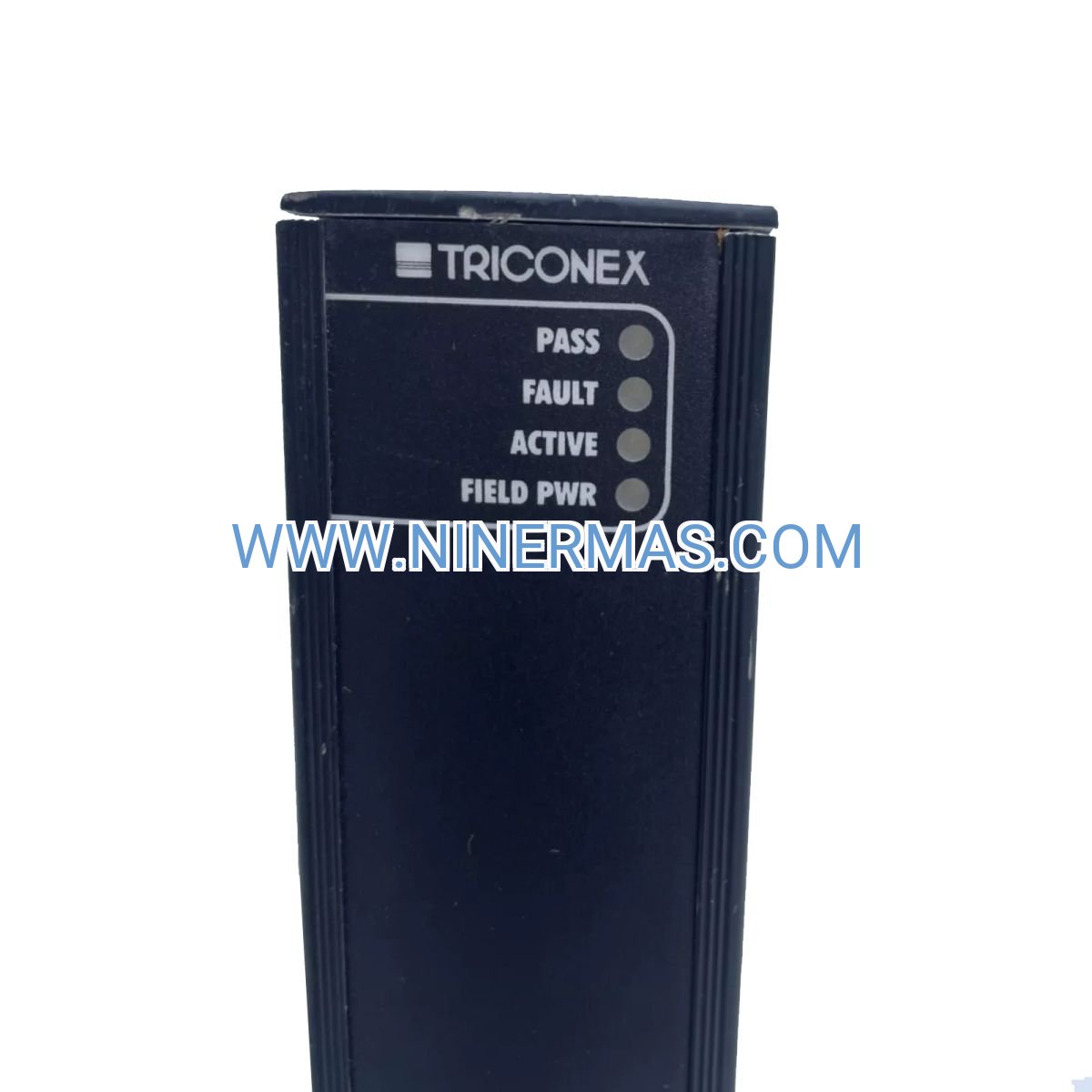
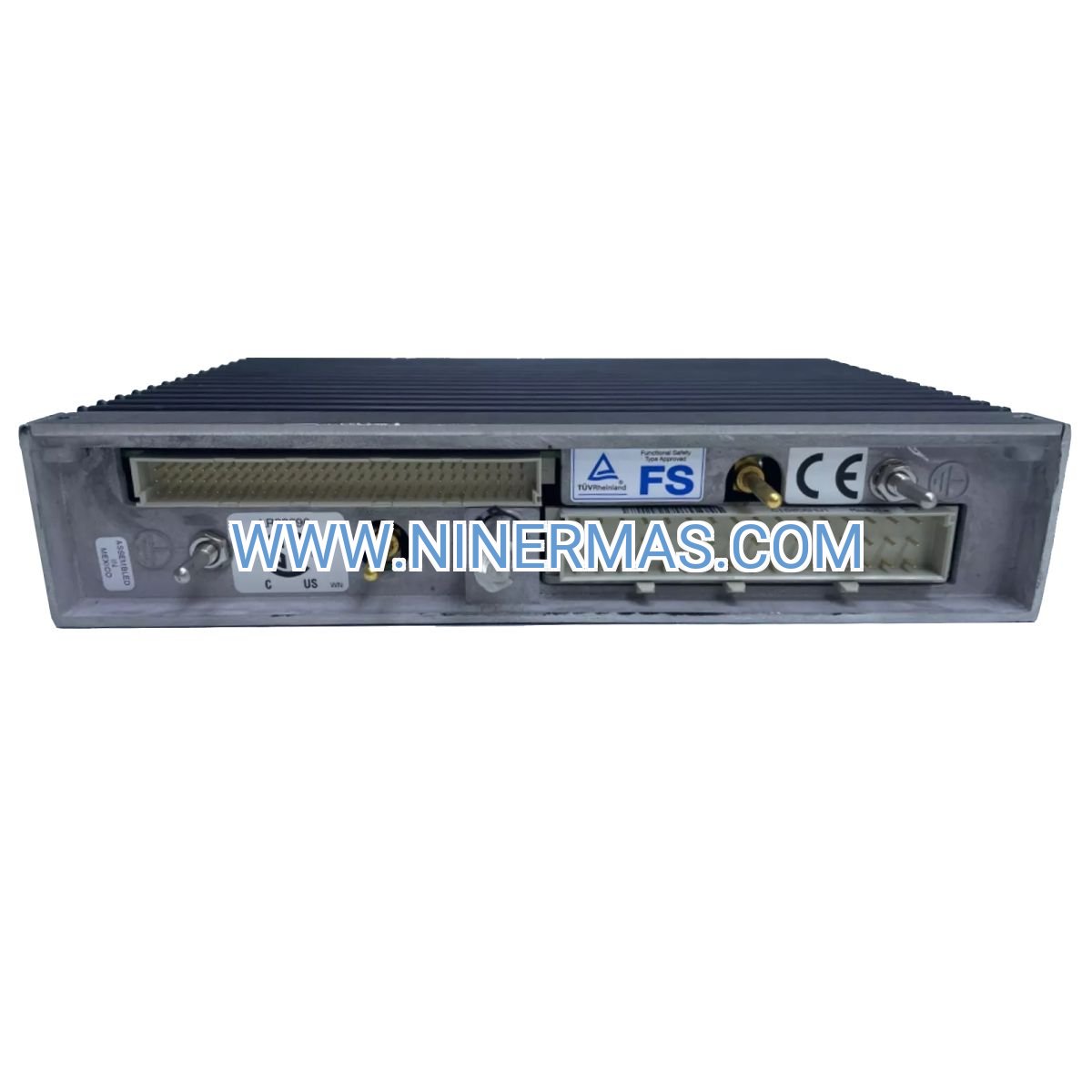
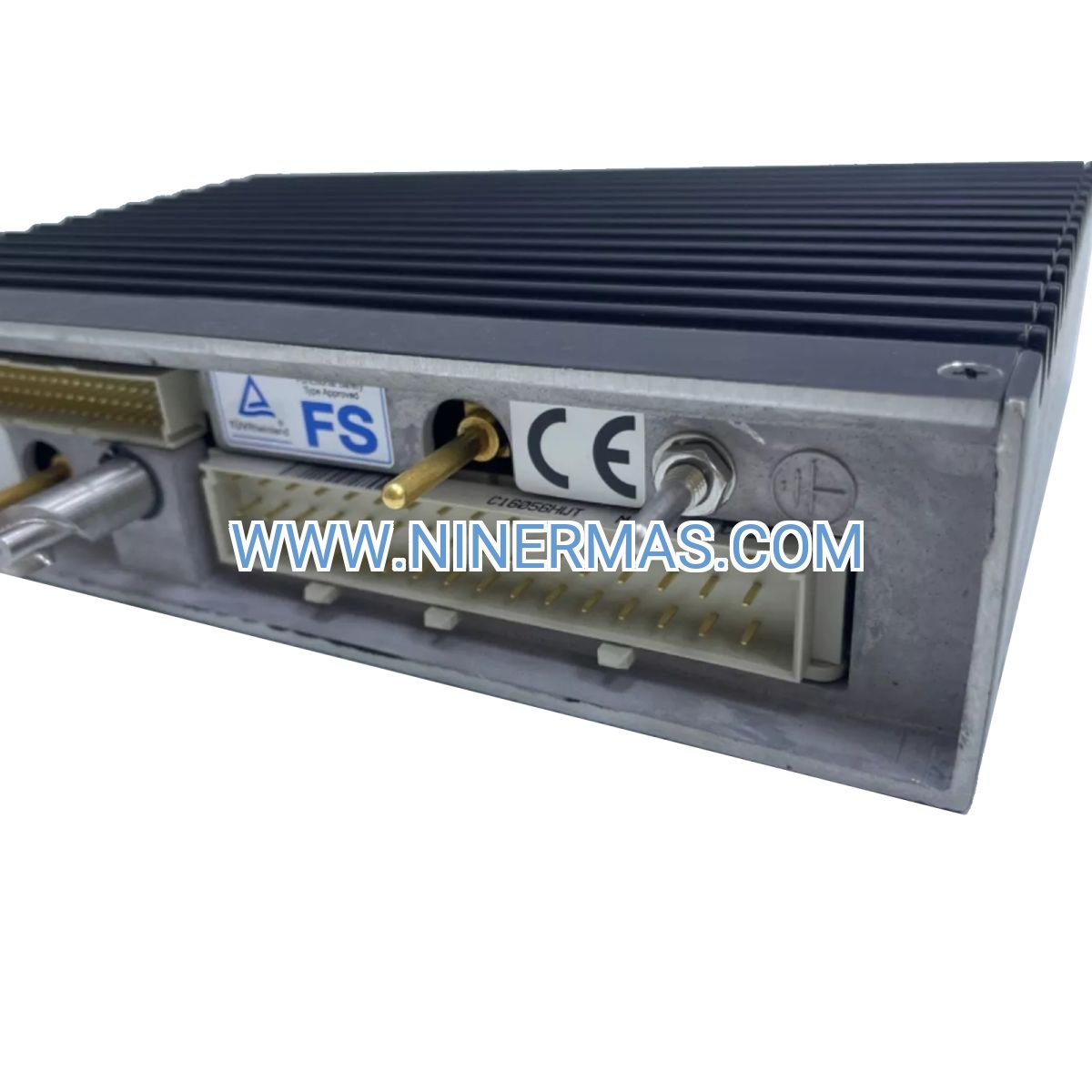
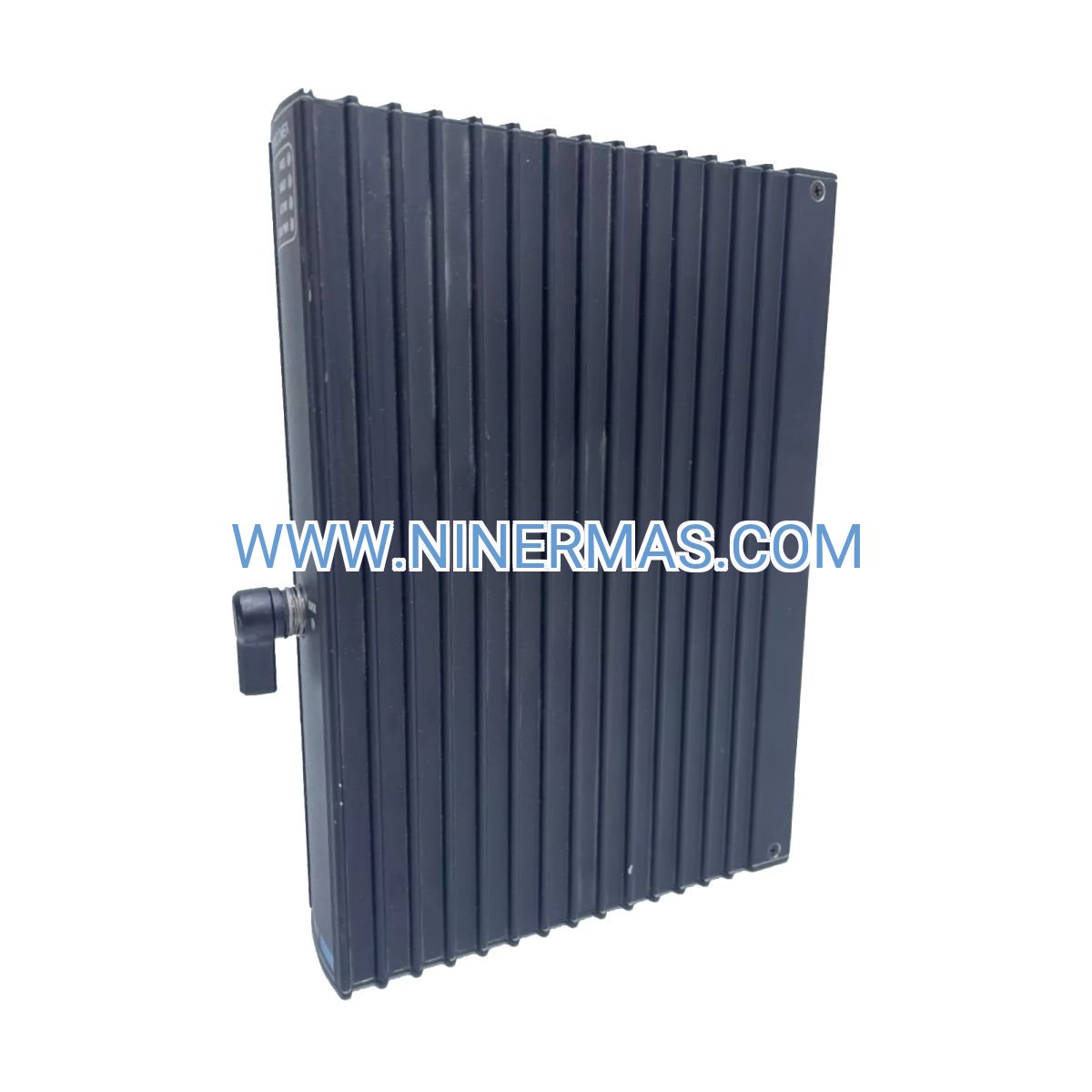
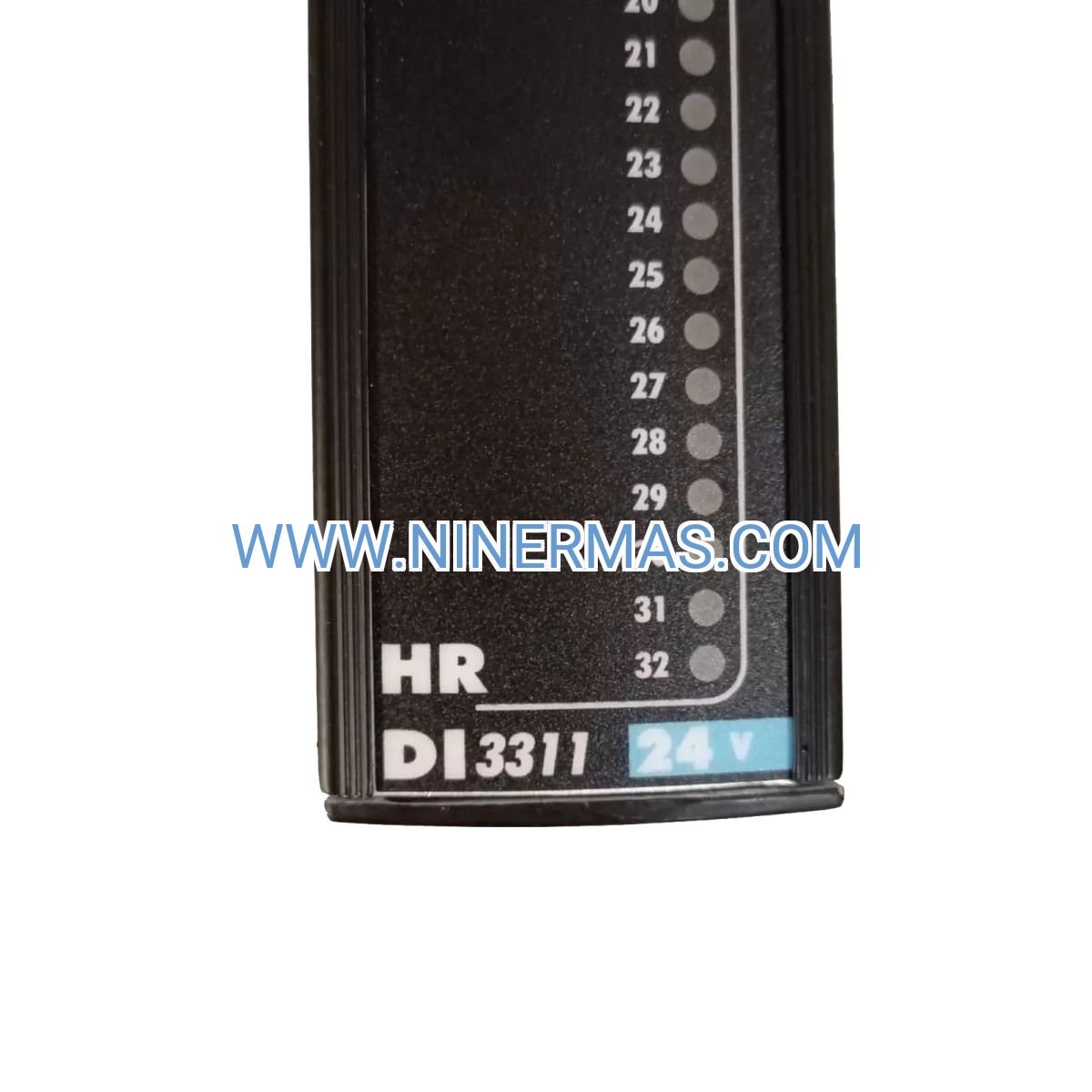
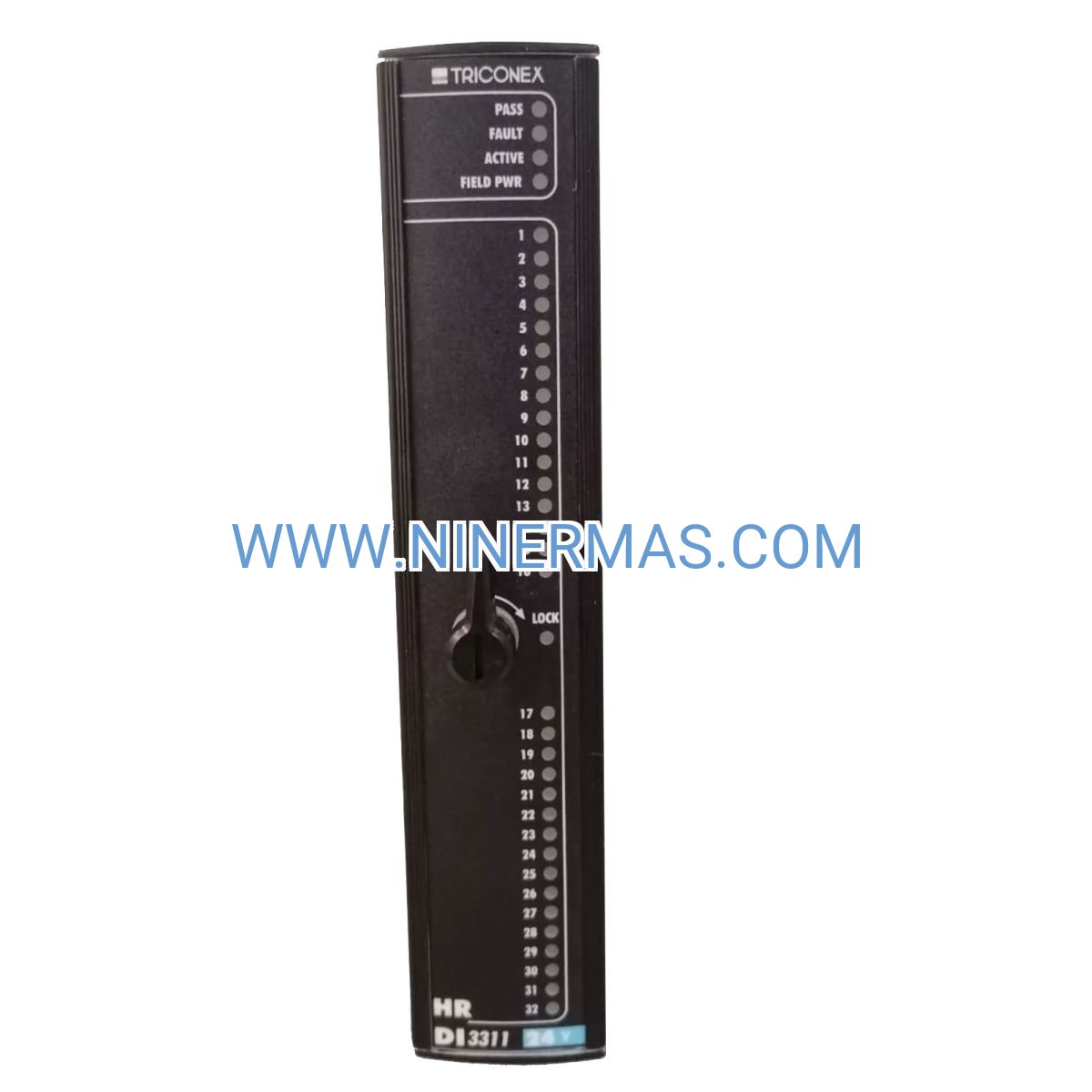
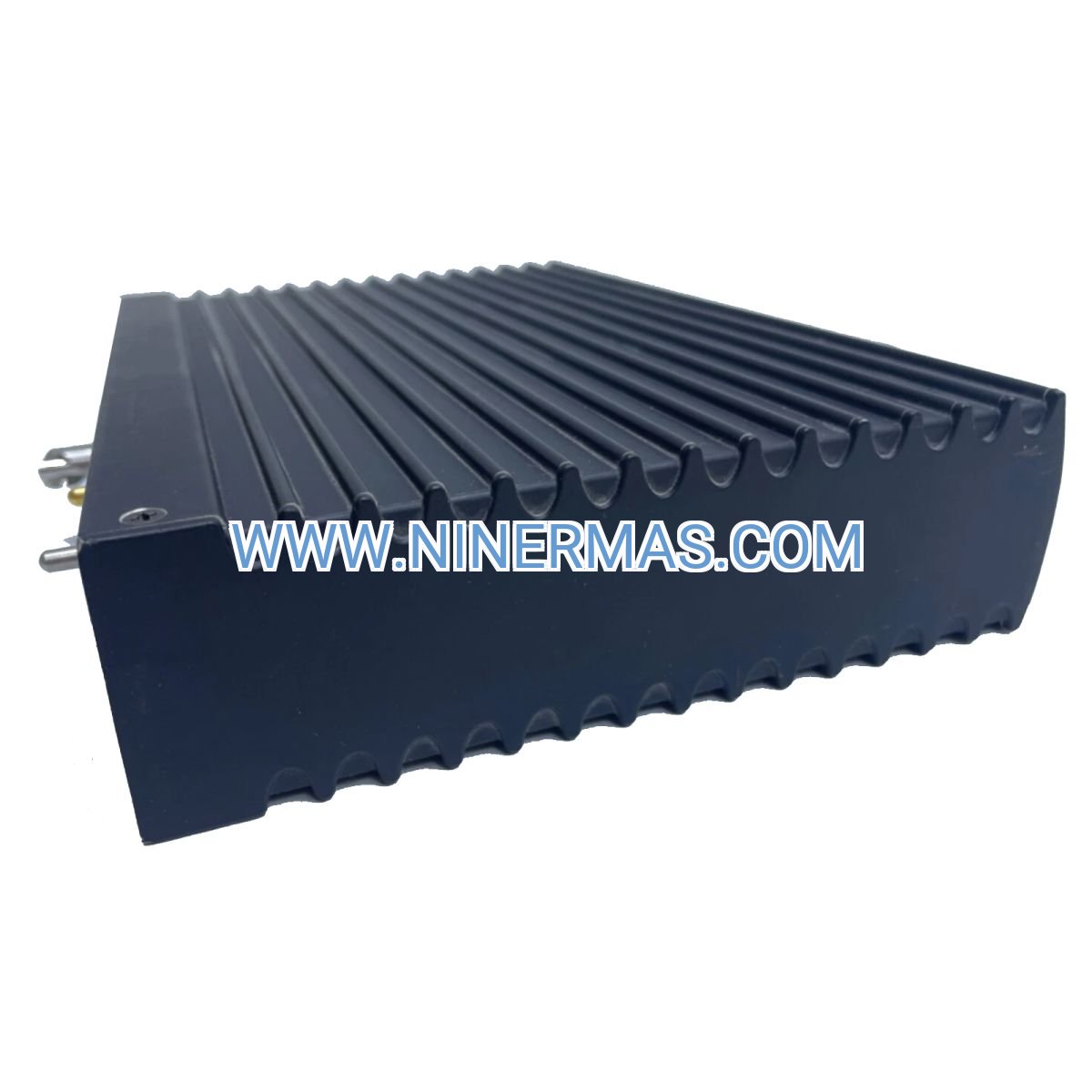
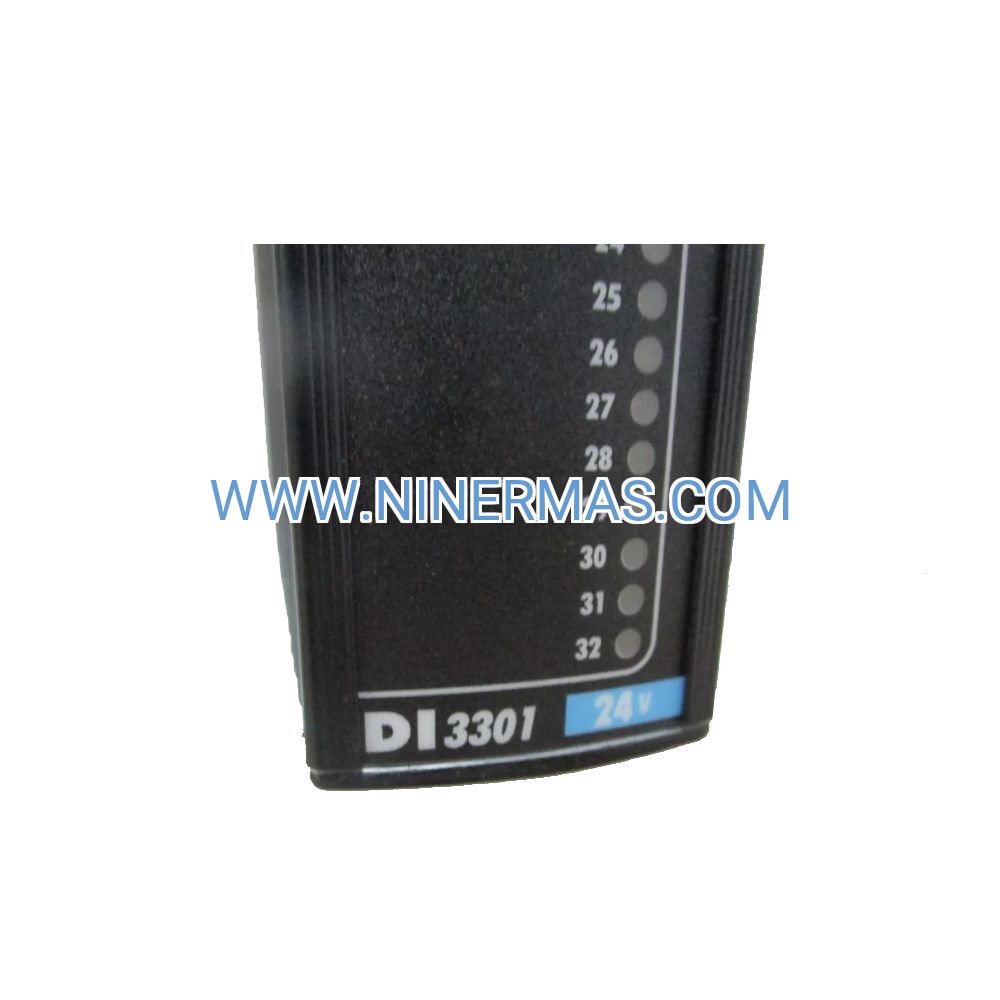
DI3311 Digital Input Card (Industrial-Grade TMR Safety Interface)
The DI3311 represents a field-proven triple modular redundant input interface engineered for safety instrumented systems demanding uncompromising reliability. This 32-channel digital acquisition module serves as the critical link between field sensors and Triconex safety controllers, delivering fault-tolerant signal processing in environments where process upsets could trigger equipment damage, environmental releases, or personnel injury.
Designed for integration into oil refineries, chemical plants, offshore platforms, and power generation facilities, the DI3311 addresses the fundamental challenge of maintaining protective system integrity despite harsh electrical environments, sensor degradation, and wiring faults. Process engineers and safety system integrators rely on this module to monitor emergency shutdown devices, fire and gas detection circuits, and critical process limit switches with voting logic that eliminates single-point vulnerabilities.
With continuous self-diagnostics, galvanic isolation on every channel, and certification to IEC 61508 SIL 3 standards, the DI3311 provides the foundation for safety systems protecting billions of dollars in assets and thousands of personnel across global industrial operations.
Key Capabilities & Technical Advantages
→ Triple Modular Redundancy: Three independent signal paths per channel with 2oo3 voting eliminate spurious trips from transient noise while detecting actual failures within milliseconds—reducing false alarm rates by up to 95% compared to simplex architectures
→ High-Density I/O: 32 discrete inputs in a single module slot maximize chassis utilization, reducing cabinet footprint by 40% versus dual-channel alternatives while simplifying wiring documentation and maintenance procedures
→ Comprehensive Isolation: 1500VAC channel-to-backplane isolation prevents ground loops and electrical interference, ensuring signal integrity in facilities with variable frequency drives, welding equipment, and high-voltage switchgear
→ Diagnostic Intelligence: Built-in health monitoring tracks channel status, voting discrepancies, and power supply conditions with >99% fault coverage—enabling predictive maintenance strategies that reduce unplanned shutdowns by 60%
→ Hot-Swap Capability: Field-replaceable during operation without safety system bypass, supporting mean time to repair under 15 minutes and maintaining continuous protection during maintenance activities
→ Wide Input Compatibility: Accepts dry contacts, proximity sensors, solid-state switches, and transmitter alarm outputs with automatic debouncing and filtering for reliable operation across diverse field device populations
Industrial Deployment Scenarios
Emergency Shutdown Systems: Monitor critical process parameters including high-pressure trips, low-flow alarms, and temperature limit switches in hydrocarbon processing units. The TMR architecture ensures that sensor calibration drift or wiring damage never compromises protective action, while diagnostic alerts enable proactive sensor replacement before failures occur.
Burner Management Systems: Track flame scanner status, air flow proving switches, and fuel valve position feedback in fired heaters and boilers. Voting logic filters electrical noise from ignition systems while maintaining response times under 5ms for rapid flame failure detection, preventing furnace explosions and equipment damage.
Turbine Protection: Interface with vibration monitors, overspeed detectors, and bearing temperature sensors on gas and steam turbines. The module's fast scan rates and deterministic processing ensure protective trips activate within design safety margins, preventing catastrophic mechanical failures in rotating equipment valued at $10M+.
Fire & Gas Detection: Acquire signals from flame detectors, combustible gas sensors, and manual pull stations across process areas. High channel density reduces wiring costs by 35% in distributed detection grids, while isolation prevents electrical faults in one zone from affecting adjacent area monitoring.
Pipeline Safety Systems: Monitor leak detection sensors, pressure relief valve positions, and block valve limit switches along transmission pipelines. The module's environmental ratings support installation in remote pump stations and compressor facilities operating in temperature extremes from Arctic to desert conditions.
Technical Specifications & Selection Criteria
| Parameter | Specification | Engineering Notes |
|---|---|---|
| Input Channels | 32 isolated TMR inputs | Each channel processes through three independent circuits |
| Nominal Voltage | 24VDC (18-30VDC range) | Compatible with standard industrial power supplies |
| Input Current | 7mA typical @ 24VDC | Low current draw supports long cable runs up to 500m |
| Logic Thresholds | ON >15VDC / OFF <5VDC | Wide hysteresis prevents oscillation on marginal signals |
| Response Time | <5ms input-to-processor | Meets IEC 61511 requirements for high-demand mode |
| Isolation Rating | 1500VAC continuous | Protects against ground potential differences and surges |
| Diagnostic Coverage | >99% fault detection | Exceeds SIL 3 architectural requirements per IEC 61508 |
| Operating Temperature | 0°C to 60°C ambient | Suitable for climate-controlled equipment rooms |
| Power Consumption | 4.5W maximum | Drawn from Tricon backplane, no external supply needed |
| MTBF | >200,000 hours | Based on Telcordia SR-332 predictions at 40°C |
Selection Guidelines: Choose the DI3311 when your application requires SIL 2/3 safety integrity levels, operates in electrically noisy environments, or demands high availability with minimal maintenance windows. For lower safety integrity requirements, consider simplex input modules. For hazardous area installations, verify intrinsic safety barrier compatibility with 7mA input current draw.
Advanced Integration Features
The DI3311 supports seamless integration with TriStation 1131 programming software for ladder logic, function block, and structured text development. Configuration tools provide graphical channel mapping, alarm setpoint definition, and voting strategy selection. The module automatically synchronizes with main processor scan cycles, ensuring deterministic I/O updates for time-critical safety functions.
For distributed architectures, the DI3311 operates within Tricon remote I/O chassis connected via fiber optic Tricon Communication Modules, extending safety system reach up to 10km from main controllers. This topology supports offshore platform topsides monitoring from central control rooms, pipeline valve monitoring from SCADA centers, and multi-unit refinery coordination from integrated operations facilities.
The module's diagnostic data streams to asset management systems via OPC interfaces, enabling condition-based maintenance programs. Predictive analytics identify degrading field devices through voting pattern analysis, while historical trend data supports safety system proof test optimization and regulatory compliance documentation.
Delivery Timeline & Support Services
Standard Delivery: 3-5 business days for in-stock units via express courier with tracking and signature confirmation
Custom Configuration: 7-10 business days for factory-programmed modules with customer-specific settings and documentation
Warranty Coverage: 12-month comprehensive warranty covering manufacturing defects, component failures, and workmanship issues with advance replacement service
Technical Support: Direct access to certified Triconex specialists for configuration assistance, troubleshooting guidance, and integration planning—average response time under 4 hours
Documentation Package: Product datasheet, installation manual, wiring diagrams, TriStation configuration examples, and SIL certification documents included with every shipment
Frequently Asked Questions
What types of field sensors interface with the DI3311 input module?
The DI3311 accepts any discrete device providing dry contact closure or 24VDC sourcing/sinking output, including inductive proximity sensors, mechanical limit switches, relay contacts, solid-state switches, photoelectric sensors, and two-wire transmitter alarm contacts. Verify field devices can sink minimum 7mA for reliable state detection. For analog sensors, pair with appropriate transmitters featuring alarm relay outputs.
How does triple modular redundancy improve safety system reliability?
TMR architecture processes each input through three independent electronic channels. The system compares results using 2-out-of-3 voting logic—requiring two channels to agree before changing state. This approach automatically filters electrical noise spikes, rejects single-channel failures, and maintains operation during component degradation. Diagnostic systems alert operators to voting discrepancies while the remaining channels preserve safety function, enabling scheduled maintenance without system bypass.
Can the DI3311 module be replaced without shutting down the safety system?
Yes, Triconex architecture supports hot-swapping of I/O modules during operation. The remaining TMR channels maintain full safety protection during module extraction and insertion. Follow proper ESD handling procedures, verify module seating in chassis guides, and confirm TriStation software recognizes the new module. The system automatically downloads configuration and resumes normal operation within 30 seconds of installation.
What diagnostic capabilities help predict maintenance requirements?
Continuous self-diagnostics monitor channel health, backplane communication integrity, power supply voltage levels, and TMR voting agreement. TriStation software displays real-time channel status with color-coded indicators, logs voting discrepancies with timestamps, and generates maintenance alerts when fault thresholds are exceeded. Historical data analysis identifies degrading field devices through increasing voting disagreement patterns, enabling proactive sensor replacement before failures impact operations.
Does the DI3311 require external power supplies for operation?
No external power supply is needed for the module itself—all operating power draws from the Tricon chassis backplane. However, field devices require separate 24VDC power supplies sized for total connected sensor current draw. Use power supplies with adequate capacity, short-circuit protection, and isolation from control system grounds. For critical applications, deploy redundant field power supplies with diode isolation to prevent single-point power failures.
How do I verify proper module installation and configuration?
After physical installation, use TriStation software to verify module recognition in the chassis slot, confirm configuration download completion, and check all channel status indicators show green. Perform functional testing by simulating field device state changes and verifying correct processor response. Review diagnostic logs for any communication errors or voting discrepancies. Consult installation manual section 4.2 for detailed commissioning procedures and acceptance test checklists.
Ready to Enhance Your Safety System?
Contact our industrial automation specialists to discuss your specific application requirements, receive technical sizing assistance, or request a formal quotation. Our team provides configuration support, integration planning, and rapid delivery to keep your critical projects on schedule.
© 2026 NINERMAS COMPANY LIMITED. All rights reserved.
Original Source: https://ninermas.com
Contact: sale@ninermas.com | +0086 187 5021 5667
Related products

Contact Info
-
Address:22 / F, South Wo Hang building, 148 Wing Lok Street, Sheung Wan, Western District, Hong Kong
-
Phone:+8618750215667
-
Email: