Description
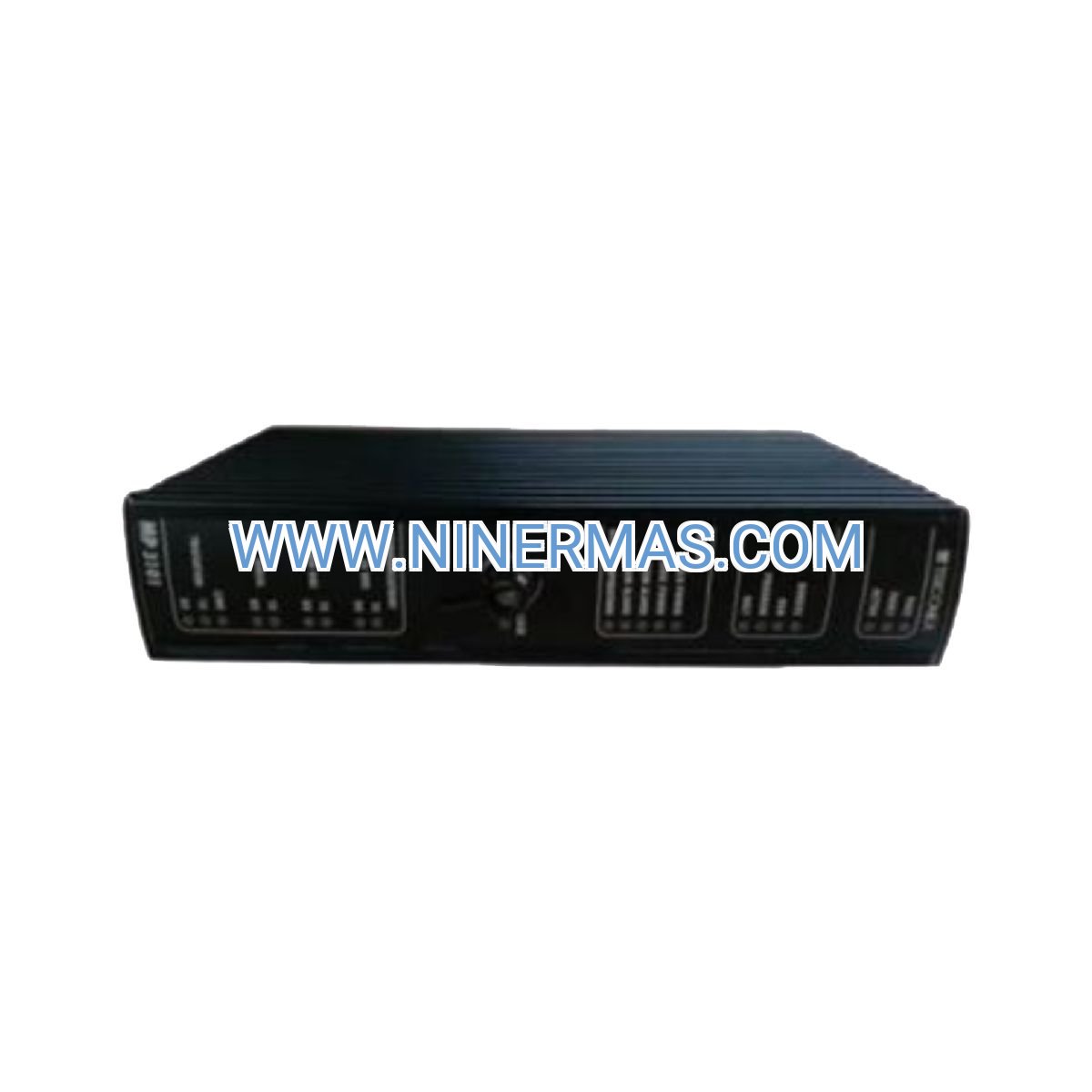
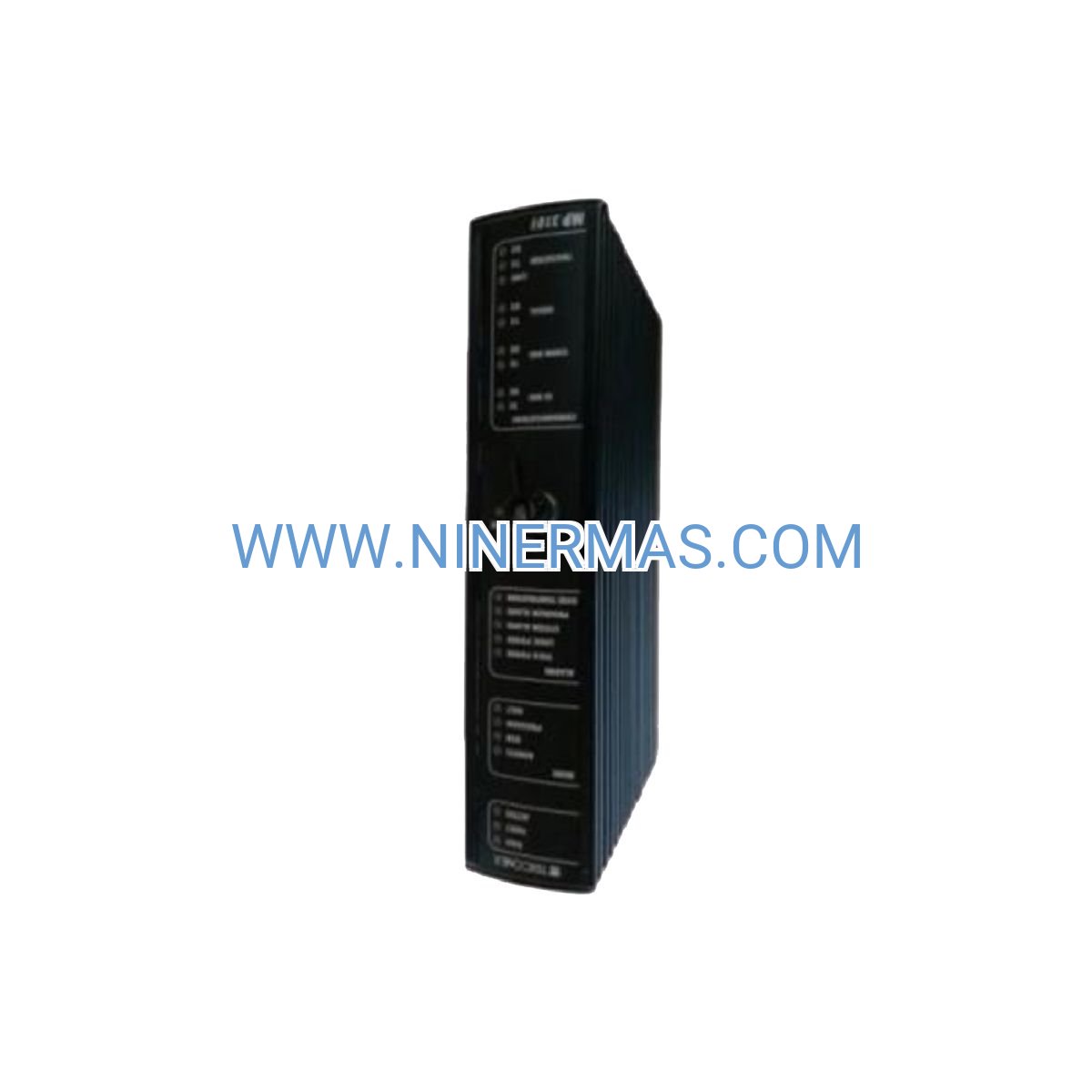
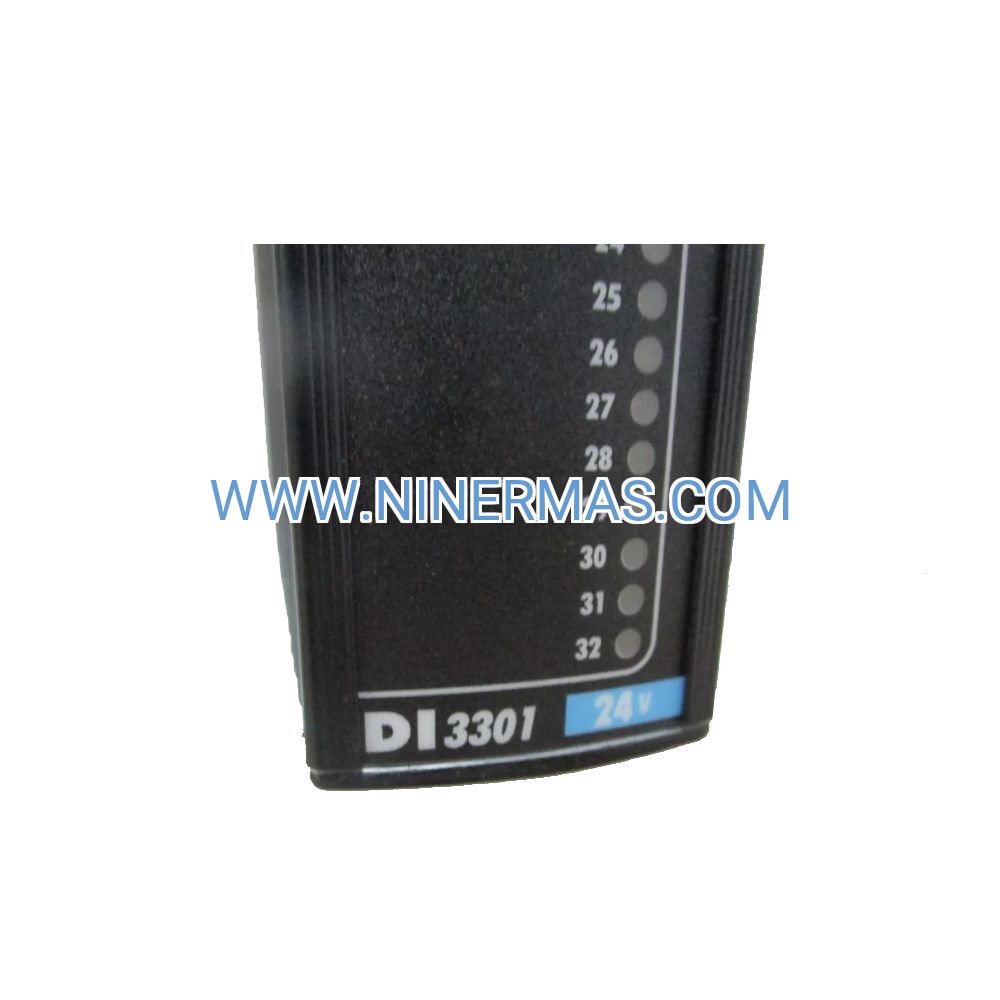
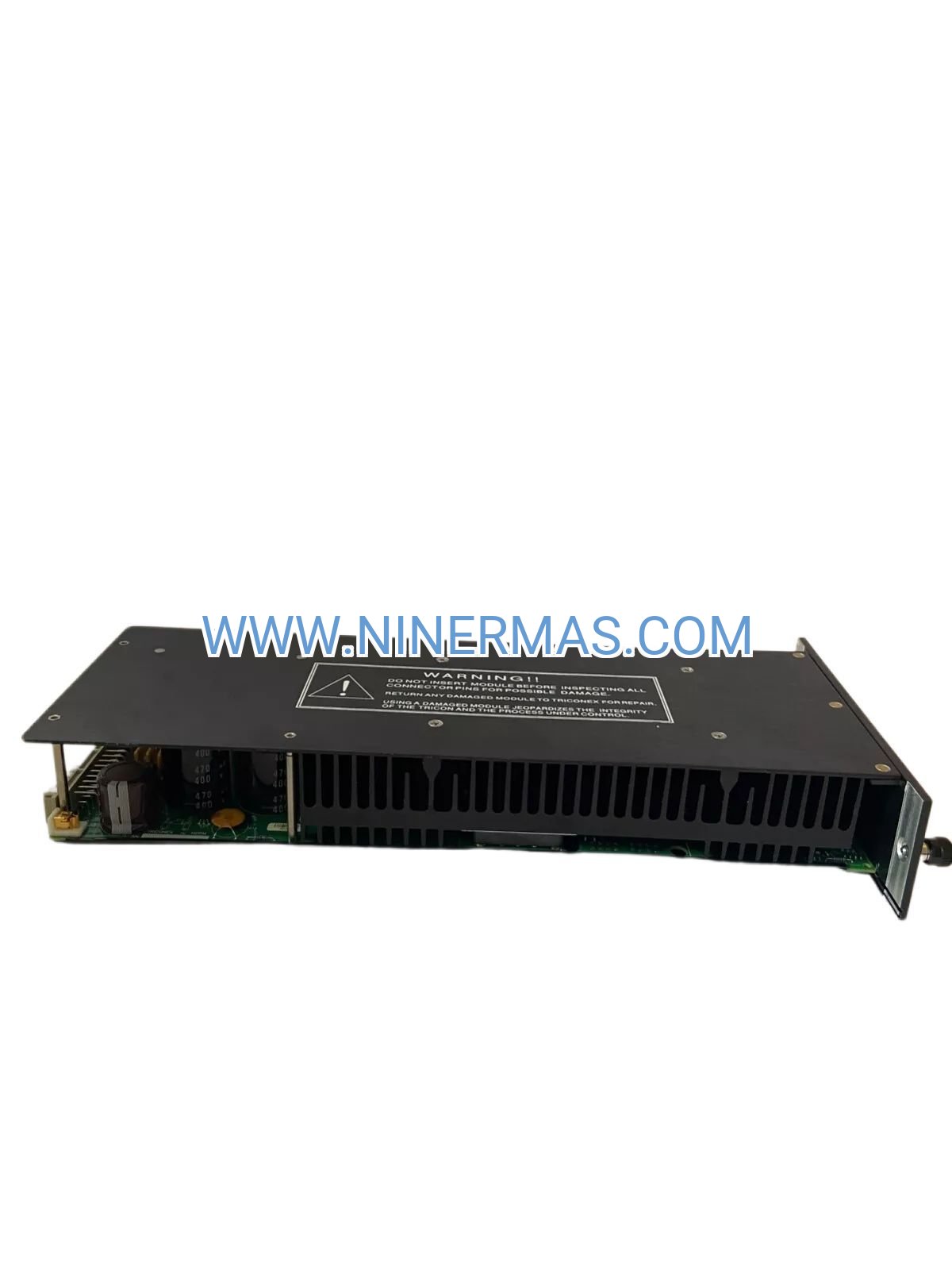
DI3301 S2 Digital Input Module (Industrial-Grade TMR Safety I/O)
The DI3301 S2 is a high-performance digital input module engineered for safety-critical industrial control applications. Built on proven Triple Modular Redundant (TMR) technology, this 32-channel input solution delivers fault-tolerant signal acquisition for emergency shutdown systems, fire & gas detection, and process safety interlocks across petrochemical, power generation, and pharmaceutical facilities.
Designed for engineers and plant operators managing mission-critical processes, the DI3301 S2 addresses the fundamental challenge of maintaining continuous safety system availability while meeting stringent SIL 3 certification requirements. Its self-diagnostic architecture and hot-swap capability eliminate planned downtime, ensuring your safety instrumented systems remain operational 24/7/365.
With field-proven reliability in the harshest industrial environments and seamless integration into Triconex control platforms, the DI3301 S2 represents the optimal choice for organizations prioritizing process safety, regulatory compliance, and operational continuity.
Core Features & Benefits
✓ 32 Independent Safety-Rated Channels – Maximize I/O density while reducing cabinet footprint and wiring complexity, lowering installation costs by up to 40% compared to distributed architectures
✓ Triple Modular Redundancy with Majority Voting – Automatic fault masking ensures uninterrupted operation during single-point failures, achieving 99.9%+ system availability for critical safety functions
✓ SIL 3 Certified per IEC 61508 – Meet global functional safety standards for high-demand applications, simplifying compliance documentation and reducing certification audit time
✓ Hot-Swap Field Replacement – Replace modules during live operation without system shutdown or safety function bypass, eliminating costly production interruptions
✓ Sub-10ms Input Scan Cycle – Rapid signal acquisition enables fast-acting protective responses for time-sensitive safety scenarios including turbine overspeed and flame failure detection
✓ 1500V AC Channel Isolation – Robust electrical isolation protects control systems from field-side voltage transients and ground loop interference, extending equipment service life
Typical Application Scenarios
Emergency Shutdown Systems (ESD)
In offshore oil platforms and refinery units, the DI3301 S2 monitors critical process parameters including high-level switches, pressure safety valves, and emergency stop buttons. When hazardous conditions are detected, the module triggers immediate shutdown sequences, preventing equipment damage and protecting personnel. The TMR architecture ensures shutdown capability remains intact even during component failures.
Burner Management Systems (BMS)
Power generation facilities and industrial boilers rely on the DI3301 S2 to interface with flame scanners, air flow switches, and fuel valve limit switches. The module's fast response time enables precise ignition sequencing and flame failure detection, preventing dangerous fuel accumulation and ensuring safe combustion processes across startup, operation, and shutdown cycles.
Fire & Gas Detection Networks
Chemical processing plants deploy the DI3301 S2 to aggregate signals from distributed flame detectors, toxic gas sensors, and manual call points. The module's high channel count reduces system complexity while maintaining the signal integrity required for rapid emergency response activation, including deluge systems, ventilation controls, and evacuation alarms.
Turbomachinery Protection
Compressor stations and gas turbine installations use the DI3301 S2 to monitor vibration sensors, bearing temperature switches, and lube oil pressure indicators. The module's diagnostic coverage detects sensor faults before they compromise protection functions, while its rugged design withstands the electromagnetic interference common in high-power rotating equipment environments.
Critical Process Interlocks
Pharmaceutical manufacturing and food processing operations implement the DI3301 S2 for clean room pressure monitoring, sterile barrier verification, and batch process sequencing. The module's validated performance supports FDA 21 CFR Part 11 compliance initiatives while providing the deterministic I/O response required for recipe-driven automation.
Technical Parameters & Selection Guide
| Parameter | Specification |
|---|---|
| Input Channels | 32 discrete digital inputs (TMR architecture) |
| Nominal Input Voltage | 24V DC (18-30V DC operating range) |
| Safety Integrity Level | SIL 3 per IEC 61508 / IEC 61511 |
| Input Scan Cycle | <10ms typical response time |
| Electrical Isolation | 1500V AC channel-to-backplane |
| Operating Temperature | -40°C to +70°C (-40°F to +158°F) |
| Diagnostic Coverage | >99% fault detection capability |
| Hot-Swap Support | Yes - online replacement without shutdown |
| Mounting | Standard Triconex chassis (TriBus backplane) |
| Configuration Software | TriStation 1131 Developer Workbench |
Selection Criteria: Choose the DI3301 S2 when your application requires SIL 3-rated digital input acquisition with proven TMR fault tolerance. This module is optimal for safety systems handling 24V DC discrete signals from proximity sensors, limit switches, relay contacts, and two-state field devices. For analog signal processing or higher-density requirements, consider complementary Triconex analog input modules or expanded I/O chassis configurations.
Extended Functions
Advanced Diagnostic Capabilities – Built-in self-test routines continuously monitor channel health, power supply integrity, and backplane communication status. Diagnostic data streams to TriStation software for predictive maintenance scheduling and compliance reporting.
Flexible Input Filtering – Configurable debounce timers eliminate false triggers from mechanical switch contacts and electromagnetic interference, with adjustment ranges from 0-250ms to match specific field device characteristics.
System Integration Options – Native compatibility with Modbus TCP/IP, OPC DA/UA servers, and third-party SCADA platforms enables enterprise-level data visibility and remote monitoring through standard industrial protocols.
Customization Services – Factory configuration services available for pre-programmed I/O mapping, custom diagnostic thresholds, and application-specific voting logic to accelerate commissioning timelines for large-scale projects.
Delivery & Service Assurance
Lead Time: Standard stock items ship within 3-5 business days. Custom-configured modules require 2-3 weeks for factory programming and testing.
Warranty Coverage: Comprehensive 12-month manufacturer warranty covering material defects and workmanship failures. Extended warranty programs available for critical infrastructure applications.
Technical Support: Access to certified Triconex application engineers for configuration assistance, troubleshooting guidance, and system optimization recommendations. Support available via email, phone, and remote desktop sessions.
Documentation Package: Each module ships with installation manual, wiring diagrams, TriStation configuration templates, and SIL 3 certification documentation to streamline commissioning and regulatory compliance.
Frequently Asked Questions
How does the DI3301 S2 integrate with existing Triconex control systems?
The module mounts directly onto standard Triconex chassis and communicates via the TriBus backplane. Configuration is performed through TriStation 1131 software, which automatically recognizes the module type and presents appropriate I/O mapping options. Backward compatibility with legacy Tricon systems ensures seamless upgrades without controller replacement.
What input signal types and voltage ranges are supported?
The DI3301 S2 accepts standard 24V DC discrete signals with an operating range of 18-30V DC. Compatible field devices include proximity sensors, limit switches, push buttons, relay contacts, and any two-state device providing voltage-free or sinking/sourcing outputs. Input impedance is optimized for typical industrial sensor current requirements.
Can individual channels be replaced or repaired in the field?
The module operates as a sealed unit with no user-serviceable internal components. However, the hot-swap design allows complete module replacement during live operation without interrupting safety functions or requiring system shutdown. Failed modules can be returned for factory repair or exchange under warranty terms.
What wiring practices ensure optimal signal integrity and EMC compliance?
Use shielded twisted-pair cables for all input connections, with shields grounded at the cabinet entry point only to prevent ground loops. Maintain separation between I/O wiring and high-voltage power cables. Follow IEC 61326 industrial EMC guidelines and local electrical codes. Detailed wiring schematics are provided in the installation manual.
How does TMR voting improve system reliability compared to simplex architectures?
Triple Modular Redundancy processes each input through three independent channels. Majority voting logic compares the three signals and uses the agreed-upon state, automatically masking single-channel faults caused by component failures, wiring issues, or sensor malfunctions. This architecture achieves fault tolerance without manual intervention or safety function degradation.
Is the DI3301 S2 suitable for hazardous area installations?
The module itself is designed for control room mounting in non-hazardous Zone 2/Division 2 environments. For hazardous area field device interfacing, use approved intrinsic safety barriers or explosion-proof junction boxes between field sensors and the module inputs. Consult local authority having jurisdiction for specific installation requirements.
Ready to Enhance Your Safety System Reliability?
Contact our industrial automation specialists today for application-specific guidance, system architecture recommendations, and competitive quotations. Our team can assist with I/O channel calculations, chassis configuration, and integration planning to ensure your Triconex safety system meets both operational requirements and regulatory mandates.
© 2026 NINERMAS COMPANY LIMITED. All rights reserved.
Original Source: https://ninermas.com
Contact: sale@ninermas.com | +0086 187 5021 5667
Related products

Contact Info
-
Address:22 / F, South Wo Hang building, 148 Wing Lok Street, Sheung Wan, Western District, Hong Kong
-
Phone:+8618750215667
-
Email: