Description
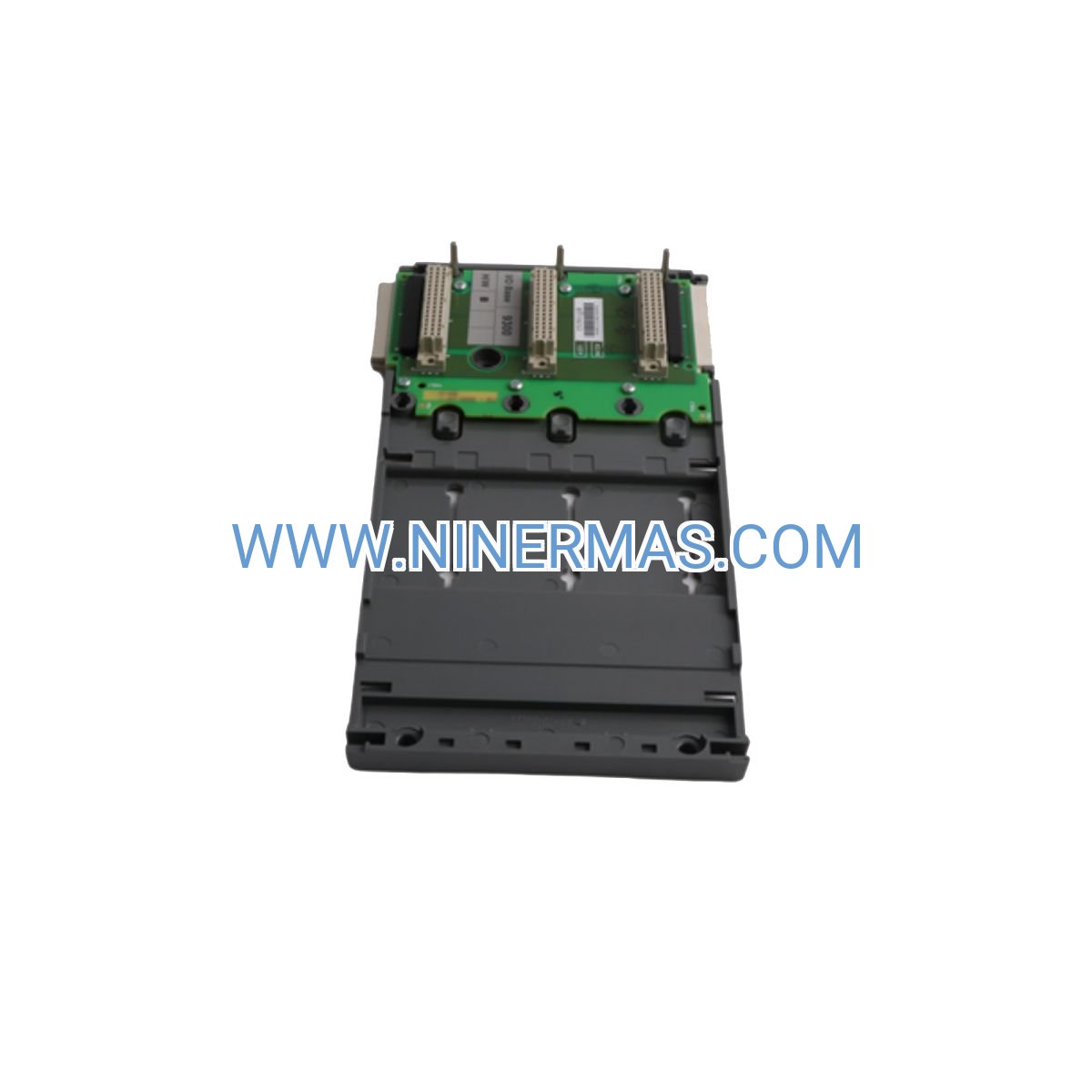
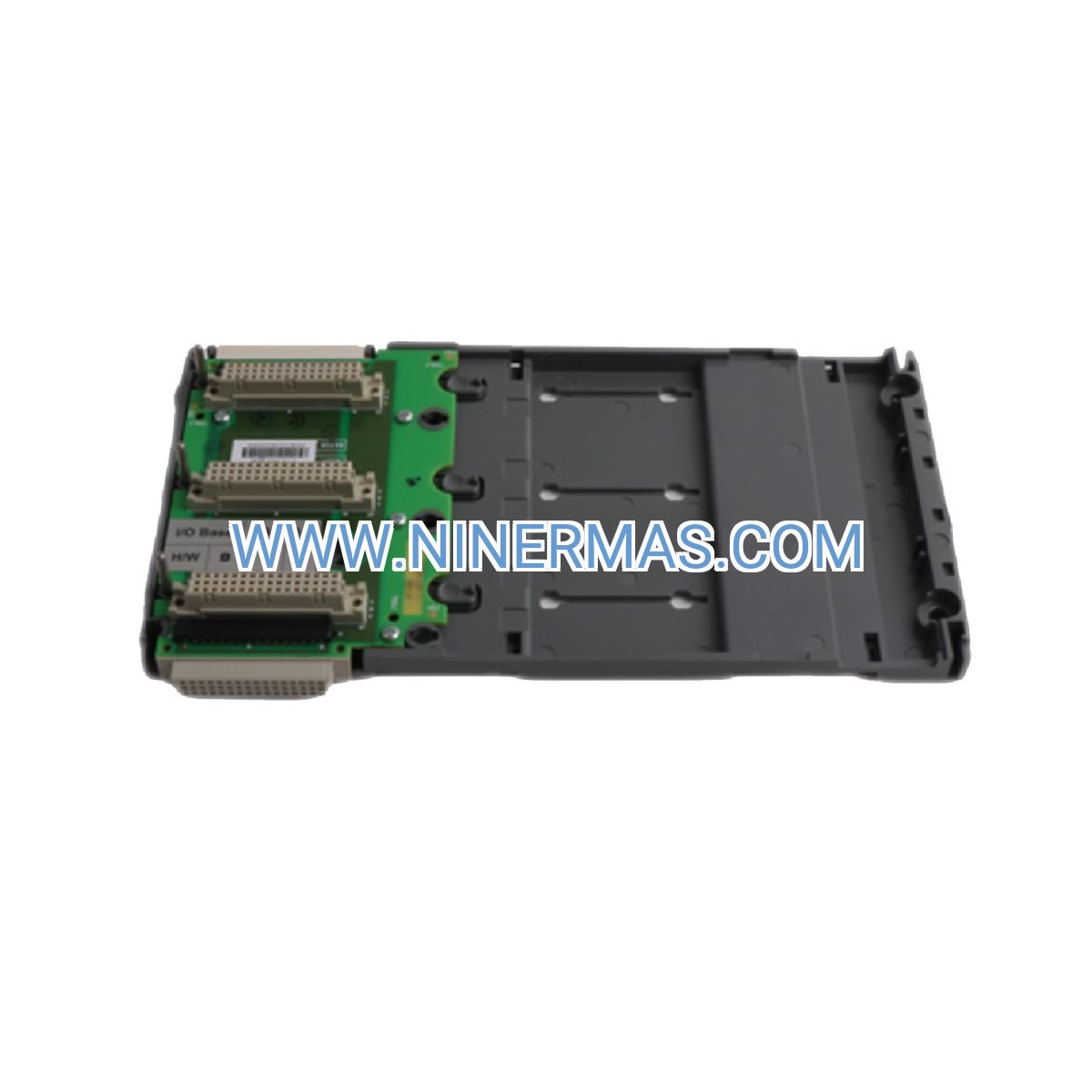
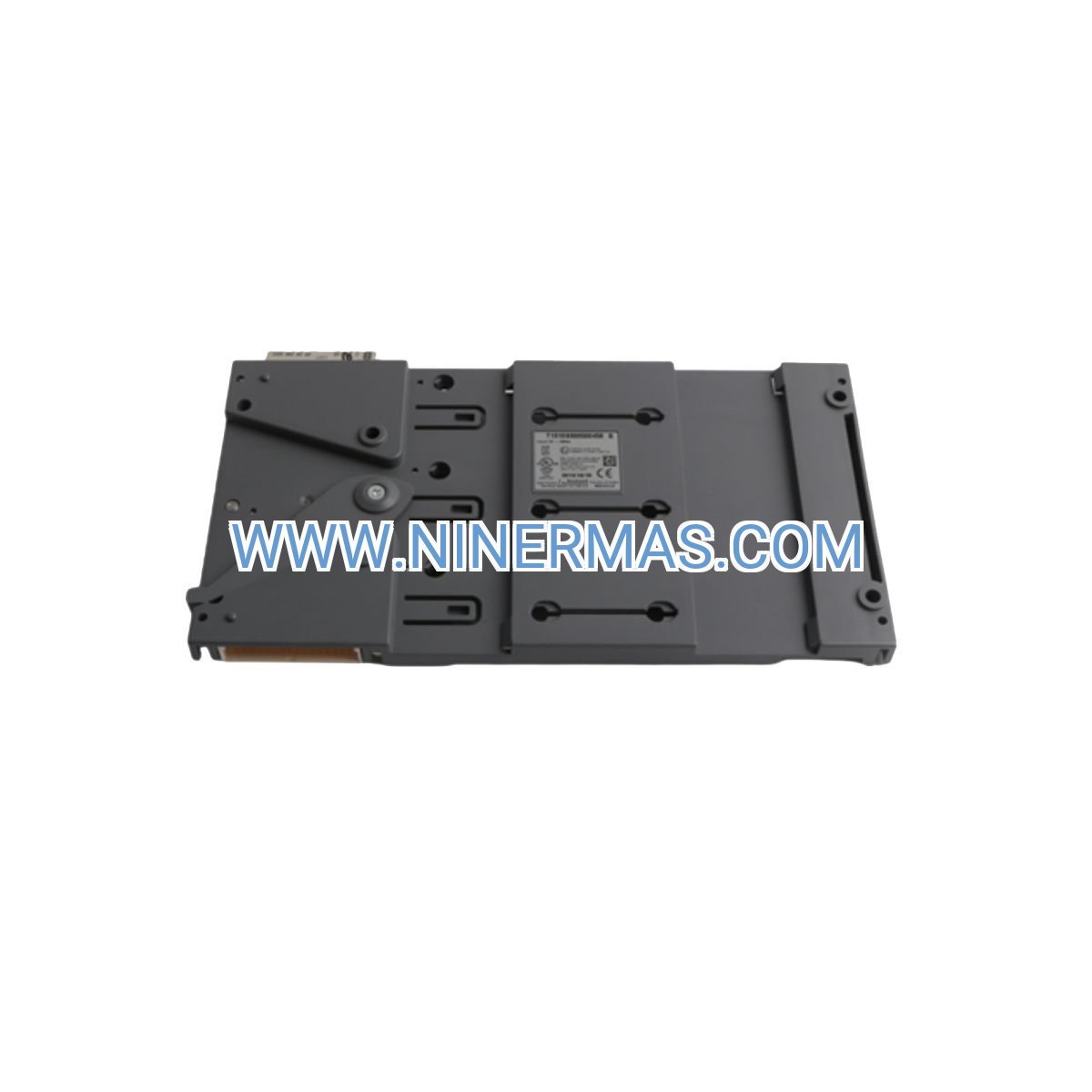
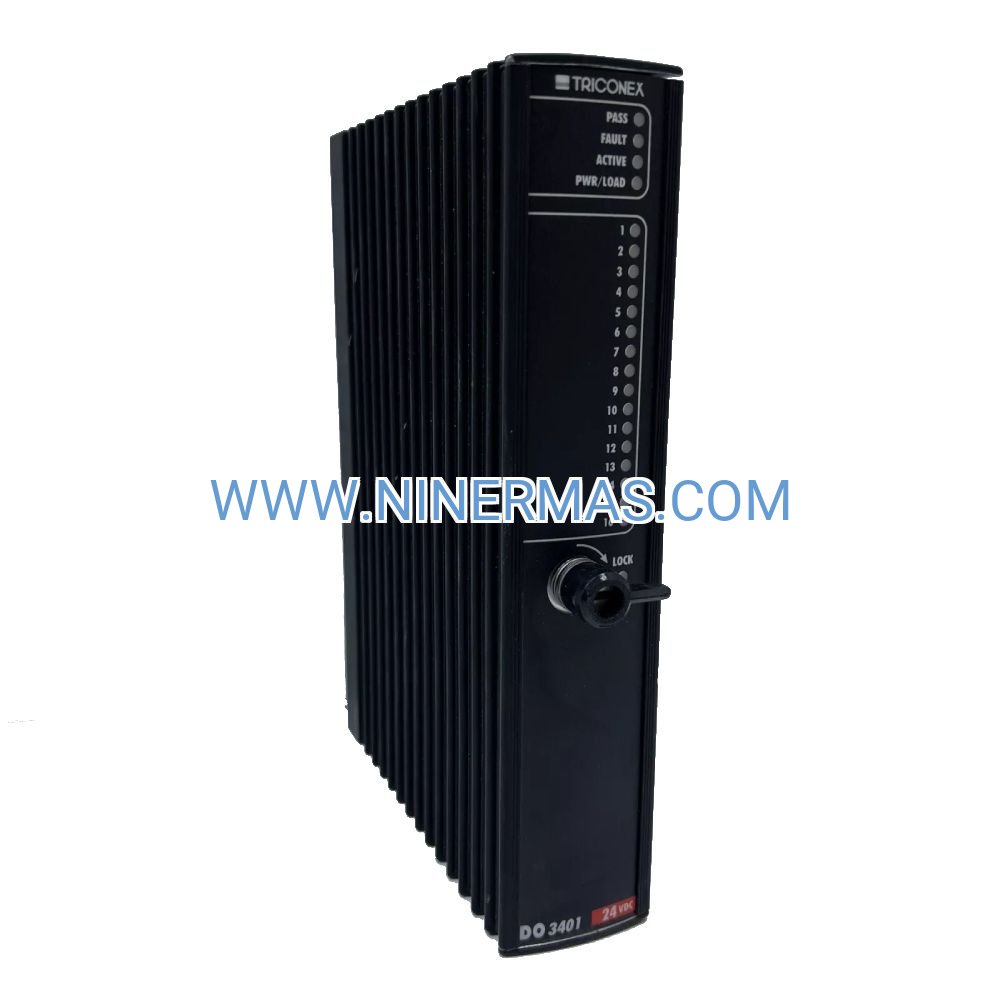
Triconex 9300 Triple Modular Redundant Safety Controller (Industrial-Grade SIL 3 Platform)
The Triconex 9300 is a fault-tolerant safety instrumented system engineered for mission-critical process control environments where equipment failure is not an option. Built on proven Triple Modular Redundant (TMR) technology, this SIL 3 certified platform delivers continuous protection for emergency shutdown (ESD), fire and gas (F&G), burner management (BMS), and high-integrity pressure protection (HIPPS) applications across oil and gas, petrochemical, power generation, and chemical processing industries.
Designed for facilities operating under stringent safety regulations including IEC 61508, IEC 61511, and API standards, the 9300 eliminates single points of failure through three-channel voting architecture. When process hazards demand absolute reliability—offshore platforms, refinery units, LNG terminals, nuclear auxiliaries—this system provides the deterministic response and diagnostic coverage required to protect personnel, assets, and the environment.
With field-proven MTBF exceeding 100 years for critical logic solvers and hot-swappable modules enabling zero-downtime maintenance, the Triconex 9300 reduces total cost of ownership while meeting the most demanding safety integrity requirements. Whether you're designing a new facility or upgrading legacy systems, this platform offers scalable architecture from compact skid packages to distributed multi-unit installations.
Core Capabilities & Business Value
→ SIL 3 Certified Fault Tolerance: Achieves probability of failure on demand (PFD) below 10⁻⁴, meeting the highest safety integrity level for process industry applications. Eliminates costly spurious trips through fault-masking TMR architecture that continues operating even when individual channels fail.
✓ Deterministic Scan Performance: Executes safety logic in predictable 10-20ms cycles regardless of program complexity or I/O count. Guarantees consistent response times for time-critical shutdown sequences, turbine overspeed protection, and compressor anti-surge control.
✓ Online Maintenance Capability: Hot-swap processors, I/O modules, and power supplies without process interruption or safety system bypass. Reduces maintenance windows by 80% compared to simplex systems while maintaining full safety coverage during service activities.
✓ Comprehensive Diagnostics: Monitors system health down to individual component level with 99%+ diagnostic coverage. Predicts failures before they impact operations through continuous self-testing of processors, memory, I/O circuits, and communication paths.
✓ Backward Compatibility: Supports migration from legacy Tricon systems with application-level compatibility, protecting decades of engineering investment. Enables phased modernization strategies that minimize project risk and commissioning time.
✓ Cybersecurity Hardening: Incorporates role-based access control, encrypted protocols, audit trails, and physical key-switch protection. Meets IEC 62443 industrial cybersecurity standards with network isolation and defense-in-depth architecture.
Industry Applications & Problem Solving
Offshore Oil & Gas Production: Manages platform-wide emergency shutdown systems coordinating wellhead isolation, process depressurization, and flare header control. Prevents blowouts and uncontrolled releases in harsh marine environments where system availability directly impacts production revenue and regulatory compliance.
Refinery & Petrochemical Processing: Protects high-temperature reactors, distillation columns, and catalytic crackers from overpressure, overtemperature, and loss-of-containment scenarios. Integrates with DCS for coordinated process control while maintaining complete functional independence per safety standards.
Power Generation Facilities: Controls turbine overspeed protection, boiler flame monitoring, and generator excitation systems. Delivers the sub-second response required for rotating equipment protection while providing detailed sequence-of-events recording for post-incident analysis.
LNG & Cryogenic Systems: Monitors leak detection, fire suppression, and emergency isolation for liquefied natural gas terminals and storage facilities. Operates reliably in extreme temperature environments from -60°C to +60°C with conformal coating and environmental hardening options.
Chemical Manufacturing: Safeguards batch reactors, exothermic processes, and toxic material handling through interlocked permissive logic and automated emergency response. Reduces human error in complex startup/shutdown sequences with guided operator procedures.
Technical Specifications & Selection Guide
| Parameter | Specification |
|---|---|
| Safety Certification | SIL 3 per IEC 61508/61511, TÜV certified |
| Architecture | Triple Modular Redundant (TMR) with 2oo3 voting |
| Scan Cycle Time | 10-20ms deterministic (typical application) |
| I/O Expansion | Up to 118 remote chassis via Tricon network |
| Communication Protocols | Modbus TCP/RTU, OPC DA/UA, Ethernet/IP, Tristation |
| Programming Environment | TriStation 1131 (IEC 61131-3 compliant) |
| Operating Temperature | 0°C to 60°C (32°F to 140°F) |
| Humidity Range | 5% to 95% non-condensing |
| Power Requirements | Redundant 24V DC or 120/240V AC |
| MTBF (Logic Solver) | >100 years per IEC 61508 calculations |
| Diagnostic Coverage | >99% for safety-critical functions |
| Memory Capacity | Up to 32MB application program storage |
Selection Criteria: Choose the Triconex 9300 when your application requires SIL 3 certification, when spurious trip costs exceed $100K per event, when online maintenance is essential for continuous operations, or when regulatory frameworks mandate fault-tolerant safety systems. For smaller applications requiring SIL 2 or lower, consider cost-optimized alternatives; for SIL 4 nuclear applications, consult specialized safety system providers.
Advanced Integration Features
The 9300 platform supports seamless integration with modern industrial ecosystems through native OPC UA connectivity, enabling real-time data exchange with SCADA systems, historians, and cloud analytics platforms. Embedded web servers provide browser-based diagnostics without requiring proprietary software installations, while SNMP support allows integration with enterprise network management systems.
For Industry 4.0 initiatives, the system's open architecture facilitates predictive maintenance programs through continuous health monitoring data streams. Integration with Schneider Electric's EcoStruxure platform enables remote expert support, automated backup management, and fleet-wide performance benchmarking across multiple facilities.
Custom I/O modules accommodate specialized sensors including smart transmitters with HART protocol, fiber-optic flame detectors, and wireless gas monitors. The modular design allows field-configurable redundancy levels—from simplex for non-critical signals to TMR for safety-critical inputs—optimizing system cost while maintaining safety integrity.
Delivery Timeline & Service Commitments
Standard Configuration: 4-6 weeks for catalog modules and pre-configured chassis assemblies. Includes factory acceptance testing (FAT) documentation and calibration certificates traceable to national standards.
Engineered Systems: 8-12 weeks for custom I/O configurations, application programming, and integrated panel assemblies. Includes detailed design review, simulation testing, and site acceptance test (SAT) procedures.
Warranty Coverage: 12-month comprehensive warranty covering materials, workmanship, and firmware defects. Extended warranty programs available for up to 5 years with priority technical support and advance replacement options.
Technical Support: 24/7 global support hotline with direct access to Triconex-certified engineers. On-site commissioning assistance, operator training, and lifecycle management services available through authorized service partners.
Documentation Package: Complete technical manuals, wiring diagrams, spare parts lists, IEC 61508 safety manual, and application programming examples. Digital documentation portal provides access to firmware updates, technical bulletins, and training videos.
Frequently Asked Questions
How does the Triconex 9300 prevent false shutdowns during component failures?
The TMR architecture uses three independent processors that continuously compare results. When one channel develops a fault, the other two outvote it and the system continues operating normally while alerting maintenance. Only when two or more channels detect the same hazardous condition does the system initiate a shutdown, reducing spurious trips by 95% compared to simplex controllers.
What communication options are available for integrating with existing DCS systems?
The 9300 supports Modbus TCP/RTU for legacy systems, OPC DA/UA for modern SCADA platforms, Ethernet/IP for Allen-Bradley integration, and proprietary Tristation protocol for engineering workstations. Multiple protocols can operate simultaneously, and communication modules are hot-swappable for online upgrades.
Can I perform system modifications without shutting down the process?
Yes, the 9300 supports online programming changes for non-safety-critical logic, and all hardware modules are hot-swappable. Safety-critical logic modifications require a controlled download procedure that maintains system operation during the transfer. Comprehensive change management tools track all modifications with audit trails.
What cybersecurity measures protect against unauthorized access?
The system implements multi-layer security including physical key-switch lockout, role-based user authentication, encrypted communication channels, and comprehensive audit logging. Network isolation separates safety functions from business networks, and optional firewall modules provide additional protection for remote access scenarios.
How do I size the system for my application's I/O requirements?
Each main chassis supports up to 14 I/O modules, and you can expand to 118 remote chassis using Tricon network. A typical configuration handles 500-2000 I/O points. Contact our application engineers with your I/O count, scan time requirements, and physical layout for a detailed system architecture proposal.
What training is required for maintenance personnel?
Basic troubleshooting requires familiarity with industrial control systems and can be learned in a 2-day workshop. Application programming requires IEC 61131-3 knowledge and typically involves a 5-day certification course. We provide on-site training customized to your facility's specific application and maintenance procedures.
Get Your Safety System Quote Today
Protect your critical processes with proven Triconex 9300 technology. Contact our safety system specialists for application review, system sizing, and competitive pricing. We provide complete turnkey solutions including engineering, panel fabrication, commissioning support, and operator training.
Request a quote: Share your P&ID, I/O list, and safety requirements for a detailed proposal within 48 hours.
Technical consultation: Schedule a call with our certified Triconex engineers to discuss your specific application challenges.
Demo & training: Visit our application center for hands-on demonstration and programming workshops.
© 2026 NINERMAS COMPANY LIMITED. All rights reserved.
Original Source: https://ninermas.com
Contact: sale@ninermas.com | +0086 187 5021 5667
Related products

Contact Info
-
Address:22 / F, South Wo Hang building, 148 Wing Lok Street, Sheung Wan, Western District, Hong Kong
-
Phone:+8618750215667
-
Email: