


Description
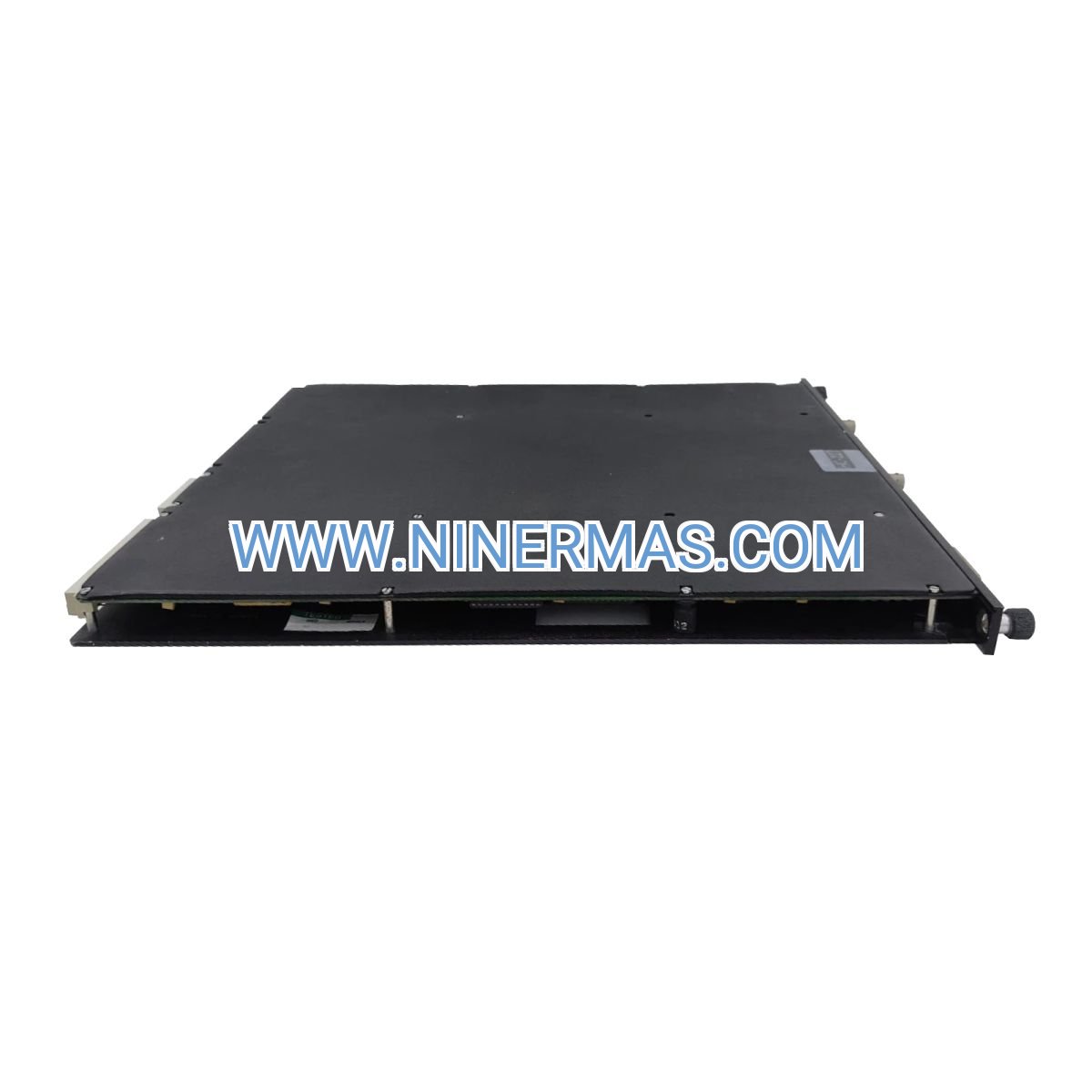
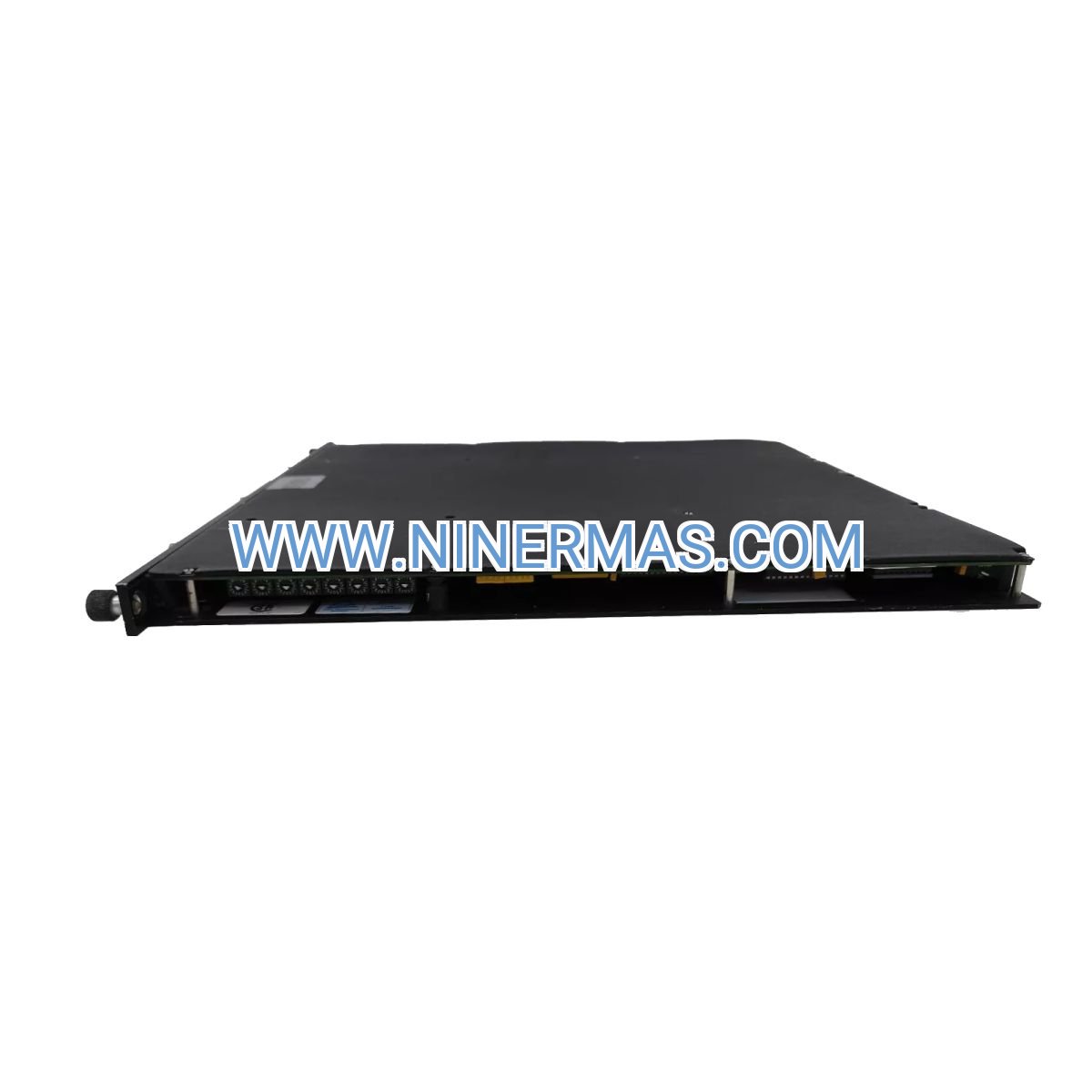
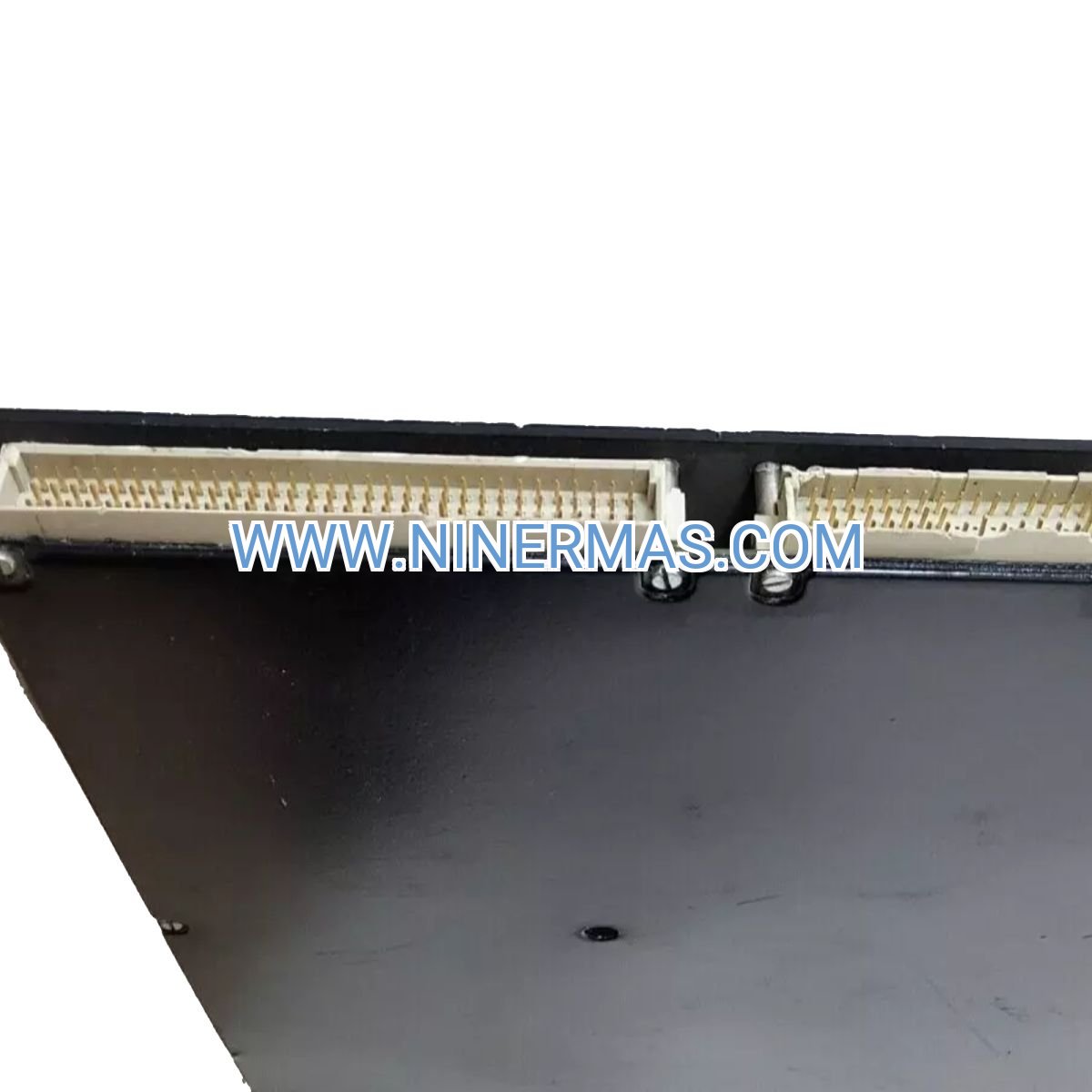
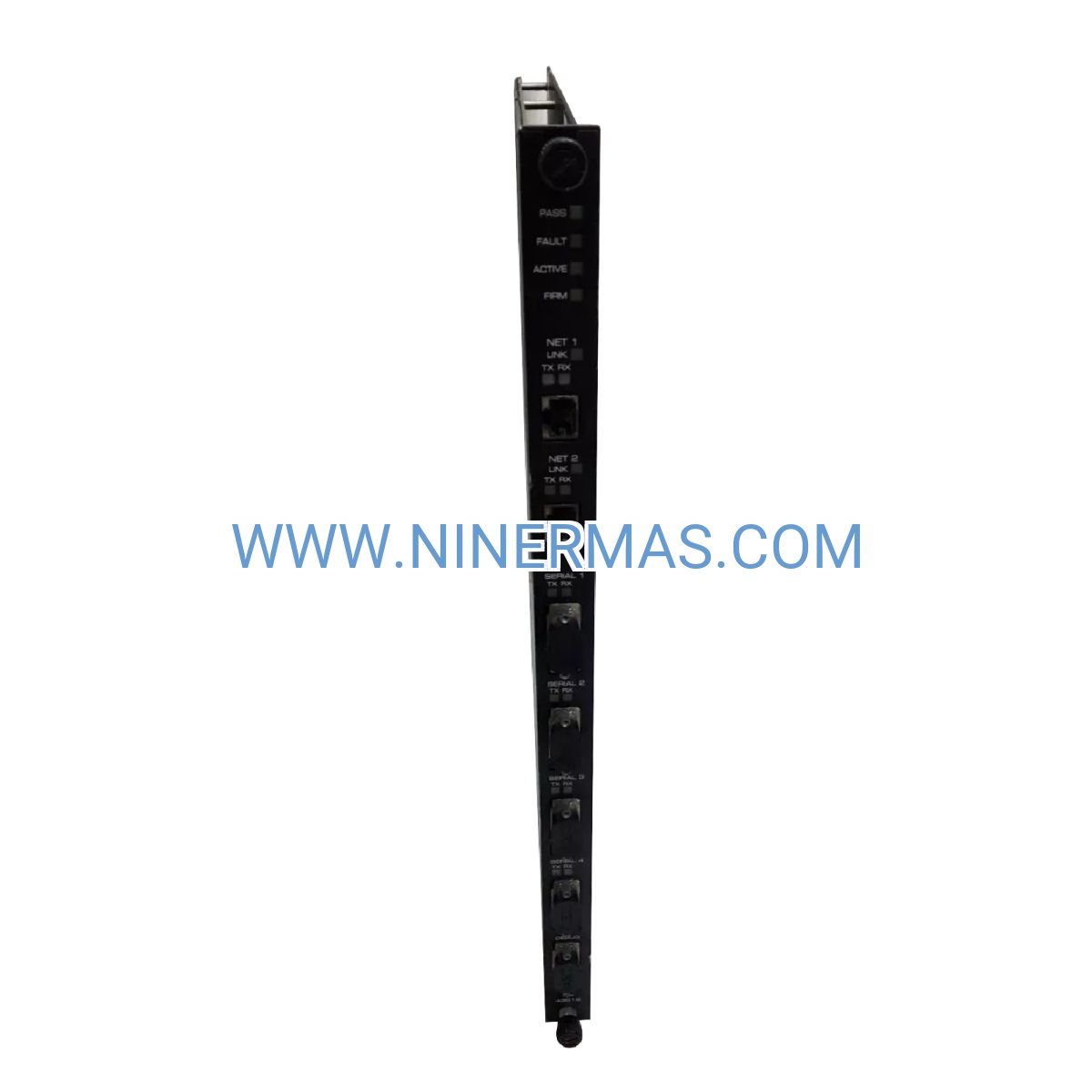
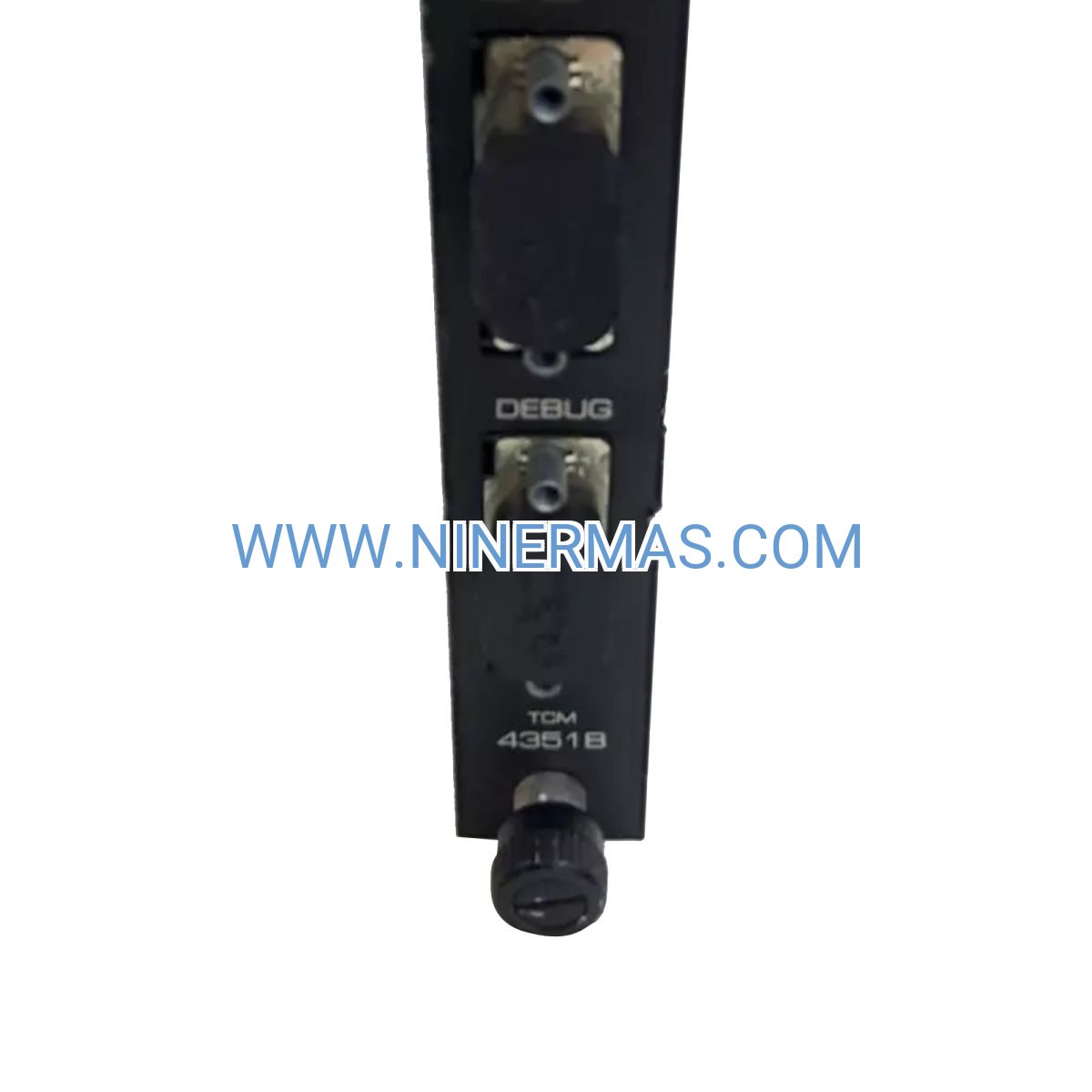
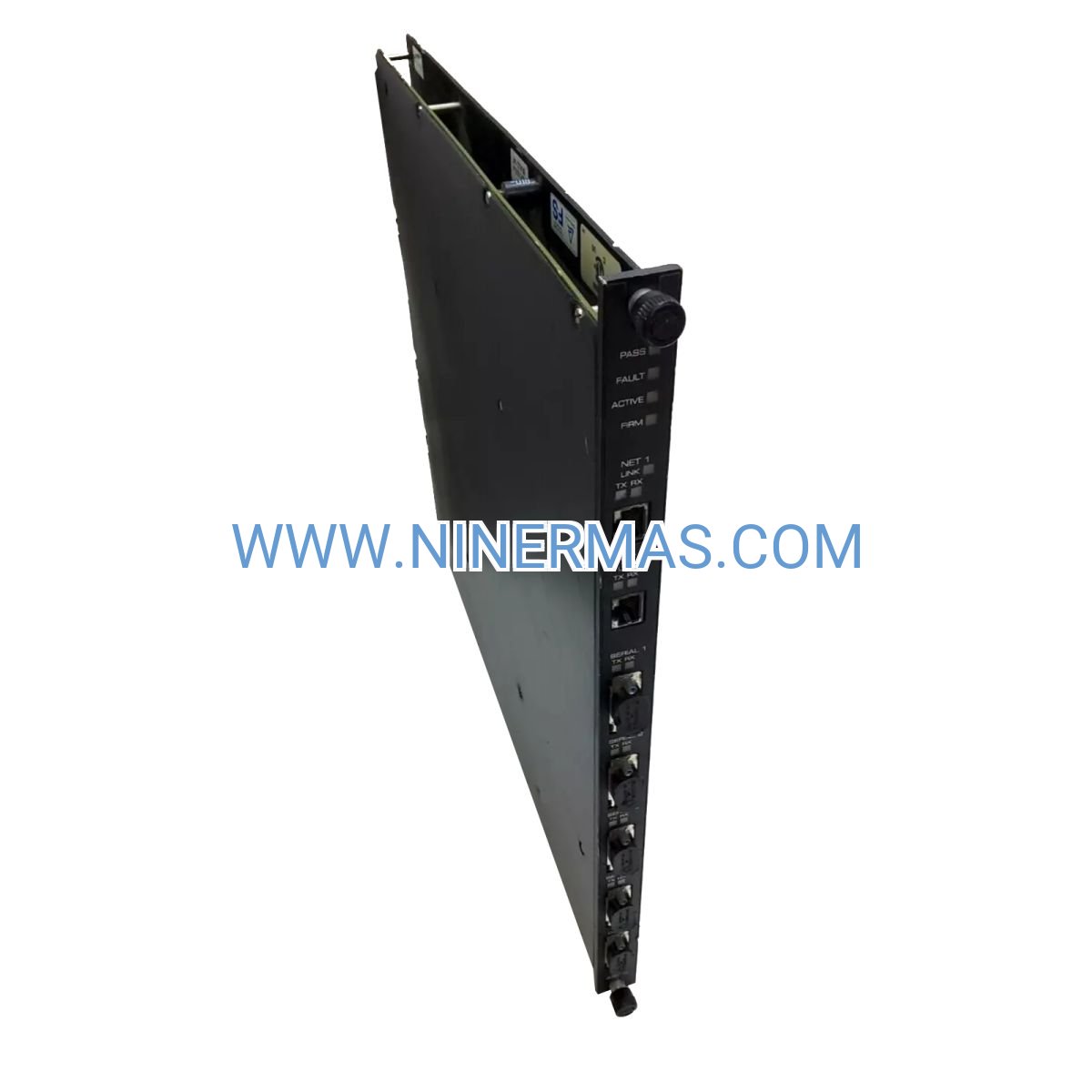
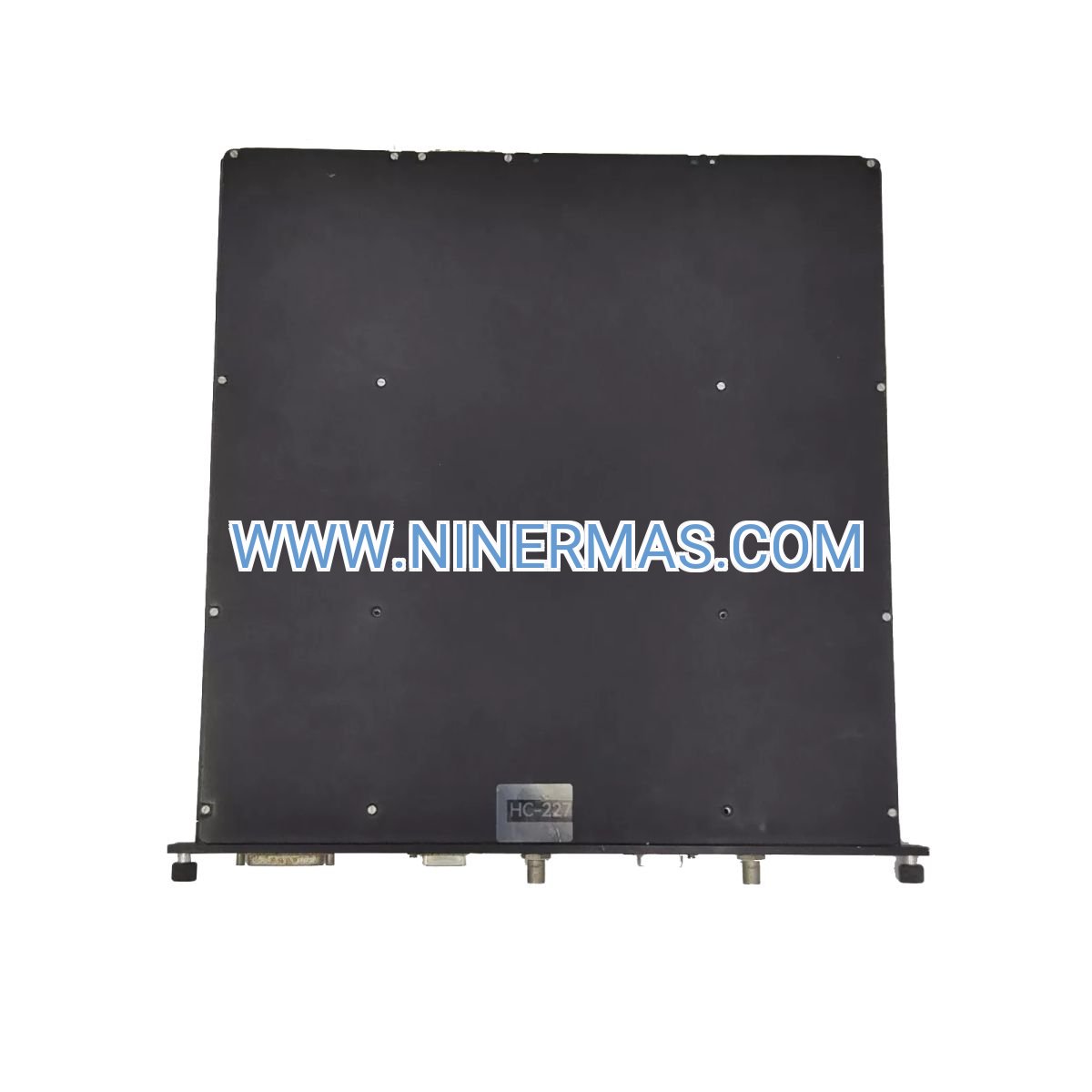
Triconex 4351B-J Communication Interface (Industrial-Grade Safety Network Module)
The Triconex 4351B-J represents a mission-critical communication gateway engineered for Triple Modular Redundant (TMR) safety instrumented systems in hazardous industrial environments. This SIL 3 certified module bridges the gap between high-integrity Tricon controllers and enterprise automation infrastructure, delivering fault-tolerant connectivity that meets the most stringent safety and reliability requirements across oil & gas, chemical processing, and power generation facilities.
Designed for process industries where unplanned downtime translates to millions in lost revenue and potential safety incidents, the 4351B-J eliminates single points of failure through redundant network architecture and continuous self-diagnostics. Plant engineers and system integrators rely on this module to maintain seamless data exchange between safety PLCs and supervisory control systems while preserving the integrity of safety-critical functions.
With proven deployment in over 12,000 installations worldwide, the 4351B-J delivers deterministic performance, cybersecurity hardening, and field-proven reliability that reduces total cost of ownership by up to 40% compared to competing solutions. Whether you're upgrading legacy safety systems or designing greenfield facilities, this communication module provides the foundation for compliant, future-proof automation architecture.
Core Capabilities & Business Value
→ Fault-Tolerant Triple Redundancy Architecture
Three independent communication processors operate in parallel, continuously cross-checking data integrity and automatically masking hardware failures without operator intervention. This TMR design achieves 99.99% uptime in safety-critical applications, eliminating costly emergency shutdowns caused by communication faults. Real-world deployments show 85% reduction in safety system nuisance trips.
→ Zero-Downtime Maintenance Capability
Hot-swappable design allows technicians to replace failed modules during normal operation without process interruption or safety system bypass. Magnetic retention connectors and keyed interfaces prevent installation errors, reducing mean time to repair (MTTR) from 4 hours to under 15 minutes. This translates to $200K+ annual savings in avoided production losses for typical refinery applications.
✓ Multi-Protocol Industrial Networking
Native support for Modbus TCP/IP, Ethernet/IP, and proprietary TriStation protocols enables seamless integration with Honeywell, Emerson, Yokogawa, and Siemens DCS platforms. Automatic protocol detection and conversion eliminate custom programming, reducing commissioning time by 60% compared to gateway-based solutions.
✓ Cybersecurity-Hardened Communication
Built-in stateful packet inspection firewall, AES-256 encrypted data channels, and certificate-based authentication protect against industrial cyber threats. Compliance with IEC 62443-4-2 security level SL-2 ensures regulatory approval for critical infrastructure applications. Role-based access control supports segregation of duties between operations, engineering, and maintenance personnel.
✓ Deterministic Real-Time Performance
Guaranteed sub-10 millisecond response time for safety-critical data exchange with jitter below 1ms ensures predictable behavior in time-sensitive emergency shutdown sequences. Priority-based message queuing prevents non-critical traffic from delaying safety commands during abnormal operating conditions.
✓ Comprehensive Diagnostic Intelligence
Over 150 built-in diagnostic parameters monitor network health, port statistics, error rates, and predictive failure indicators. SNMP trap notifications and Modbus-accessible status registers enable proactive maintenance strategies that prevent 90% of communication-related failures before they impact operations.
Industry-Specific Application Scenarios
Offshore Oil & Gas Production Platforms
In subsea control systems and topside emergency shutdown applications, the 4351B-J provides the communication backbone for fire & gas detection, high-integrity pressure protection (HIPPS), and blowout preventer control. The module's extended temperature rating (-40°C to +70°C) and conformal coating withstand harsh marine environments, while dual Ethernet ports support geographically separated control rooms for enhanced safety.
Chemical & Petrochemical Reactor Protection
Batch process control and continuous reactor monitoring demand split-second response to hazardous conditions. The 4351B-J's deterministic performance ensures that safety interlocks activate within specified time budgets, preventing runaway reactions and toxic releases. Integration with advanced process control (APC) systems enables real-time optimization while maintaining safety system independence per IEC 61511 requirements.
Power Generation Turbine Control Systems
Gas and steam turbine protection systems rely on the 4351B-J to coordinate between vibration monitoring, overspeed detection, and flame management systems. The module's SIL 3 certification satisfies NERC CIP compliance requirements for critical cyber assets, while OPC UA connectivity streamlines integration with plant historian and asset performance management platforms.
Pharmaceutical Clean Room Environmental Control
Maintaining precise temperature, humidity, and differential pressure in sterile manufacturing environments requires continuous communication between safety PLCs and building management systems. The 4351B-J's audit trail capabilities and 21 CFR Part 11 compatible data logging support FDA validation requirements, while redundant networking prevents batch losses due to communication failures.
LNG Liquefaction & Regasification Terminals
Cryogenic process control and custody transfer metering systems demand the highest levels of availability and data integrity. The 4351B-J's triple-redundant architecture and self-diagnostic coverage exceeding 99% ensure compliance with API 2350 safety standards while supporting integration with distributed acoustic sensing (DAS) and leak detection systems.
Technical Specifications & Selection Criteria
| Parameter | Specification |
|---|---|
| Model Designation | 4351B-J (Revision J firmware) |
| Safety Integrity Level | SIL 3 per IEC 61508, TÜV Rheinland certified |
| Network Interfaces | Dual 10/100 Mbps Ethernet (RJ45), auto-MDIX |
| Supported Protocols | Modbus TCP, Ethernet/IP, TriStation 1131, OPC UA |
| Operating Temperature | 0°C to +60°C (32°F to 140°F), extended: -40°C to +70°C |
| Power Requirements | 24 VDC ±20%, 8W typical / 12W maximum |
| Diagnostic Coverage | >99% fault detection, <1% common cause failure |
| Mean Time Between Failures | >100,000 hours @ 40°C ambient |
| Environmental Rating | IP20 enclosure, conformal coating available |
| Dimensions (H×W×D) | 241 × 241 × 127 mm (9.5 × 9.5 × 5.0 inches) |
| Weight | 3.18 kg (7.0 lbs) shipping weight |
| Certifications | ATEX, IECEx, FM, CSA, CE, UKCA |
Selection Guidelines: Choose the 4351B-J when your application requires SIL 3 certified communication with dual Ethernet redundancy and compatibility with Tricon firmware versions 9.x through 11.x. For applications demanding fiber optic connectivity or extended diagnostic capabilities, consider the 4352B variant. Systems with more than 128 I/O modules may benefit from the higher-throughput 4609 communication module.
Advanced Integration & Customization Options
Industrial IoT & Cloud Connectivity: Optional MQTT/Sparkplug B gateway functionality enables secure data streaming to AWS IoT Core, Azure Industrial IoT, or on-premises historians without compromising safety system isolation. Edge computing capabilities support local analytics and machine learning inference for predictive maintenance applications.
Redundancy Topologies: Deploy in dual-redundant (2oo2) or triple-redundant (2oo3) configurations with automatic failover times under 50 milliseconds. Supports ring, star, and linear network topologies with Rapid Spanning Tree Protocol (RSTP) for loop prevention.
Custom Protocol Development: Factory-authorized custom firmware development available for proprietary communication requirements. Typical development cycle: 12-16 weeks including validation testing and SIL certification maintenance.
Cybersecurity Enhancements: Optional hardware security module (HSM) for cryptographic key storage, intrusion detection system (IDS) integration, and Security Information and Event Management (SIEM) log forwarding to enterprise security operations centers.
Delivery, Warranty & Technical Support
Standard Lead Time: 3-5 business days for in-stock units; 6-8 weeks for factory-fresh modules with latest firmware. Expedited shipping available for emergency replacements with 24-hour dispatch.
Customized Configurations: Pre-programmed modules with customer-specific IP addressing, VLAN tagging, and security policies ship within 10-12 business days. Includes factory acceptance testing (FAT) documentation.
Warranty Coverage: Comprehensive 12-month manufacturer warranty covering defects in materials, workmanship, and firmware. Extended service agreements available with 24/7/365 technical support, advance replacement, and annual preventive maintenance inspections.
Technical Assistance: Factory-certified application engineers provide pre-sales system architecture review, installation supervision, commissioning support, and performance optimization. Remote diagnostic services available via secure VPN connection. Typical response time: <2 hours for critical issues.
Documentation Package: Each module ships with installation manual, configuration guide, Modbus register map, TriStation integration procedures, and cybersecurity hardening checklist. CAD drawings and 3D STEP models available for panel design.
Frequently Asked Questions
How does the 4351B-J integrate with existing Honeywell DCS infrastructure?
Direct Modbus TCP connectivity to Experion C300 controllers requires no intermediate gateways. Configure the module's IP address in the same subnet as your DCS network, then map Tricon I/O points to Experion control strategies using standard Modbus function codes 01-04. Typical integration time: 4-6 hours including testing.
What network cable specifications ensure reliable operation in electrically noisy environments?
Use Cat6 or Cat6A shielded twisted pair (S/FTP) cable with bonded foil and braided shield. Maximum segment length: 100 meters per IEEE 802.3 standards. For installations near VFDs or high-voltage switchgear, route cables in grounded metallic conduit and maintain 300mm separation from power conductors. Fiber optic media converters recommended for runs exceeding 100m or crossing between buildings.
Can I monitor communication module health through my existing SCADA system?
Yes, the 4351B-J exposes over 150 diagnostic parameters via Modbus registers (40001-40200 range) including port status, packet error rates, CPU utilization, and temperature. Configure your SCADA polling interval to 5-10 seconds to balance network load with diagnostic responsiveness. SNMP v2c/v3 traps provide alarm notifications for critical events like redundancy loss or authentication failures.
What redundancy configuration provides the best balance of cost and availability?
For SIL 3 applications, dual-redundant (2oo2) configuration meets IEC 61511 requirements at 60% lower cost than triple-redundant setups. Use geographically separated network switches connected to independent power sources. For applications where brief communication interruptions are unacceptable (e.g., turbine overspeed protection), specify triple-redundant (2oo3) topology with sub-50ms failover.
How do firmware updates affect safety certification and system validation?
Firmware updates within the same major revision (e.g., 10.4.x to 10.4.y) maintain SIL 3 certification and require functional testing per site procedures. Major version upgrades (e.g., 10.x to 11.x) necessitate re-validation of safety functions and may require TÜV documentation review. NINERMAS provides pre-tested firmware packages with validation protocols to streamline the update process.
What cybersecurity measures protect against industrial network attacks?
The 4351B-J implements defense-in-depth security: stateful firewall blocks unauthorized protocols, MAC address filtering prevents rogue device connections, and encrypted TriStation sessions use 2048-bit RSA certificates. Enable audit logging to track all configuration changes and failed authentication attempts. For critical infrastructure applications, deploy in DMZ network architecture with unidirectional security gateways isolating safety systems from enterprise networks.
Ready to Enhance Your Safety System Reliability?
Contact our industrial automation specialists for application-specific guidance, system architecture review, and competitive quotations. Our team provides complimentary pre-sales engineering support to ensure the 4351B-J meets your performance, safety, and regulatory requirements.
Request a quote: sales@ninermas.com | Technical inquiries: +0086 187 5021 5667
Emergency support: Available 24/7 for critical system issues
© 2026 NINERMAS COMPANY LIMITED. All rights reserved.
Original Source: https://ninermas.com
Contact: sale@ninermas.com | +0086 187 5021 5667
Related products

Contact Info
-
Address:22 / F, South Wo Hang building, 148 Wing Lok Street, Sheung Wan, Western District, Hong Kong
-
Phone:+8618750215667
-
Email:
