Description
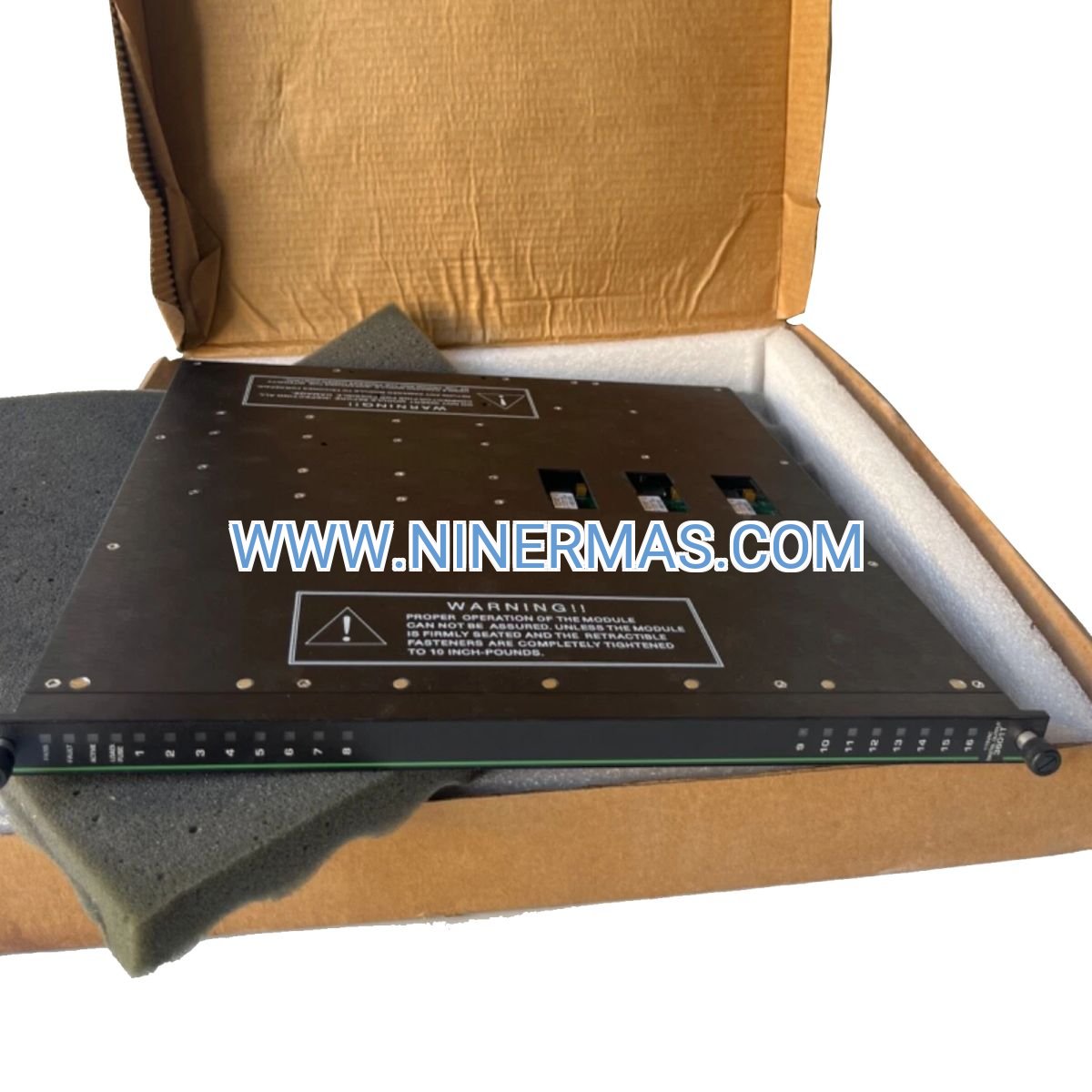
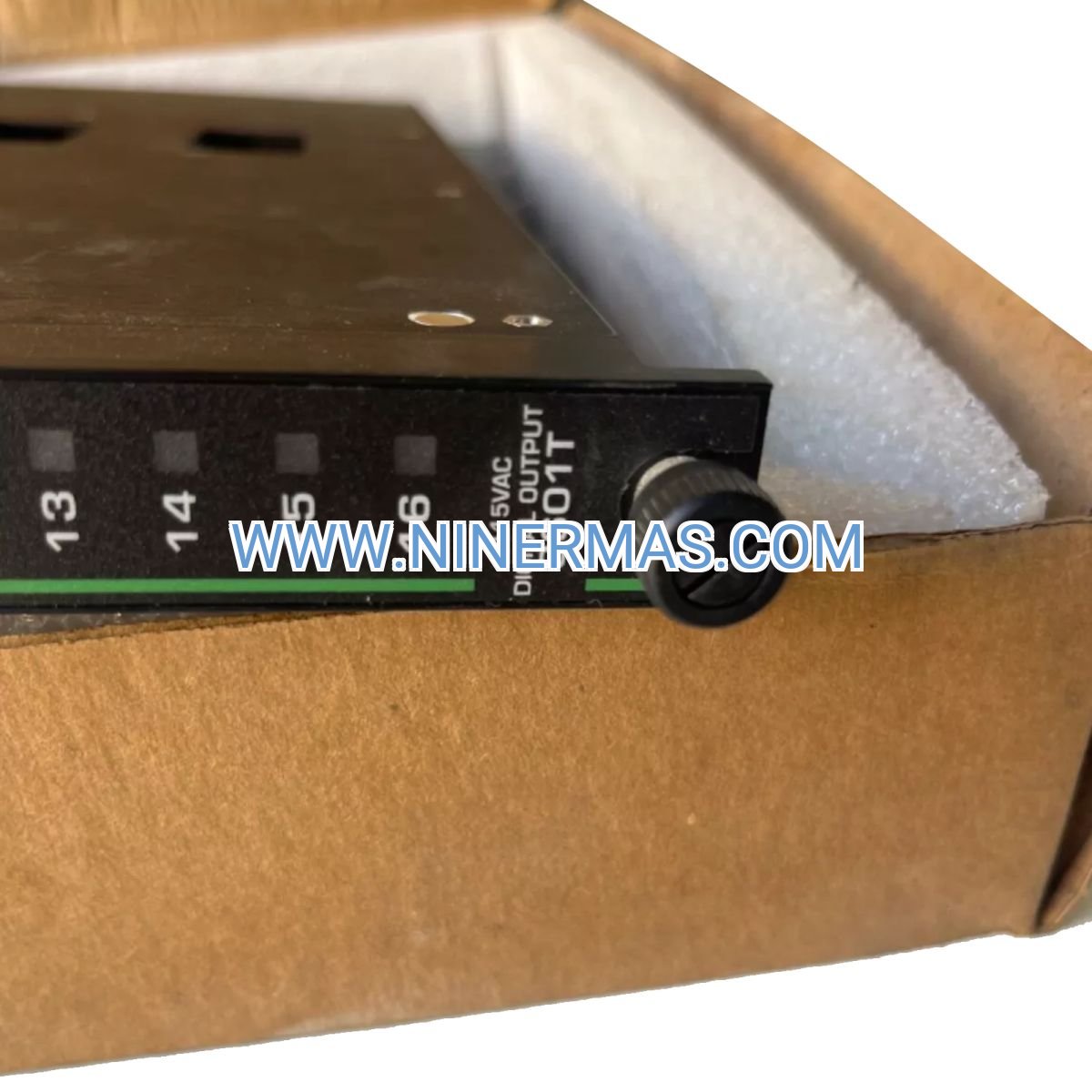
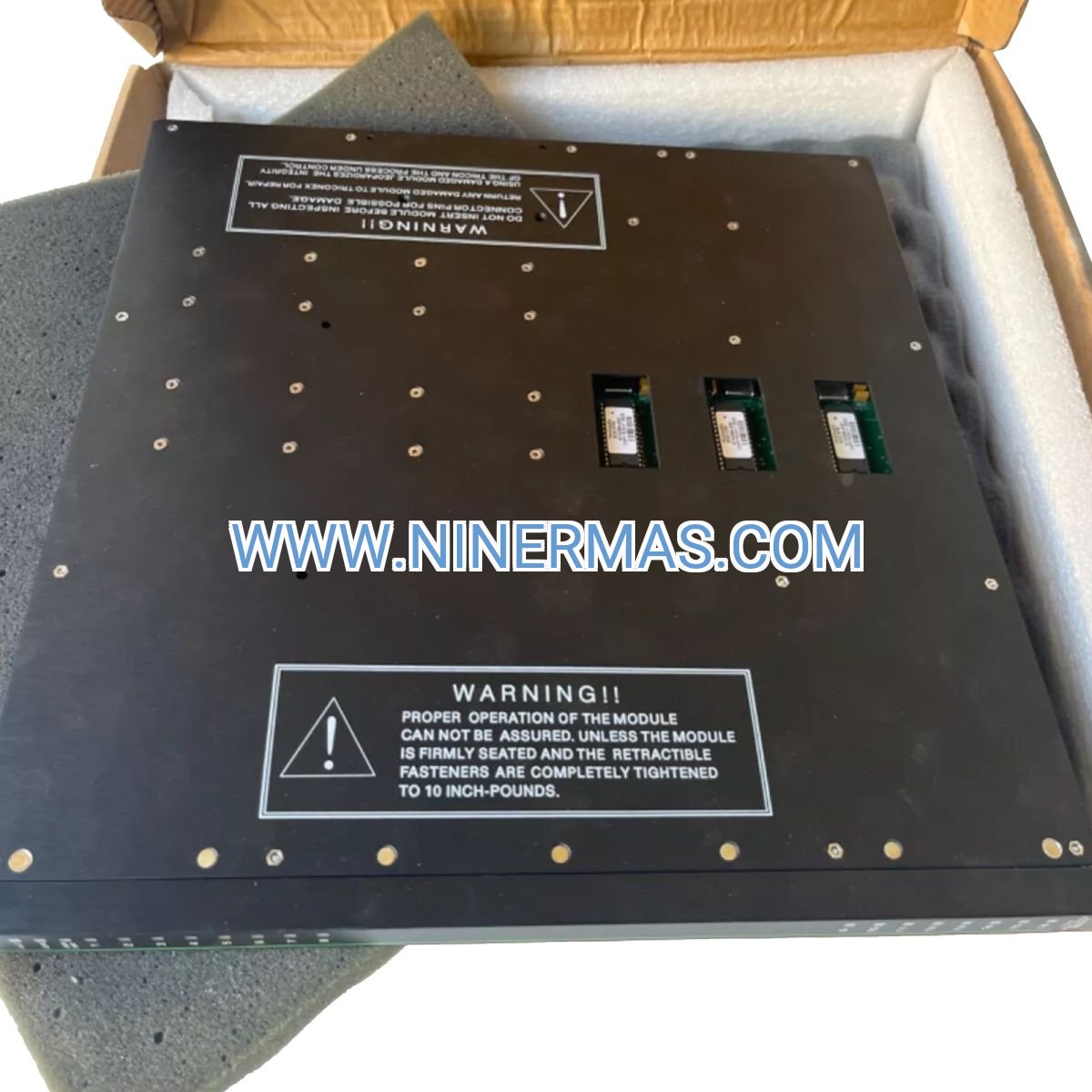
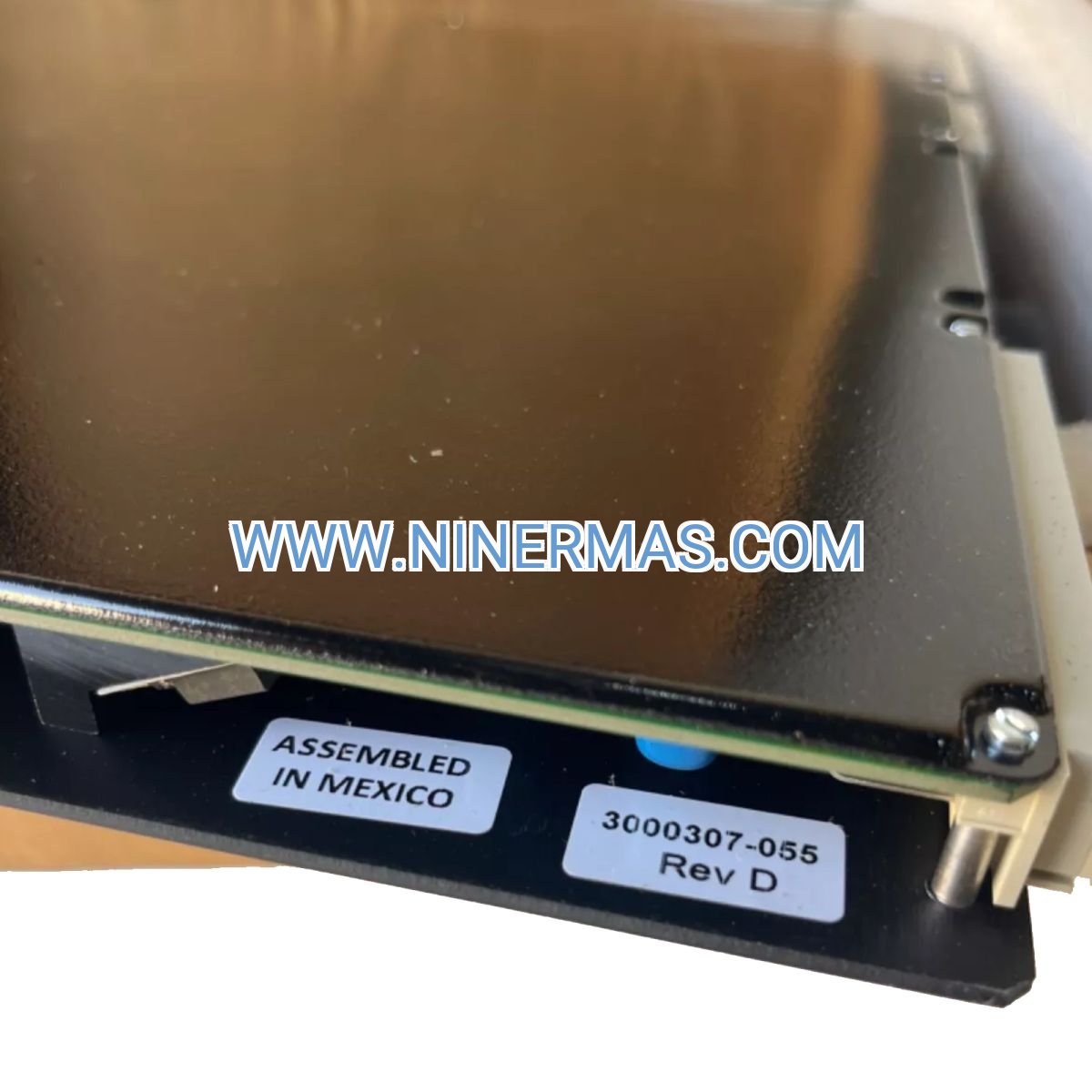
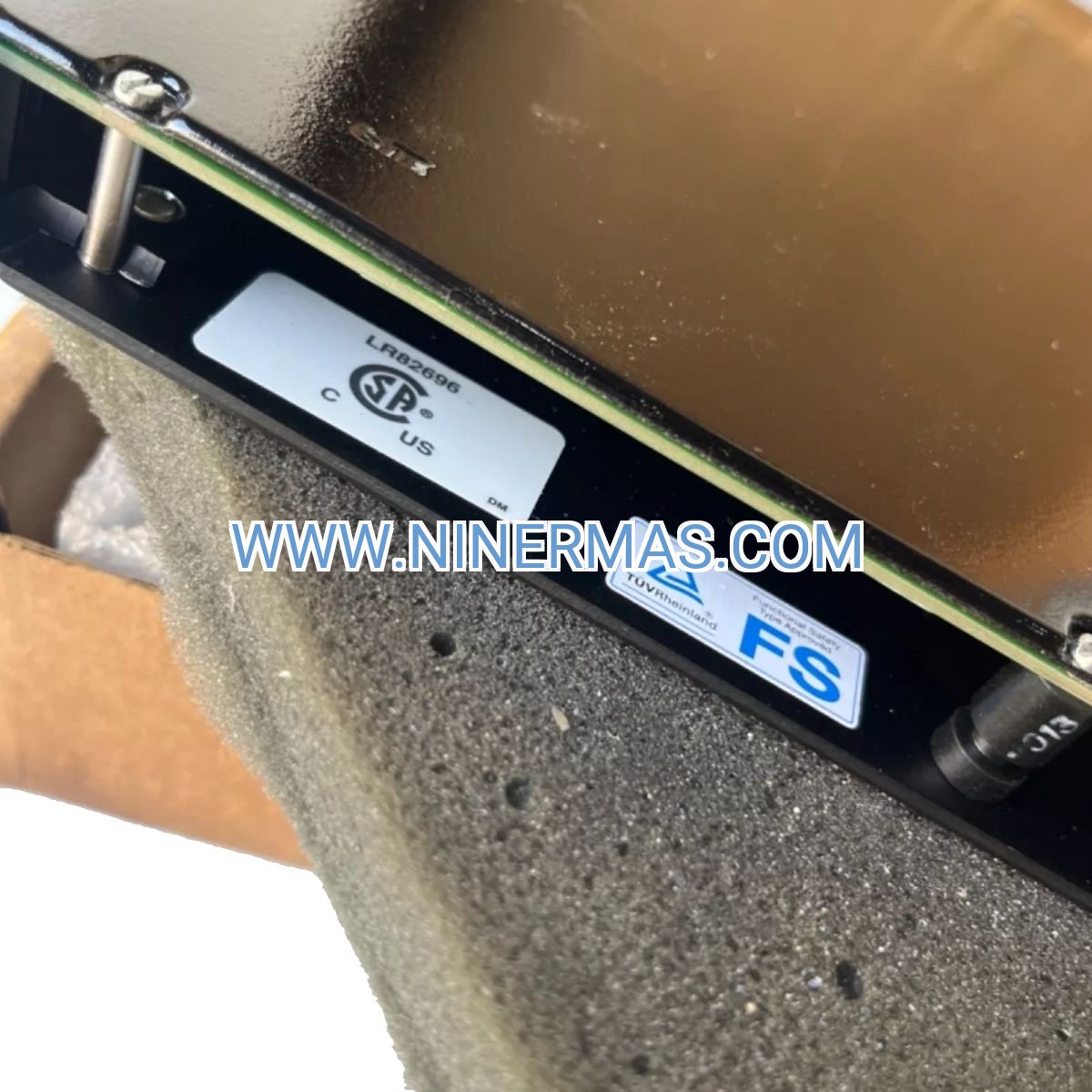
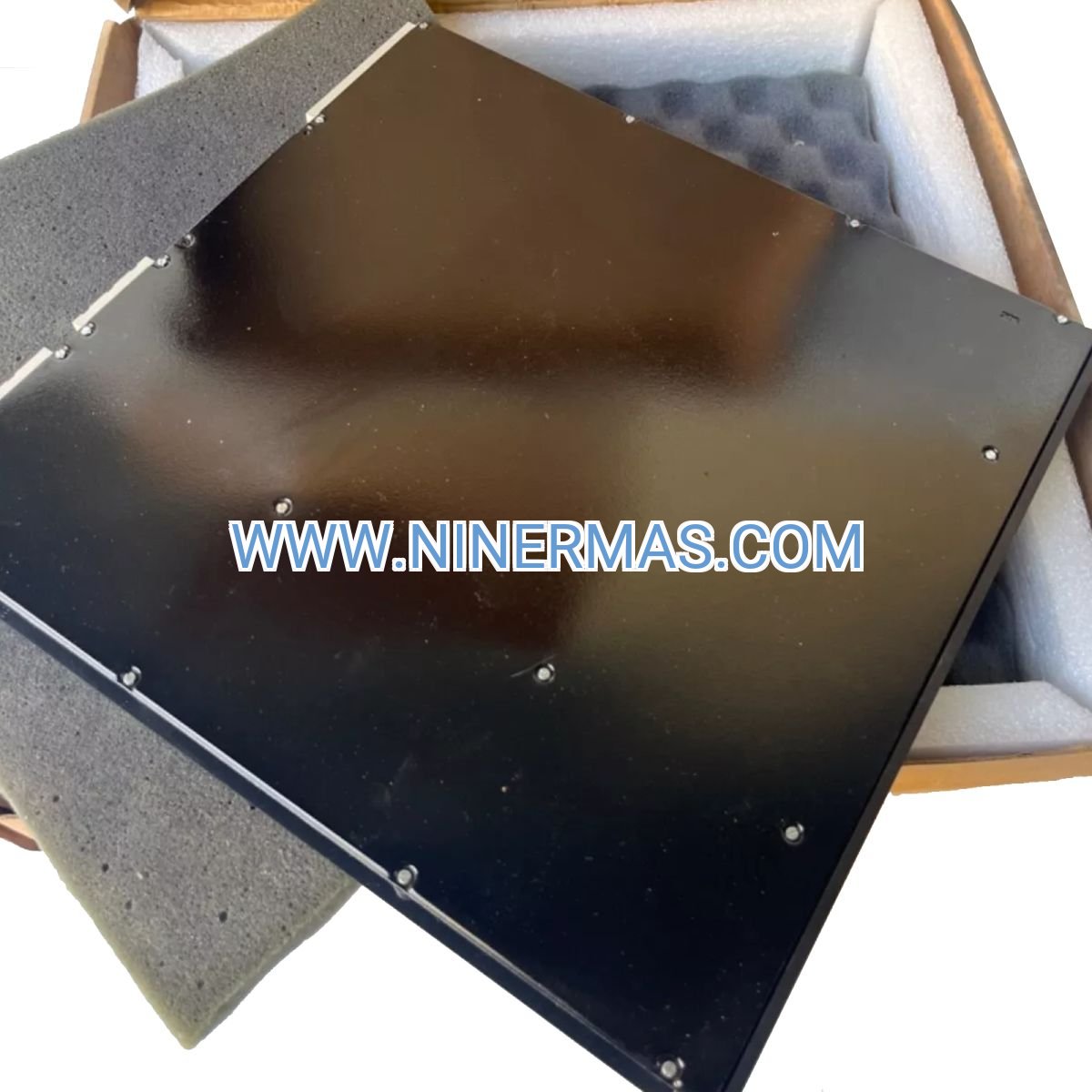
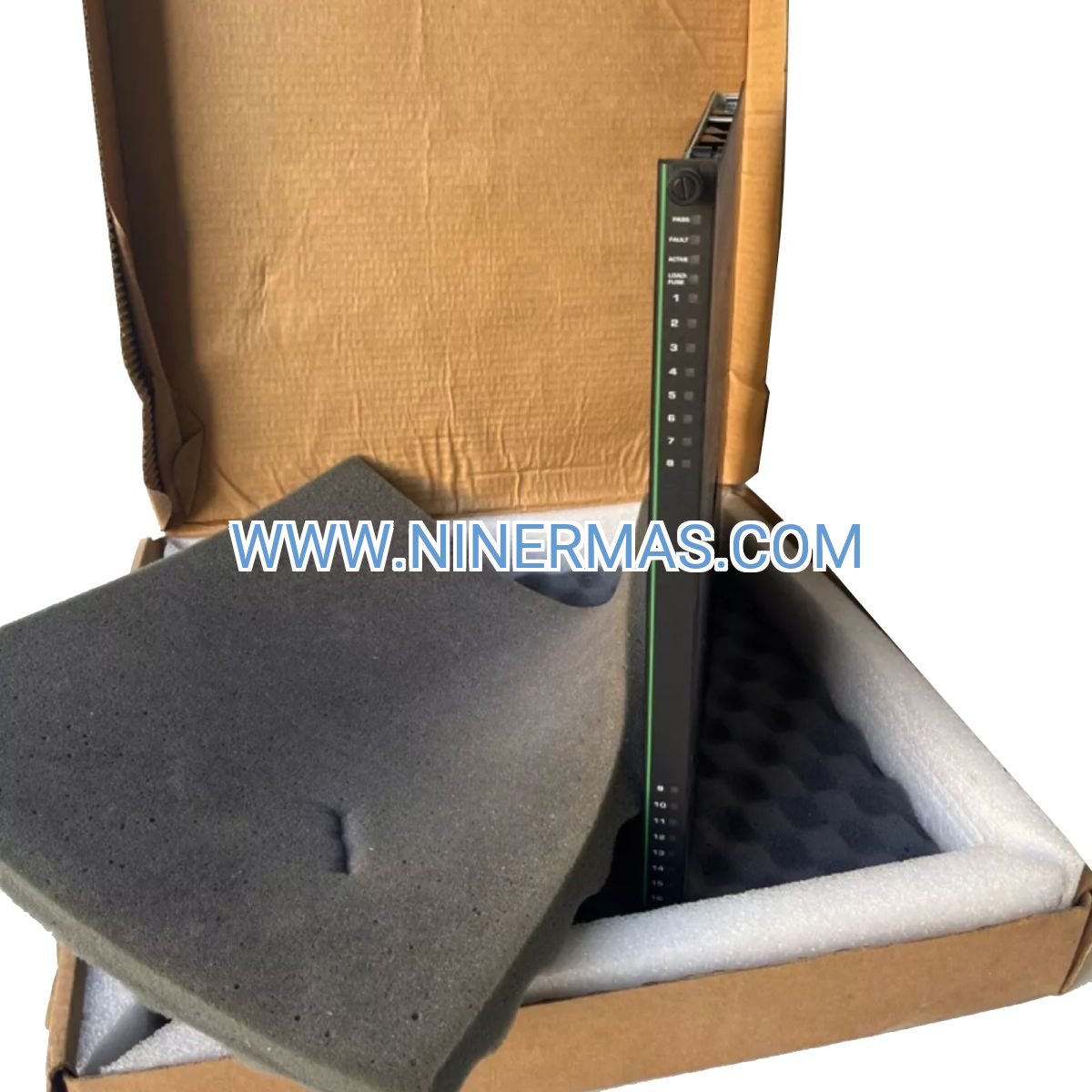
Triconex 3601T Digital Output Module (Industrial-Grade TMR Safety Controller)
The Triconex 3601T represents a mission-critical component in Triple Modular Redundant safety architectures, delivering 16 independently isolated 115 VAC output channels designed for fail-operational control systems. Built for environments where process continuity and personnel safety cannot be compromised, this module combines fault-tolerant hardware with comprehensive diagnostic intelligence to maintain operational integrity across the most demanding industrial applications.
Engineered for process industries requiring SIL 3 certification, the 3601T addresses the fundamental challenge of maintaining safe shutdown capability while eliminating single points of failure. Target users include safety engineers, control system integrators, and plant operators managing critical infrastructure in oil & gas, chemical processing, power generation, and pharmaceutical manufacturing facilities.
Key differentiators include field-proven TMR voting logic that enables continuous operation during component failures, hot-swap capability for zero-downtime maintenance, and extensive self-diagnostics that detect faults before they impact process safety—delivering measurable improvements in system availability and regulatory compliance.
Core Capabilities & Business Value
→ Triple Modular Redundancy Architecture: Three parallel processing channels with 2oo3 voting eliminate single-point failures, achieving 99.99% availability in safety-critical loops while reducing unplanned shutdown costs by up to 40%
→ 16 Non-Commoned 115 VAC Outputs: Independently isolated channels prevent fault propagation across circuits, enabling granular control of solenoid valves, motor starters, and alarm annunciators with channel-level diagnostics
→ SIL 3 Safety Integrity Certification: Meets IEC 61508 requirements for safety instrumented functions with proven-in-use reliability data, streamlining regulatory approval processes and reducing compliance documentation burden
✓ Hot-Swap Field Replacement: Module extraction and insertion under full system power maintains process continuity during maintenance, translating to zero production losses during routine service intervals
✓ Comprehensive Fault Detection: Real-time monitoring of output current, open/short circuit conditions, and internal diagnostics with automatic fault isolation reduces mean time to repair (MTTR) by 60%
✓ Extended Temperature Operation: -40°C to +70°C rating supports deployment in extreme climates from Arctic installations to desert refineries without environmental enclosures
Industrial Application Scenarios
Emergency Shutdown Systems (Oil & Gas): Controls final control elements in offshore platform ESD sequences, managing blowdown valves, flare ignition, and wellhead isolation with redundant actuation paths. Addresses the critical need for fail-safe valve positioning during process upsets while maintaining diagnostic visibility of valve position feedback.
Chemical Reactor Interlock Systems: Manages safety interlocks for exothermic reaction control, including emergency cooling activation, pressure relief valve operation, and feed isolation. Solves the challenge of coordinating multiple safety actions within millisecond response times while providing audit trails for incident investigation.
Power Generation Turbine Protection: Executes turbine trip sequences, lube oil pump activation, and fire suppression system control with deterministic response times. Delivers value through prevention of catastrophic equipment damage during overspeed or vibration events, protecting assets valued in millions of dollars.
Pharmaceutical Clean Room Control: Operates HVAC dampers, differential pressure alarms, and contamination isolation barriers in GMP-regulated environments. Addresses compliance requirements for validated systems with full change-of-state logging and electronic signature integration.
Offshore Platform Fire & Gas Systems: Drives deluge valve solenoids, ventilation shutdown dampers, and emergency lighting circuits in hazardous area classifications. Provides certified operation in Zone 1/Division 1 locations when paired with appropriate barriers and enclosures.
Technical Parameters & Selection Guide
| Parameter | Specification | Selection Criteria |
|---|---|---|
| Output Channels | 16 independent, non-commoned | Size based on final element count; allow 20% spare capacity |
| Voltage Rating | 115 VAC nominal (85-132 VAC range) | Match to solenoid/actuator coil voltage; verify inrush current compatibility |
| Current per Channel | 2.0 A continuous, 8 A inrush (10ms) | Calculate total load including valve coil resistance and cable impedance |
| Safety Integrity Level | SIL 3 per IEC 61508 | Must meet or exceed SIF requirement from LOPA study |
| Diagnostic Coverage | >99% per IEC 61508-2 | High coverage reduces proof test frequency and lifecycle costs |
| Operating Temperature | -40°C to +70°C | Verify against cabinet ambient; consider heat dissipation in enclosed panels |
| MTBF | >200 years (MIL-HDBK-217F) | Impacts spare parts inventory strategy and maintenance intervals |
| Response Time | <50ms (energize to de-energize) | Verify compatibility with SIF response time requirements |
Selection Guidance: Choose the 3601T when your application demands SIL 3 certification with 115 VAC output requirements. For 24 VDC applications, consider the 3603T variant. For applications requiring 32 outputs, deploy dual modules with separate I/O addressing. Ensure compatibility with Tricon firmware version 10.5 or later for full diagnostic functionality. Consult factory application notes for hazardous area installations requiring intrinsic safety barriers.
Extended Integration Capabilities
The 3601T seamlessly interfaces with TriStation 1131 engineering software for configuration, diagnostics, and online monitoring. Supports Modbus TCP/IP and OPC UA protocols for integration with plant-wide SCADA and historian systems, enabling predictive maintenance analytics through output current trending. Compatible with Triconex Communication Module (TCM) for redundant Ethernet connectivity and remote access via secure VPN tunnels.
Advanced features include configurable output pulse testing for valve partial stroke testing (PST) programs, reducing proof test intervals from 12 months to 24 months with documented stroke data. Supports integration with asset management platforms including AMS Device Manager and Honeywell Experion PKS for unified lifecycle management.
Delivery Timeline & Service Commitment
Standard Delivery: 3-5 business days for in-stock units via express courier with tracking. All modules ship factory-sealed with calibration certificates and test reports.
Custom Configuration: 7-10 business days for pre-programmed modules with customer-specific I/O mapping and diagnostic settings loaded prior to shipment.
Warranty Coverage: 12-month comprehensive warranty covering manufacturing defects, component failures, and workmanship issues. Warranty includes advance replacement service with cross-shipment to minimize downtime.
Technical Support: Unlimited access to application engineers for configuration assistance, troubleshooting support, and system integration guidance. Support includes firmware compatibility verification, I/O loading calculations, and safety certification documentation.
Documentation Package: Complete technical manual set including installation instructions, wiring diagrams, TriStation configuration examples, and safety manual addendum for SIL verification calculations.
Frequently Asked Questions
What is the maximum cable distance for 115 VAC output wiring?
The 3601T supports cable runs up to 300 meters (1000 feet) using 14 AWG shielded cable with proper grounding. Longer distances require voltage drop calculations to ensure minimum 85 VAC at the load under full current conditions.
Can this module operate in hazardous area classifications?
Yes, when installed in a purged/pressurized enclosure rated for Zone 1/Division 1 or when outputs are isolated through certified intrinsic safety barriers for Zone 0/Division 1 field devices. Consult factory application note AN-3601T-HA for specific barrier selection.
How does the TMR voting mechanism handle output channel failures?
Each output channel is triplicated with independent drivers. The voting logic compares all three channels; if one fails, the system continues operation using the remaining two channels while generating a diagnostic alarm. The failed channel can be identified and the module replaced during the next maintenance window without process interruption.
What diagnostic information is available for predictive maintenance?
The module provides real-time output current measurement (±10mA resolution), channel on/off state confirmation, open circuit detection, short circuit detection, and internal power supply voltage monitoring. Trend analysis of output current over time can predict solenoid coil degradation before failure occurs.
Is firmware update required when replacing a failed module?
No, the 3601T automatically synchronizes firmware from the Tricon controller during hot-swap insertion. Configuration data is downloaded from the controller within 5 seconds of module recognition, ensuring seamless replacement without engineering intervention.
What is the power consumption and heat dissipation?
The module consumes 15W from the Tricon backplane plus the sum of all connected output loads. Heat dissipation is approximately 20W under full load conditions. Ensure cabinet ventilation provides minimum 50 CFM airflow for ambient temperatures above 50°C.
Take the Next Step
Ready to enhance your safety instrumented system reliability? Contact our application engineering team for a complimentary system compatibility review and configuration consultation. We'll verify your Tricon firmware version, assess I/O loading requirements, and provide a detailed quotation with delivery timeline.
Request a quote: sale@ninermas.com | Technical inquiries: +0086 187 5021 5667
© 2026 NINERMAS COMPANY LIMITED. All rights reserved.
Original Source: https://ninermas.com
Contact: sale@ninermas.com | +0086 187 5021 5667
PDF Specification
Download PDF file here:
Click to Download PDFRelated products

Contact Info
-
Address:22 / F, South Wo Hang building, 148 Wing Lok Street, Sheung Wan, Western District, Hong Kong
-
Phone:+8618750215667
-
Email: