Description
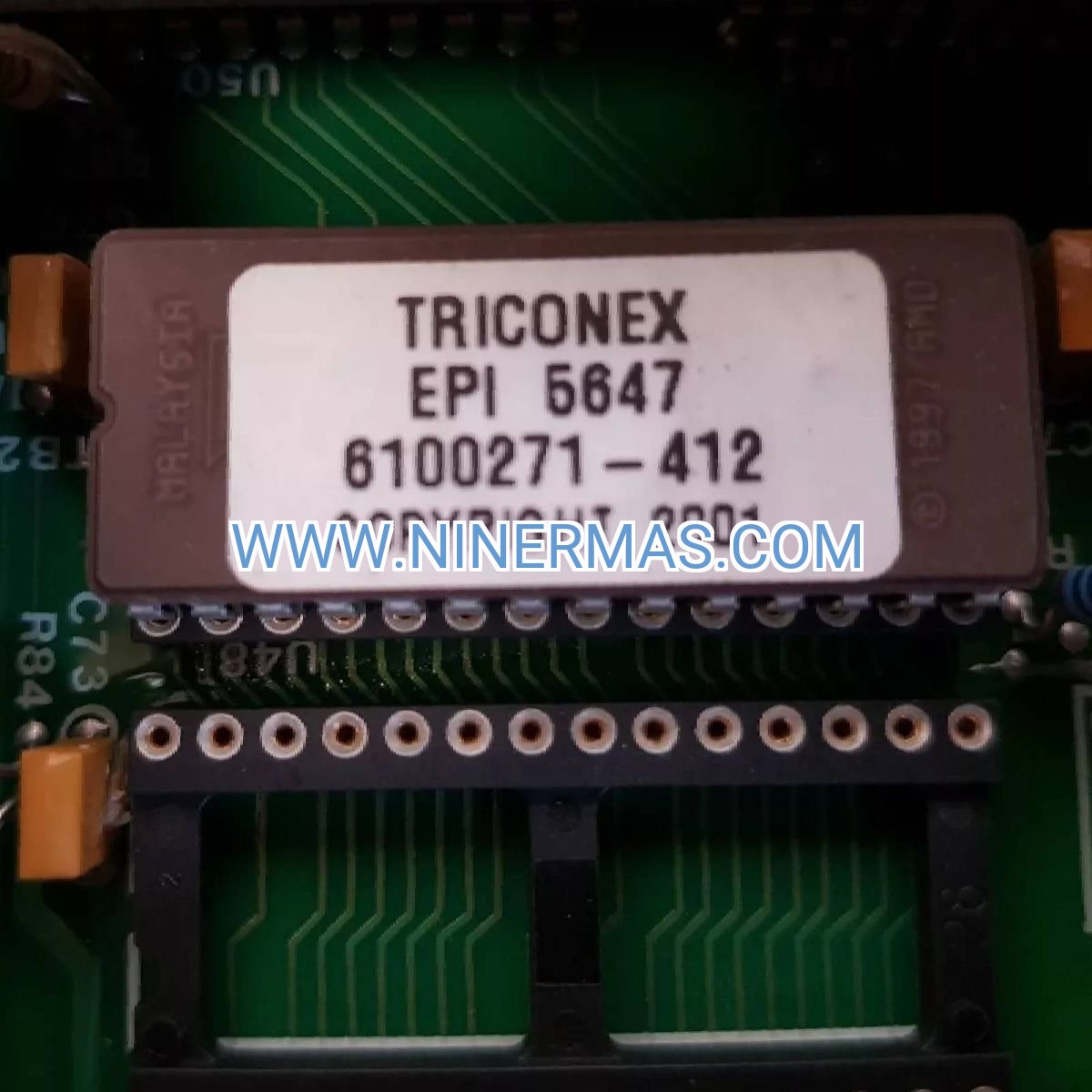
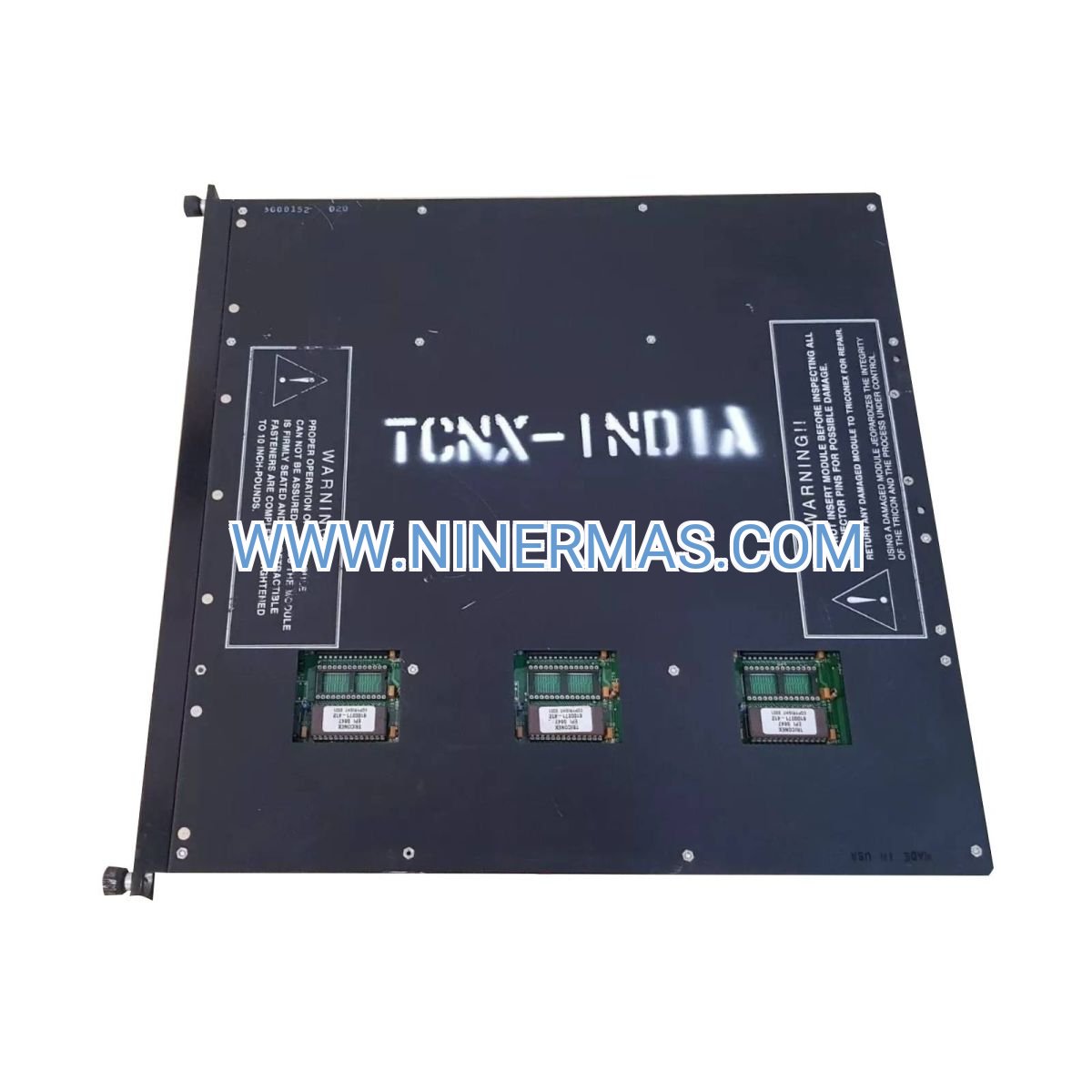
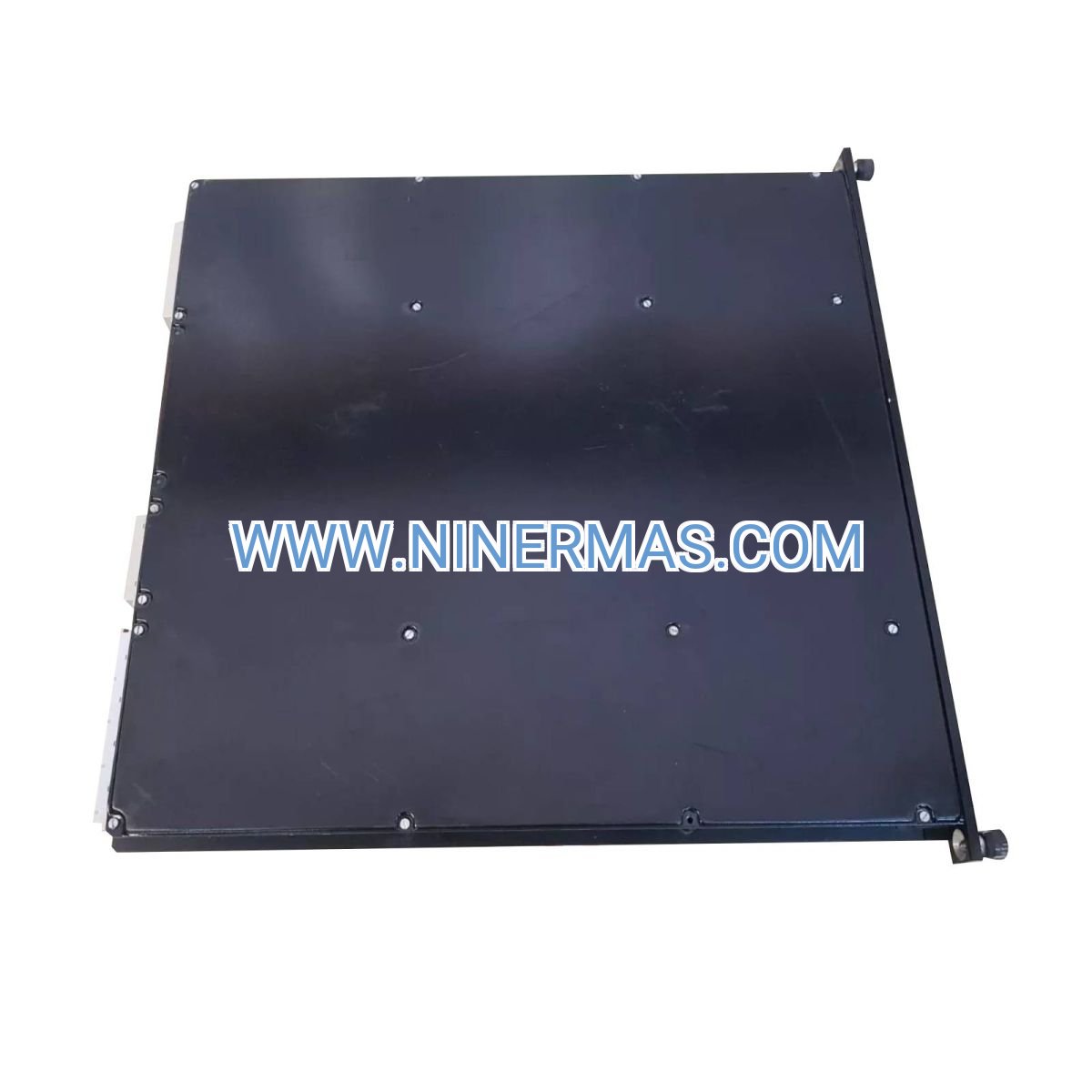
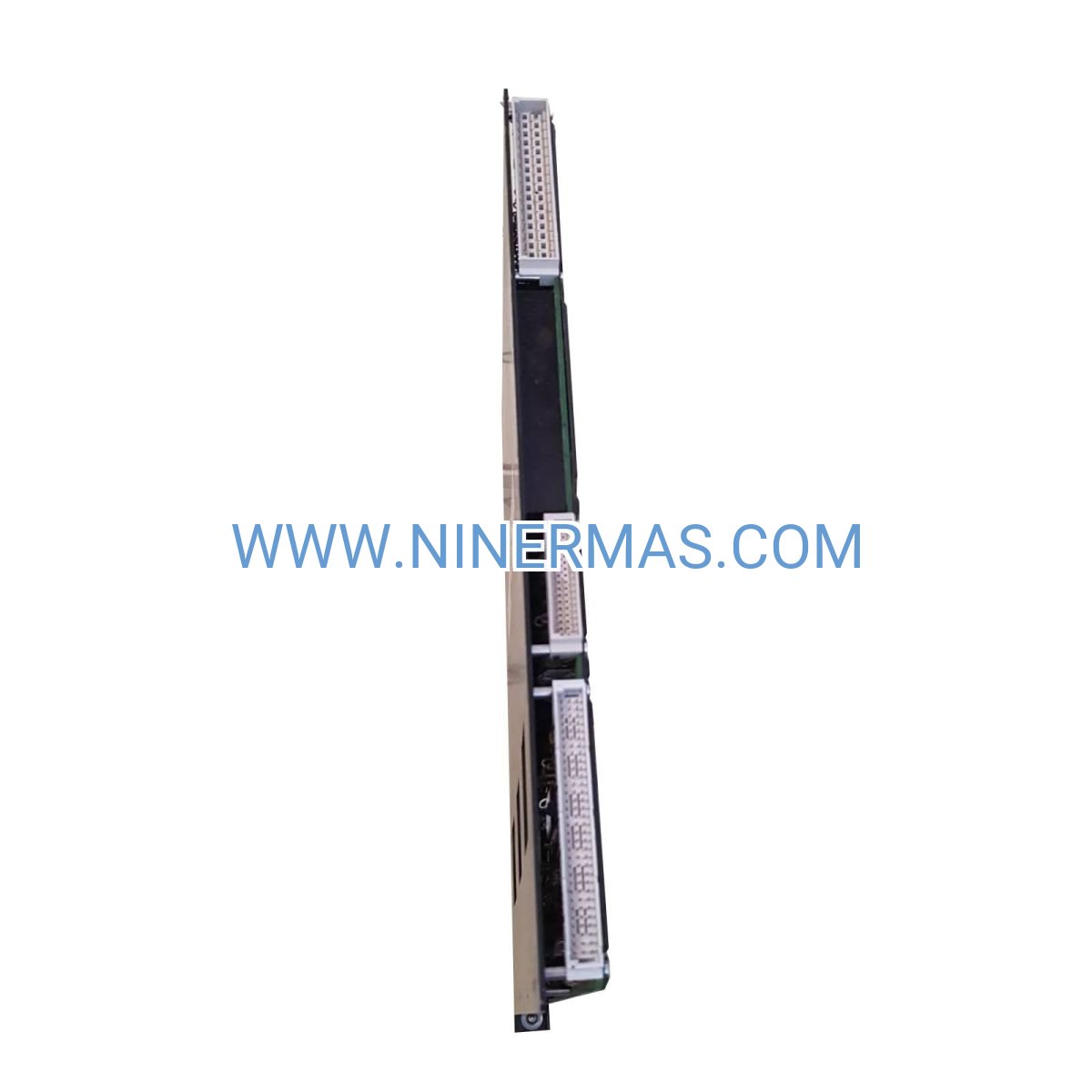
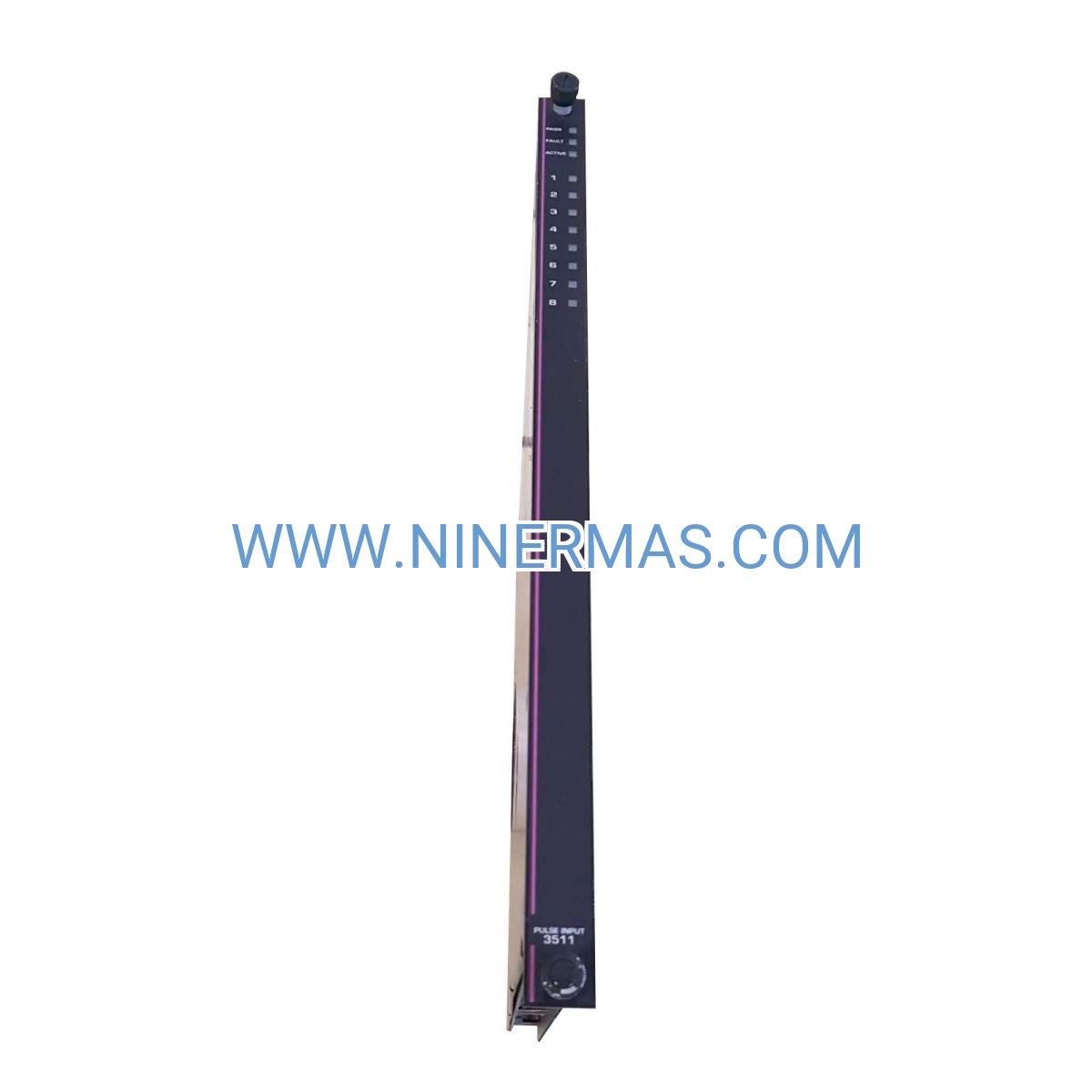
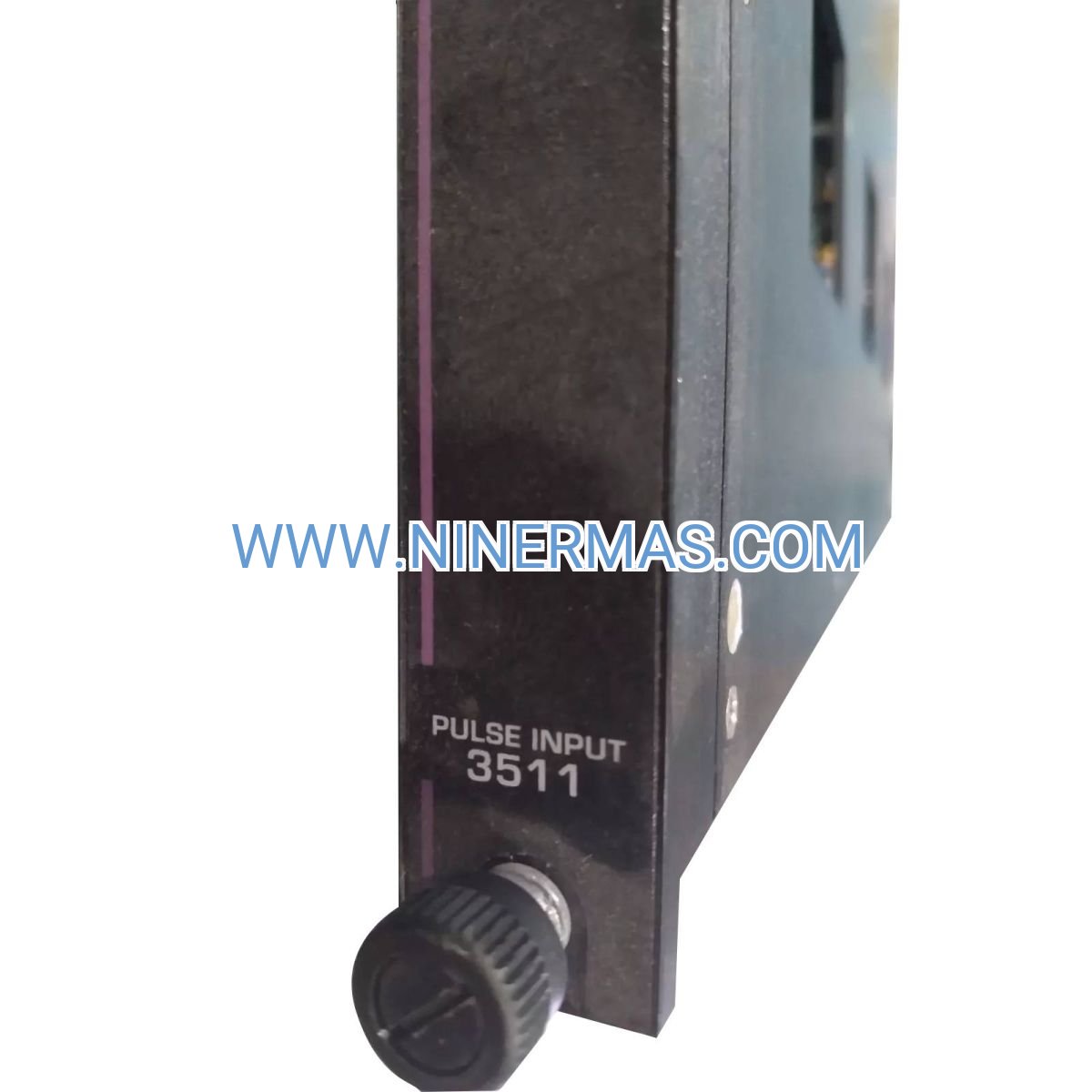
Triconex 3511 TMR Frequency Input Module (Industrial-Grade Safety I/O)
The Triconex 3511 represents a mission-critical frequency measurement solution engineered for safety instrumented systems (SIS) in high-stakes industrial environments. Built on proven Triple Modular Redundant (TMR) architecture, this 8-channel input module delivers fault-tolerant performance for turbine overspeed protection, flow metering, and rotating equipment monitoring where process safety cannot be compromised.
Designed for integration with Tricon and Trident safety controllers, the 3511 serves process industries requiring SIL 3 certification—oil & gas facilities, chemical plants, power generation stations, and pharmaceutical manufacturing. Its continuous self-diagnostics and automatic fault voting ensure uninterrupted operation even when individual channel components fail, eliminating costly unplanned shutdowns.
With precision measurement from 0.1 Hz to 20 kHz and ±0.01% accuracy, the module interfaces seamlessly with magnetic pickups, proximity sensors, turbine flow meters, and encoder outputs. Hot-swap capability enables maintenance without process interruption, while comprehensive diagnostics provide early warning of signal degradation before failures occur.
Core Features & Business Value
→ Triple Modular Redundancy (TMR): Three parallel processing channels with automatic voting eliminate single points of failure, achieving 99.99% availability for safety-critical applications while reducing insurance premiums and regulatory compliance costs.
→ SIL 3 Certification (IEC 61508): Meets the highest safety integrity level for process industry applications, enabling compliance with API, OSHA, and international safety standards without costly third-party validation.
→ Wide Frequency Range (0.1 Hz – 20 kHz): Accommodates slow-speed conveyors to high-speed turbines within a single module platform, reducing spare parts inventory by 40% compared to multi-module solutions.
✓ Channel-to-Channel Isolation: Electrical isolation prevents cross-talk and ground loop interference, maintaining signal integrity in electrically noisy environments typical of motor control centers and VFD installations.
✓ Online Diagnostics & Hot-Swap: Replace modules during operation without safety system shutdown, cutting maintenance windows from hours to minutes and preserving production continuity worth thousands per hour.
✓ ±0.01% Measurement Accuracy: High-precision frequency counting supports custody transfer metering, energy management optimization, and predictive maintenance algorithms that detect bearing wear before catastrophic failure.
Typical Application Scenarios
Turbine Overspeed Protection (Power Generation & Oil/Gas):
Monitor steam turbine, gas turbine, and hydro turbine rotational speeds to trigger emergency shutdown before mechanical overspeed causes blade failure. The 3511's sub-10ms response time and redundant voting prevent false trips while ensuring genuine overspeed events activate within safety response time requirements.
Custody Transfer Flow Metering (Pipeline & Refining):
Interface with turbine flow meters measuring crude oil, natural gas, and refined products where measurement accuracy directly impacts revenue. TMR architecture ensures fiscal metering data integrity for regulatory reporting and commercial transactions worth millions annually.
Compressor Anti-Surge Control (Petrochemical Processing):
Track centrifugal compressor speed as a critical parameter in anti-surge algorithms. Redundant frequency measurement prevents surge-induced mechanical damage costing $500K+ in repairs and weeks of downtime, while maintaining process efficiency within 2% of optimal operating points.
Critical Pump Monitoring (Water Treatment & Chemical Dosing):
Detect pump speed deviations indicating cavitation, seal failure, or dry-run conditions. Early fault detection extends pump service life by 30% and prevents environmental releases in chemical transfer applications subject to EPA oversight.
Conveyor Speed Monitoring (Mining & Material Handling):
Measure belt speed to detect slippage, overload, and drive system faults in coal handling, ore processing, and bulk material transport. Integrated safety logic prevents pile-ups and equipment damage in 24/7 continuous operations.
Technical Parameters & Selection Guide
| Parameter | Specification |
|---|---|
| Input Channels | 8 independent TMR frequency inputs |
| Frequency Range | 0.1 Hz to 20,000 Hz |
| Measurement Accuracy | ±0.01% of reading |
| Input Signal Types | Magnetic pickup, proximity sensor, pulse output |
| Isolation Voltage | 1500 VDC channel-to-ground |
| Operating Temperature | 0°C to 60°C (32°F to 140°F) |
| Safety Certification | SIL 3 per IEC 61508, TÜV approved |
| Power Consumption | 5W typical per module |
| MTBF | >100,000 hours |
| Mounting | Triconex I/O chassis (8-slot or 14-slot) |
Selection Criteria: Choose the 3511 when your application requires frequency measurement in safety-critical loops (SIL 2/3), operates in harsh electrical environments with EMI/RFI interference, or demands continuous availability without scheduled maintenance windows. For non-safety applications or lower channel counts, consider standard PLC frequency input cards. For pulse counting/totalizing instead of frequency measurement, evaluate the Triconex 3515 Pulse Input Module.
Extended Functions
Predictive Maintenance Integration: Frequency trend data exports to SCADA/historian systems enable vibration analysis correlation and machine learning algorithms that predict bearing failures 2-4 weeks before occurrence.
Modbus TCP/IP Connectivity: When paired with Triconex 4354 communication modules, frequency data streams to enterprise MES/ERP systems for real-time production monitoring and OEE calculation.
Custom Scaling & Linearization: TriStation configuration software provides polynomial curve fitting for non-linear sensor outputs, eliminating external signal conditioning hardware and reducing installation costs by $200-500 per channel.
Delivery & Service Assurance
Lead Time: Stock items ship within 2-3 business days via DHL/FedEx Express. Custom-configured modules with factory programming require 4-6 weeks for Schneider Electric validation and testing.
Warranty Coverage: 12-month comprehensive warranty covers manufacturing defects, component failures, and performance deviations from published specifications. Extended 36-month service contracts available for critical applications.
Technical Support: Pre-sales application engineering assistance, post-installation commissioning support, and 24/7 emergency troubleshooting hotline staffed by certified Triconex specialists. Remote diagnostics via secure VPN connection.
Documentation Package: Each module includes installation manual, wiring diagrams, TriStation configuration examples, safety manual per IEC 61511, and calibration certificate traceable to NIST standards.
Frequently Asked Questions
What sensor types are compatible with the Triconex 3511 frequency input module?
The 3511 accepts pulse/frequency signals from magnetic pickups (8-30 VDC), proximity sensors (NPN/PNP), turbine flow meter pulse outputs, optical encoders, and any frequency-generating transducer within 0.1 Hz to 20 kHz. Minimum pulse width is 25 microseconds. Consult wiring diagrams for specific sensor interface requirements.
How does TMR architecture improve system availability compared to simplex input modules?
Triple Modular Redundancy processes each input through three independent channels, continuously comparing results via majority voting. If one channel fails due to component degradation or electrical transient, the system continues operating on the two remaining channels without process interruption. This achieves 99.99% availability versus 98-99% for simplex designs, reducing unplanned downtime by 10-20 hours annually in continuous process plants.
Can the 3511 module be installed or replaced without shutting down the safety system?
Yes, hot-swap capability allows online insertion and removal from energized I/O chassis without disrupting other modules or safety logic execution. The Tricon controller automatically recognizes module installation, performs self-test diagnostics, and integrates the module into the safety application within 5 seconds. This eliminates scheduled maintenance outages and supports condition-based replacement strategies.
What is the maximum cable length between field sensors and the 3511 input module?
Maximum recommended cable length is 300 meters (1000 feet) for shielded twisted-pair wiring with magnetic pickup sensors. For proximity sensors and powered transducers, cable length may extend to 500 meters depending on signal amplitude and electrical noise environment. Use 18-22 AWG shielded cable with 360° shield termination at the module end for optimal noise immunity.
Does the Triconex 3511 support remote monitoring and diagnostics?
Yes, when integrated with TriStation 1131 software and Triconex communication modules (4351/4354), the 3511 provides real-time channel health status, signal quality metrics, voting discrepancy alarms, and historical fault logs accessible via Ethernet/Modbus networks. SNMP traps and OPC UA data tags enable integration with plant-wide asset management systems for centralized monitoring.
What energy efficiency benefits does the 3511 offer for large-scale installations?
At 5W per module versus 12-15W for competitive TMR input modules, the 3511 reduces power consumption by 60% in systems with 50+ I/O modules. This translates to $200-400 annual energy savings per cabinet, lower cooling requirements, and extended UPS runtime during power failures—critical for maintaining safety system operation during emergency scenarios.
Ready to Enhance Your Safety System?
Contact our application engineering team for system architecture consultation, I/O point mapping, and project-specific pricing. We provide complete Triconex safety system integration including controller selection, I/O module configuration, network design, and FAT/SAT support to ensure your SIS meets IEC 61511 lifecycle requirements.
Request a quote today: Email sale@ninermas.com or call +0086 187 5021 5667 for immediate assistance.
© 2026 NINERMAS COMPANY LIMITED. All rights reserved.
Original Source: https://ninermas.com
Contact: sale@ninermas.com | +0086 187 5021 5667
PDF Specification
Download PDF file here:
Click to Download PDFRelated products

Contact Info
-
Address:22 / F, South Wo Hang building, 148 Wing Lok Street, Sheung Wan, Western District, Hong Kong
-
Phone:+8618750215667
-
Email: