Description
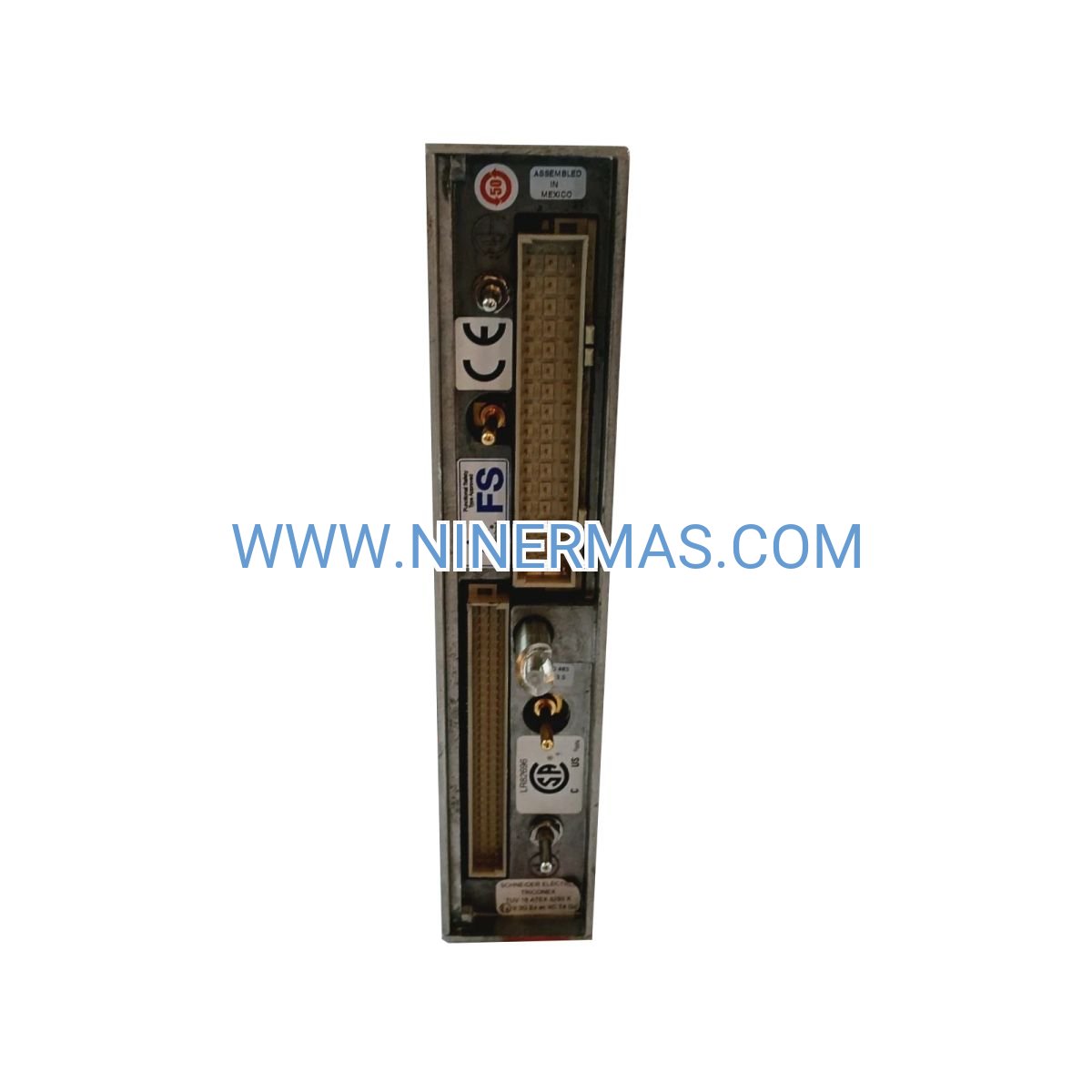
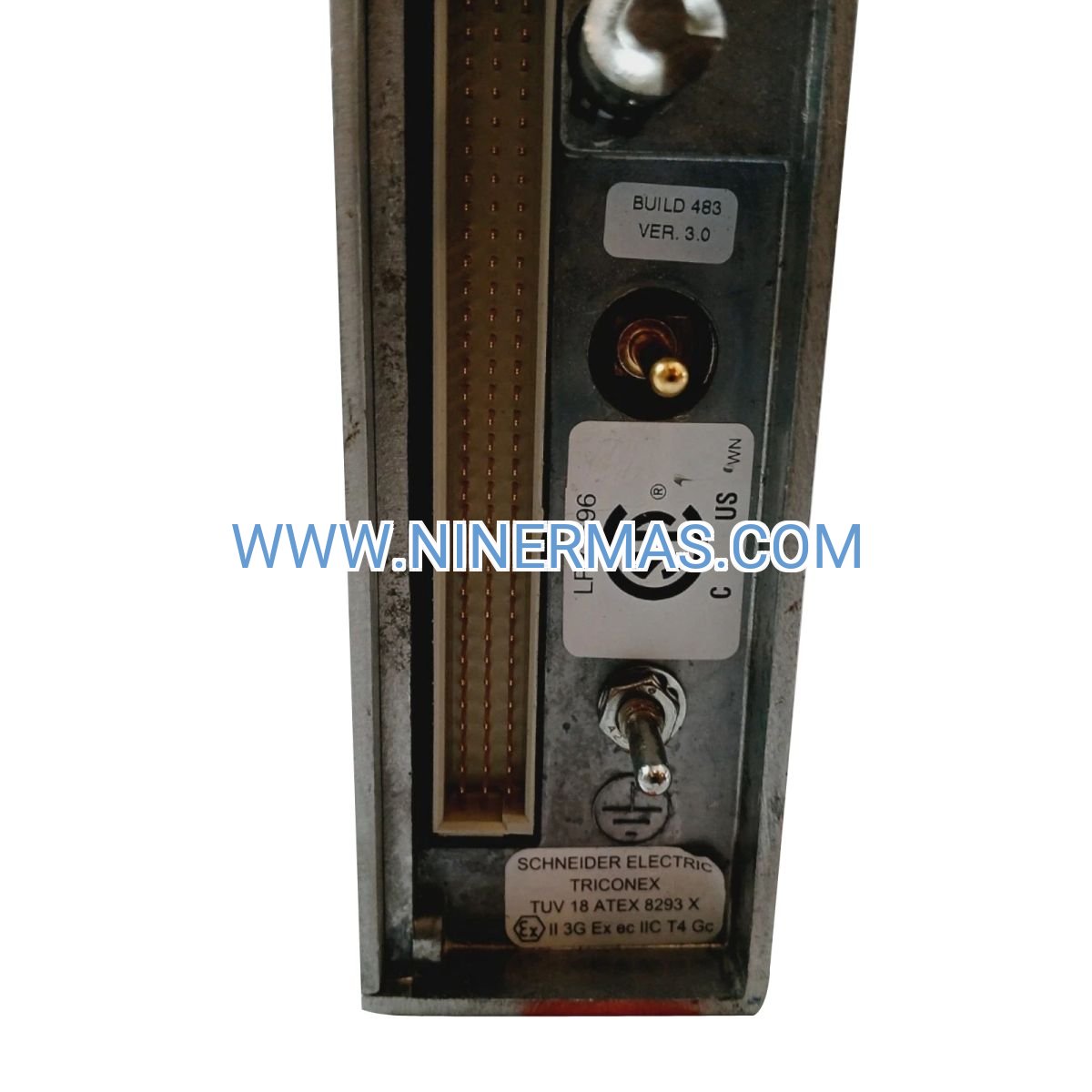
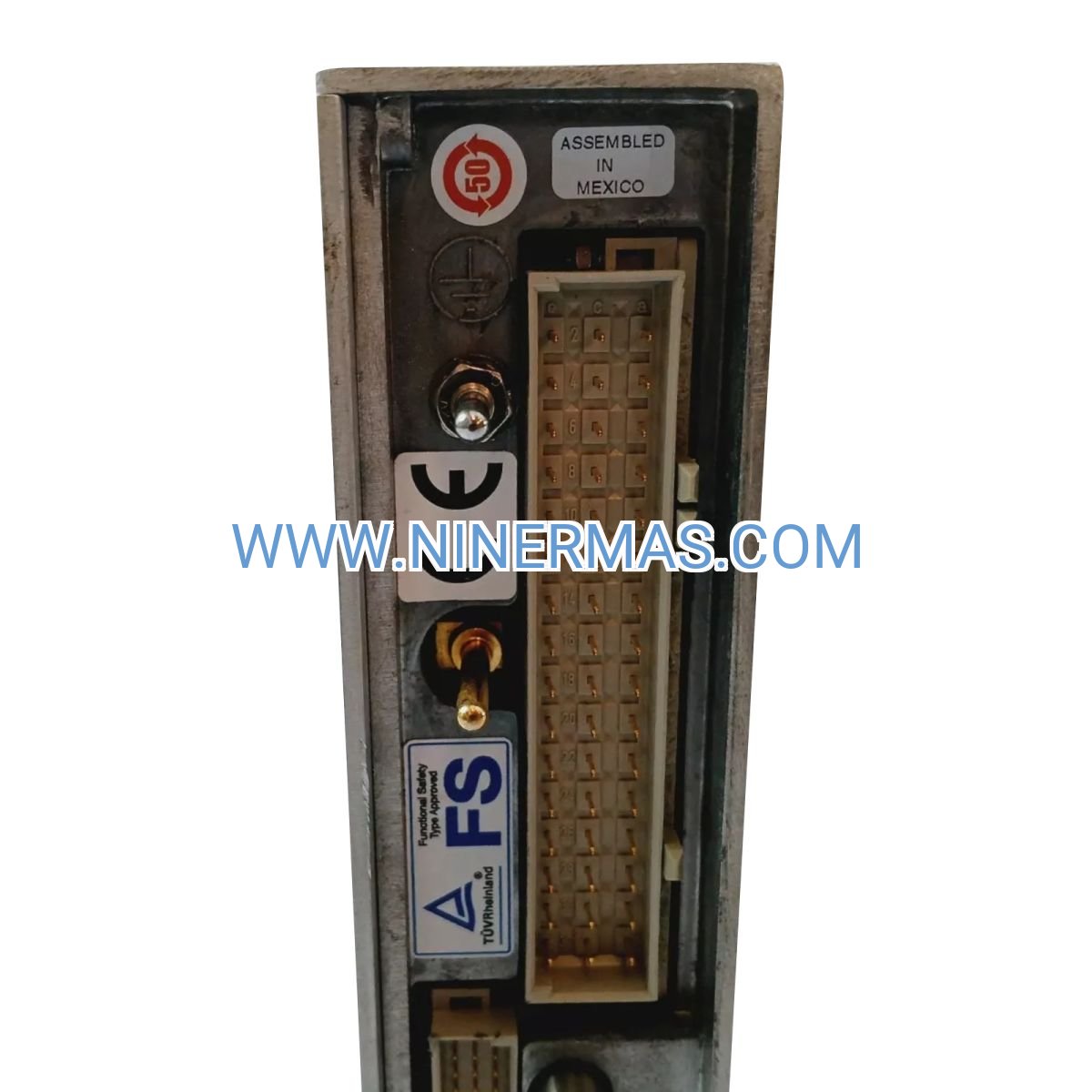
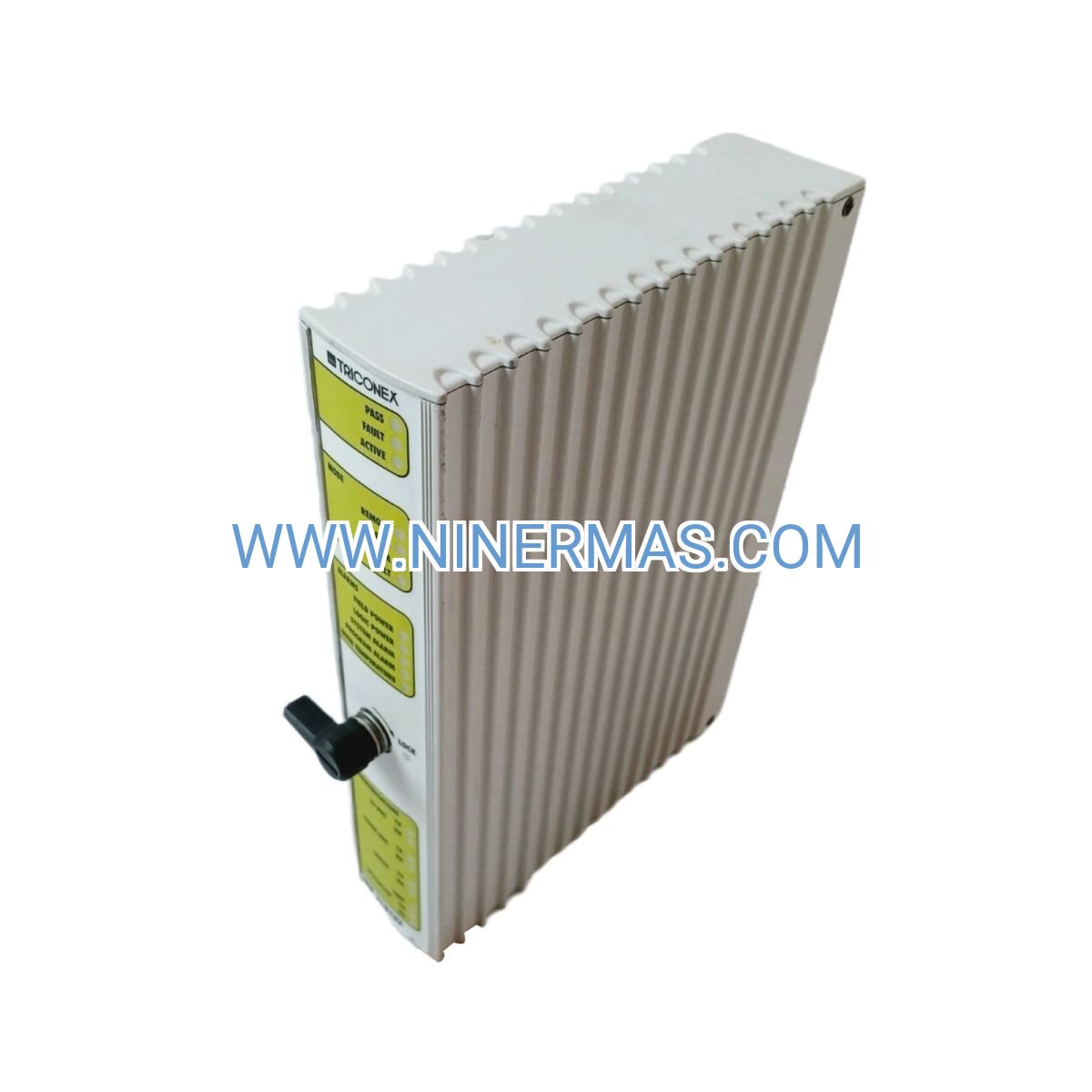
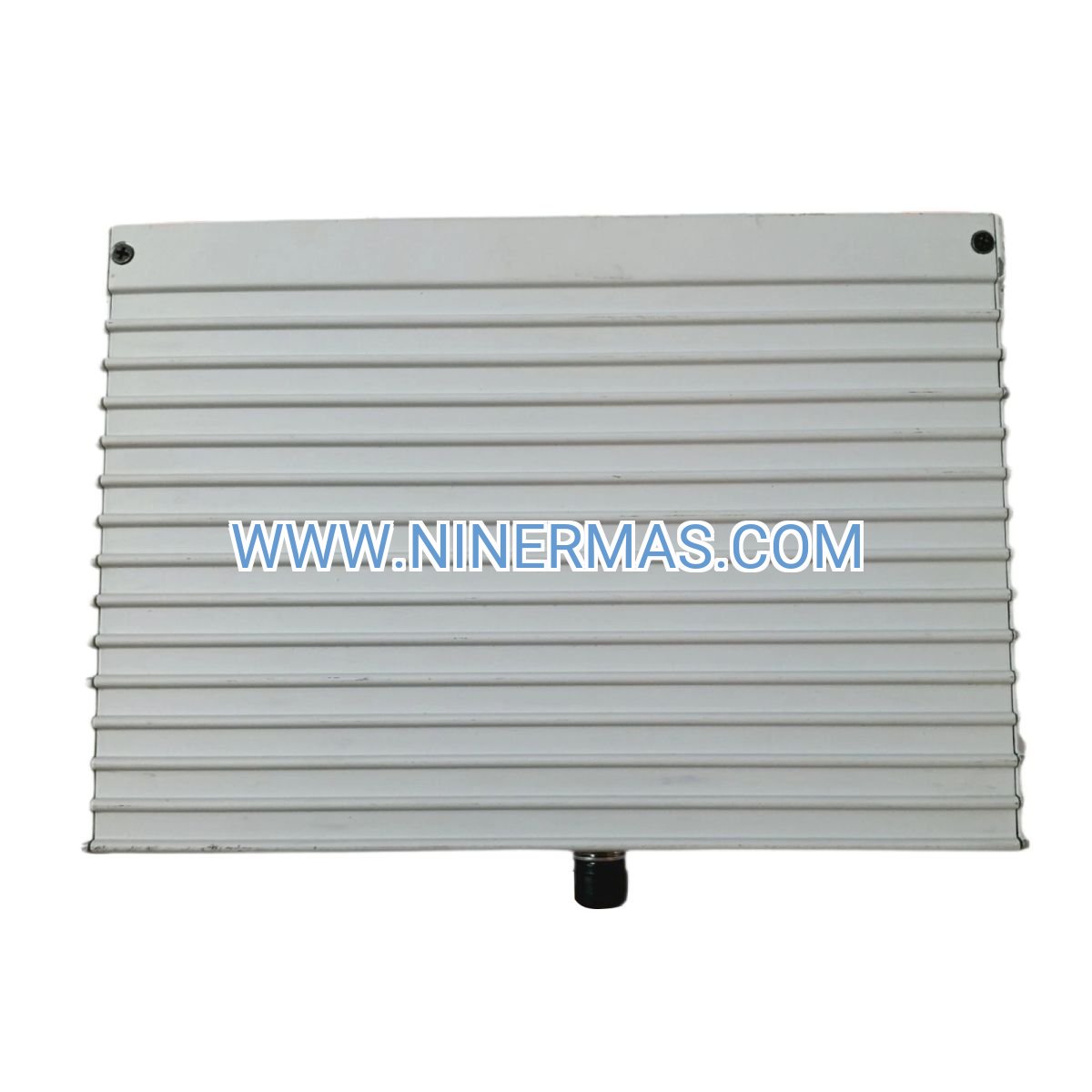
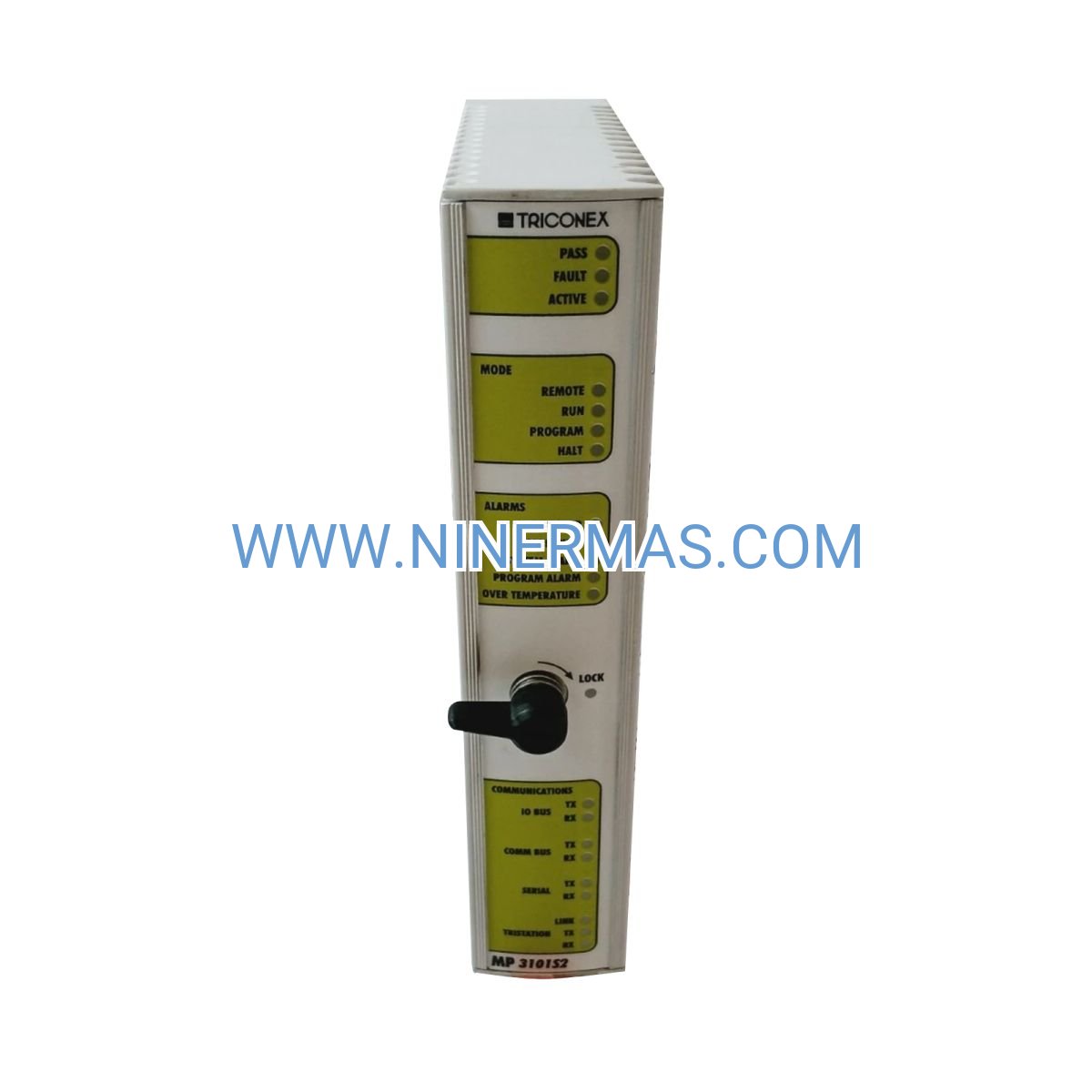
3101 S2 TMR Main Processor (Industrial-Grade Safety Controller)
The Triconex 3101 S2 represents a proven solution in triple modular redundant processing technology, specifically engineered for environments where safety system failure is unacceptable. This main processor module combines advanced fault-tolerant architecture with deterministic execution, delivering the reliability demanded by critical infrastructure across global industries. Built on 32-bit RISC processing with continuous self-diagnostics, the 3101 S2 ensures your safety instrumented systems maintain operational integrity even under component-level failures.
Industrial facilities operating high-consequence processes require controllers that eliminate single points of failure while maintaining regulatory compliance. The 3101 S2 addresses this challenge through its TMR voting logic, which compares outputs from three parallel processors in real-time, automatically masking faults without process interruption. This architecture serves plant operators, safety engineers, and automation specialists who cannot compromise on system availability or certification requirements.
Key advantages include SIL 3 certification per IEC 61508 standards, hot-swappable redundancy for zero-downtime maintenance, and seamless integration with existing Triconex ecosystems. The processor's deterministic scan cycles and error-correcting memory ensure predictable performance in applications ranging from offshore platforms to pharmaceutical clean rooms, making it the cornerstone of safety systems protecting personnel, assets, and environmental compliance.
Core Capabilities & Technical Advantages
→ Triple Modular Redundancy (TMR): Three independent processors execute identical logic simultaneously, with 2-out-of-3 voting on all outputs to mask single-point failures and maintain continuous operation during component degradation.
→ SIL 3 Safety Integrity: Certified to IEC 61508 standards with proven-in-use validation, meeting the highest safety requirements for emergency shutdown, fire suppression, and burner management applications across regulated industries.
→ Fault-Tolerant Memory Architecture: Redundant RAM with built-in error detection and correction (EDAC) protects program logic and process data from corruption, ensuring data integrity in harsh electromagnetic environments.
→ Deterministic Execution: Configurable scan cycles deliver predictable response times essential for time-critical safety functions, with cycle monitoring that triggers alarms if execution exceeds defined thresholds.
→ Online Diagnostics & Maintenance: Continuous self-testing identifies degraded components before failure, while hot-swap capability allows module replacement during operation without compromising system safety or availability.
→ Backward Compatibility: Maintains full interoperability with legacy Triconex I/O modules and communication interfaces, protecting existing infrastructure investments while enabling phased system upgrades.
Industrial Application Scenarios
Oil & Gas Emergency Shutdown Systems: Deployed on offshore platforms and refinery units to execute rapid process shutdowns during abnormal conditions. The 3101 S2's TMR architecture ensures shutdown logic remains operational even during simultaneous equipment failures, preventing catastrophic releases and protecting personnel in Zone 1/Division 1 hazardous areas.
Petrochemical Fire & Gas Detection: Serves as the central processor for integrated fire and gas systems monitoring hundreds of detectors across chemical plants. Deterministic scan times guarantee alarm response within regulatory timeframes, while SIL 3 certification satisfies functional safety assessments required by process safety management standards.
Power Generation Turbomachinery Protection: Controls critical shutdown sequences for gas and steam turbines, monitoring vibration, temperature, and overspeed conditions. The processor's fault tolerance prevents spurious trips that cost millions in lost generation while ensuring genuine hazards trigger immediate protective action.
Pharmaceutical Batch Process Safety: Manages safety interlocks for reactor temperature control, pressure relief, and emergency ventilation in API manufacturing. The module's validation documentation and audit trails support FDA 21 CFR Part 11 compliance requirements for electronic records in regulated production environments.
LNG Liquefaction Train Protection: Coordinates multi-stage shutdown logic across compressor trains, heat exchangers, and cryogenic storage systems. The 3101 S2's ability to process complex permissive logic while maintaining SIL 3 integrity makes it ideal for protecting high-value assets in extreme temperature applications.
Technical Specifications & Selection Criteria
| Parameter | Specification |
|---|---|
| Processor Architecture | 32-bit RISC with TMR voting logic |
| Safety Certification | SIL 3 per IEC 61508, FM approved, ATEX/IECEx Zone 1 |
| Memory Configuration | Redundant RAM with EDAC, battery-backed retention |
| Scan Cycle Range | 10-100ms configurable, deterministic execution |
| Communication Protocol | Proprietary TriStation 1131 over Ethernet/serial |
| Operating Temperature | 0°C to 60°C (32°F to 140°F) ambient |
| Power Requirements | 24VDC nominal, redundant supply recommended |
| MTBF Rating | >100,000 hours per MIL-HDBK-217F |
| Dimensions (H×W×D) | 241mm × 28mm × 241mm (9.5" × 1.1" × 9.5") |
| Environmental Rating | IP20 enclosure, conformal coating available |
Selection Guidelines: Choose the 3101 S2 when your application requires SIL 3 certification with proven TMR technology and you need compatibility with existing Triconex infrastructure. For new installations requiring enhanced processing power and cybersecurity features, evaluate Tricon CX alternatives. Ensure your I/O count and scan time requirements fall within the processor's capacity—typical configurations support 500-1000 I/O points with 20-50ms scan cycles. Verify that your programming team has access to TriStation 1131 software and IEC 61131-3 training for logic development and system commissioning.
Extended Integration & Connectivity Options
The 3101 S2 processor integrates seamlessly with Triconex communication modules for MODBUS TCP/IP, OPC DA/UA, and proprietary protocol connectivity to distributed control systems (DCS) and SCADA platforms. Advanced configurations support peer-to-peer communication between multiple Triconex controllers for coordinated shutdown logic across plant-wide safety systems. The module's diagnostic data can be exported to asset management systems via standard industrial protocols, enabling predictive maintenance strategies that reduce unplanned downtime.
For facilities implementing IIoT initiatives, the processor's diagnostic registers provide real-time health metrics accessible through secure gateways, allowing remote monitoring of processor load, memory utilization, and voting discrepancies without compromising safety system segregation. Custom function blocks enable integration with third-party safety devices including emergency stop systems, safety light curtains, and certified pressure transmitters, creating comprehensive safety architectures that meet performance level requirements.
Delivery Timeline & Service Commitments
Standard Lead Time: In-stock units ship within 2-3 business days via express courier with full tracking and insurance. Custom configurations requiring firmware updates or factory testing typically require 7-10 business days for preparation and quality verification.
Warranty Coverage: 12-month comprehensive warranty covering manufacturing defects, component failures, and workmanship issues. Warranty includes advance replacement service to minimize downtime during failure events, with return shipping prepaid for defective units.
Technical Support: Unlimited access to application engineers for configuration assistance, troubleshooting guidance, and system optimization recommendations. Support includes help with TriStation programming, I/O mapping verification, and integration with third-party devices.
Documentation Package: Each module ships with installation manual, technical specifications datasheet, safety certification documents, and configuration worksheets. Digital access to firmware release notes, application notes, and wiring diagrams provided through secure customer portal.
Frequently Asked Questions
How does the TMR voting mechanism handle processor disagreements?
The 3101 S2 employs 2-out-of-3 voting on all outputs—if one processor produces a different result, the system uses the majority vote while flagging the discrepancy for diagnostics. This allows continued operation during single processor failures while alerting maintenance to investigate the fault before a second failure occurs.
What programming languages does the 3101 S2 support for safety logic development?
The processor executes programs created in TriStation 1131 software using IEC 61131-3 compliant languages including Function Block Diagram (FBD), Ladder Diagram (LD), and Structured Text (ST). Pre-built function blocks for common safety functions accelerate development while maintaining certification compliance.
Can I upgrade from a 3101 S2 to newer Tricon CX processors without replacing I/O modules?
Yes, Triconex maintains backward compatibility across processor generations. Existing I/O modules, power supplies, and chassis components can be reused during processor upgrades, though you'll need to migrate application logic to the new programming environment and revalidate safety functions per your site's management of change procedures.
What cybersecurity features protect the 3101 S2 from unauthorized access or malware?
The processor implements role-based access control through TriStation software, requiring authentication for program downloads and configuration changes. Physical key switches on the chassis prevent unauthorized modifications, while the proprietary communication protocol and air-gapped architecture isolate safety systems from enterprise networks, reducing cyber attack surfaces.
How do I size the processor for my application's I/O count and response time requirements?
Calculate total I/O points including digital inputs, digital outputs, and analog channels, then estimate scan time based on logic complexity—simple permissive logic typically executes in 10-20ms while complex calculations may require 50-100ms cycles. Contact our application engineers with your I/O list and functional requirements for detailed capacity analysis and configuration recommendations.
What environmental conditions can affect the 3101 S2's reliability and how should I mitigate them?
Excessive heat, humidity, vibration, and electromagnetic interference can degrade performance. Install the processor in climate-controlled enclosures maintaining 0-60°C ambient temperature, use conformal coating for high-humidity environments, mount on vibration-dampening rails in rotating equipment applications, and route communication cables separately from high-voltage power conductors to minimize EMI.
Take the Next Step
Ready to enhance your safety instrumented system with proven TMR technology? Contact our industrial automation specialists for application-specific configuration guidance, competitive pricing on volume orders, and technical consultation on system architecture design. Our team provides detailed proposals including I/O capacity analysis, scan time calculations, and integration roadmaps tailored to your facility's safety requirements.
Request a quote: sale@ninermas.com | Technical inquiries: +0086 187 5021 5667
© 2026 NINERMAS COMPANY LIMITED. All rights reserved.
Original Source: https://ninermas.com
Contact: sale@ninermas.com | +0086 187 5021 5667
Related products

Contact Info
-
Address:22 / F, South Wo Hang building, 148 Wing Lok Street, Sheung Wan, Western District, Hong Kong
-
Phone:+8618750215667
-
Email: