Description
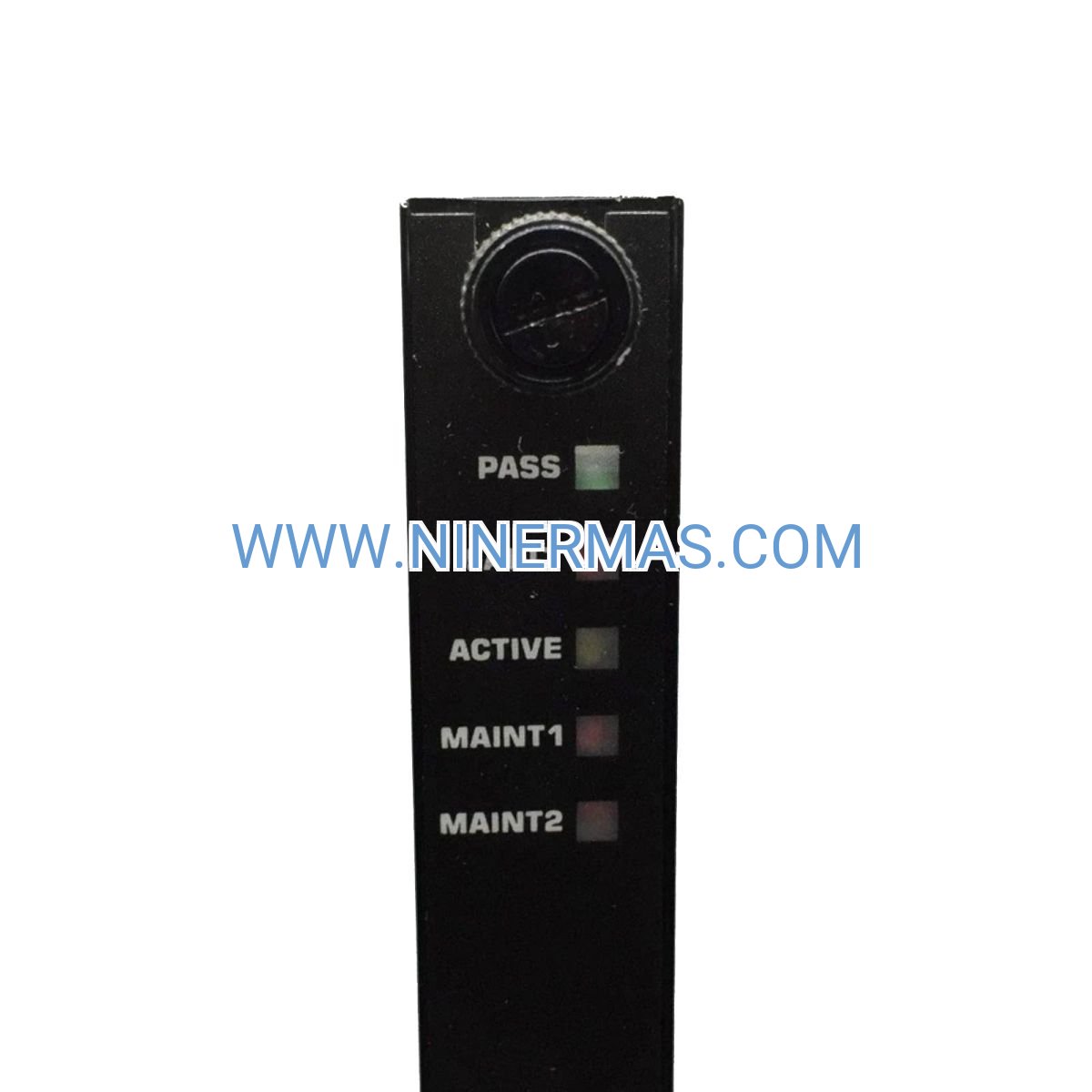
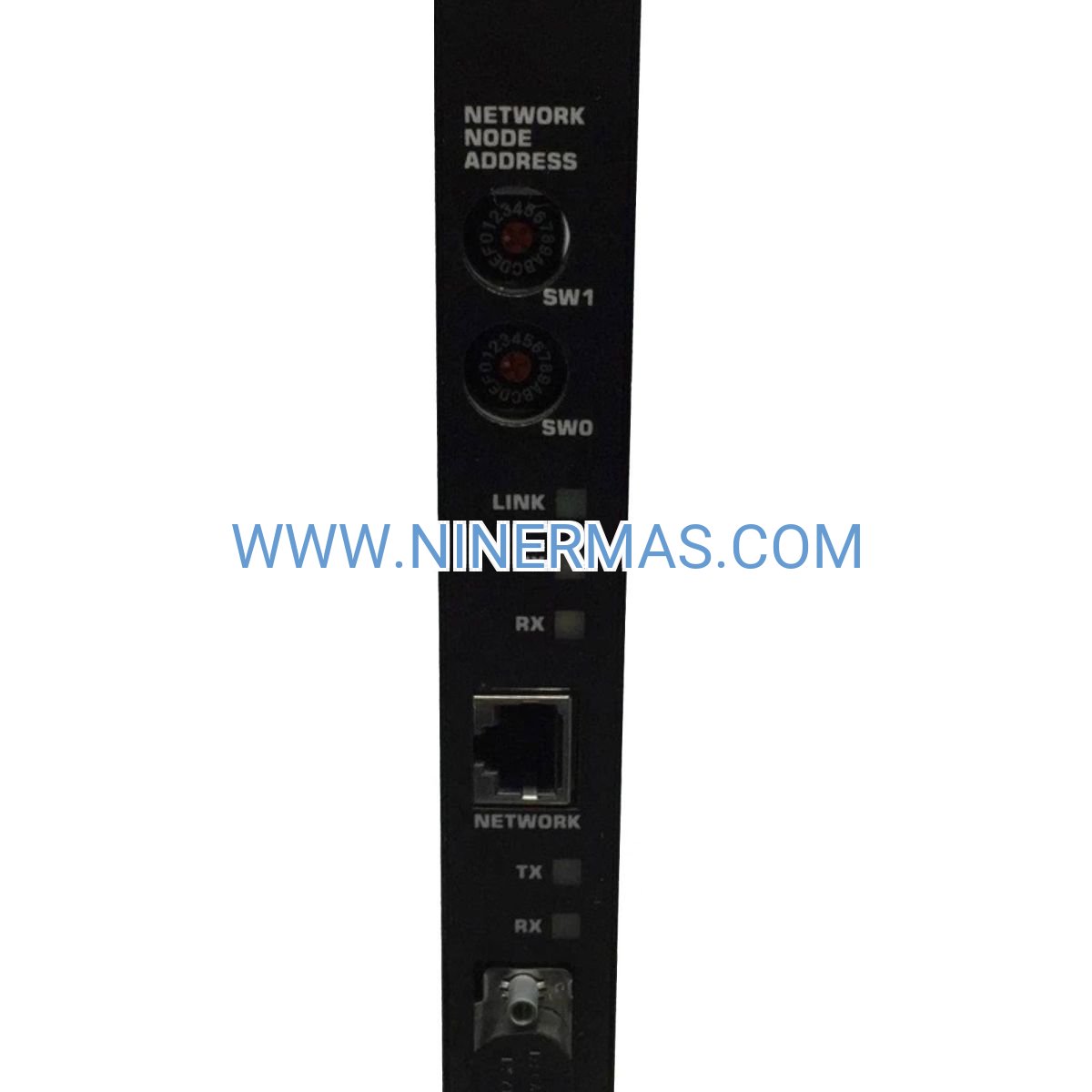
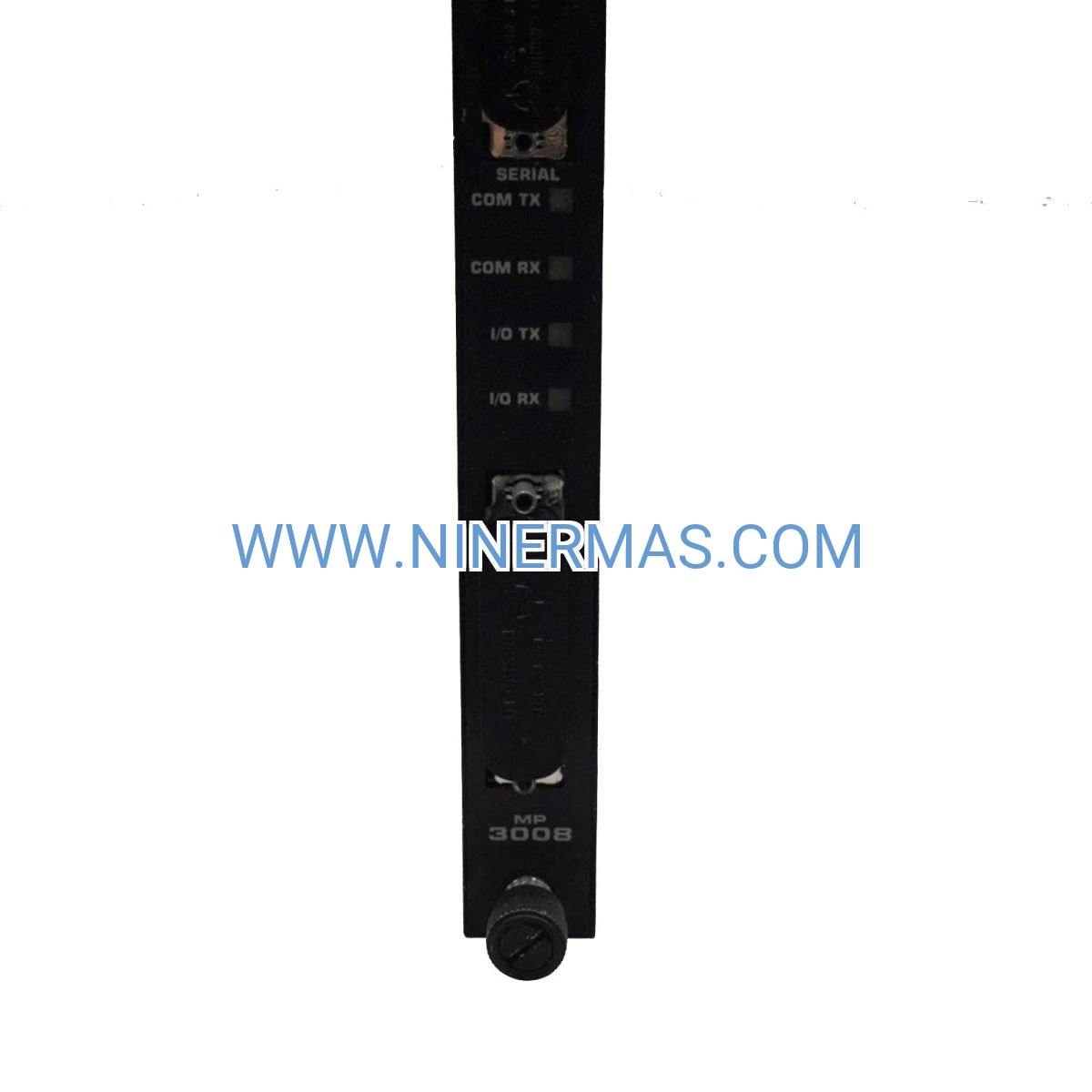
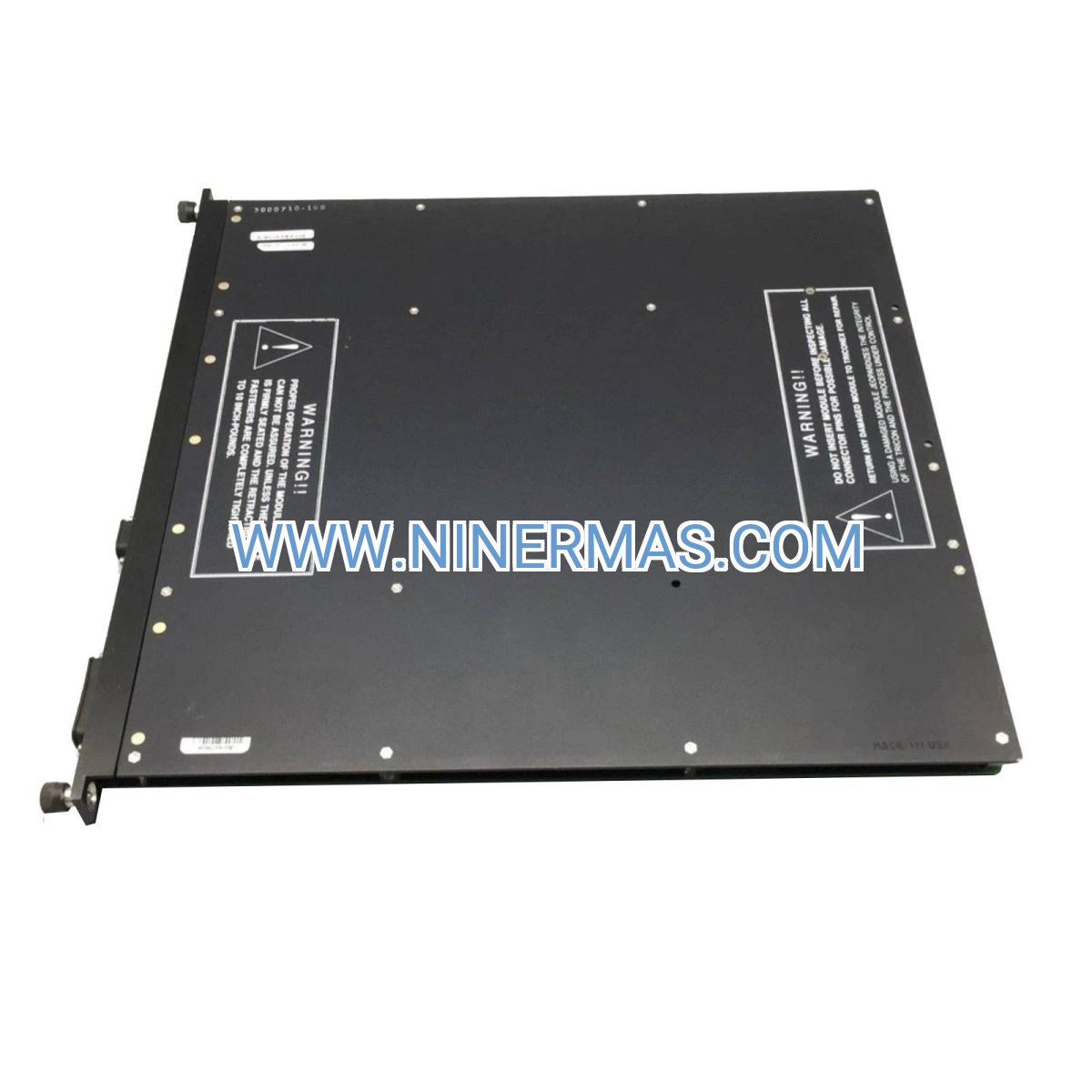
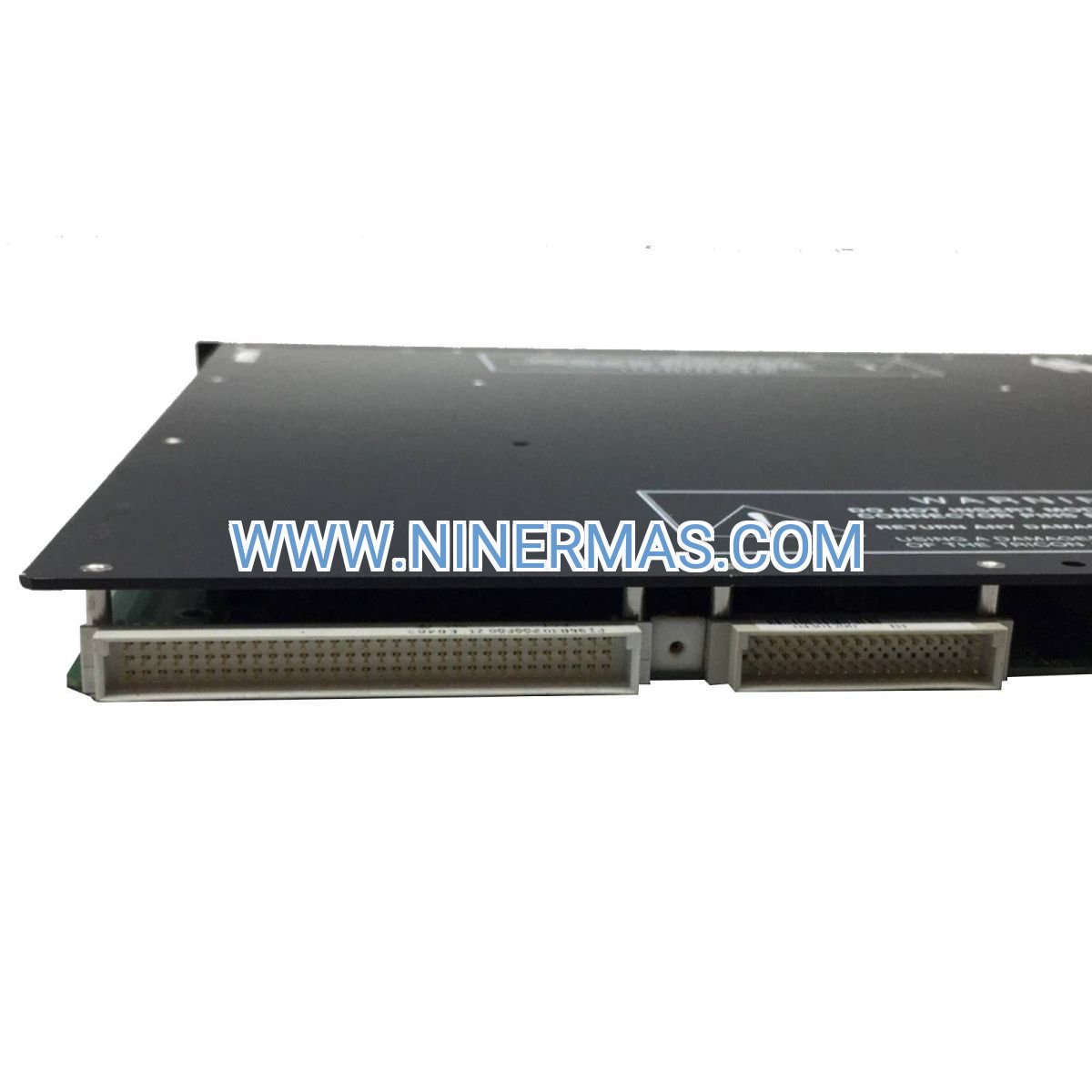
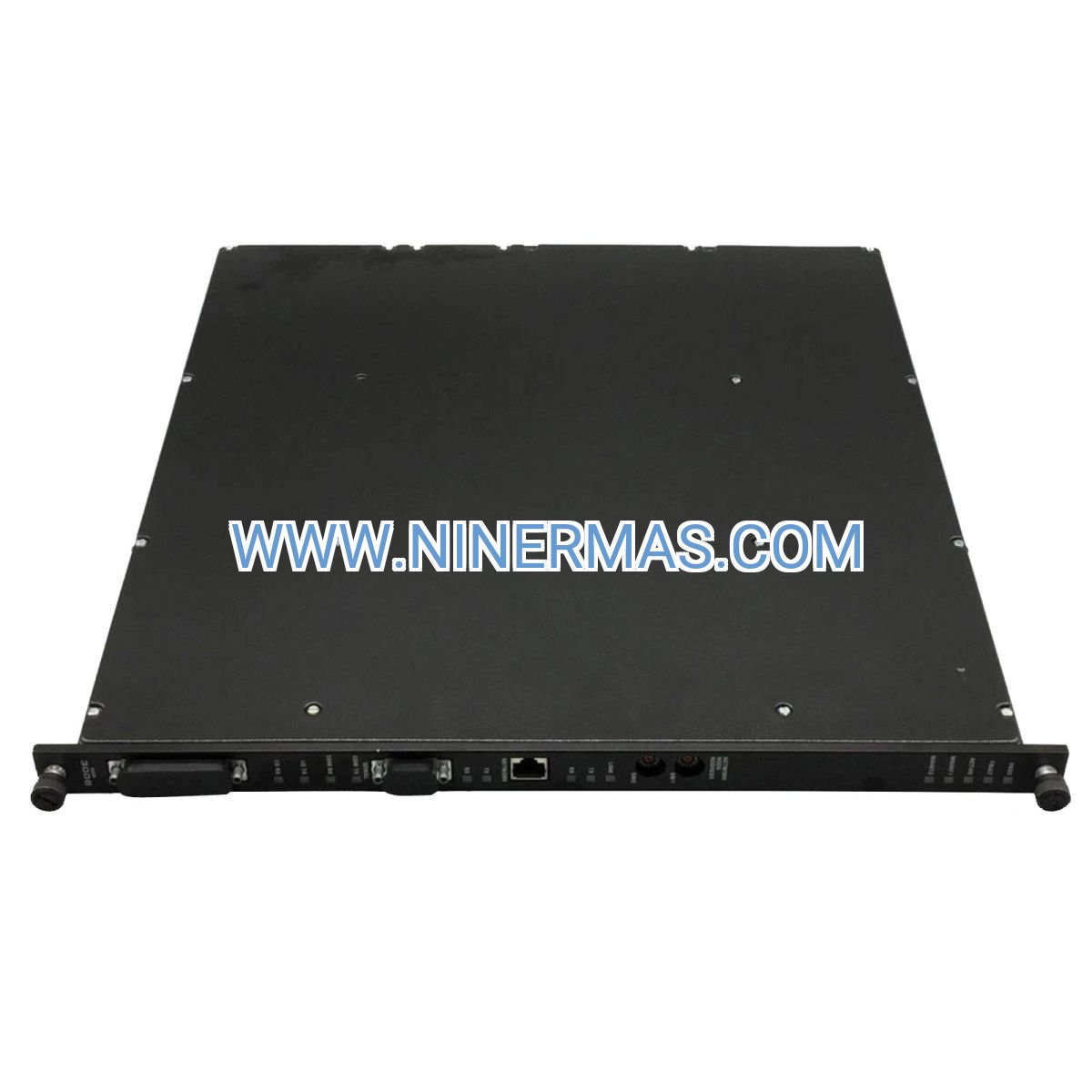
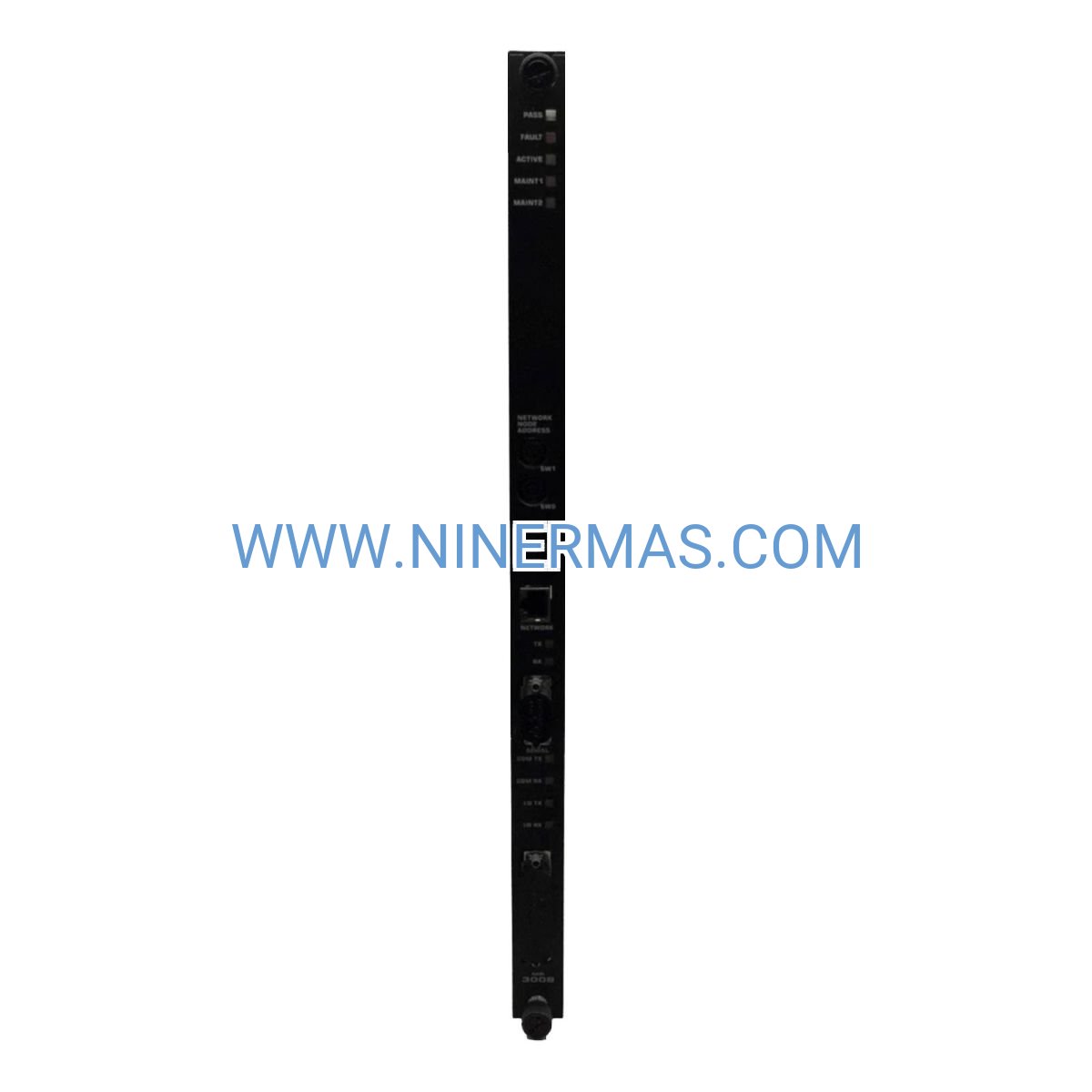
Triconex 3008 V10.5 Main Processor (Industrial-Grade TMR Safety Brain)
The Triconex 3008 V10.5 serves as the computational core for safety-instrumented systems where downtime isn't an option and failures aren't acceptable. Built on proven Triple Modular Redundant architecture, this main processor continuously validates every calculation across three independent channels, automatically isolating faults while maintaining uninterrupted control authority over your most critical processes.
Process industries face a constant challenge: how to protect personnel, assets, and the environment without sacrificing operational availability. Traditional single-channel controllers create a binary choice between safety and productivity. The 3008 V10.5 eliminates this compromise through its TMR voting logic, which detects and corrects errors in real-time without triggering false shutdowns or requiring manual intervention.
Engineered for engineers who specify emergency shutdown systems, burner management platforms, and fire & gas detection networks, this processor combines the processing power of a 50 MHz Motorola MPC860 RISC chip with 16 MB of DRAM—sufficient capacity for complex ladder logic, function block diagrams, and structured text programs that govern multi-zone protection schemes across refineries, chemical plants, and power generation facilities.
Core Capabilities & Business Impact
→ Continuous Availability Through Redundancy
Three parallel processing channels execute identical control logic simultaneously, with majority voting on every output. When one channel experiences a hardware fault or memory error, the system automatically continues operation using the two healthy channels while flagging the issue for scheduled maintenance—eliminating unplanned shutdowns that cost $50,000-$500,000 per hour in lost production.
✓ Hot-Swappable Architecture for Zero-Downtime Maintenance
Replace failed processor modules during operation without halting production or entering bypass mode. The remaining two channels maintain full control authority while you install a new module, which automatically synchronizes with the active system within 30 seconds—reducing mean time to repair (MTTR) from hours to minutes.
✓ Deterministic Scan Performance for Time-Critical Sequences
Configurable scan cycles from 10ms to 100ms ensure predictable response times for rapid shutdown sequences, such as closing emergency isolation valves within 2 seconds of detecting high-high pressure conditions. Consistent execution timing prevents race conditions in sequential interlocks and maintains synchronization with distributed I/O racks across RS-485 networks operating at 2 Mbps.
✓ SIL 3 Certification for Regulatory Compliance
IEC 61508 and TÜV certification documentation simplifies safety integrity level (SIL) verification during HAZOP studies and pre-startup safety reviews (PSSR). The proven failure rate of 10⁻⁹ dangerous failures per hour meets the most stringent requirements for safety instrumented functions (SIF) protecting against catastrophic scenarios.
✓ Comprehensive Diagnostics for Predictive Maintenance
Built-in self-test routines continuously monitor processor health, memory integrity, communication status, and power supply voltages. The RS-232 diagnostic port provides direct access to fault logs, scan time statistics, and module status—enabling condition-based maintenance strategies that replace components before they fail rather than after.
✓ Wide Operating Temperature Range for Harsh Environments
Rated for 0°C to 60°C (32°F to 140°F) ambient conditions without derating, this processor operates reliably in non-climate-controlled equipment rooms, offshore platforms, and industrial enclosures where temperature swings challenge standard PLCs. Conformal coating on circuit boards provides additional protection against humidity, dust, and corrosive atmospheres.
Application Scenarios Across Process Industries
Upstream Oil & Gas: Wellhead Protection & Pipeline Safety
Monitor downhole pressure, temperature, and flow rates across multi-well pads, executing automatic shutdown sequences when parameters exceed safe operating limits. The 3008 V10.5 coordinates emergency isolation valve closures, flare system activation, and alarm annunciation—preventing blowouts, pipeline ruptures, and environmental releases that trigger regulatory fines and operational suspensions.
Refining & Petrochemicals: Fired Heater & Reactor Safeguarding
Implement burner management systems (BMS) that control fuel gas flow, air-to-fuel ratios, and flame detection across process heaters and boilers. When flame failure occurs or combustible gas concentrations enter the explosive range, the processor executes purge sequences and fuel isolation within milliseconds—preventing furnace explosions that destroy equipment and endanger personnel.
Chemical Manufacturing: Batch Reactor Interlocks
Manage exothermic reaction sequences where temperature runaway leads to pressure vessel rupture and toxic chemical release. The TMR processor monitors reactor temperature, pressure, agitator speed, and cooling water flow, automatically initiating emergency cooling, pressure relief, and reactant isolation when process variables deviate from safe operating envelopes defined in process safety management (PSM) programs.
Power Generation: Turbine Overspeed Protection
Prevent catastrophic turbine failures by monitoring shaft speed, vibration, bearing temperature, and lube oil pressure. When rotational velocity exceeds 110% of rated speed or bearing temperatures indicate imminent failure, the processor trips steam valves and generator breakers—protecting multi-million-dollar assets from self-destruction while maintaining grid stability through coordinated shutdown sequences.
Offshore Platforms: Fire & Gas Detection Networks
Integrate inputs from hundreds of flame detectors, combustible gas sensors, and toxic gas monitors distributed across production decks, living quarters, and machinery spaces. The 3008 V10.5 evaluates voting logic from redundant sensors, activates deluge systems, closes HVAC dampers, and initiates platform evacuation alarms—providing the multi-layered protection required by offshore safety case regulations.
Technical Parameters & Selection Criteria
| Specification | Value | Engineering Significance |
|---|---|---|
| Processor Type | Motorola MPC860 RISC | Proven architecture with extensive field history |
| Clock Speed | 50 MHz | Sufficient for complex control algorithms |
| System Memory | 16 MB DRAM | Supports 10,000+ I/O points and 50,000+ logic elements |
| Firmware Version | V10.5 | Enhanced diagnostics vs. V10.3/V10.4 |
| Scan Time Range | 10-100 ms configurable | Balances response speed with program complexity |
| Communication | RS-485 @ 2 Mbps | Supports up to 118 I/O modules per network |
| Diagnostic Port | RS-232 | Direct connection for TriStation programming |
| Power Consumption | 10W typical | Low heat generation for enclosed cabinets |
| Operating Temp | 0-60°C (32-140°F) | No forced cooling required in most installations |
| Safety Rating | SIL 3 per IEC 61508 | Meets highest safety integrity requirements |
| MTBF | >100,000 hours | Exceeds 11 years continuous operation |
Selection Guidance: Choose the 3008 V10.5 when your safety instrumented system requires SIL 3 certification, manages 500-10,000 I/O points, and demands scan times faster than 100ms. For smaller applications with fewer than 500 I/O points, consider the Triconex 3006 processor. For systems exceeding 10,000 I/O points or requiring scan times below 10ms, evaluate the 3008N enhanced processor with expanded memory.
Advanced Integration & Connectivity
The 3008 V10.5 operates within the broader Tricon ecosystem, communicating with digital input modules (3503E, 3505E), analog input modules (3721, 3805E), digital output modules (3603E, 3625A), and analog output modules (3805H). Each I/O module incorporates its own TMR circuitry, extending fault tolerance from the processor through the entire signal chain to field devices.
Peer-to-peer communication between multiple Tricon controllers enables distributed control architectures where separate safety systems coordinate shutdown sequences across interconnected process units. The TriStation 1131 development environment supports IEC 61131-3 programming languages—ladder diagram (LD), function block diagram (FBD), structured text (ST), and sequential function chart (SFC)—allowing control engineers to implement logic using familiar methodologies.
Integration with distributed control systems (DCS) occurs through Modbus TCP/IP, OPC DA/UA, or proprietary protocols, enabling the safety system to receive process variable setpoints from the DCS while maintaining complete independence for safety-critical shutdown logic. This separation ensures that DCS failures or cybersecurity incidents cannot compromise safety system integrity.
Delivery Timeline & Service Commitments
Standard Delivery: 3-5 business days for in-stock modules via express courier with full tracking and insurance. All processors ship in anti-static packaging with protective foam inserts to prevent shipping damage.
Custom Configuration: 7-10 business days for modules requiring specific firmware versions, custom memory configurations, or pre-loaded application programs. Our engineering team performs factory acceptance testing (FAT) and provides test documentation with each configured system.
Warranty Coverage: 12-month comprehensive warranty covering manufacturing defects, component failures, and operational malfunctions. Warranty includes advance replacement service—we ship a replacement module immediately upon fault notification, with return shipping labels for the failed unit.
Technical Support: Unlimited phone and email support from Triconex-certified engineers who assist with module installation, configuration troubleshooting, firmware updates, and system optimization. Support includes access to our technical library containing application notes, wiring diagrams, and configuration examples.
Documentation Package: Each module ships with installation manual, quick-start guide, firmware release notes, and calibration certificate. Digital downloads include CAD drawings, 3D STEP models for panel layout, and spare parts lists for long-term maintenance planning.
Common Engineering Questions
How does the TMR voting mechanism handle transient errors versus permanent faults?
The voting logic distinguishes between single-scan discrepancies (often caused by electromagnetic interference or cosmic radiation) and persistent disagreements lasting multiple scans. Transient errors are automatically corrected without generating alarms, while sustained faults trigger module status indicators and diagnostic messages, allowing operators to schedule maintenance during planned outages rather than forcing immediate shutdowns.
Can I upgrade from V10.3 firmware to V10.5 without replacing hardware?
Firmware upgrades require physical module replacement because the firmware resides in non-volatile memory soldered to the processor board. However, all three main processors in a TMR set must run identical firmware versions to maintain voting synchronization. We recommend upgrading during planned maintenance windows and keeping one set of processors at the current firmware version as a rollback option.
What's the maximum program size supported by 16 MB of DRAM?
Typical safety applications consume 2-8 MB for program logic, with the remainder allocated to I/O image tables, historical data buffers, and system overhead. Complex applications with 10,000+ I/O points and 50,000+ logic elements approach the memory limit. If your application exceeds these thresholds, the 3008N processor with 32 MB DRAM provides additional headroom.
How do I integrate this processor with existing DCS systems?
The Triconex communication module (TCM 4351A/B) provides Modbus TCP/IP connectivity to DCS platforms from Honeywell, Emerson, Yokogawa, and ABB. The safety system operates independently but can receive process setpoints and transmit status information to the DCS for operator visibility. Safety-critical shutdown logic executes entirely within the Triconex system, ensuring that DCS failures cannot prevent protective actions.
What environmental conditions void the warranty?
Operation outside the 0-60°C temperature range, exposure to condensing humidity above 95% RH, or installation in atmospheres containing corrosive gases (chlorine, hydrogen sulfide, ammonia) without proper enclosure protection may void warranty coverage. For extreme environments, consult our engineering team about conformal coating options and environmental hardening packages.
Do you provide cybersecurity documentation for this processor?
Yes, we supply cybersecurity assessment reports documenting the processor's compliance with IEC 62443 industrial cybersecurity standards, including network segmentation recommendations, access control configurations, and firmware integrity verification procedures. These documents support your facility's cybersecurity risk assessments and regulatory compliance audits.
Take the Next Step Toward Safer Operations
Protect your personnel, assets, and production continuity with a safety system engineered for the world's most demanding process environments. Contact our technical sales team for application-specific guidance, system architecture reviews, and competitive quotations. We provide same-day responses to technical inquiries and can arrange factory acceptance testing for critical projects.
© 2026 NINERMAS COMPANY LIMITED. All rights reserved.
Original Source: https://ninermas.com
Contact: sale@ninermas.com | +0086 187 5021 5667
Related products

Contact Info
-
Address:22 / F, South Wo Hang building, 148 Wing Lok Street, Sheung Wan, Western District, Hong Kong
-
Phone:+8618750215667
-
Email: