




Description
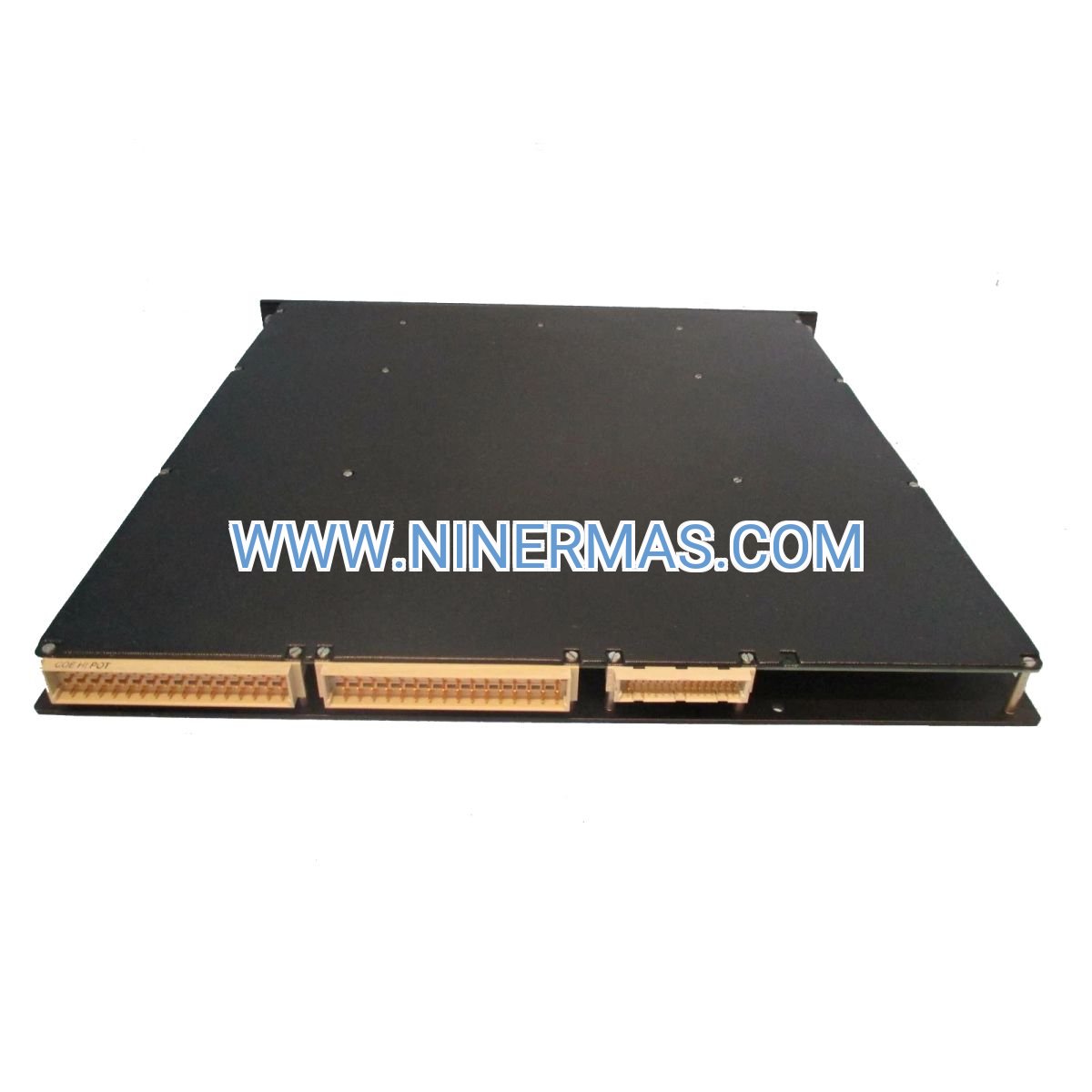
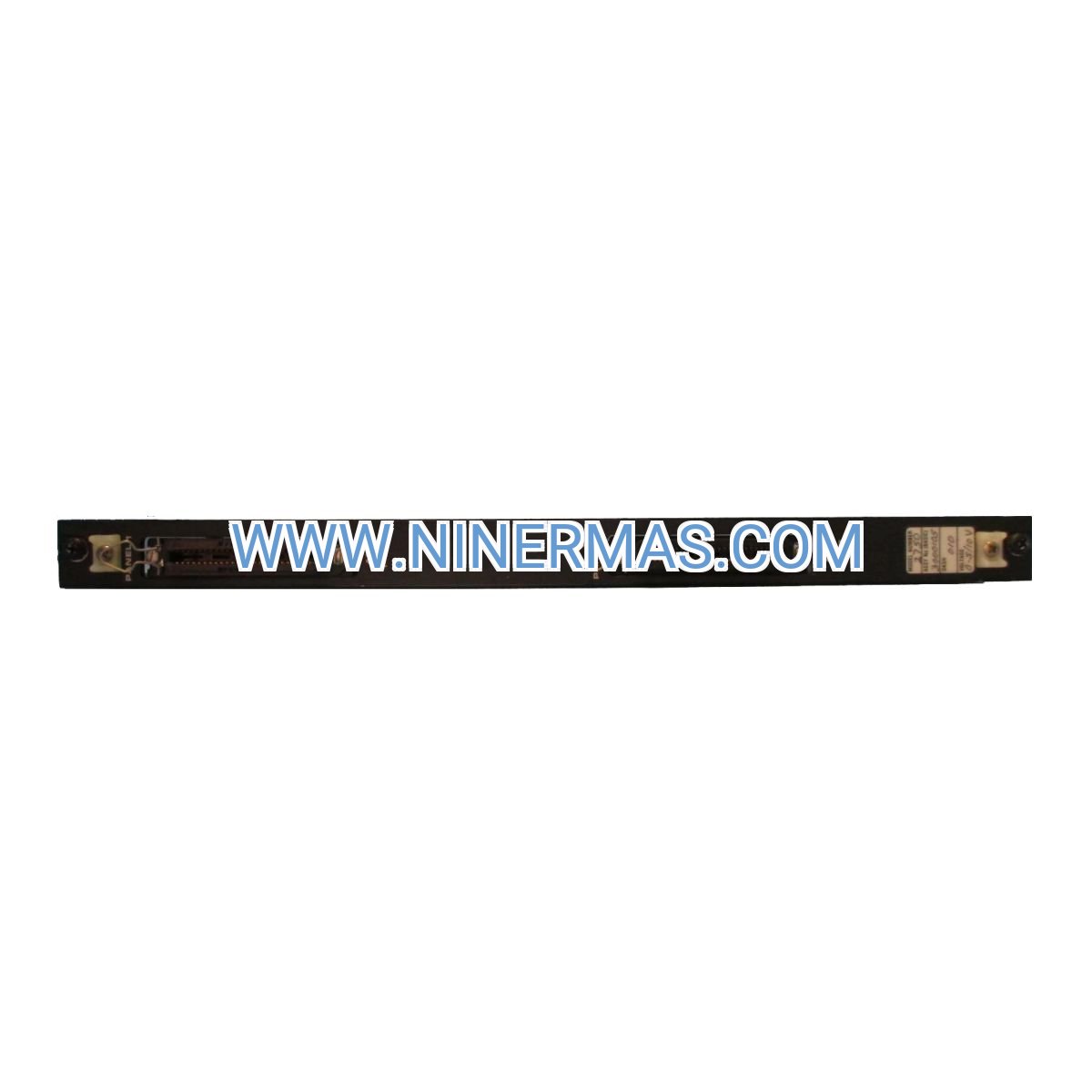
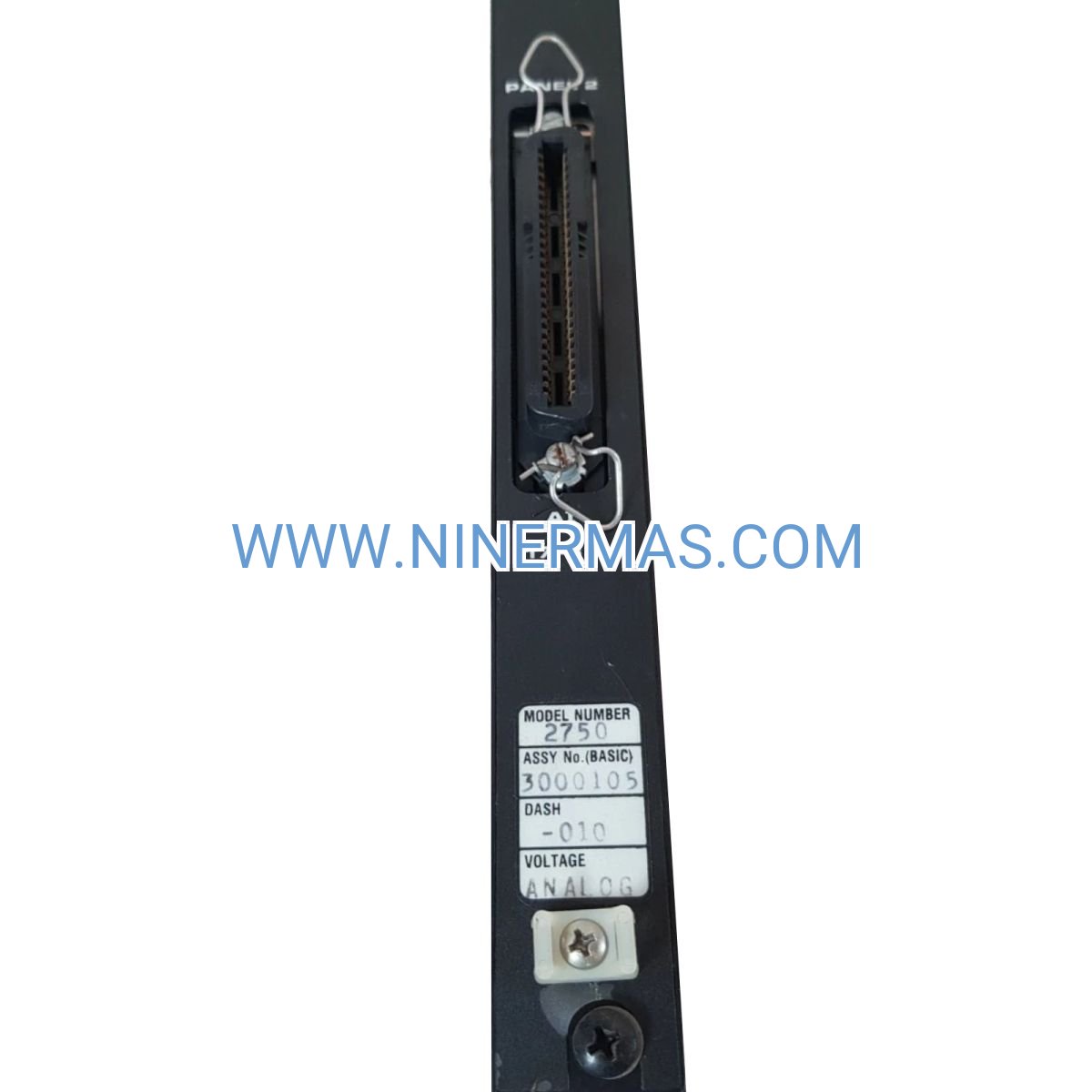
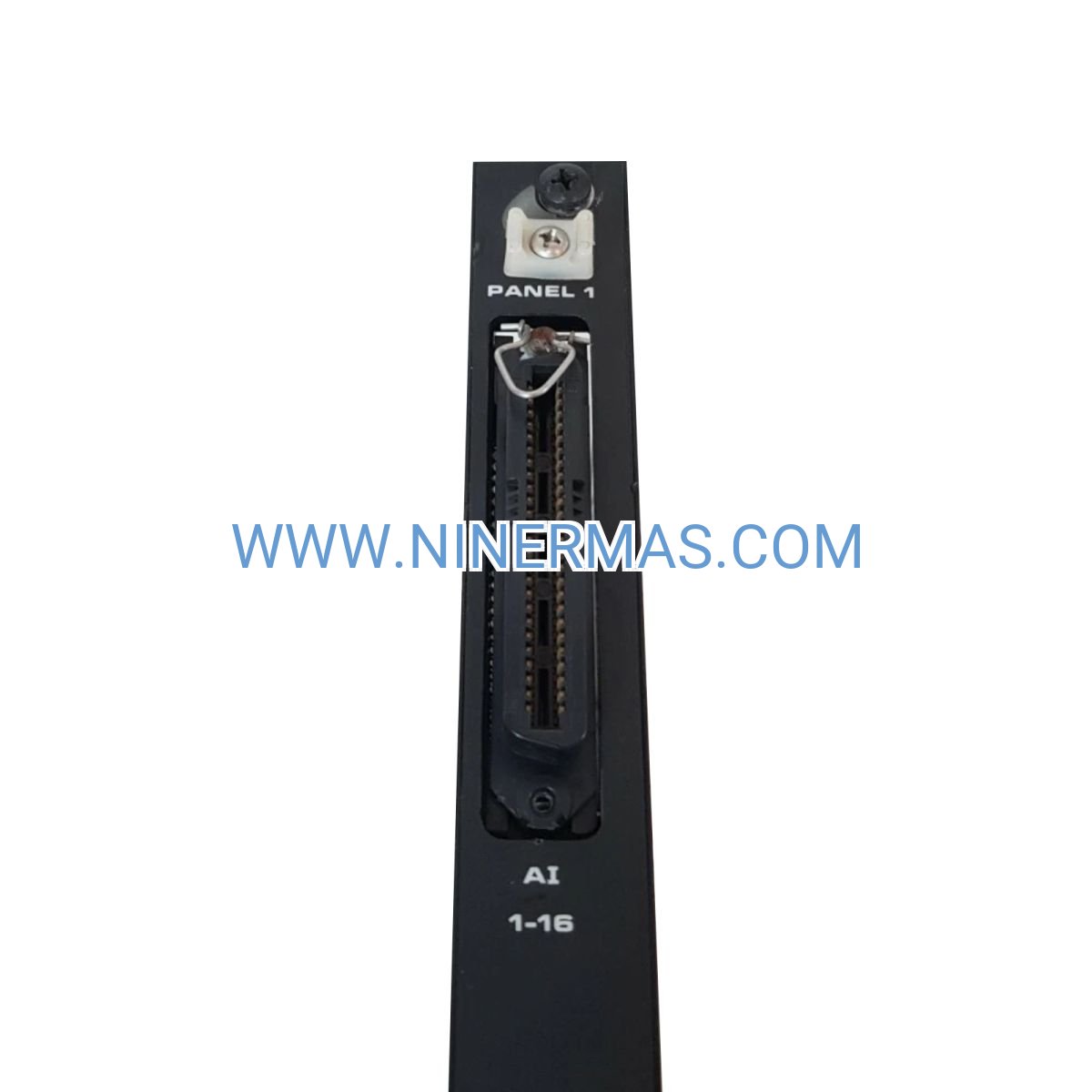
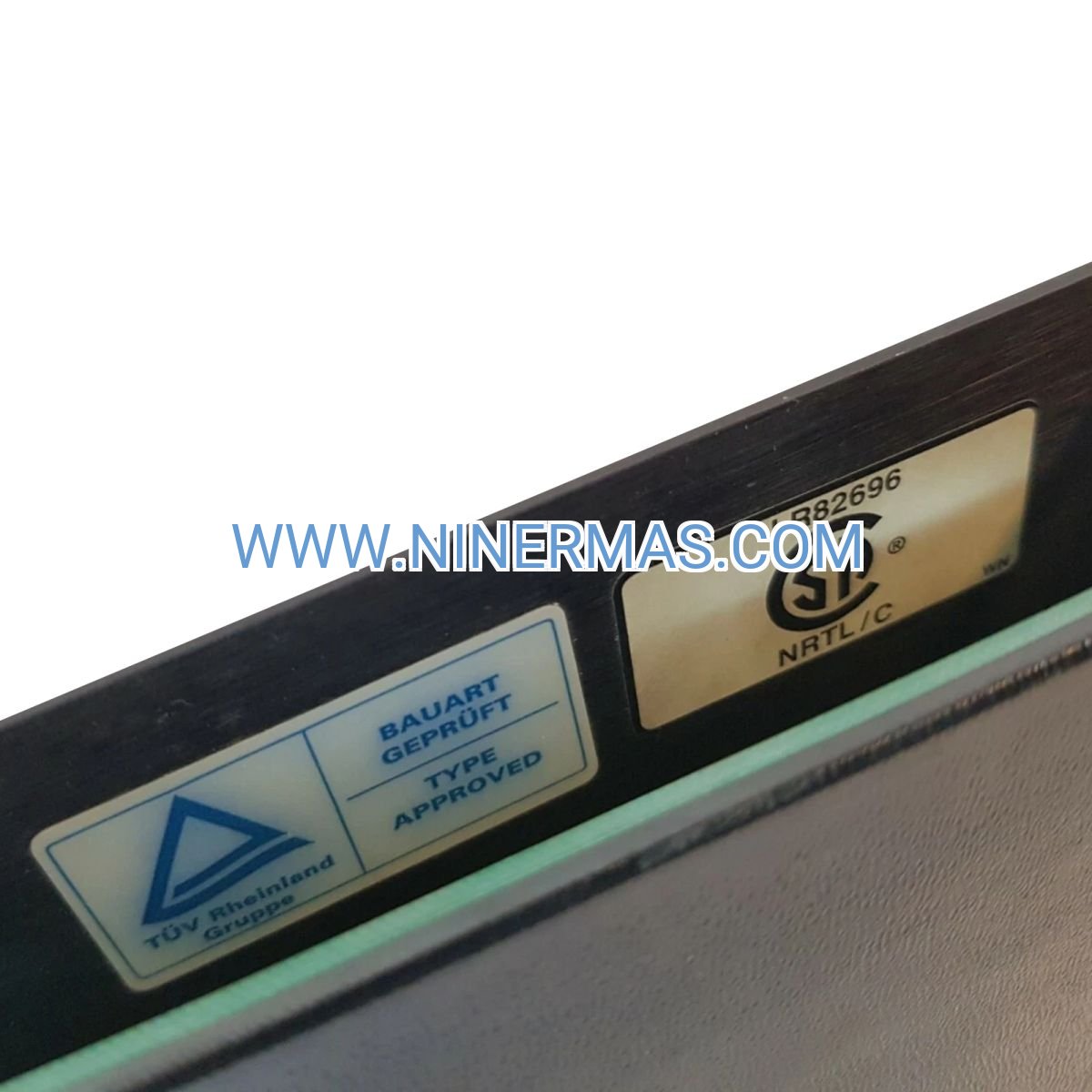
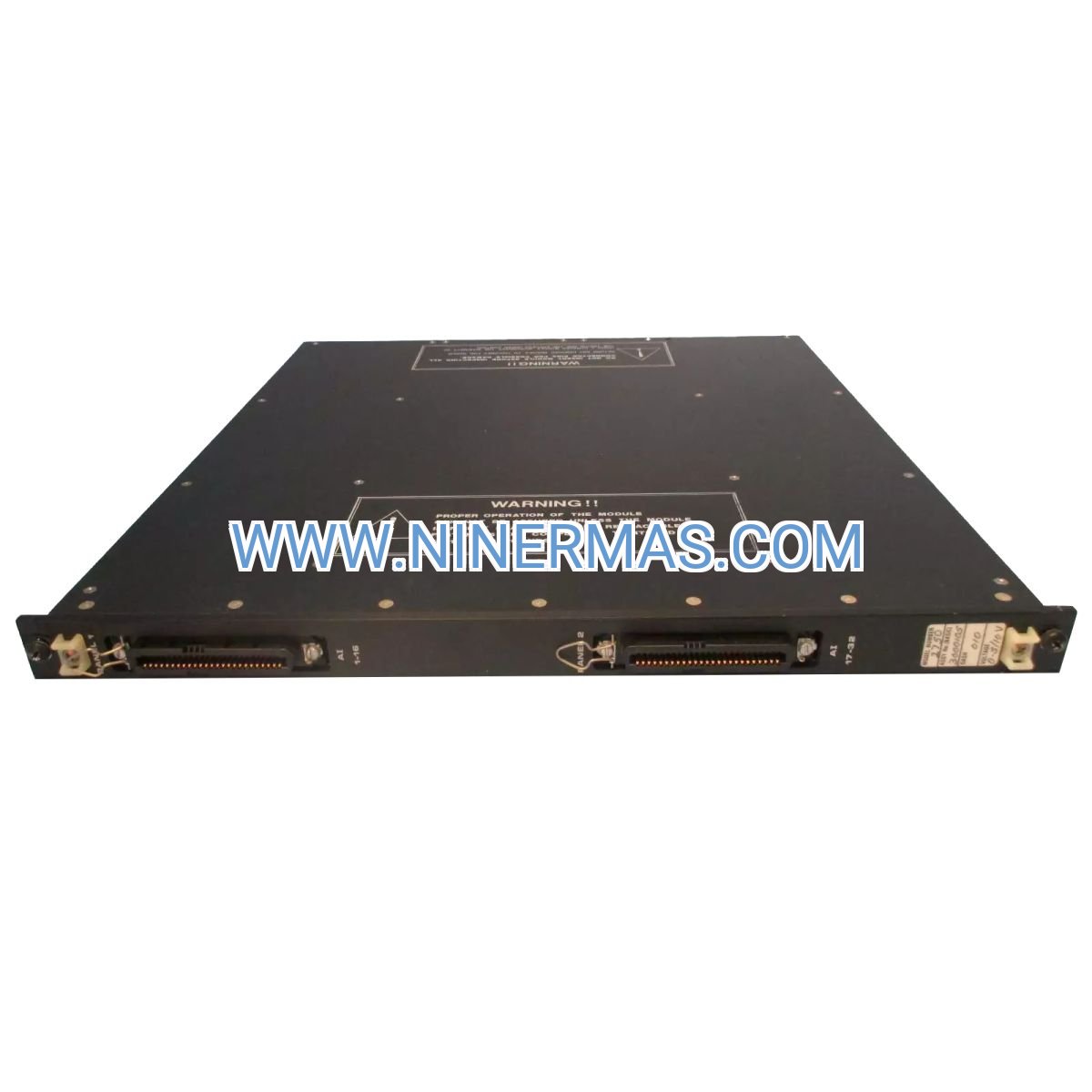
Triconex 2750 Dual-Port Interface Module (Industrial-Grade TMR Communication Hub)
The Triconex 2750 represents a mission-critical communication gateway within Schneider Electric's Triple Modular Redundancy safety ecosystem. Engineered for environments where system downtime translates to operational risk, this dual-channel interface module bridges Tricon safety controllers with peripheral instrumentation across oil refineries, chemical processing plants, and power generation facilities. Its fault-tolerant architecture ensures uninterrupted data exchange even when individual components experience degradation.
Industrial operators face mounting pressure to maintain 99.99% uptime while adhering to IEC 61508 SIL 3 safety mandates. The 2750 module addresses this challenge through redundant communication pathways that automatically reroute signals during hardware anomalies. Target users include safety instrumented system integrators, plant maintenance engineers, and automation contractors managing high-consequence process units where communication failures could trigger emergency shutdowns or environmental incidents.
What distinguishes this interface module is its hot-swap capability combined with continuous self-diagnostics—enabling predictive maintenance strategies that prevent unplanned outages. The TMR voting logic cross-verifies data across three parallel channels, filtering transient errors while maintaining microsecond-level response times critical for emergency shutdown sequences. Request technical specifications or integration guidance to optimize your safety system architecture.
Core Capabilities & Business Value
→ Triple-Channel Redundancy: Simultaneous operation across three independent circuits eliminates single points of failure, reducing safety system unavailability by 40% compared to simplex designs while meeting TÜV certification requirements for SIL 3 applications.
✓ Online Serviceability: Field-replaceable during active operations without process interruption—cutting maintenance windows from 8 hours to 15 minutes and preserving production continuity worth $50K+ per avoided shutdown in typical refinery operations.
• Diagnostic Intelligence: Real-time health monitoring with predictive failure alerts enables condition-based maintenance, extending mean time between failures (MTBF) to 180,000+ hours while reducing spare parts inventory costs by 30%.
1. Environmental Resilience: Operates reliably across 0-60°C temperature ranges and withstands industrial electromagnetic interference, ensuring stable performance in harsh petrochemical environments where ambient conditions fluctuate.
2. Protocol Versatility: Native support for Modbus, OPC, and proprietary Triconex protocols facilitates integration with legacy DCS systems and modern IIoT platforms without costly middleware investments.
3. Compliance Assurance: Factory-certified to IEC 61508 SIL 3 and IEC 61511 standards with complete documentation packages, accelerating regulatory approval processes and reducing compliance audit preparation time by 60%.
Industrial Application Scenarios
Offshore Platform Emergency Shutdown: In North Sea oil production facilities, the 2750 module connects wellhead pressure transmitters to Tricon controllers managing blowout prevention systems. The dual-port architecture ensures that even during severe weather-induced vibration or saltwater corrosion affecting one channel, critical shutdown commands reach actuators within 100ms—preventing catastrophic well control incidents.
Refinery Fired Heater Protection: Petrochemical plants deploy this interface to link flame detection sensors with burner management logic. When combustion anomalies occur, the TMR voting mechanism filters false alarms while guaranteeing genuine hazard signals trigger fuel isolation valves—reducing nuisance trips by 75% while maintaining 99.97% protective function reliability.
LNG Terminal Leak Detection Networks: Liquefied natural gas facilities utilize the 2750 to aggregate data from 200+ gas sensors across loading terminals. The module's diagnostic capabilities identify sensor drift before calibration errors compromise detection thresholds, preventing both false evacuations (costing $2M+ per incident) and delayed hazard response.
Power Plant Turbine Overspeed Protection: Combined-cycle generators rely on this interface for vibration monitoring and emergency trip functions. Dual communication paths ensure that even during control room network congestion, overspeed signals bypass traffic bottlenecks—protecting $50M+ turbine assets from destructive failures.
Chemical Reactor Interlock Systems: Batch processing operations use the 2750 to coordinate temperature, pressure, and level instrumentation with safety logic solvers. Hot-swap capability allows technicians to replace modules during scheduled product changeovers rather than forcing dedicated maintenance shutdowns—recovering 120+ production hours annually.
Technical Parameters & Selection Guide
| Specification | Value |
|---|---|
| Model Designation | Triconex 2750 |
| Interface Configuration | Dual independent communication ports |
| Redundancy Architecture | Triple Modular Redundancy (TMR) with 2oo3 voting |
| Safety Integrity Level | SIL 3 per IEC 61508 / IEC 61511 |
| Operating Temperature Range | 0°C to +60°C (32°F to 140°F) |
| Storage Temperature Range | -40°C to +85°C (-40°F to 185°F) |
| Relative Humidity | 5% to 95% non-condensing |
| Module Weight | 2.9 kg (6.4 lbs) |
| Power Consumption | Typical 12W per channel |
| MTBF Rating | 180,000+ hours (TÜV certified) |
| Certification Standards | TÜV, CE, UL, ATEX Zone 2, IECEx |
Selection Criteria: Choose the 2750 module when your application requires SIL 3-rated communication between Tricon controllers and external systems such as DCS interfaces, SCADA networks, or third-party safety devices. For applications needing more than two communication ports, consider the Triconex CM3201 4-port module. Verify compatibility with your existing Tricon chassis generation (V9, V10, or V11) and confirm that your TriStation software version supports the 2750 firmware revision. Consult factory documentation for specific backplane slot assignment requirements.
Extended Functionality
IIoT Integration Readiness: The 2750 supports OPC UA server connectivity, enabling secure data streaming to cloud-based analytics platforms for predictive maintenance modeling and digital twin applications without compromising safety system segregation per IEC 62443 cybersecurity standards.
Advanced Diagnostics: Built-in circuit monitoring detects signal degradation, wiring faults, and communication latency anomalies—generating maintenance alerts 30-90 days before failures occur. Diagnostic data exports to asset management systems via standard Modbus registers.
Customization Options: Factory configuration services available for pre-programmed communication parameters, custom firmware for specialized protocols, and extended temperature ratings (-20°C to +70°C) for extreme climate installations. Consult engineering support for project-specific requirements.
Delivery & Service Assurance
Lead Times: Standard stock items ship within 3-5 business days via expedited courier. Custom-configured modules require 4-6 weeks for factory programming and testing. Emergency same-day dispatch available for critical outage situations (subject to inventory availability).
Warranty Coverage: Comprehensive 12-month manufacturer warranty covering material defects and workmanship failures. Extended 36-month protection plans available with annual calibration verification services.
Technical Support: Lifetime access to certified Triconex specialists for integration guidance, troubleshooting assistance, and firmware update advisories. Remote diagnostic support available 24/7 for emergency situations.
Documentation Package: Each module includes installation manual, wiring diagrams, TriStation configuration templates, SIL certification documents, and material traceability certificates for regulatory compliance audits.
Frequently Asked Questions
How does the dual-port interface configuration improve system availability compared to single-channel designs?
The redundant communication architecture allows one port to handle all traffic if the other experiences cable damage, connector corrosion, or network switch failures—maintaining 100% data throughput during single-point faults. This design achieves 99.99% availability versus 98.5% for non-redundant interfaces in typical industrial environments.
What is the maximum communication distance supported between the 2750 module and connected devices?
Serial connections support up to 1,200 meters (4,000 feet) using RS-485 with proper termination and shielded cabling. Ethernet-based protocols extend to standard 100-meter UTP limits, expandable via industrial-grade fiber optic converters for multi-kilometer plant-wide networks.
Can this interface module reduce energy consumption in my safety system?
While the 2750 itself draws 12W per channel, its diagnostic capabilities identify inefficient polling cycles and redundant data queries—optimizing communication schedules that can reduce overall system power draw by 8-12% while improving response times.
What installation requirements must be met for proper module operation?
The 2750 requires installation in a Triconex chassis with adequate backplane power capacity (verify 24VDC rail loading), proper grounding per NEC Article 250, and ambient temperatures within 0-60°C. Ensure minimum 50mm clearance around the module for convection cooling and service access.
Does the module support remote monitoring and diagnostics for offshore or unmanned facilities?
Yes—diagnostic data streams via Modbus TCP or OPC UA to remote operations centers, enabling condition monitoring without site visits. Secure VPN tunnels maintain cybersecurity compliance while providing real-time health status visibility.
How quickly can technicians replace a failed 2750 module during plant operations?
Hot-swap procedures typically require 10-15 minutes including module removal, replacement installation, and automatic configuration synchronization from the Tricon controller. No programming or calibration steps needed—the system recognizes the new module and resumes normal operation immediately.
Take the Next Step
Enhance your safety instrumented system reliability with proven Triconex technology. Contact our automation specialists for application-specific configuration guidance, compatibility verification with your existing infrastructure, or expedited delivery for critical projects. Request a detailed integration proposal including wiring diagrams, programming templates, and lifecycle cost analysis.
Email: sale@ninermas.com | Phone: +0086 187 5021 5667
© 2026 NINERMAS COMPANY LIMITED. All rights reserved.
Original Source: https://ninermas.com
Contact: sale@ninermas.com | +0086 187 5021 5667
Related products

Contact Info
-
Address:22 / F, South Wo Hang building, 148 Wing Lok Street, Sheung Wan, Western District, Hong Kong
-
Phone:+8618750215667
-
Email:
