Original Industrial Spare Part
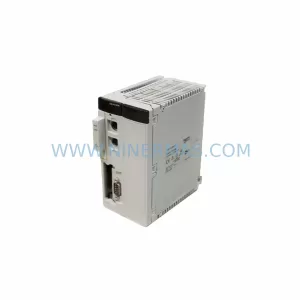
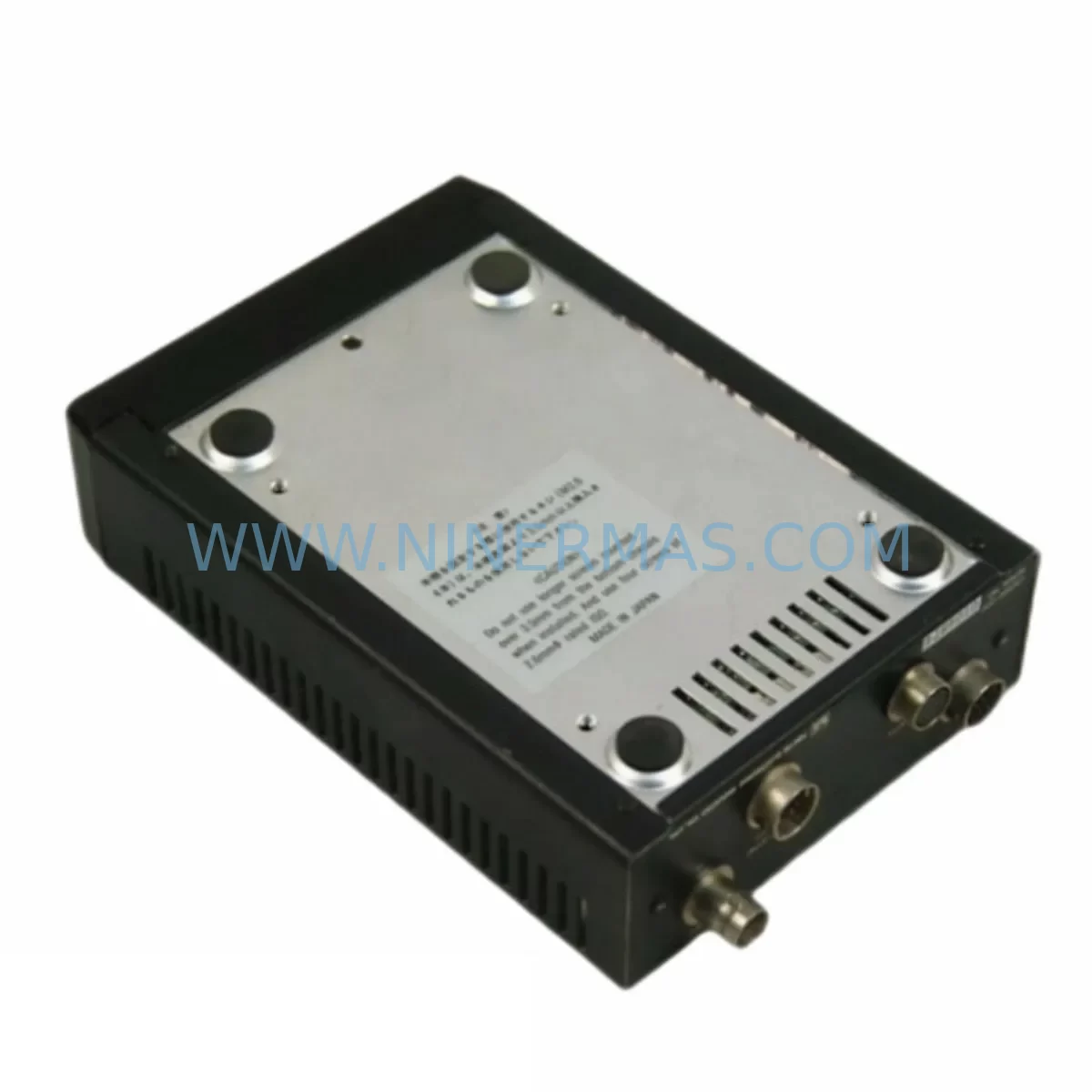
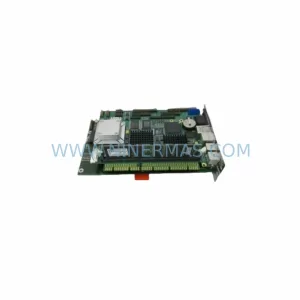
TELI CS3500C Retrofit-Compatible Controller for Legacy Systems
Verify the part, confirm the platform family, and move straight into quotation with the right commercial details.
RFQ Ready
- SKUCS3500C
- CategoryPLC & Industrial Automation Modules
- BrandTELI
- SupportAvailability, lead time, condition, and shipping coordination
How Buyers Usually Use This Page
- Confirm the exact part number and platform family before sending the quote request.
- Use direct email when quantity, condition, and destination are already defined internally.
- Switch to the broader brand or category archive when you need alternates nearby.
Series Navigation
Move through the most common platform families behind this part.
Product RFQ
Send this part directly for quotation.
Include quantity, required condition, destination country, and target delivery timing. Current reference: TELI CS3500C Retrofit-Compatible Controller for Legacy Systems with SKU CS3500C.
TELI CS3500C Retrofit-Compatible Controller for Legacy Systems
The TELI CS3500C is a retrofit-compatible programmable logic controller engineered for seamless integration into aging CS Series automation architectures. As legacy control platforms approach end-of-life and original spare parts become increasingly scarce, the CS3500C provides a validated, drop-in upgrade path that preserves existing wiring infrastructure, backplane slot assignments, and program logic — dramatically reducing the engineering effort and downtime risk associated with full system replacement.
Designed for industrial environments where continuity of operation is non-negotiable, the CS3500C supports the full range of CS Series rack configurations and is compatible with standard DIN-rail and panel-mount enclosures. Whether you are managing a single-cabinet retrofit or a multi-zone production line modernization, this controller delivers the processing headroom and communication flexibility required for long-term operational stability.
Upgrade Compatibility Table
| Parameter | Legacy CS Series (Original) | TELI CS3500C (Retrofit) |
|---|---|---|
| Backplane Interface | CS Series parallel bus | CS Series parallel bus (compatible) |
| Power Supply Requirement | 24 VDC / 100–240 VAC | 24 VDC / 100–240 VAC (verify PSU capacity before swap) |
| Communication Protocols | RS-232, RS-485, proprietary CS bus | RS-232, RS-485, Modbus RTU/TCP, Ethernet/IP (extended) |
| I/O Module Compatibility | CS Series digital/analog I/O | CS Series I/O + extended third-party I/O via adapter |
| Programming Environment | Legacy CS programming software | IEC 61131-3 compatible; legacy project import supported |
| HMI Connectivity | Proprietary CS HMI panel | CS HMI + modern touch panels via Modbus/Ethernet |
| Installation Footprint | Standard CS rack slot | Same slot form factor — no panel modification required |
| Retrofit Complexity | N/A | Low — terminal wiring retained; address remapping may apply |
| Warranty | OEM (expired/discontinued) | 12-Month Warranty from NINERMAS |
Retrofit Planning for Existing Automation Systems
A successful CS3500C retrofit begins well before the physical swap. Engineers should start by auditing the existing control cabinet layout, confirming available rack slots, and verifying that the installed CS Series power supply module — typically a 24 VDC unit — can sustain the combined load of the CS3500C alongside any retained I/O modules such as digital input cards, analog output cards, and thermocouple input modules. In many legacy installations, the original power supply is operating near its rated capacity, and adding a higher-performance CPU module without a load audit can introduce instability.
Terminal block wiring is generally preserved during a CS3500C retrofit. The controller’s I/O addressing scheme is backward-compatible with standard CS Series wiring conventions, meaning field device connections — sensors, actuators, solenoid valves, and motor starters — typically do not require re-termination. However, engineers should document all terminal assignments before disconnecting any wiring and verify continuity after reinstallation using a loop tester or multimeter.
For sites running legacy CS Series communication modules — including RS-485 master modules or proprietary CS network adapters — the CS3500C supports direct replacement without protocol conversion in most configurations. Where the existing network has been extended to include Modbus RTU devices, PROFIBUS DP segments, or third-party SCADA systems, the CS3500C’s expanded communication ports allow engineers to consolidate previously separate communication modules into a single controller, reducing rack space consumption and simplifying cable management.
Program migration is a critical step. Legacy CS Series ladder logic projects should be exported and reviewed for any hardware-specific function blocks tied to the original CPU’s memory map or interrupt routines. The CS3500C supports IEC 61131-3 structured programming, and most standard ladder logic, function block diagram, and structured text routines can be imported with minimal modification. Engineers should pay particular attention to timer presets, counter limits, and any PID loop tuning parameters that may have been calibrated to the original CPU’s scan cycle time.
HMI screen compatibility is another area requiring pre-retrofit validation. Existing CS Series HMI panels connected via the proprietary CS communication bus will continue to operate with the CS3500C in most cases. For sites looking to upgrade to modern touch-panel HMIs — including units communicating over Ethernet/IP or Modbus TCP — the CS3500C’s dual-port Ethernet interface eliminates the need for a separate communication gateway module, streamlining the panel layout and reducing potential points of failure.
Signal isolation requirements should also be reviewed during retrofit planning. In older CS Series installations, signal isolators and relay output modules were commonly used to protect the CPU from field-side voltage transients. These components remain relevant in a CS3500C retrofit and should be retained or upgraded as part of the modernization scope. Similarly, any existing programming cables — including RS-232 to USB adapters used for legacy CS programming software — should be tested for compatibility with the new programming environment before the scheduled maintenance window.
Downtime Control During System Migration
Minimizing production downtime during a CS3500C retrofit requires a structured migration plan with clearly defined rollback procedures. The recommended approach is to complete all pre-migration tasks — program backup, terminal documentation, spare parts staging, and communication link verification — during normal production hours, reserving the physical swap for a planned maintenance window.
Before powering down the existing CS Series controller, engineers should capture a full memory backup of the running program, including all data registers, retentive memory areas, and recipe tables. This backup serves as both the migration source and the rollback image in the event of an unexpected compatibility issue. The CS3500C’s onboard memory capacity is sufficient to store multiple program versions, allowing engineers to maintain the original program as a fallback while the migrated version is validated.
During the physical swap, the original CS Series CPU module is removed from the rack and the CS3500C is installed in the same slot. Power is restored to the rack, and the migrated program is downloaded via the programming port. Initial validation should focus on I/O status — confirming that all digital inputs are reading correctly, analog channels are within expected ranges, and communication links to remote I/O racks or distributed control nodes are established.
HMI screens should be tested systematically, verifying that all data tags are mapping correctly to the new controller’s memory addresses. Any discrepancies in tag mapping — particularly for alarm setpoints, production counters, or batch control parameters — should be resolved before returning the system to automatic mode. Field commissioning typically requires two to four hours for a single-cabinet retrofit, with additional time allocated for multi-zone or networked installations.
Throughout the migration, maintaining field control continuity is the primary objective. Where process conditions permit, engineers should consider a phased approach — migrating non-critical I/O zones first and validating performance before transitioning safety-critical control loops. This approach reduces the risk of extended downtime and provides an opportunity to identify any wiring or addressing issues in a controlled environment before full system handover.
Retrofit Support FAQ
Q1: Is the TELI CS3500C a direct drop-in replacement for the original CS Series CPU module?
In the majority of CS Series rack configurations, the CS3500C occupies the same physical slot and uses the same backplane connector as the original CPU. Terminal wiring and I/O module positions are retained without modification. Engineers should verify the specific rack model and slot assignment against the CS3500C installation guide before proceeding, as minor address remapping may be required in multi-rack configurations.
Q2: What commissioning steps are required after installing the CS3500C?
After physical installation, the migrated program should be downloaded and verified against the original I/O map. Key commissioning steps include: confirming all digital and analog I/O channels are reading correctly, verifying communication links to HMI panels and remote I/O nodes, testing all alarm and interlock functions, and validating PID loop performance under live process conditions. A full functional test report should be completed before returning the system to production.
Q3: Can the CS3500C communicate with existing Modbus RTU and RS-485 devices on the legacy network?
Yes. The CS3500C supports Modbus RTU over RS-485 natively, allowing it to communicate directly with existing field devices, drives, and instruments on the legacy network without requiring a protocol converter. For sites migrating to Ethernet-based protocols, the CS3500C’s Ethernet port supports Modbus TCP and can be configured to bridge legacy RS-485 segments to the plant network.
Q4: What warranty and supply assurance does NINERMAS provide for the CS3500C?
All CS3500C units supplied by NINERMAS carry a 12-month warranty covering manufacturing defects and functional failures under normal operating conditions. Pre-shipment functional testing is performed on every unit before dispatch. NINERMAS maintains dedicated inventory for CS Series retrofit components to support long-term spare parts programs and procurement planning for critical production assets. For volume requirements or long-term supply commitments, contact our team directly.
| Product Series | Legacy |
|---|
Catalog Continuation
Alternative parts within PLC & Industrial Automation Modules.
Stay inside the same system family when you need substitutes, adjacent modules, or a broader shortlist for procurement review.
SKU: OZDPROFI12MG12
Hirschmann OZDPROFI12MG12 Spare Part for Industrial Maintenance
SKU: 07025-0000-70-1-04
KONTRON 07025-0000-70-1-04 Service-Ready Spare Part