


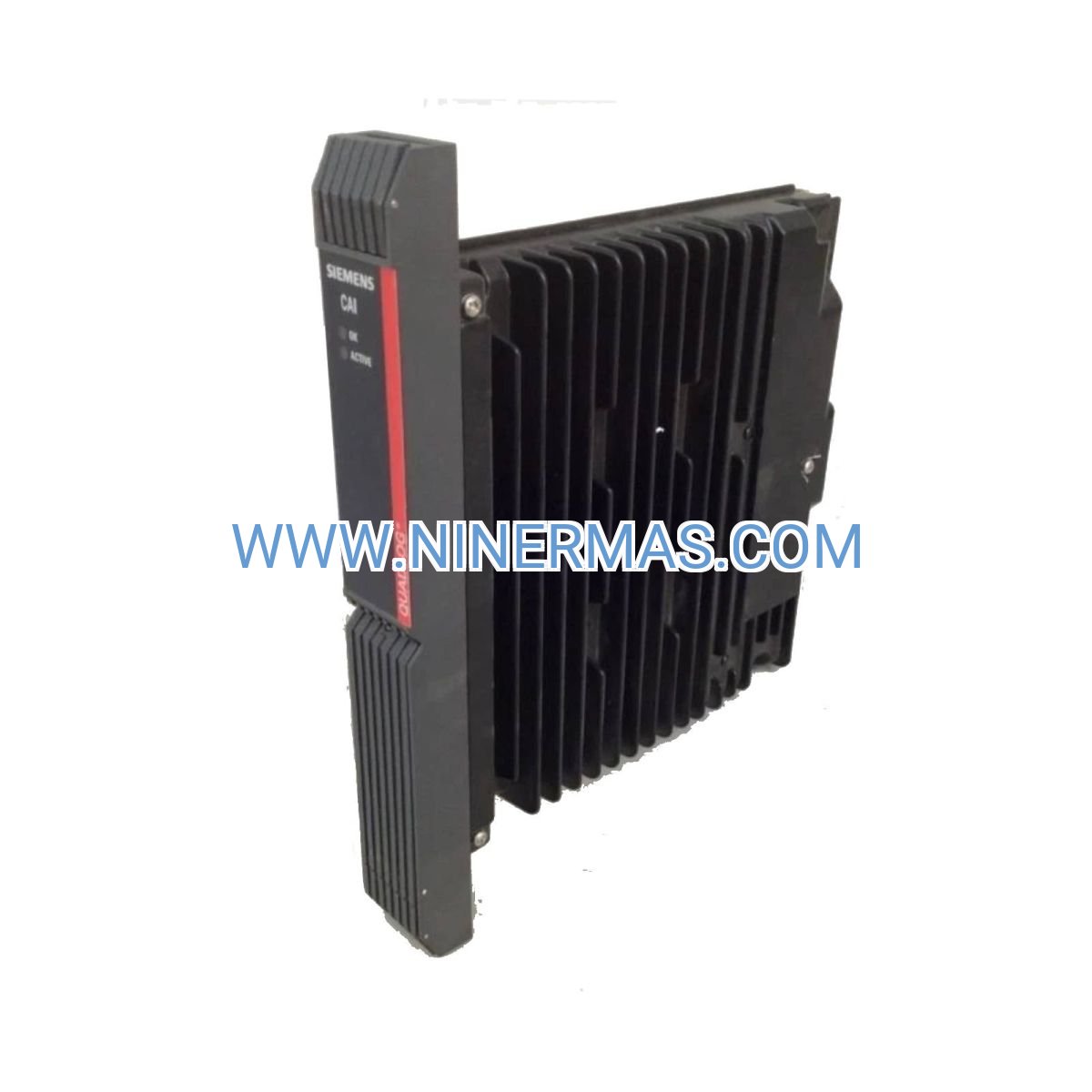
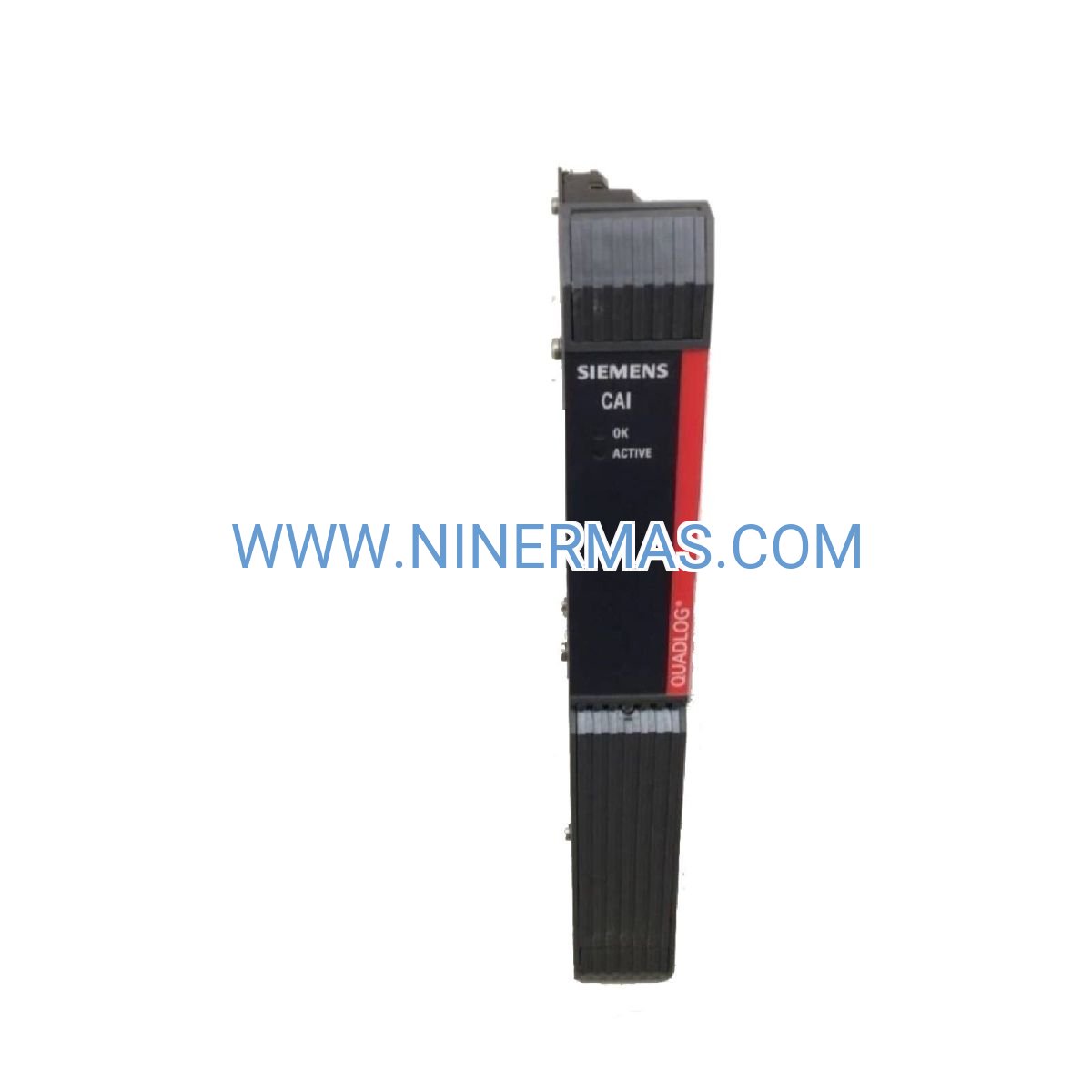
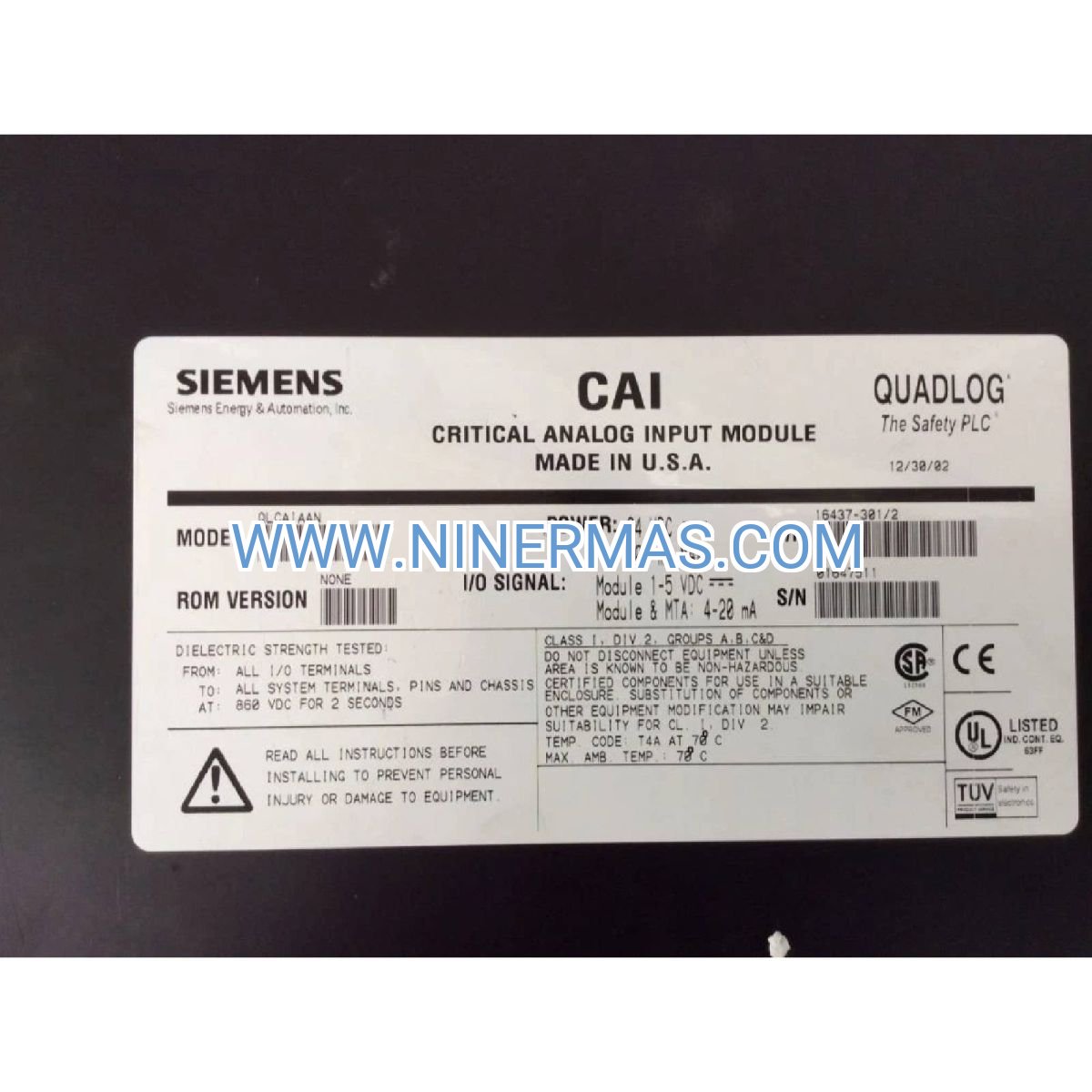
Siemens LMV52.200B2 Burner Control System | Industrial Combustion Safety Module
Description
Siemens LMV52.200B2 Burner Control System (Industrial Combustion Safety & Efficiency Solution)
The Siemens LMV52.200B2 is an advanced burner management system designed for industrial combustion applications, delivering precise flame monitoring, modulating control, and comprehensive safety protection through integrated PLC logic and multi-sensor verification. This system ensures reliable ignition sequencing, real-time combustion optimization, and automatic fault detection for continuous process heating operations.
Ideal for boiler rooms, industrial furnaces, process heaters, thermal oxidizers, and district heating plants, this control module addresses critical challenges including unstable flame conditions, fuel waste from inefficient combustion, manual supervision requirements, and delayed fault response. It provides automated safety interlocks that prevent dangerous operating conditions while maintaining optimal fuel-air ratios.
Through standardized configuration and customizable parameter settings, the LMV52.200B2 offers energy-efficient operation, proven reliability in harsh environments, simplified maintenance procedures, and broad compatibility with various burner types. It serves design engineers, mechanical contractors, equipment integrators, and facility maintenance teams across energy, manufacturing, and commercial building sectors. Contact our application engineers for system configuration assistance and technical quotations.
Core Functions & Advantages
Intelligent Flame Supervision
Utilizes UV or ionization flame detection with continuous monitoring algorithms to verify stable combustion, preventing unsafe fuel release and minimizing nuisance shutdowns. The system distinguishes between actual flame signals and background radiation interference.
Proven Energy Savings
Compared to on-off burner control, modulating operation can reduce fuel consumption by 15-25% through precise load matching and optimized combustion efficiency, lowering operational costs in continuous-duty applications.
Multi-Stage & Modulating Control
Supports single-stage, two-stage, or fully modulating burner configurations with smooth firing rate transitions, extending equipment service life and reducing thermal stress on heat exchangers and refractory materials.
Comprehensive Safety Protection
Incorporates pre-purge verification, ignition trial supervision, flame failure lockout, high/low gas pressure monitoring, and air proving switch interlocks. These features comply with industrial safety standards and reduce downtime from preventable faults.
User-Friendly Interface
Features LED status indicators and optional LCD display with multi-language support (English/German/French), providing clear operational status, fault diagnostics with error codes, and simplified commissioning procedures for technicians.
Typical Application Scenarios
This burner control system is engineered for applications demanding high combustion reliability, fuel efficiency, and safety compliance, particularly in:
Industrial Boiler Systems
Manages steam and hot water boilers in manufacturing facilities, ensuring consistent pressure control and rapid load response while meeting emissions regulations and insurance requirements for supervised combustion.
Process Heating Equipment
Controls direct-fired heaters, thermal fluid systems, and oven burners in chemical processing, food production, and textile industries where precise temperature maintenance and fuel economy directly impact product quality and production costs.
Commercial & Institutional Facilities
Operates heating plants in hospitals, universities, and large commercial buildings, providing reliable space heating and domestic hot water with reduced operator intervention and enhanced system diagnostics.
Waste Heat & Thermal Oxidation
Regulates auxiliary burners in waste-to-energy systems and VOC abatement equipment, maintaining required destruction temperatures while optimizing supplemental fuel usage during variable waste stream conditions.
Technical Parameters & Selection Guide
To facilitate engineering design and equipment selection, we provide standard electrical and functional specifications. Custom configurations are available based on specific project requirements.
Key Specifications:
- Power Supply: 230V AC ±10%, 50/60 Hz (alternative voltages available)
- Control Outputs: Relay contacts for gas valves, ignition transformer, modulating motor
- Flame Detection: UV sensor or ionization probe input (sensor sold separately)
- Operating Temperature: -20°C to +60°C ambient
- Protection Rating: IP40 enclosure (suitable for indoor installation)
- Control Method: Analog modulating (0-10V / 4-20mA) or two-stage switching
- Compliance: CE marked, conforms to EN 298, EN 50156 burner control standards
- Mounting: DIN rail or panel mount configuration
Selection Considerations:
When specifying this control system, evaluate: burner firing rate range (minimum/maximum capacity), fuel type (natural gas, propane, light oil, dual-fuel), required control precision (on-off vs. modulating), available electrical supply, existing safety interlock requirements, and control panel space constraints. For application-specific recommendations, provide your combustion equipment specifications and our engineers will suggest the optimal configuration and compatible accessories.
Extended Functionality
Remote Monitoring Integration
Optional communication modules enable connection to building automation systems (BACnet, Modbus protocols) for centralized monitoring, alarm notification, and operational data logging to support predictive maintenance programs.
Multi-Burner Coordination
In installations with multiple burners, the LMV52 series can be integrated with sequencing controllers to manage lead-lag operation, load distribution, and automatic burner rotation for balanced runtime across equipment.
Delivery, Service & Quality Assurance
Standard catalog items typically ship within 3-5 business days; custom-configured systems require 10-15 business days for assembly and testing. All units include a 12-month manufacturer warranty covering defects in materials and workmanship. Technical support is available for installation guidance, parameter setup, and troubleshooting assistance (remote support standard; on-site commissioning available in select regions subject to service agreements).
Each control module ships with complete documentation including wiring diagrams, terminal connection schedules, parameter setting tables, and operational manuals in English. Replacement parts and flame sensors are stocked for ongoing maintenance support.
Frequently Asked Questions (FAQ)
Q: How does the Siemens LMV52.200B2 burner control system integrate with existing combustion equipment?
A: The system connects via standard relay outputs to gas valves and ignition components, with analog or digital inputs from flame sensors and safety interlocks. Compatibility depends on burner voltage ratings (typically 230V systems) and control signal types. Provide your burner model and electrical specifications for integration verification.
Q: What is the maximum burner capacity this control module can manage?
A: The LMV52.200B2 is suitable for burners up to approximately 1,200 kW (4 million BTU/hr) thermal input, depending on valve sizing and modulating actuator specifications. Larger systems may require parallel valve arrangements or upgraded control platforms.
Q: What level of fuel savings can be expected with modulating control?
A: Typical energy savings range from 15-25% compared to on-off operation in applications with variable load profiles. Actual savings depend on load cycling frequency, burner turndown ratio, and baseline efficiency. Systems with frequent start-stop cycles or wide load swings see the greatest benefit.
Q: What are the installation environment requirements and protection rating?
A: The control module is rated IP40 for indoor installation in clean, dry environments with ambient temperatures between -20°C and +60°C. Avoid direct exposure to moisture, corrosive gases, or excessive vibration. Panel mounting in a NEMA-rated enclosure is recommended for industrial settings.
Q: Can this system support remote monitoring and data collection?
A: Yes, with optional communication modules (LMV5 series accessories), the system supports Modbus RTU/TCP and other industrial protocols for integration with SCADA systems, building management platforms, or cloud-based monitoring services for alarm notification and performance trending.
Q: Is this control system compatible with dual-fuel burner applications?
A: Yes, the LMV52 platform can be configured for dual-fuel operation (gas/oil) with appropriate valve sequencing and flame detection settings. Fuel changeover can be manual or automatic based on external control signals or fuel availability interlocks.
Request Technical Support & Quotation
For detailed system configuration recommendations, pricing, or application engineering assistance, please provide the following project information: facility type and location, burner thermal capacity and fuel type, required control mode (on-off / two-stage / modulating), electrical supply specifications, existing safety interlock requirements, and any special environmental or regulatory considerations. Our combustion control specialists will provide personalized selection guidance and commercial proposals within one business day.
© 2026 NINERMAS COMPANY LIMITED. All rights reserved. Original Source: https://ninermas.com Contact: sale@ninermas.com | +0086 187 5021 5667
Related products

Contact Info
-
Address:22 / F, South Wo Hang building, 148 Wing Lok Street, Sheung Wan, Western District, Hong Kong
-
Phone:+8618750215667
-
Email:
