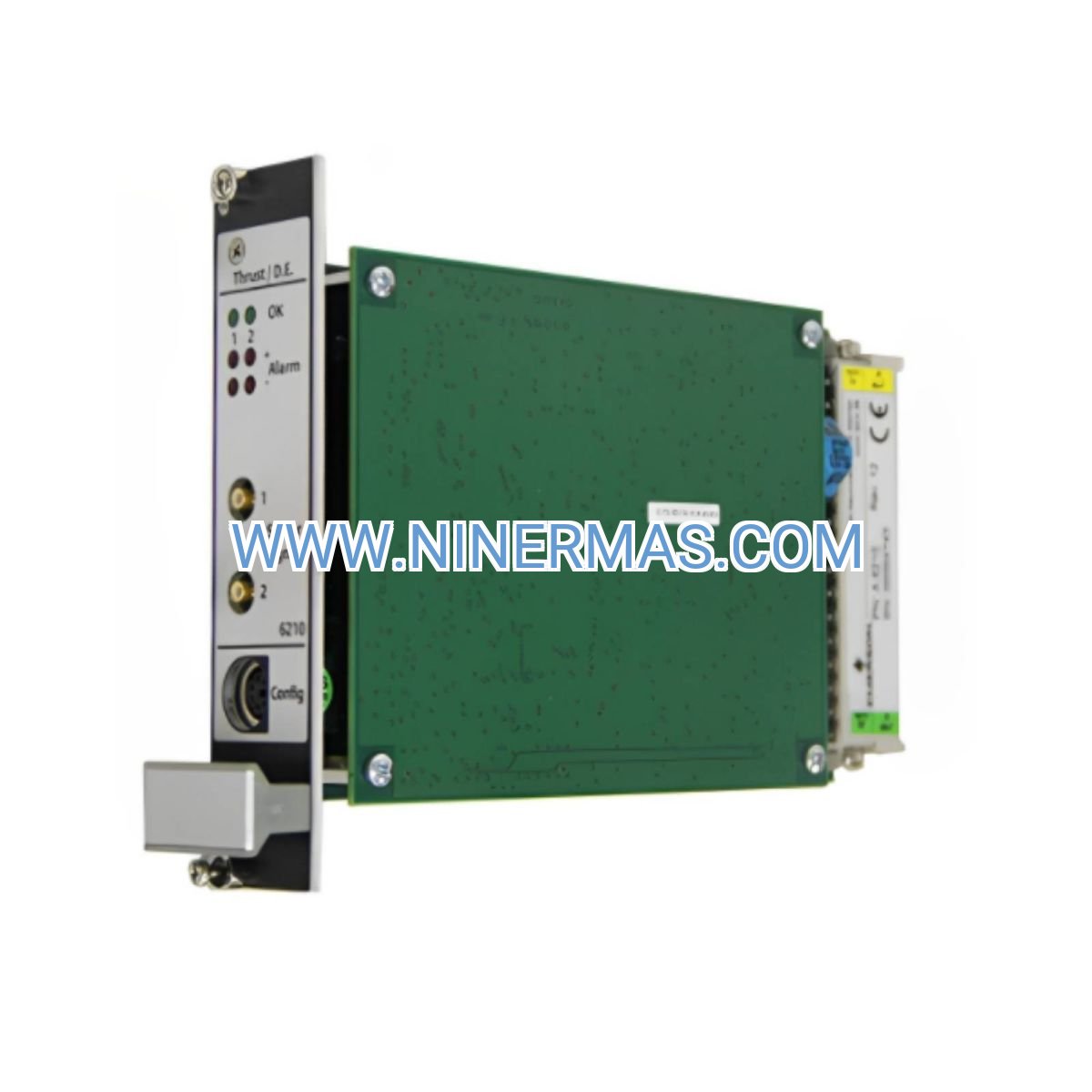
Description
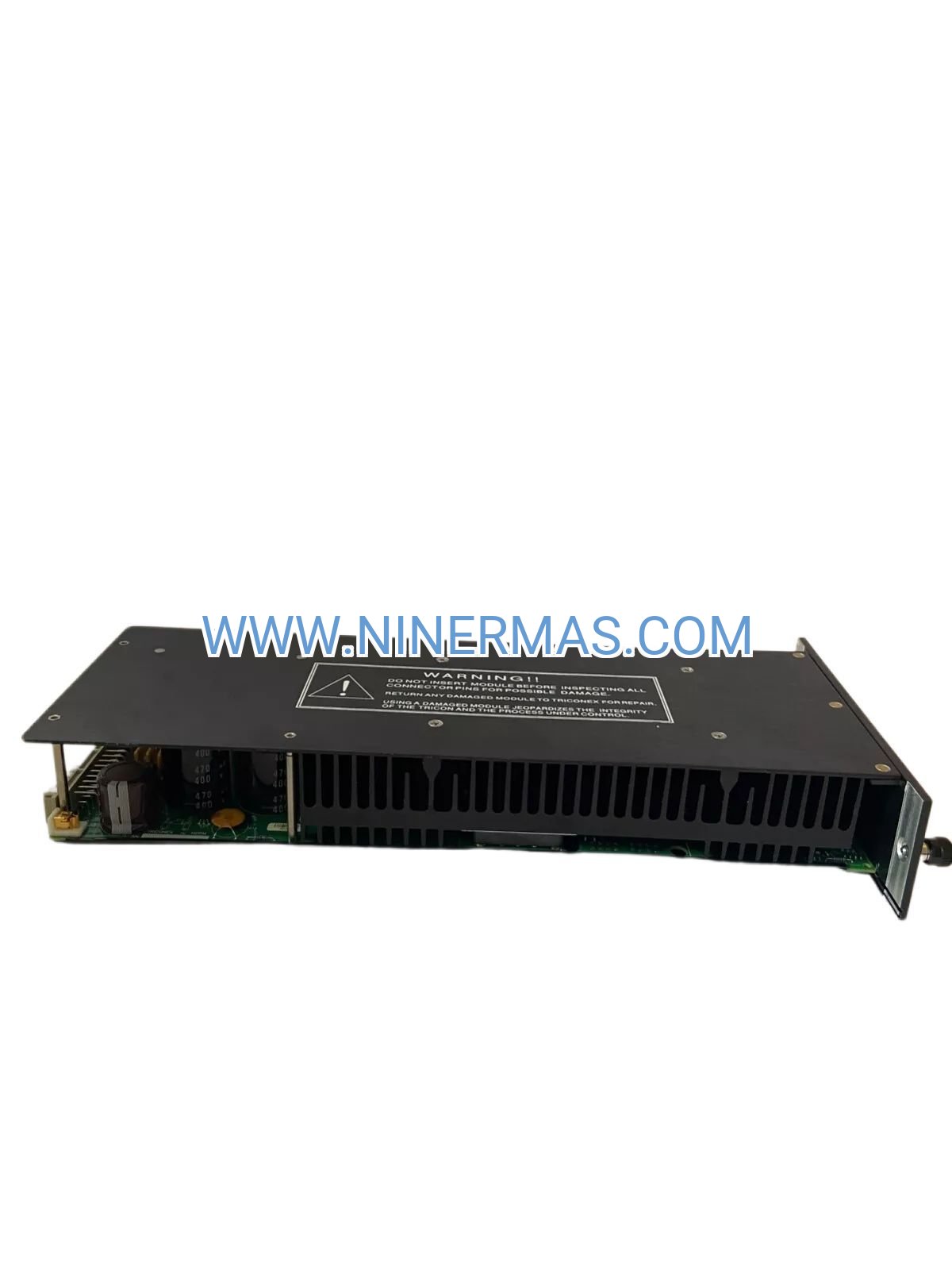
SE4053S2B11 Safety CPU Module (Industrial-Grade Process Control)
The SE4053S2B11 delivers fail-safe process control for high-consequence industrial environments. Engineered as a dual-redundant safety CPU for HIMA's HIMax and HIMatrix platforms, this controller achieves SIL 3 and PL e certification through continuous cross-checking architecture and comprehensive diagnostic coverage exceeding 99%. When critical processes demand zero-compromise safety integrity, the SE4053S2B11 provides the processing foundation for emergency shutdown systems, burner management, and toxic release prevention across oil & gas, chemical, power generation, and heavy manufacturing sectors.
Built for 24/7 operation in extreme conditions (-40°C to +70°C), this safety CPU integrates seamlessly with distributed control systems via PROFIBUS, Modbus, and Ethernet/IP protocols. Hot-swappable design enables maintenance without process interruption, while IEC 61131-3 programming compatibility ensures engineering teams can deploy proven safety logic using familiar development tools.
Core Capabilities & Technical Advantages
→ Dual-Channel Redundant Processing: Two independent CPUs execute identical safety logic simultaneously, comparing results every scan cycle. Automatic fault detection triggers safe-state transition within milliseconds, eliminating single points of failure in critical control loops.
→ Hot-Swap Serviceability: Replace CPU modules during live operation without halting protected processes. Automatic configuration synchronization maintains safety function continuity, reducing planned maintenance windows by up to 75%.
→ Multi-Protocol Industrial Connectivity: Native support for PROFIBUS DP, Modbus RTU/TCP, and Ethernet/IP enables integration with legacy DCS infrastructure and modern SCADA platforms without protocol gateways or converters.
✓ Advanced Self-Diagnostics: Continuous monitoring of power supply integrity, memory checksums, I/O communication health, and processor synchronization. Timestamped fault logs with 10,000+ event capacity support root cause analysis and regulatory compliance documentation.
✓ Scalable I/O Architecture: Control up to 512 safety I/O points per CPU through distributed module expansion. Add digital inputs, analog sensors, relay outputs, and communication interfaces without CPU replacement or system reconfiguration.
✓ Cybersecurity Hardening: Role-based access control, encrypted communication channels, and audit trail logging protect safety systems from unauthorized modification and cyber intrusion attempts.
Industrial Application Scenarios
Petrochemical Emergency Shutdown (ESD): Monitors process variables across distillation columns, reactors, and storage tanks. Upon detecting high pressure, temperature deviation, or toxic gas release, the SE4053S2B11 executes coordinated valve closures and equipment isolation within 100ms response time, preventing catastrophic failures in refineries and chemical plants.
Power Plant Turbine Protection: Safeguards steam and gas turbines against overspeed, vibration, and lubrication failures. Processes vibration sensor data, bearing temperature, and shaft speed to trigger emergency stops before mechanical damage occurs, protecting assets valued at $50M+ per turbine.
Burner Management Systems (BMS): Controls ignition sequences, flame monitoring, and fuel valve interlocks for industrial boilers and furnaces. Prevents explosive atmospheres by enforcing purge cycles, verifying pilot flames, and shutting fuel supplies upon flame loss detection.
Machine Safety Integration: Coordinates safety PLCs, light curtains, emergency stops, and guard interlocks in automated manufacturing cells. Enables safe human-robot collaboration while maintaining production throughput in automotive assembly and material handling operations.
Railway Signaling & Interlocking: Manages track switches, signal aspects, and level crossing barriers with fail-safe logic proven in transportation infrastructure. Processes train detection inputs and enforces route locking to prevent conflicting movements.
Technical Specifications & Selection Criteria
| Model Designation | SE4053S2B11 |
| Safety Certification | SIL 3 (IEC 61508), PL e (ISO 13849-1), TÜV approved |
| Platform Compatibility | HIMax, HIMatrix safety systems |
| CPU Architecture | Dual-channel 1oo2D (one-out-of-two with diagnostics) |
| Diagnostic Coverage (DC) | >99% fault detection |
| Scan Cycle Time | 10-100ms (configurable, application-dependent) |
| Operating Temperature | -40°C to +70°C (-40°F to +158°F) |
| Storage Temperature | -40°C to +85°C |
| Humidity Tolerance | 5% to 95% RH (non-condensing) |
| Power Supply | 24 VDC nominal (18-32 VDC range) |
| Power Consumption | Typically <15W per module |
| Communication Interfaces | PROFIBUS DP, Modbus RTU/TCP, Ethernet/IP |
| Programming Languages | IEC 61131-3 (LD, FBD, ST, IL, SFC) |
| Memory Capacity | Program: 2MB, Data: 4MB |
| MTBF (Mean Time Between Failures) | >100 years (calculated per IEC 61508) |
| Dimensions (H×W×D) | 280mm × 50mm × 210mm |
| Weight | Approximately 1.0 kg |
| Mounting | DIN rail (35mm standard) |
Selection Guidance: Choose the SE4053S2B11 when your application requires SIL 3 certification, redundant processing, or integration with existing HIMA safety infrastructure. For smaller systems with SIL 2 requirements, consider the F60 CPU01 alternative. Verify I/O point count requirements before specifying—systems exceeding 512 safety points may require multiple CPU configurations or HIMatrix distributed architecture.
Extended Functionality & Integration Options
Industrial IoT Connectivity: Optional communication modules enable OPC UA server functionality, allowing safety system data to flow into cloud-based analytics platforms and predictive maintenance applications while maintaining strict cybersecurity boundaries between safety and enterprise networks.
Advanced Diagnostics Suite: Integrated web server provides real-time system health dashboards, I/O status visualization, and historical trend analysis accessible through standard browsers. Export diagnostic data in CSV format for integration with CMMS and asset management systems.
Custom Safety Function Libraries: Pre-validated function blocks for common safety applications (emergency stops, two-hand control, muting sequences, speed monitoring) accelerate engineering and reduce validation effort by up to 60% compared to custom logic development.
Simulation & Testing Tools: Hardware-in-the-loop (HIL) simulation capabilities allow complete safety logic validation before commissioning. Virtual I/O simulation reduces on-site testing time and enables factory acceptance testing (FAT) without physical process equipment.
Delivery Timeline & Service Commitment
Standard Lead Time: 3-5 business days for in-stock units; expedited same-day shipping available for critical replacements
Custom Configuration: 10-15 business days for pre-programmed modules with customer-specific safety logic and I/O mapping
Warranty Coverage: 12-month comprehensive warranty covering manufacturing defects, component failures, and workmanship issues. Extended warranty programs available for mission-critical installations.
Technical Support: Lifetime access to application engineering team for configuration assistance, troubleshooting, and safety logic review. Average response time <4 hours for critical support requests.
Documentation Package: Complete technical manual, safety certification documents, IEC 61508 compliance reports, CAD drawings, and sample application programs included with every shipment.
Frequently Asked Questions
How does SIL 3 certification impact system design requirements?
SIL 3 certification mandates architectural constraints including redundancy, diagnostic coverage >90%, and proof test intervals. The SE4053S2B11's dual-channel design satisfies these requirements out-of-the-box, but complete SIL 3 system certification also depends on I/O module selection, sensor quality, and safety logic validation.
Can this CPU module interface with third-party safety I/O systems?
While optimized for HIMA I/O modules, the SE4053S2B11 supports integration with certified third-party safety I/O via PROFIBUS DP and Modbus protocols. However, achieving SIL 3 system certification with mixed vendors requires additional validation documentation and may extend commissioning timelines.
What programming software is required for configuration?
HIMA's SILworX engineering suite (version 5.0 or later) provides the complete development environment. The software includes IEC 61131-3 editors, safety function block libraries, simulation tools, and automatic documentation generation. Licensing options include perpetual and subscription models.
How is firmware updated without compromising safety integrity?
Firmware updates follow a controlled process using digitally signed packages verified by the CPU before installation. The redundant architecture allows one processor to maintain safety functions while the other updates, ensuring continuous protection. All updates are logged for audit trail compliance.
What is the recommended proof test interval for this module?
Based on calculated PFD (Probability of Failure on Demand) values, typical proof test intervals range from 1-3 years depending on application risk assessment. The SE4053S2B11's extensive self-diagnostics reduce required manual testing compared to non-diagnostic safety systems.
Does the module support remote monitoring and diagnostics?
Yes, through secure Ethernet connectivity and optional VPN integration. Remote access follows IEC 62443 cybersecurity standards with multi-factor authentication, encrypted sessions, and configurable access permissions to prevent unauthorized safety system modifications.
Take the Next Step in Process Safety
Protect your critical processes with proven safety technology trusted in thousands of installations worldwide. Our application engineers are ready to review your safety requirements, recommend optimal system architecture, and provide detailed quotations within 24 hours.
Contact our safety systems specialists:
? Email: sale@ninermas.com
? Phone: +0086 187 5021 5667
? Technical Resources: https://ninermas.com
© 2026 NINERMAS COMPANY LIMITED. All rights reserved.
Original Source: https://ninermas.com
Contact: sale@ninermas.com | +0086 187 5021 5667
Related products

Contact Info
-
Address:22 / F, South Wo Hang building, 148 Wing Lok Street, Sheung Wan, Western District, Hong Kong
-
Phone:+8618750215667
-
Email: