Original Industrial Spare Part
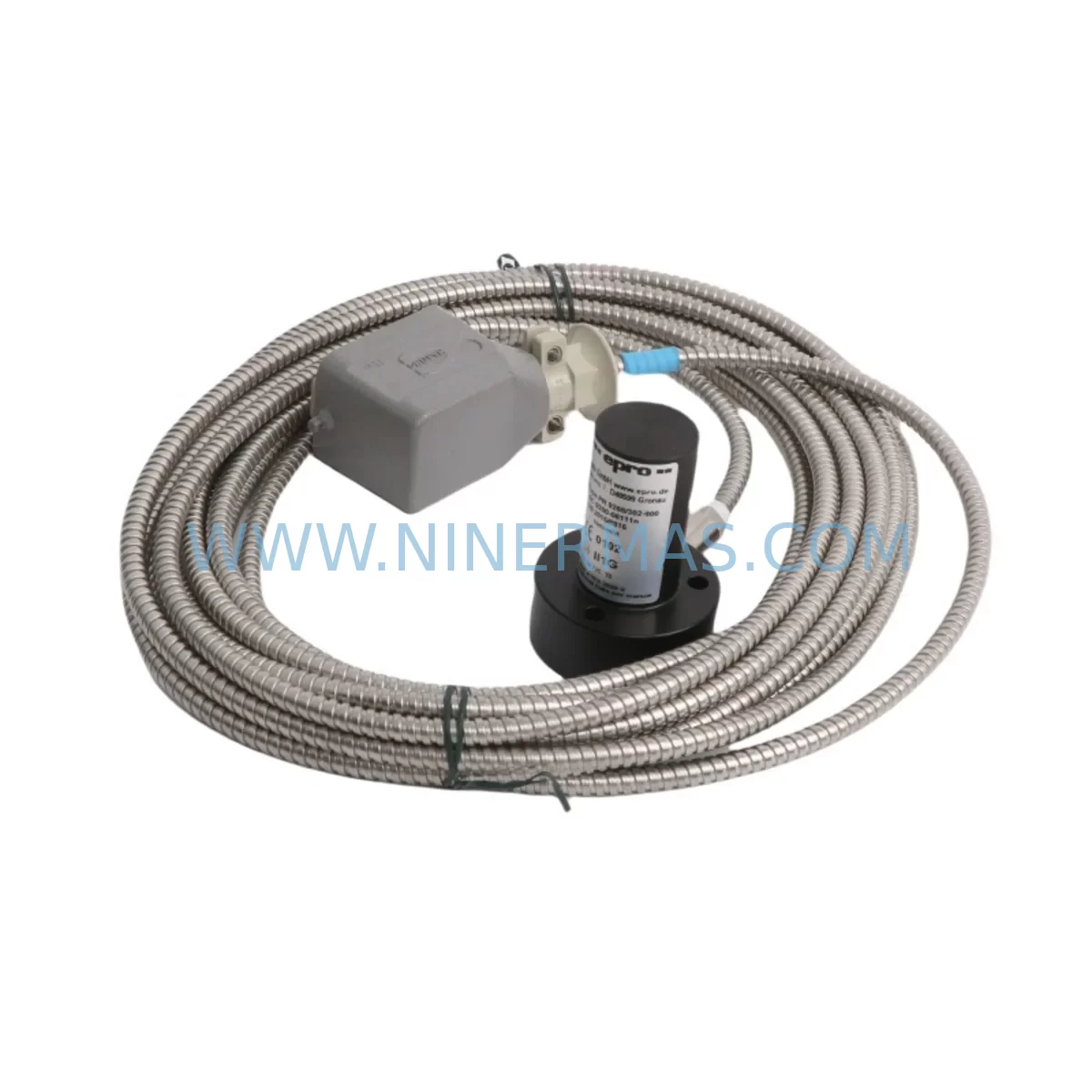
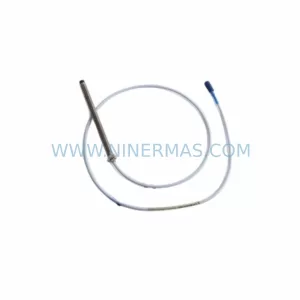
Epro PR9268/300-000 Service-Ready Spare Part for Industrial Maintenance
Verify the part, confirm the platform family, and move straight into quotation with the right commercial details.
RFQ Ready
- SKUPR9268/300-000
- CategoryTSI & Rotating Machinery Monitoring
- BrandEPRO
- SupportAvailability, lead time, condition, and shipping coordination
How Buyers Usually Use This Page
- Confirm the exact part number and platform family before sending the quote request.
- Use direct email when quantity, condition, and destination are already defined internally.
- Switch to the broader brand or category archive when you need alternates nearby.
Series Navigation
Move through the most common platform families behind this part.
Product RFQ
Send this part directly for quotation.
Include quantity, required condition, destination country, and target delivery timing. Current reference: Epro PR9268/300-000 Service-Ready Spare Part for Industrial Maintenance with SKU PR9268/300-000.
Epro PR9268/300-000 Service-Ready Spare Part for Industrial Maintenance
The Epro PR9268/300-000 is a ruggedized electrodynamic sensor module engineered for continuous vibration monitoring in demanding industrial environments. As a critical spare part in rotating machinery protection systems — including turbines, compressors, pumps, and large motors — this sensor module plays a central role in preventing unplanned downtime and enabling rapid fault isolation. Whether you are a maintenance engineer managing a scheduled annual overhaul or a procurement engineer building a strategic spare parts inventory, the PR9268/300-000 represents a high-priority line item that should never be left unreplenished.
Electrodynamic sensors of this class are deployed across oil & gas, power generation, petrochemical, and heavy manufacturing facilities where continuous shaft vibration and bearing condition data are essential to safe operation. The PR9268/300-000 is designed to interface directly with Epro’s MMS 6000 and compatible machinery monitoring systems, delivering reliable velocity or displacement signals to protection relays, DCS input cards, and control room HMI displays. Its ruggedized housing ensures stable performance in high-temperature, high-vibration, and chemically aggressive installation zones.
Spare Maintenance Table
| Parameter | Specification / Recommendation |
|---|---|
| Part Number | PR9268/300-000 |
| Brand / Manufacturer | Epro (Baker Hughes / GE Bently Nevada ecosystem compatible) |
| Series | PR9268 Electrodynamic Sensor Series |
| Sensor Type | Ruggedized Electrodynamic Velocity Sensor |
| Measurement Parameter | Shaft / Casing Vibration Velocity (mm/s or in/s) |
| Frequency Range | Typically 2 Hz – 1000 Hz (series-dependent) |
| Output Signal | Analog voltage proportional to vibration velocity |
| Operating Temperature | -40°C to +120°C (ruggedized variant) |
| Protection Rating | IP67 / Explosion-proof variants available |
| Mounting | Threaded stud or flange mount; confirm with OEM drawing |
| Connector Type | MIL-spec or M12 industrial connector (verify cable assembly) |
| Compatibility | Epro MMS 6000 Series, PR6000 Series monitors; DCS analog input cards |
| Application Environment | Turbines, compressors, pumps, motors, gearboxes |
| Maintenance Interval | Inspect every 12 months; replace on signal drift or housing damage |
| Warranty | 12 Months from date of shipment |
| Shipping & Testing | Function-tested before dispatch; ships with inspection report |
Maintenance Planning for Continuous Operation
When a PR9268/300-000 sensor reaches end-of-life or fails during a routine inspection, the replacement workflow extends well beyond swapping the sensor itself. Experienced maintenance engineers know that a sensor failure is often a symptom of broader issues in the measurement chain or the protection system cabinet. Before returning the machine to service, a thorough inspection of the surrounding components is essential.
Start with the sensor extension cable and armored signal cable running from the sensor to the junction box. Electrodynamic sensor cables are subject to mechanical fatigue, especially in high-vibration zones near bearing housings. Inspect for chafing, connector corrosion, and shield continuity. A damaged cable will introduce noise into the vibration signal and trigger false alarms or mask real faults.
Next, verify the Epro MMS 6000 series monitor card — such as the MMS 6110 or MMS 6120 velocity input module — that receives the PR9268/300-000 signal. Check the input channel calibration, alarm setpoints, and OK relay status. If the monitor card has been in service for more than five years, consider scheduling a bench calibration or stocking a replacement card as a parallel spare.
The PR9268/300-000 signal feeds into the protection relay logic, so inspect the associated relay output modules and their wiring to the machine trip circuit. Verify that the relay contacts are clean and that the trip logic has not been inadvertently bypassed during maintenance. In many facilities, relay bypass switches are left in the override position after a planned outage — a dangerous oversight that a structured replacement workflow helps prevent.
For systems integrated into a DCS or PLC platform, confirm that the analog input card receiving the vibration signal — whether a Siemens S7 AI module, an ABB 800xA I/O card, or a Honeywell C300 controller input — is reading within the expected engineering unit range after sensor replacement. A new sensor with slightly different sensitivity may require a minor scaling adjustment in the DCS configuration.
Also inspect the 24 VDC or 18–30 VDC power supply module feeding the sensor and monitor system. Electrodynamic sensors in the PR9268 series are passive devices, but the associated signal conditioning electronics in the monitor rack require stable, low-ripple DC power. A failing power supply module can cause intermittent sensor readings that are difficult to diagnose without a power quality check.
In control cabinets housing the MMS 6000 rack, check the backplane connectors and rack termination boards for oxidation or loose contacts. Vibration-intensive environments accelerate connector wear, and a poor backplane connection can cause an otherwise healthy sensor to report erratic values. While the cabinet is open, inspect terminal blocks and DIN rail-mounted signal isolators that may be conditioning the sensor output before it reaches the DCS. Signal isolators in this circuit should be tested for output accuracy and replaced if they are more than seven years old.
For facilities running older machinery protection systems, the PR9268/300-000 replacement is also an opportunity to audit the HMI trend displays showing vibration history. Confirm that the new sensor’s baseline readings are archived and that alarm thresholds are reviewed against current ISO 10816 or ISO 20816 vibration severity standards. Updating the HMI baseline after a sensor replacement is a step that is frequently overlooked but critical for meaningful trend analysis going forward.
Finally, procurement engineers should note that the PR9268/300-000 is a long-lead item in some regions. Maintaining a minimum stock of one to two units per critical machine train — alongside companion spares such as the PR9268/010-000 standard sensor variant, PR9376 proximity sensor, and MMS 6007 power supply module — is a proven strategy for reducing mean time to repair (MTTR) and avoiding costly emergency procurement at premium prices.
Site Replacement Workflow
Step 1 — Isolation and Lockout/Tagout: Before removing the PR9268/300-000, confirm that the machine is in a safe state and that the vibration monitor channel is in bypass mode to prevent a spurious trip during sensor removal. Document the bypass activation in the maintenance log.
Step 2 — Cable Disconnection and Sensor Removal: Disconnect the signal cable at the sensor connector. Note the cable routing and any tie-wrap positions for reinstallation reference. Remove the sensor from its mounting stud or flange, taking care not to damage the mounting threads. Inspect the mounting surface for corrosion or mechanical damage.
Step 3 — New Sensor Installation: Install the PR9268/300-000 replacement unit, applying appropriate thread sealant if specified by the OEM. Torque to the manufacturer’s specification. Reconnect the signal cable, ensuring the connector is fully seated and the locking ring is secure.
Step 4 — Signal Verification: With the machine at rest, verify that the monitor channel shows a valid OK status and that the static output voltage is within the sensor’s specified range. If the system includes a portable vibration analyzer, perform a quick bump test to confirm sensor response.
Step 5 — Baseline Recording and Bypass Removal: Record the new sensor’s baseline vibration reading at normal operating speed. Remove the monitor bypass, confirm that the protection relay is armed, and update the maintenance management system (CMMS) with the replacement date, sensor serial number, and baseline data. Schedule the next inspection interval — typically 12 months — in the CMMS.
This structured workflow minimizes the risk of installation errors, ensures system compatibility, and provides a documented audit trail that supports both internal maintenance standards and external regulatory compliance.
Spare Parts Support FAQ
Q1: Is the PR9268/300-000 a direct drop-in replacement for older PR9268 series variants?
The PR9268/300-000 is designed as a service-compatible replacement within the PR9268 electrodynamic sensor family. In most installations, it is a direct mechanical and electrical replacement. However, we recommend verifying the sensitivity specification (mV/mm/s or mV/in/s) against your monitor card’s input range before installation, as minor sensitivity differences between production batches may require a calibration adjustment in the monitor configuration.
Q2: What is the recommended spare parts stocking strategy for critical rotating machinery?
For machines classified as critical (no installed spare, direct production impact), we recommend stocking a minimum of two PR9268/300-000 units per site, with at least one unit held at the machine’s local maintenance store. For semi-critical machines, one unit per two to four machines is a common benchmark. All spare sensors should be stored in their original packaging in a dry, temperature-controlled environment and rotated on a first-in, first-out basis.
Q3: How is the PR9268/300-000 tested before shipment?
Every unit supplied by NINERMAS undergoes functional verification prior to dispatch, including output signal check, connector integrity test, and visual inspection of the housing and cable entry. A shipment inspection report is included with each unit. The 12-month warranty covers manufacturing defects and covers the unit from the date of shipment, providing assurance for both immediate installation and inventory stock.
Q4: Can NINERMAS support long-term supply for discontinued or hard-to-source Epro spare parts?
Yes. NINERMAS specializes in sourcing and supplying original and service-compatible spare parts for industrial automation and machinery protection systems, including Epro, Bently Nevada, and related product families. We maintain relationships with authorized distribution channels and can support blanket purchase orders, scheduled delivery programs, and emergency same-day quotation for critical spares. Contact our team to discuss long-term supply agreements tailored to your maintenance planning cycle.
| Product Series | Other series |
|---|
Catalog Continuation
More EPRO modules in the catalog.
Use the brand lane to compare nearby part numbers, platform-adjacent modules, and other inquiry-ready listings before sending your final RFQ.
SKU: PR6423/010-040-CN
EPRO PR6423/010-040-CN Retrofit Module for Legacy Systems
SKU: 6423/000-031-CN CON041
EPRO 6423/000-031-CN CON041 Retrofit Connector for Legacy Systems
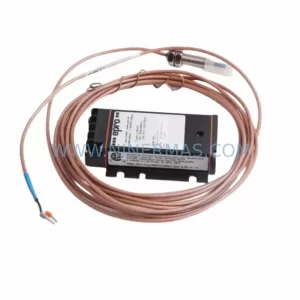
SKU: PR6423/000-040 CON021
EPRO PR6423/000-040 CON021 Retrofit-Compatible Proximitor for Legacy Systems
Catalog Continuation
Alternative parts within TSI & Rotating Machinery Monitoring.
Stay inside the same system family when you need substitutes, adjacent modules, or a broader shortlist for procurement review.
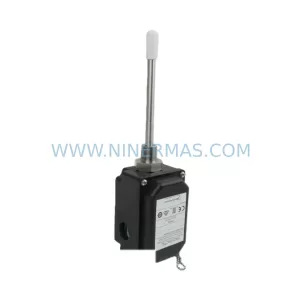
SKU: 330881-16-00-205-00-02
Bently Nevada 330881-16-00-205-00-02 Retrofit 3300 XL
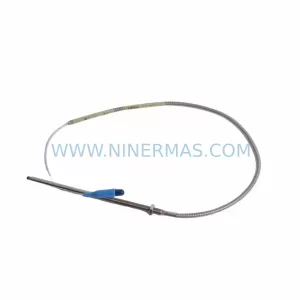
SKU: 330910-00-13-50-02-00
Bently Nevada 330910-00-13-50-02-00 Safety-Reliable Proximity Module
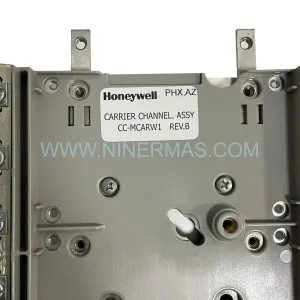
SKU: 22810-00-10-10-02
Bently Nevada 22810-00-10-10-02 Retrofit Proximity Probe