A digital plant model can connect thousands of engineering records, yet still leave a maintenance planner unable to order the correct spare. The missing element is often not another drawing. It is an accountable connection between the installed device, its complete identity, its physical location and the material record used by purchasing. That connection deserves attention before a plant makes its documentation searchable by new software.
On November 11, 2026, Octave announced its acquisition of Cerebre, describing technology that connects plant engineering information into a digital plant model. This is a useful news prompt for brownfield teams, not evidence that any particular legacy I/O module has gained new support or automatic compatibility. The practical question is simpler: can a proposed model distinguish the hardware that is actually installed from the hardware someone once intended to install?
One asset can have several legitimate identities
A process tag identifies a function. A rack and slot identify a location. A manufacturer part number identifies a hardware specification. A serial number identifies one physical item. A warehouse material number identifies what the business buys and stores. These identifiers serve different purposes, so collapsing them into a single field creates ambiguity rather than eliminating it.
Consider an analog input serving a pressure measurement. Its process tag may stay unchanged through several transmitter and I/O replacements. Meanwhile, the cabinet location can move during a shutdown, and the purchasing record may retain an older description. An asset model that links only by tag can look internally consistent while pointing the buyer to the wrong spare. Treat the relationships as evidence to be checked, not conclusions produced by a successful import.
Use a small I/O example to expose the problem
Yokogawa’s CENTUM VP technical information distinguishes AAI143 analog input modules from AAI543 analog output modules. Similar names and channel counts do not make their functions interchangeable. Complete suffix information and the applicable system documentation still govern a replacement decision.
When the installed evidence identifies an input assembly, the AAI143-S00 S1 input-module record is a specific starting point for a sourcing discussion. The record should link back to the cabinet photograph and approved I/O schedule, rather than replace those documents. Record the confidence of each connection: confirmed from nameplate, confirmed from engineering records, or still awaiting inspection.
A control output requires a separate identity trail. A reference to an AAI543-S00 S1 output module should not inherit the input module’s terminal arrangement, configured behavior or approval merely because a search engine considers their names similar. These two records illustrate identity discipline; they are not a declaration of suitability for every CENTUM installation.
Create a short, reviewable reconciliation record
Start with one equipment area that has an upcoming maintenance decision. Assign an engineering owner who can resolve discrepancies and a stores owner who can explain the material records. The objective is a usable answer for that area, not an immediate cleanup of every historical database.
- Record the functional tag and the approved drawing revision.
- Record the cabinet, rack and slot using the site’s actual location convention.
- Capture the full manufacturer identity without removing suffixes during normalization.
- Link the installed item to the purchasing material and any documented approved alternatives.
- Attach the evidence date and the person responsible for resolving uncertainty.
Preserve contradictory evidence instead of silently selecting whichever source is newest. A recent spreadsheet may have copied an old description. A cabinet photograph may show a temporary maintenance arrangement. The reconciliation record should state why a source was accepted and what operating condition it represents. That explanation helps the next engineer distinguish a deliberate exception from an unnoticed error.
Separate search convenience from purchasing authority
A searchable alias is useful. A purchasing substitution is an approval. Keep those two concepts in separate fields. Search may recognize a shortened family name, an older supplier description or a local nickname, but a purchase request should resolve to the complete approved identity before a quotation is accepted.
Apply the same separation to software-generated relationships. A model may suggest that two records describe the same assembly. Mark that suggestion as provisional until a responsible person compares the physical and engineering evidence. Do not let a high-confidence text match authorize electrical equivalence, environmental suitability or system support. Those questions require their own documents and reviewers.
For reliability teams, the useful performance measure is not the number of records imported. It is the proportion of planned work packages that can identify the correct spare without an emergency cabinet visit. Track unresolved identity conflicts and repeated quotation clarifications. Both reveal where better information can reduce avoidable delay without making unsupported claims about inventory or lead times.
Close the loop after a replacement
A good record is not finished when the purchase order is raised. After approved work, capture the installed item’s identity, disposition of the removed part and any drawing or material-record changes. An unused spare returned to stores should retain its inspection status rather than be described automatically as ready for service.
Keep the change small enough to sustain: one reviewed asset-to-material relationship, one evidence location and one responsible owner. For an AAI-family sourcing request, send NINERMAS the complete nameplate, system context and the identity discrepancy you need resolved. A focused request supports a meaningful quotation discussion; it does not replace the plant’s engineering approval.
Frequently Asked Questions
Does a digital plant model prove spare compatibility?
No. It can organize evidence and reveal inconsistencies, but compatibility remains a technical decision based on the exact hardware, system requirements and approved manufacturer documentation.
Should we remove suffixes to make searches easier?
Retain the complete original identifier. Add a separate normalized search field if useful, while preserving the authoritative value used for procurement and engineering review.
Which record wins when the drawing and nameplate disagree?
Neither should win automatically. Record both, identify the relevant installation and revision, and have the responsible engineer reconcile the discrepancy before approving the spare.
Must the whole plant database be corrected first?
No. Begin with an upcoming work package or a critical equipment group. A small set of verified relationships is more useful than a large import whose unresolved assumptions are hidden.
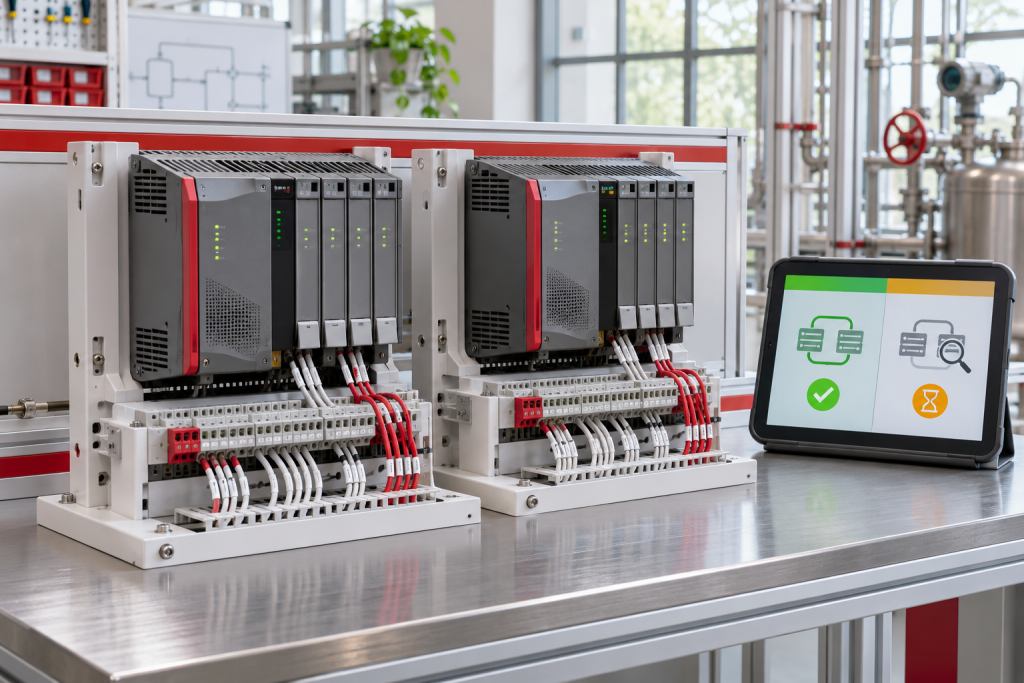
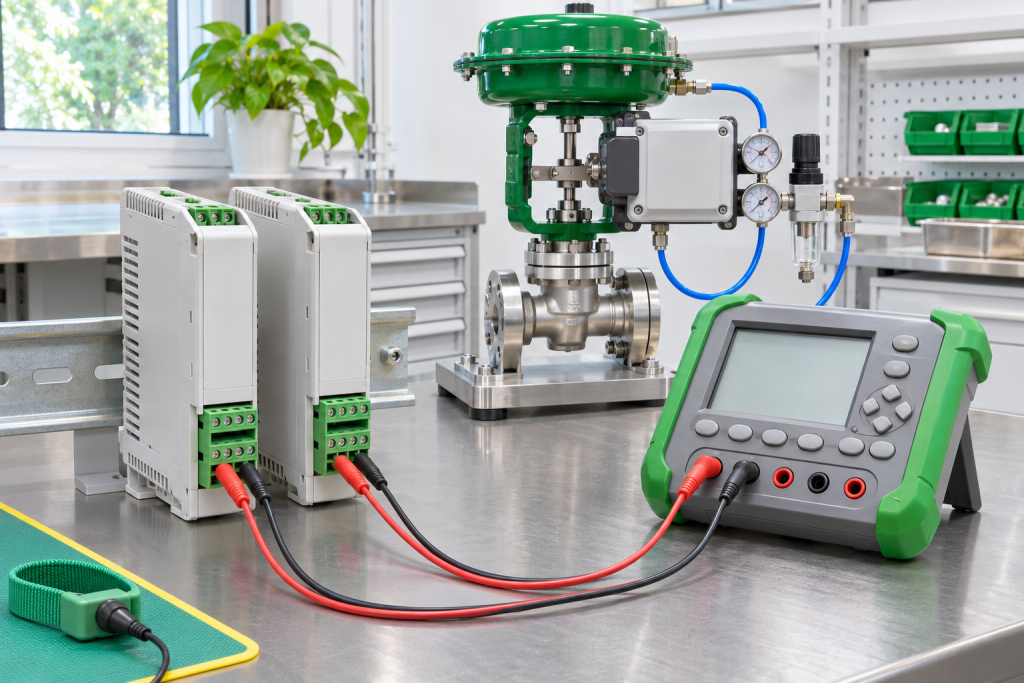
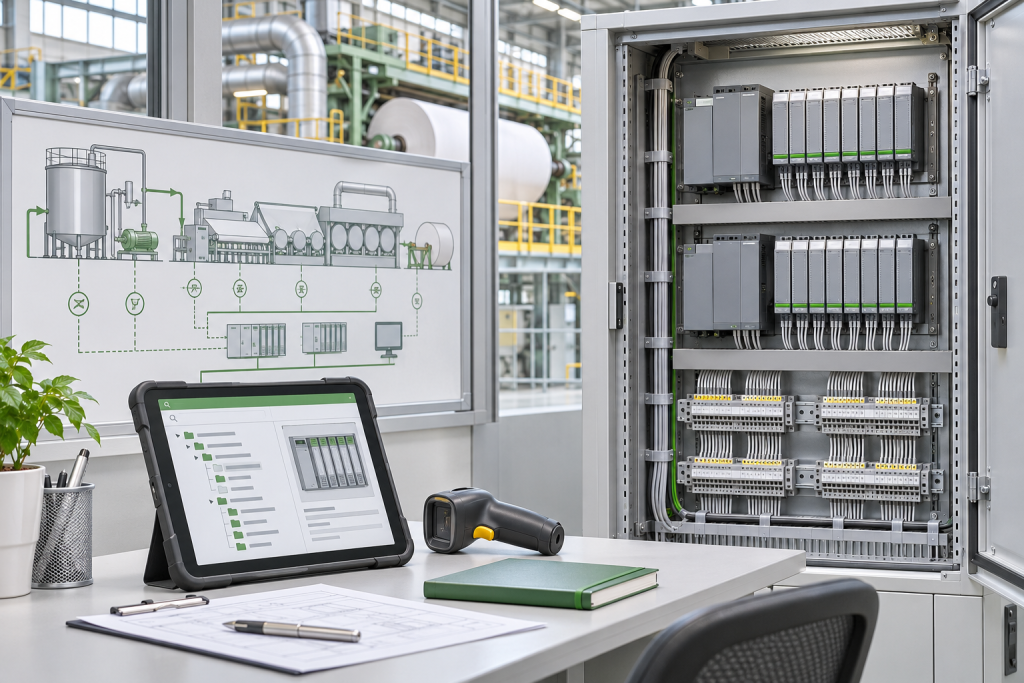
Image: AI-generated editorial illustration, not an exact product photograph or installation reference.
© 2026 NINERMAS. All rights reserved. Official Website: https://ninermas.com Inquiry: sale@ninermas.com | WhatsApp/Tel: +86 18750215667
Next Step
Move the research into a cleaner RFQ.
Send the part number, quantity, condition expectation, destination, and timing details so the sourcing team can reply with better availability and lead-time context.