
A replacement controller can pass incoming inspection while the control system still lacks a proven redundant partner. These are different acceptance questions. The first asks whether the purchased hardware is the specified item. The second asks whether the installed pair, configuration and operating conditions support the plant’s approved recovery expectations.
For a Honeywell C300 spare, keep those questions separate from the first quotation through the maintenance handover. Two controller-shaped devices in a cabinet are not sufficient evidence of a resilient control arrangement. This is an evergreen maintenance planning guide, not a new lifecycle announcement or a claim that any listed module is interchangeable.
Define what the spare must restore
Start with the maintenance objective in ordinary language. Is the task replacing a failed member of an existing pair, replenishing a warehouse spare, or reviewing an installation whose redundancy state is uncertain? Each objective needs a different scope. A warehouse purchase should not silently become a system redesign, and an unexplained pair fault should not be reduced to a purchase order.
Write down the affected controller identity, process area, approved system release and the person responsible for the configuration baseline. Identify the expected post-maintenance condition without inventing a test procedure. For example, the work package can require the responsible engineer to document that the installed pair satisfies the applicable manufacturer’s acceptance criteria.
Honeywell’s R511 C300 capacity technical information discusses C300 redundancy and identifies CC-PCNT01 and CC-PCNT02 hardware. It is release-specific evidence, not permission to apply current C300 v5 specifications to older controllers. Select the documentation that actually governs the installed system before defining acceptance.
Buy an identified module, not an assumed pair
If the installed label specifies CC-PCNT01, the CC-PCNT01 C300 controller listing is a useful starting point for a part-specific enquiry. Attach a legible label photograph and the approved material record. Ask for the offered unit’s identity and condition evidence before treating the quotation as technically complete.
Where the requirement instead names CC-PCNT02 and assembly reference 51454551-275, use the CC-PCNT02 controller reference to keep that request distinct. The existence of both listings does not establish substitution approval, firmware equivalence or suitability as partners. Those decisions remain with the plant’s system authority and the applicable Honeywell documentation.
Separate the commercial description from the engineering disposition. A supplier may confirm exactly what is offered without being able to certify the plant’s complete architecture. Record unanswered questions explicitly, with an owner and a due date. An honest unresolved field is more useful than a generic compatibility statement copied into the purchase record.
Use three acceptance boundaries
Incoming hardware acceptance concerns the delivered item: identity, visible condition, packaging, traceable test evidence and agreed documentation. Preserve serial-number photographs and the scope of any supplier test. A powered demonstration, if supplied, should state the equipment and conditions used. It should not be renamed a plant redundancy test.
Engineering readiness concerns the work package. Confirm that the approved baseline, recovery resources, installation instructions, personnel and rollback decision are available. Resolve discrepancies before the outage window. A spare waiting on a missing configuration approval is inventory, but it is not yet a ready maintenance package.
Installed-system acceptance concerns the actual application after authorized work. The responsible team must use the release-appropriate procedure and approved operating conditions to assess pair health, relevant diagnostics and required recovery behavior. This article does not prescribe a switchover, removal or power interruption on a running process. Such actions belong in a reviewed plant procedure.
Make the evidence useful to the next shift
Keep the before-and-after records together. Include time, operator, system identity, observed state and the document revision used for assessment. Screenshots without a controller identity or timestamp can be difficult to reconcile later. Likewise, a green indication without an explanation of what it represents is weak evidence for a purchasing or reliability review.
Document exceptions separately from successful checks. If hardware identification passed but installed acceptance was postponed, say so. If another fault prevented assessment, retain that distinction rather than assigning the entire outcome to the replacement controller. This protects both the maintenance history and the supplier evaluation from unsupported conclusions.
The final handover should name the accepted state, remaining restrictions and the person releasing the system for normal operation. Stores should receive a corresponding disposition for the removed unit: investigation, repair assessment or quarantine under the site’s existing process. Do not return an unexplained suspect unit to the available-spares shelf simply because the process resumed.
Frequently asked questions
Does a tested C300 spare prove that redundancy will work?
No. A test can support the claims within its recorded scope. It cannot establish the condition of another controller, the plant configuration or the installed system. Require separate evidence for the hardware and for the application-level acceptance required by the plant.
Can CC-PCNT01 and CC-PCNT02 be treated as interchangeable?
Not from a shared family name or product listing. Preserve the complete installed identity and ask the system authority to check the applicable release and hardware requirements. Keep any proposed substitution on hold until there is documented approval for that specific application.
Should maintenance force a changeover just to check a delivery?
No generic delivery check justifies disturbing a live process. Any operational test must have an approved procedure, suitable process conditions and the required authorization. Incoming inspection and offline evidence can be completed without pretending that they constitute a live-system validation.
What should be included in a sourcing request?
Provide the full part and assembly numbers, label images, required condition, documentation expectations and delivery constraints. Identify any release-related questions for engineering review. Ask the supplier to describe the offered unit and test scope precisely, rather than requesting an unsupported blanket guarantee.
Prepare the request before the outage
Send NINERMAS the controller identity and the evidence your maintenance team requires. Keep the quotation tied to that defined hardware requirement, while your system engineer owns redundancy approval. A clear division of responsibility makes the spare easier to purchase, inspect and deploy without overstating what has actually been proven.
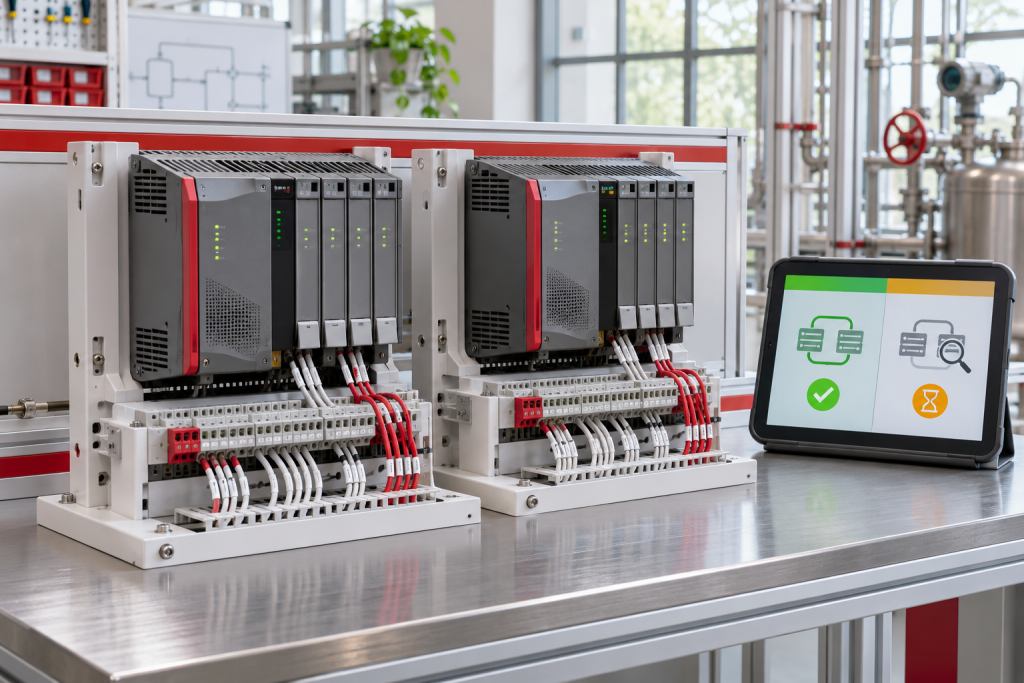
Image: AI-generated editorial illustration, not an exact product photograph or installation reference.
© 2026 NINERMAS. All rights reserved. Official Website: https://ninermas.com Inquiry: sale@ninermas.com | WhatsApp/Tel: +86 18750215667
Next Step
Move the research into a cleaner RFQ.
Send the part number, quantity, condition expectation, destination, and timing details so the sourcing team can reply with better availability and lead-time context.