CISA published advisory ICSA-26-183-01 for ST Engineering iDirect iQ-Series Terminals on July 2, 2026. For many plants, satellite equipment may feel far away from the DCS or PLC rack. In practice, remote communications can be the only path into a pipeline station, offshore asset, mining site, utility yard, water facility, or temporary production location. When that path becomes a security or availability concern, the plant needs more than a modem replacement.
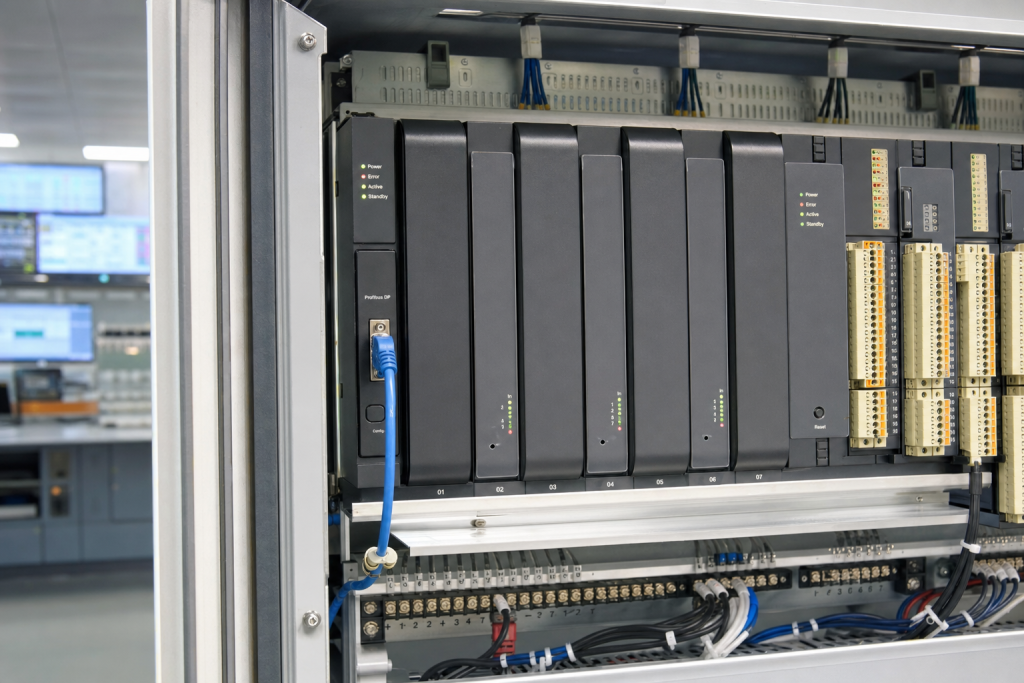
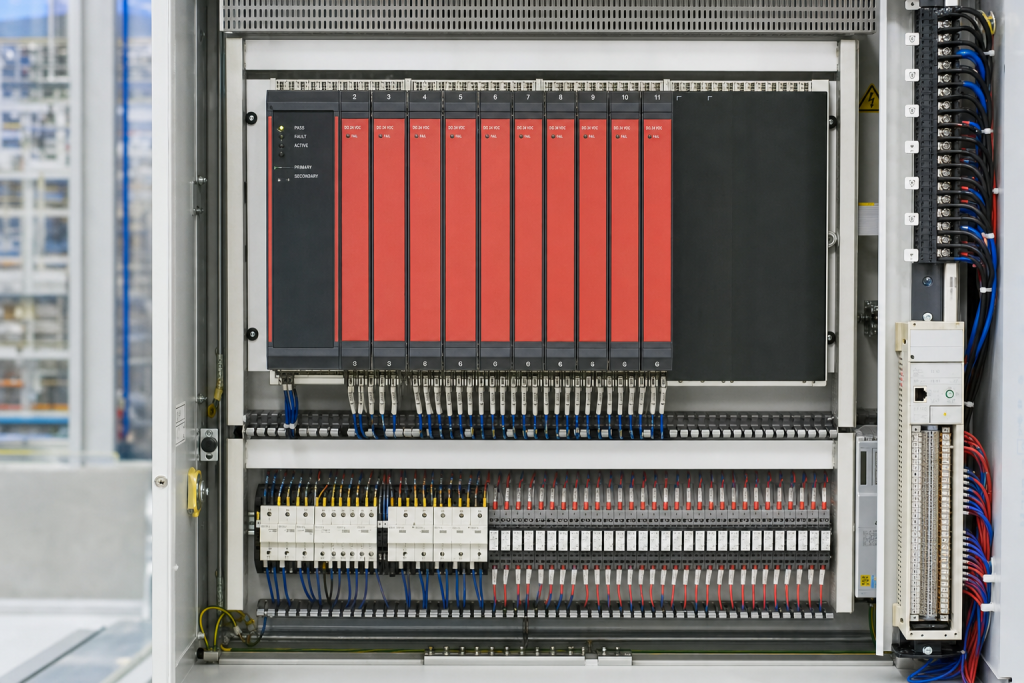
NINERMAS readers usually think in terms of control hardware, but the recovery chain now includes routers, satellite terminals, antennas, power supplies, cables, SIM or service records, firewall rules, and configuration backups. A controller can be healthy while the site is operationally blind. The advisory is a useful reminder that OT spare planning must include the communication edge, not only the main automation platform.
Remote communication is part of the control system
The first question is role. Which sites depend on satellite terminals for telemetry, engineering access, alarm forwarding, historian data, or dispatch decisions? Which assets can run locally without remote visibility, and for how long? The answer should be recorded with the same seriousness as a PLC criticality ranking.
A practical record includes terminal model, antenna or modem details, firmware if known, power input, cable type, network zone, configuration owner, service provider contact, backup location, and the site recovery target. This belongs beside broader platform and system guides, because communications equipment decides whether the platform can be maintained remotely.
For remote or unmanned locations, travel time matters. A spare stored centrally may be acceptable for a plant gatehouse, but not for a site that requires a boat, helicopter, long drive, or outage permit. Stocking decisions should follow consequence and access, not just the price of the terminal.
Build communication kits, not single-device spares
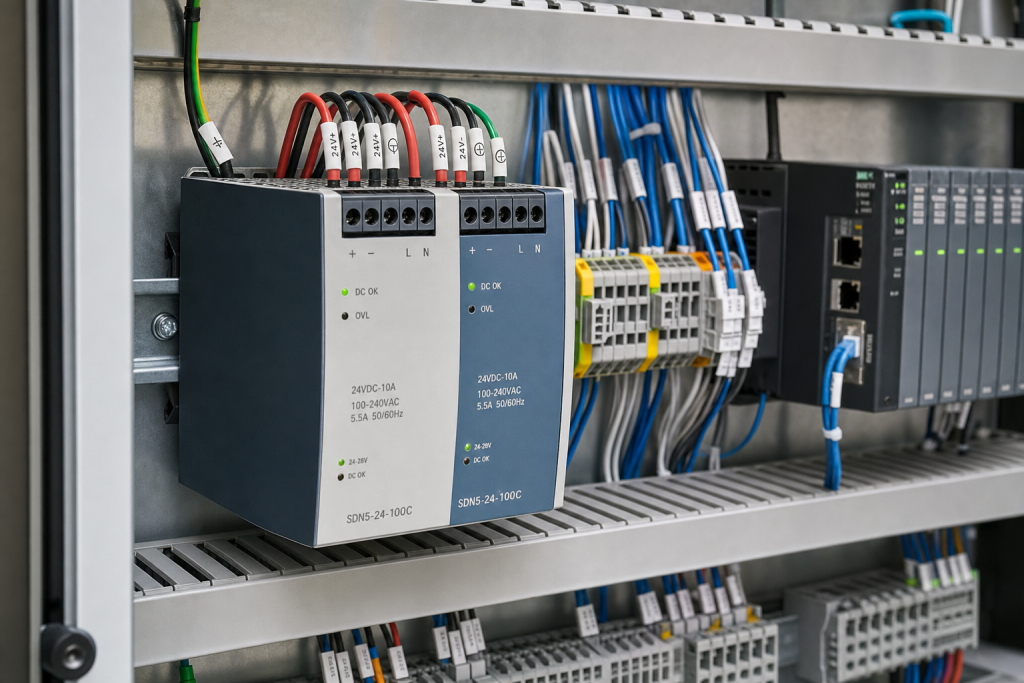
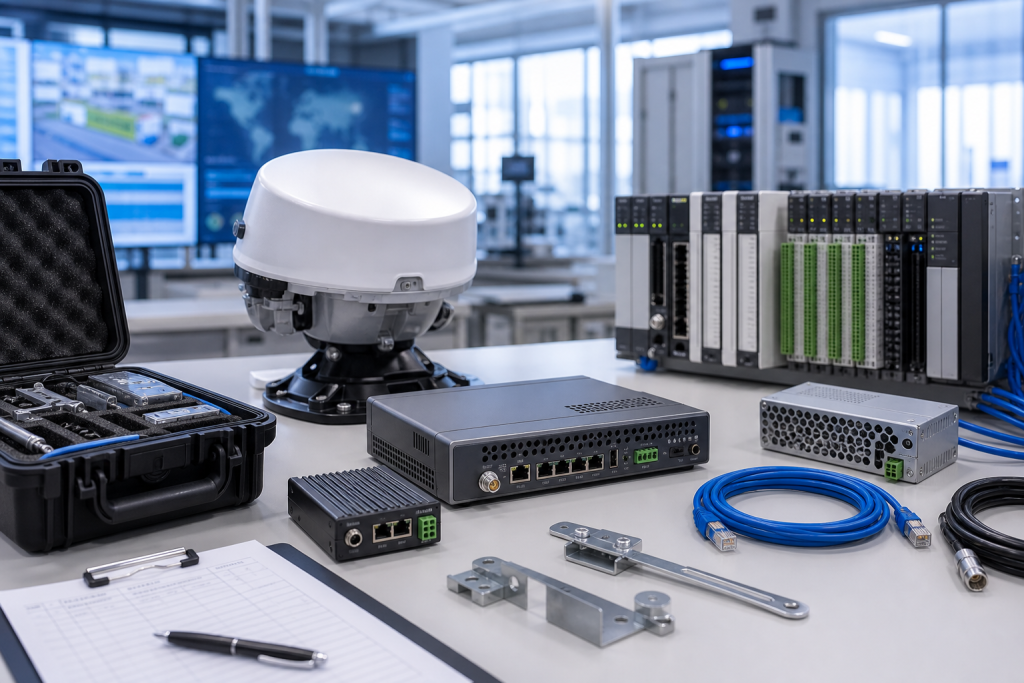
A satellite-terminal spare kit may include modem or terminal hardware, antenna accessories, coax, Ethernet cable, power supply, surge protection, mounting hardware, weatherproofing parts, grounding items, and printed recovery notes. Missing small parts can stop recovery as surely as a missing controller.
Configuration is equally important. If the spare requires provider activation, certificates, network rules, or site-specific addressing, those steps should be known before the outage. Do not store credentials in open purchasing files, but do record the owner and escalation path.
NINERMAS recommends a tabletop drill for the most critical remote site. Assume the terminal fails and walk through store-room pick, travel, installation, activation, network validation, and control-room acceptance. The gaps found in that calm exercise are the gaps that would slow an emergency.
Connect cyber review with spare readiness
A security advisory may lead to segmentation changes, firmware updates, access restrictions, or replacement planning. Each action can affect the spare kit. A firmware update may need a bench terminal. Segmentation may require new firewall approval. Replacement may require provider coordination.
Procurement should ask whether offered hardware is an exact match, a possible substitute, or a repair path. Substitute terminals must be checked for antenna compatibility, power, firmware, service support, mounting, network ports, and commissioning steps.
For older remote assets, the correct answer may be a staged migration rather than one more emergency spare. Still, that decision should be based on verified installed evidence, not on an old network drawing.
Procurement and receiving checks
The RFQ should separate immediate replacement, planned stock, and test-bench use. Those needs may point to different condition levels, accessories, and dispatch priorities. Emergency recovery needs exact evidence and realistic shipment timing. Planned stock can allow time for substitute review. Test-bench hardware can sometimes accept a narrower configuration, as long as it is labeled clearly and never confused with an approved production spare.
Ask suppliers for actual photos, accessory scope, condition language, warranty terms, and the expected dispatch path. Device-only quotes should be compared against complete-kit quotes with care. A lower price can become expensive if a missing cable, antenna, power supply, terminal plug, storage device, or mounting part forces a second shipment during a maintenance window.
Receiving inspection should mirror the RFQ. Compare labels, ports, accessory count, visible condition, packaging, and included documents before the item enters stock. If firmware, software, or backup status remains unknown, mark it unknown. Known uncertainty is much safer than quiet assumption, especially when a different buyer or technician may pull the spare months later.
Keep the evidence useful after the order
The work should not stop when the purchase order is placed. Save the original RFQ photos, supplier photos, accepted quote, receiving photos, and engineering notes together. That file becomes the next buyer’s starting point. It also protects the maintenance team when the same device family appears in a later advisory, outage, or migration review.
For critical spares, add a short status label: exact match, possible substitute, repair option, test bench only, or not approved for production. This prevents a conditional item from being pulled as if it were already accepted. It also helps stores staff understand why two similar-looking devices may not be interchangeable.
Finally, review the record after the next maintenance window. If a cable, power item, software file, antenna accessory, or configuration owner became the bottleneck, add that lesson to the standard kit. Spare planning improves when the purchase history and the field repair history are allowed to meet.
Risk grading keeps the process realistic. Not every edge device deserves the same shelf depth. Rank by production consequence, travel time, lead time, substitute confidence, configuration complexity, and who can approve the restore. This gives procurement a defensible reason to prioritize one spare kit over another.
A short quarterly review is enough for many sites. Pull the highest-risk records, confirm the spare still exists, check whether accessories are still boxed with it, and verify that the named technical owner is still current. This small habit catches quiet drift before it turns into downtime.
FAQ
Does a satellite terminal advisory affect plant maintenance?
Yes, when remote visibility, engineering access, alarm forwarding, or telemetry depends on that terminal. The communications path is part of operational recovery.
What should be in a satellite terminal spare kit?
Include terminal hardware, antenna accessories, cables, power supply, surge protection, mounting parts, provider contact notes, and safe configuration ownership records.
Should credentials be sent in an RFQ?
No. Send safe model, role, accessory, condition, and deadline evidence. Keep credentials and confidential network details inside approved plant processes.
How should remote sites be prioritized?
Rank by operational consequence, travel time, local skill, remote dependency, existing spare coverage, and whether central stock can reach the site within the recovery target.
If your remote assets rely on satellite or specialized communication terminals, send NINERMAS safe label photos, site role, accessory needs, and recovery targets through the request quote path. We can help turn a communication concern into a practical OT spare plan.
© 2026 NINERMAS. All rights reserved. Official Website: https://NINERMAS.com Inquiry: sale@NINERMAS.com | WhatsApp/Tel: +86 187 5021 5667
Next Step
Move the research into a cleaner RFQ.
Send the part number, quantity, condition expectation, destination, and timing details so the sourcing team can reply with better availability and lead-time context.