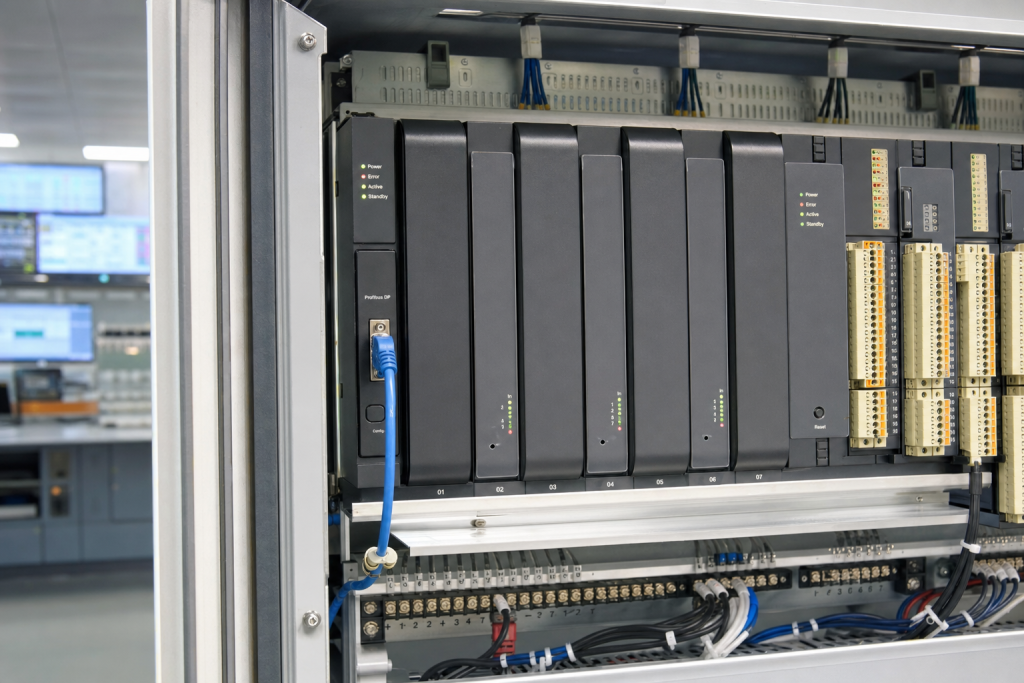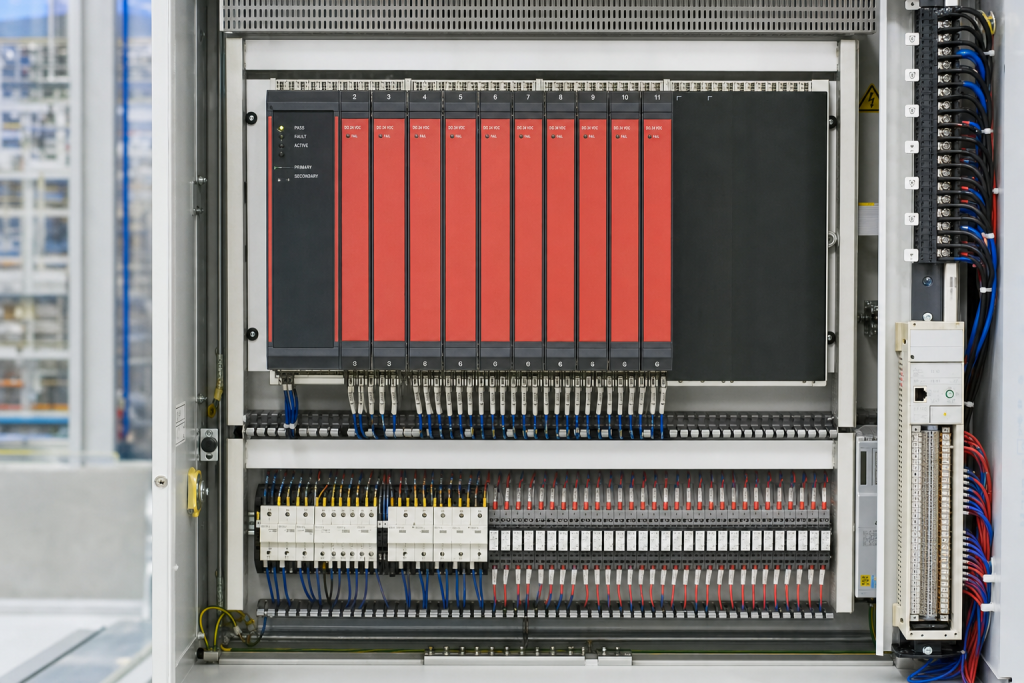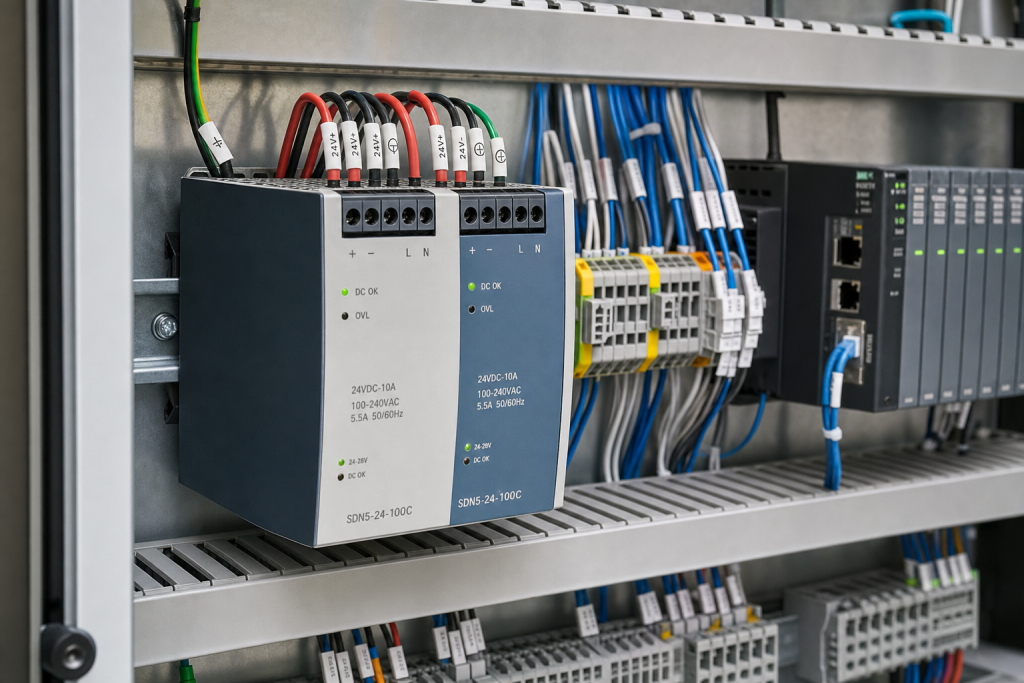

CISA’s latest Industrial Control Systems advisory batch, published on June 25, 2026, covered a familiar mix of OT exposure: SCADA software, charging management systems, engineering tools, controllers, cameras, and electrical protection equipment. The individual advisories matter, but the larger maintenance lesson is even more useful. Plants cannot respond well to an advisory if they do not know which assets are installed, which versions are running, which spare parts are already on the shelf, and who owns the recovery decision.
For NINERMAS readers, this is where OT asset inventory stops being an IT spreadsheet and becomes a spare-parts discipline. A cybersecurity advisory may start with software, firmware, or access control, yet the repair path often passes through hardware: a spare server, a relay, a controller, an industrial switch, a license dongle, a cable kit, or a tested power supply. If those items are invisible to the asset register, the plant will discover the gap during the worst possible hour.
The advisory list is a mirror
A mixed CISA batch is useful because it reflects how plants actually operate. A DCS controller may sit beside a monitoring server, an engineering workstation, a managed switch, an IP camera, and a relay panel. Some are owned by controls, some by electrical, some by facilities, and some by IT. During an incident or maintenance window, those ownership lines blur. Operators need visibility, engineering needs configuration, and procurement needs the correct part number before the clock runs out.
A mature OT asset inventory should therefore connect installed equipment with replacement evidence. At minimum, the record should include brand, model, firmware or software version where known, serial number, cabinet location, network zone, backup status, criticality, and spare status. The phrase “spare status” should be precise. It should say whether the plant has an exact spare, a possible substitute, a repair option, or no known replacement.
This is why NINERMAS treats platform and system guides as more than background reading. Platform knowledge tells the team where a controller, workstation, relay, or interface module sits in the recovery chain. Without that chain, the store-room shelf and the cybersecurity ticket never meet.
Inventory has to include evidence
A line in a database is not enough. The most useful records include photos of labels, front panels, ports, option modules, terminal blocks, and installed cabinet context. Those images help a buyer avoid wrong matches and help an engineer confirm whether a substitute is plausible. For older DCS, PLC, SIS, and condition-monitoring systems, a photo may be more reliable than a model name copied years ago from a project document.
Firmware evidence also matters. Maintenance teams do not always need to expose sensitive configuration, but they should record safe version information and backup ownership. If a vendor advisory recommends an update, the plant should know whether the installed base can be updated directly, whether a bench spare should be tested first, and whether the recovery image can be restored onto available hardware.
Procurement should be part of this exercise early. When a buyer receives an urgent RFQ with incomplete model details, the delay is already built in. A better process gives procurement approved photos, exact part data, acceptable condition levels, destination, deadline, and the reason for urgency. That turns the RFQ from a guessing exercise into a recovery task.
Use the next advisory as a drill
The practical move is simple: choose one recent advisory and trace it through the plant. Ask whether the affected brand or device family exists on site. If yes, find the installed units, confirm the backup owner, identify the spare strategy, and check whether the shelf item actually matches the installed device. If no installed asset is found, record that conclusion so the same search is not repeated during the next advisory.
For legacy systems, pay special attention to items that do not look like primary control hardware. Historian servers, engineering laptops, serial gateways, managed switches, HMI panels, relay communication cards, and monitoring interfaces often decide whether recovery is clean. They are also the assets most likely to be missing from a traditional PLC-focused spare list.
The best plants make this routine. After every advisory review, they update the asset record, mark spare gaps, and create a short action list. Some gaps require purchase. Some require backup testing. Some require a naming cleanup. The value is not perfection; it is having enough verified evidence to make a decision before downtime becomes expensive.
FAQ
Should cybersecurity advisories change the spare-parts list?
Yes, when the advisory reveals a recovery dependency. A software issue may require tested hardware, backup media, network spares, or an exact replacement before maintenance can proceed confidently.
What should be recorded in an OT asset inventory?
Record brand, model, firmware or software version, serial number, cabinet location, network zone, backup owner, criticality, spare status, and clear label photos.
Do we need product links for every spare item?
No. Use verified internal references only when they help the reader. A good article or request quote path is better than a guessed product URL.
How often should the spare inventory be reviewed?
Review critical OT spares after major advisories, before planned outages, during lifecycle audits, and whenever a platform migration changes what the plant can still support.
If your plant is using recent CISA advisories to clean up asset evidence, send NINERMAS the safe label photos, platform list, and recovery priorities. We can help turn scattered spare notes into a practical OT maintenance plan.
© 2026 NINERMAS. All rights reserved. Official Website: https://NINERMAS.com Inquiry: sale@NINERMAS.com | WhatsApp/Tel: +86 187 5021 5667
Next Step
Move the research into a cleaner RFQ.
Send the part number, quantity, condition expectation, destination, and timing details so the sourcing team can reply with better availability and lead-time context.