CISA’s June 25, 2026 advisory for the EVoke Systems Charging Station Management System is about EV charging infrastructure, but the maintenance lesson is much wider than one cloud platform. The advisory describes weaknesses around WebSocket authentication and charging-station session handling. For a factory, depot, utility, port, or commercial facility that operates chargers, the practical question is familiar: who owns the recovery path when a networked field asset becomes a cybersecurity, availability, or configuration problem?
EV charging equipment increasingly sits inside the same operational boundary as energy meters, building management systems, substations, microgrid controls, fleet depots, and plant utilities. It may not be a PLC running a production line, yet it can affect fleet dispatch, employee transport, backup power strategy, energy reporting, and site operations. When a charging station management system or OCPP connection becomes suspect, the plant needs more than a password reset. It needs asset evidence, spare hardware, backup configuration, network records, and a clear owner.
Charging systems are becoming OT assets
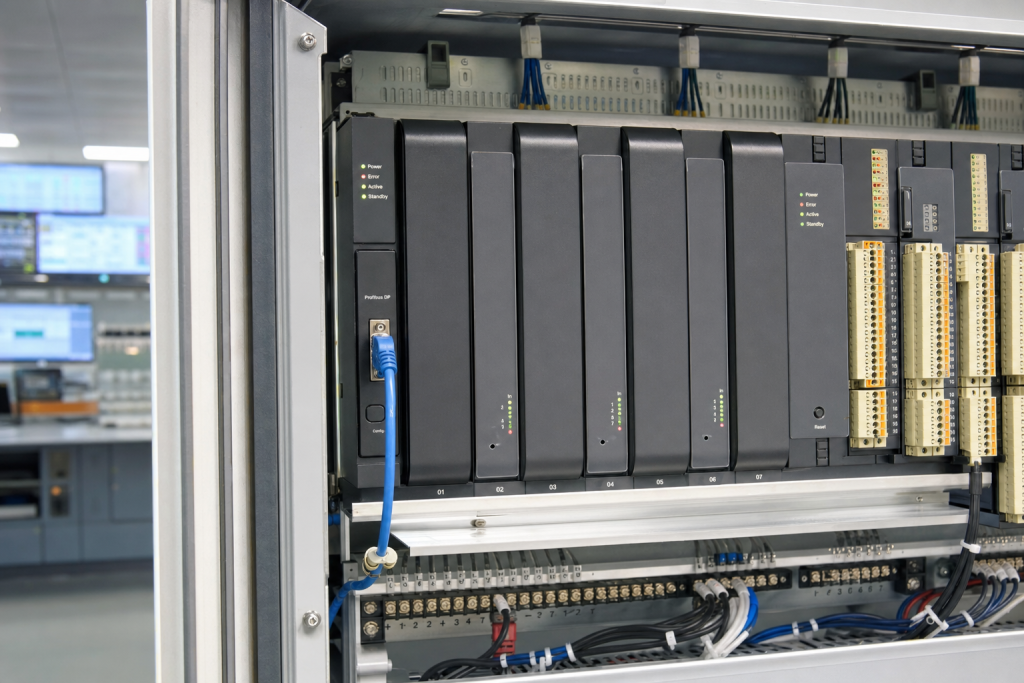
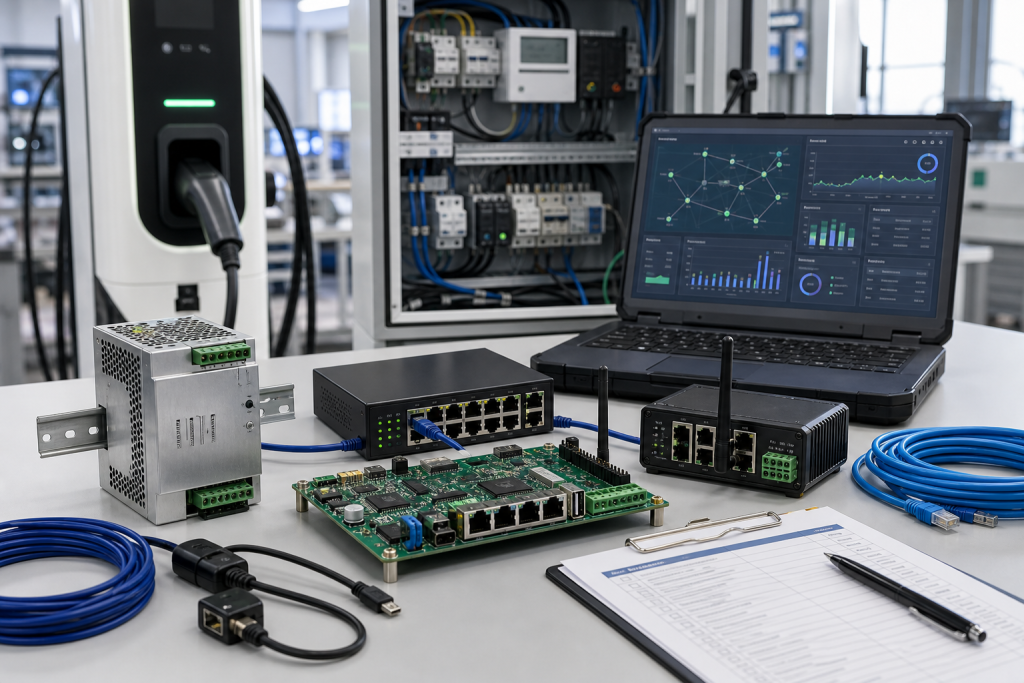
A charger network is a chain. It includes the charging station, controller board, modem or router, OCPP gateway, meter, contactor, power electronics, site network, backend platform, and field accessories. A weakness in the management layer can force a review of the whole chain. If a charger is isolated, replaced, or reconfigured, the team needs to know which components can be swapped and which require platform coordination.
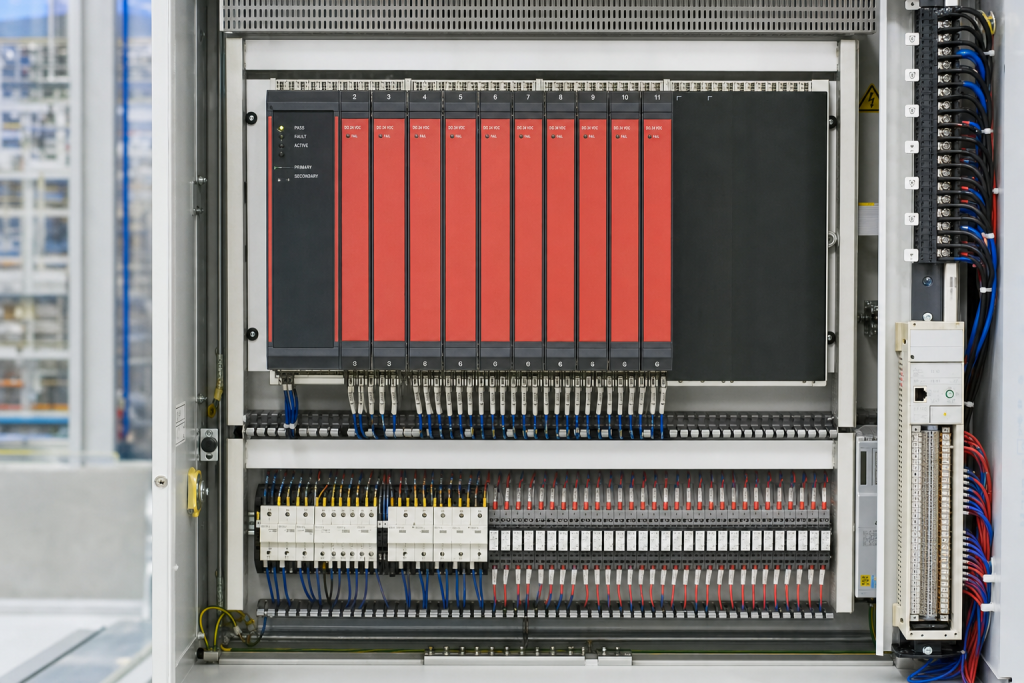
This is where industrial spare discipline helps. Treat charger controllers and communication gateways like other operational spares. Record model, firmware, serial number, cabinet location, power configuration, network path, SIM or carrier details if used, and backend platform association. Keep photos with the record. A spreadsheet that only says “EV charger” is not enough for a recovery event.
NINERMAS groups this kind of thinking with broader platform and system guides because the asset is no longer just electrical equipment. It is an operational system with hardware, software, networking, and vendor dependency.
What to check before a charger outage
Start with the installed population. Identify chargers that support critical fleet operations, high-traffic areas, remote sites, or energy-management targets. For each asset, record whether it can operate locally if the backend is unavailable, whether a field controller can be replaced, and whether configuration can be restored without vendor intervention. If the answer is unknown, treat that as a risk item.
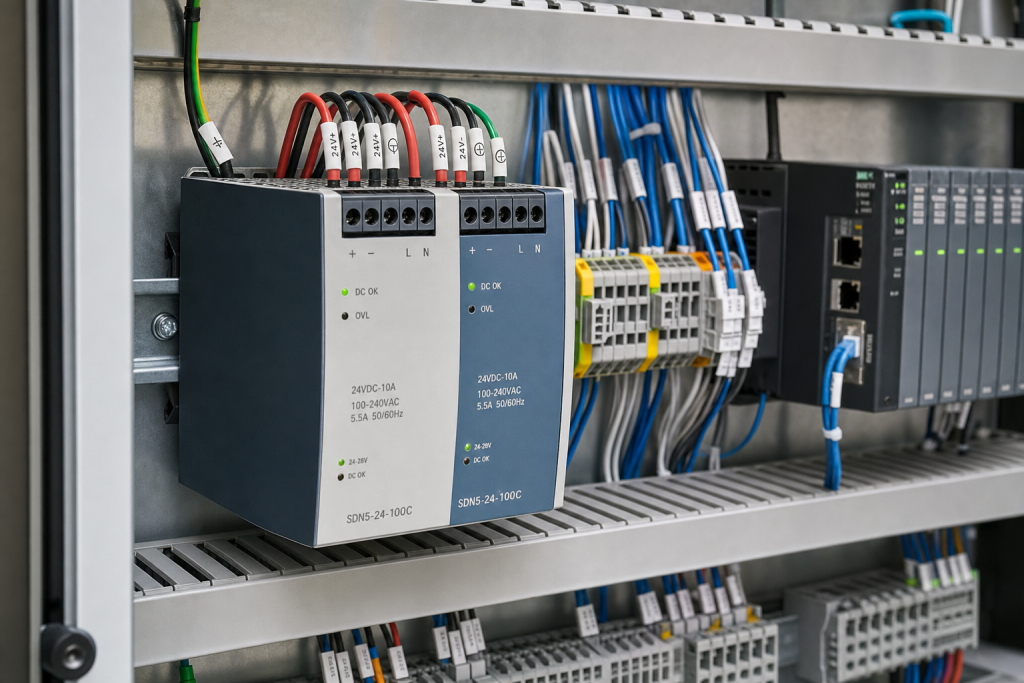
Second, check the communication kit. Cellular routers, Ethernet switches, SIM cards, antennas, power supplies, surge protection, and terminal connectors often decide whether a spare can be used. A charger controller may arrive on time, but a missing antenna or carrier detail can still block recovery. For remote sites, build a shelf-ready kit rather than a device-only spare.
Third, clarify backend ownership. If the charging platform is managed by facilities, IT, fleet operations, or an external provider, write that down. The OT maintenance team should know who can authorize reconnection, rotate credentials, restore certificates, and validate station identity. In an incident, organizational delay can be as damaging as hardware delay.
How procurement should frame the RFQ
A useful charger-related RFQ includes model photos, controller label, communication gateway details, quantity, condition requirement, site location, deadline, and whether the request is for immediate replacement, field stock, or a mitigation window. If the purchase is driven by a CSMS advisory, say that the equipment supports a security and recovery review, but do not send credentials or backend tokens.
For critical chargers, ask whether the supplier can provide actual photos, condition evidence, accessories, and realistic dispatch timing. Compare offers by usability, not just price. A tested controller with the right accessory kit may be a better operational spare than a cheaper device-only quote that requires a second shipment.
Receiving inspection should include the same discipline used for PLC or DCS spares. Confirm model, firmware label if visible, accessory count, connector condition, packing, and whether the spare record includes backend owner and commissioning notes. For a multi-site charger network, attach the spare to a specific site or charger family so it does not disappear into a general electrical shelf.
EV charging will keep moving closer to industrial operations. The facilities that handle it with OT discipline now will have fewer surprises when the next advisory, outage, or platform migration arrives.
There is also a budgeting lesson. Charger spare planning should not wait until every charger is installed and handed over. During project acceptance, ask the installer for the replacement parts list, firmware baseline, backend onboarding procedure, and recovery contacts. If the project closes without those details, the plant inherits an asset but not a maintainable system.
For larger sites, run one tabletop exercise. Pick one charger, assume the controller and gateway must be replaced, and walk through the steps from store-room pick to backend reconnection. The gaps that appear during a calm exercise are exactly the gaps that would slow an urgent field repair.
FAQ
Does a CSMS advisory mean charger hardware must be replaced?
Not automatically. First confirm exposure, vendor mitigation, station identity, backend controls, and recovery path. Hardware spares matter where replacement or isolation risk is high.
What EV charging spares should a plant track?
Track controllers, OCPP gateways, routers, SIM or carrier details, meters, contactors, power supplies, antennas, terminal connectors, and configuration ownership.
Should EV chargers be in the OT asset register?
Yes, when they support fleet, utilities, energy management, or site operations. They are networked operational assets even if they are not PLCs.
What should I send for a charger spare RFQ?
Send label photos, controller and gateway details, firmware if known, quantity, condition requirement, destination, deadline, and whether backend coordination is required.
If your site is reviewing EV charger recovery after the EVoke CSMS advisory, send NINERMAS your charger photos, gateway details, and required recovery window. We can help turn a charger-network concern into a practical OT spare plan.
© 2026 NINERMAS. All rights reserved. Official Website: https://NINERMAS.com Inquiry: sale@NINERMAS.com | WhatsApp/Tel: +86 187 5021 5667
Next Step
Move the research into a cleaner RFQ.
Send the part number, quantity, condition expectation, destination, and timing details so the sourcing team can reply with better availability and lead-time context.