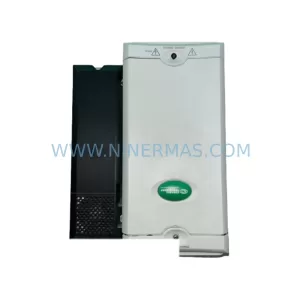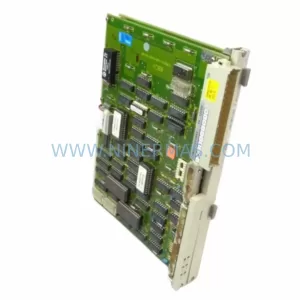
Original Industrial Spare Part
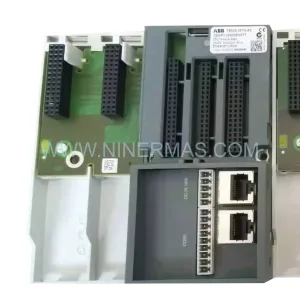
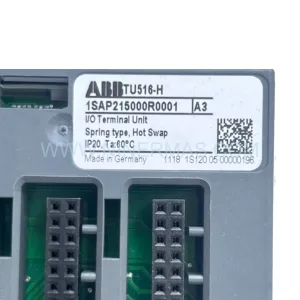
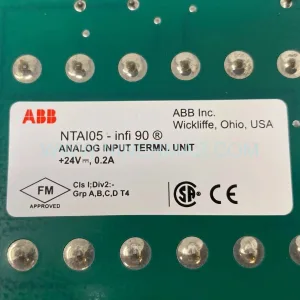
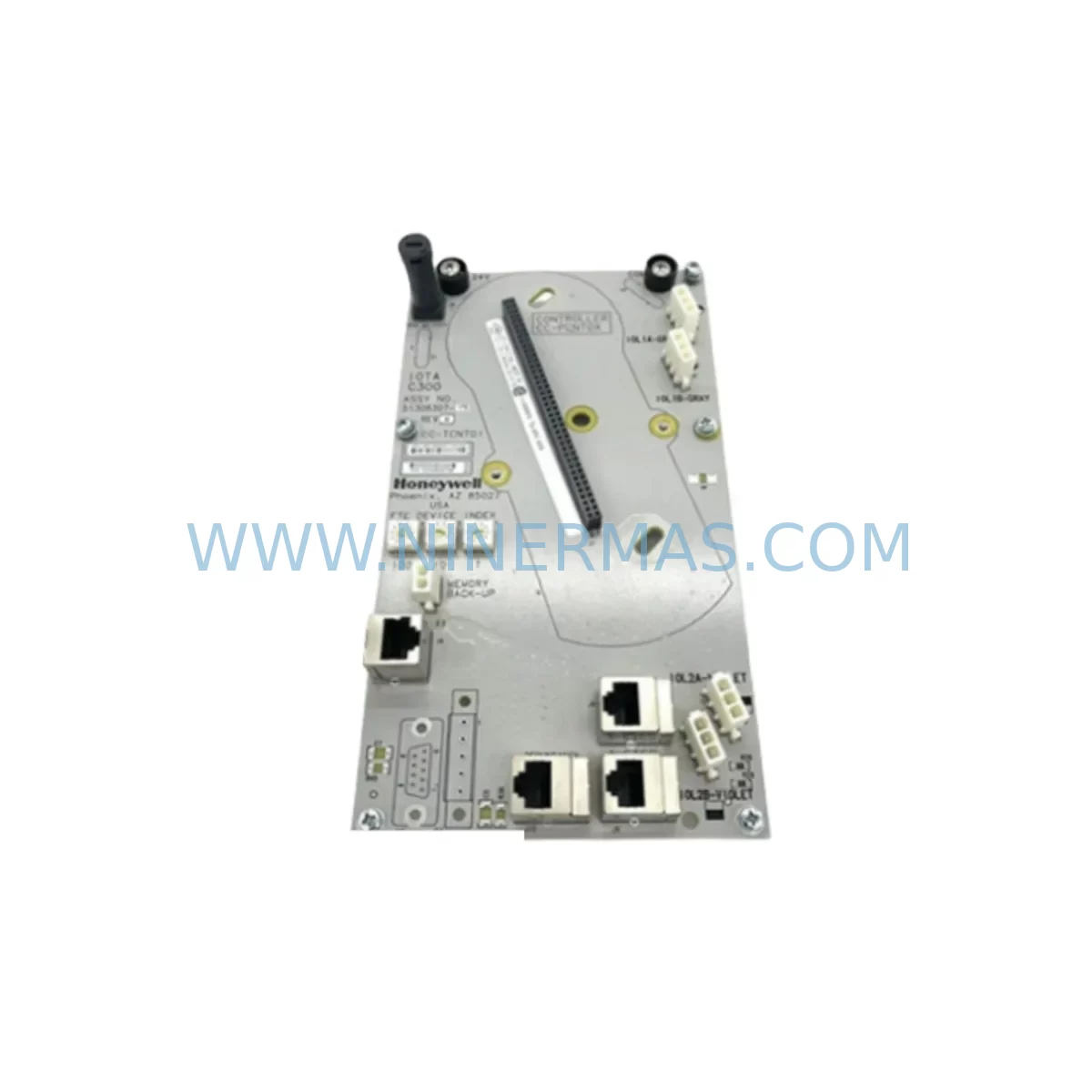
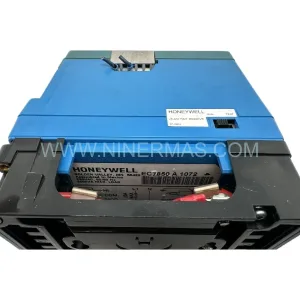
Honeywell TC-PCICO1K Retrofit-Compatible C300 Experion
Verify the part, confirm the platform family, and move straight into quotation with the right commercial details.
RFQ Ready
- SKUTC-PCICO1K
- CategoryDCS Distributed Control Systems
- BrandHoneywell
- SupportAvailability, lead time, condition, and shipping coordination
How Buyers Usually Use This Page
- Confirm the exact part number and platform family before sending the quote request.
- Use direct email when quantity, condition, and destination are already defined internally.
- Switch to the broader brand or category archive when you need alternates nearby.
Series Navigation
Move through the most common platform families behind this part.
Product RFQ
Send this part directly for quotation.
Include quantity, required condition, destination country, and target delivery timing. Current reference: Honeywell TC-PCICO1K Retrofit-Compatible C300 Experion with SKU TC-PCICO1K.
Honeywell TC-PCICO1K Retrofit-Compatible C300 Experion: Legacy DCS Modernization & Smooth System Upgrade
The Honeywell TC-PCICO1K is a Process Controller Interface Card (PCIC) designed for use within the Experion PKS (Process Knowledge System) platform, specifically engineered to interface C300 Process Controllers with the FTE (Fault Tolerant Ethernet) backbone and the broader DCS cabinet infrastructure. For facilities operating aging Honeywell TDC 3000, PlantScape, or early-generation Experion R100–R210 systems, the TC-PCICO1K represents a critical retrofit component that enables a controlled, low-risk migration path toward modern Experion R500+ architectures without requiring full cabinet replacement or complete I/O rewiring.
In legacy automation environments, the PCIC card serves as the communication bridge between the C300 controller module and the cabinet backplane, managing data exchange across the FTE network and coordinating with I/O Link modules, redundant controller pairs, and upstream operator stations. When this card fails or reaches end-of-support status, the entire controller node can become inoperable — making rapid, verified replacement stock essential for any maintenance team responsible for continuous process operations.
Upgrade Compatibility Table
| Parameter | TC-PCICO1K Specification | Retrofit Notes |
|---|---|---|
| Compatible Controller | C300 Process Controller | Verify firmware revision matches installed C300 pair |
| Platform | Honeywell Experion PKS | Compatible with R210 through R500+ with firmware alignment |
| Communication Interface | FTE (Fault Tolerant Ethernet) dual-port | Confirm FTE switch port assignments before hot-swap |
| Backplane Interface | C300 Series cabinet backplane slot | Check slot position and backplane revision compatibility |
| Installation Form Factor | Standard C300 card cage slot | No mechanical modification required for direct replacement |
| Power Requirement | Supplied via backplane (no external feed) | Verify cabinet power supply TC-PPCXX series capacity before insertion |
| Redundancy Support | Yes — primary/secondary controller pair | Replace on standby node first; perform controlled switchover |
| Legacy Replacement Path | Replaces failed or EOL TC-PCICO1K units | Functionally equivalent drop-in; no I/O rewiring required |
| Commissioning Requirement | Module address auto-assigned via Experion Server | Confirm node address in Control Builder before going live |
| Warranty | 12 Months | Covers manufacturing defects; includes pre-shipment functional test |
Retrofit Planning for Existing Automation Systems
Successful integration of the TC-PCICO1K into an existing Experion PKS environment requires a structured pre-installation assessment. Maintenance engineers should begin by auditing the current cabinet layout, confirming the backplane revision, and verifying that the installed C300 controller firmware is compatible with the replacement card. In redundant controller configurations — where a primary TC-PCICO1K and a secondary unit operate in lockstep — the recommended practice is to replace the standby card first, validate FTE link establishment, and then perform a controlled switchover before replacing the active unit. This approach eliminates unplanned process interruptions.
Power budget verification is a mandatory pre-step. The TC-PPCXX series cabinet power supply modules must have sufficient headroom to support the PCIC card alongside co-installed modules such as the TC-CCR014 or TC-CCR016 C300 controller cards, TC-FPCXX FTE interface modules, and any TC-IOLI01 I/O Link Interface cards populating the same chassis. Overloaded power supplies are a common root cause of intermittent card faults in aging DCS cabinets and should be ruled out before attributing failures to the PCIC card itself.
Backplane slot assignment must be confirmed against the original system engineering documentation. The TC-PCICO1K occupies a dedicated slot within the C300 card cage, and incorrect slot placement will prevent the Experion server from recognizing the module during the auto-discovery sequence. Engineers should cross-reference the cabinet wiring diagram and the Control Builder node configuration to confirm the expected slot address before physical installation.
For sites migrating from TDC 3000 or PlantScape architectures to Experion PKS, the TC-PCICO1K is typically introduced as part of a phased controller migration. In these projects, legacy Highway Global Data (HGD) networks are progressively replaced by FTE infrastructure, and the PCIC card serves as the FTE endpoint for each new C300 node added to the system. Alongside the PCIC card, the migration bill of materials commonly includes TC-FTEB01 FTE Bridge modules for network segmentation, TC-IOLI01 I/O Link Interface cards for connecting legacy I/O termination assemblies, and TC-CCR014 redundant controller pairs for each new control node. HMI screens built in Honeywell Station or HMIWeb Display Builder must be reviewed to confirm that all dynamic points referencing the migrated controller node resolve correctly after the FTE address reassignment.
Communication link integrity should be validated using the Experion Server’s Network Status display and the FTE Diagnostics tool before returning the controller to service. Engineers should confirm that both FTE ports on the TC-PCICO1K are active, that the redundant FTE switch pair — typically Cisco IE series switches qualified for Honeywell FTE — shows no port errors, and that the controller node appears as healthy in the Experion Control Builder asset tree. Signal isolation requirements for analog I/O connected through TC-IOLI01 links should also be reviewed, particularly in environments where ground loops or high-voltage interference from adjacent motor drives may affect signal integrity. In such cases, DIN-rail mounted signal isolators or TC-FPCXX filter modules may be required to maintain measurement accuracy after the retrofit.
Programming compatibility is another critical checkpoint. The C300 controller’s application logic — built in Honeywell Control Builder using Function Block Diagrams or Sequential Function Charts — is stored on the Experion Server and downloaded to the controller after hardware replacement. Engineers must confirm that the Control Builder project file version matches the installed firmware on the replacement TC-PCICO1K and the associated C300 controller cards. A firmware mismatch will prevent successful program download and may require a coordinated firmware upgrade of both the PCIC card and the controller module before the node can be returned to automatic control.
Downtime Control During System Migration
Minimizing unplanned downtime during a TC-PCICO1K replacement is achievable through disciplined pre-staging and a clearly defined cutover sequence. The replacement card should be received, inspected, and verified against the original part number and hardware revision before the maintenance window begins. Pre-shipment functional testing — performed at our facility before dispatch — confirms that the card powers up correctly and passes internal diagnostics, reducing the risk of receiving a non-functional unit during a time-critical outage.
For redundant C300 controller pairs, the cutover sequence should follow a strict protocol: place the primary controller in manual mode at the DCS operator station, initiate a controlled switchover to the secondary controller, remove the primary TC-PCICO1K from its slot, insert the replacement card, allow the Experion Server to complete auto-discovery and firmware synchronization, verify FTE link status on both ports, confirm the node appears healthy in Control Builder, and then return the primary controller to automatic mode. This sequence typically requires 20–45 minutes of planned maintenance time and results in zero process interruption when executed correctly on a redundant system.
For non-redundant controller nodes, a brief process hold is unavoidable during card replacement. In these cases, the maintenance team should coordinate with the operations team to place all affected control loops in manual mode at the operator station, document all setpoints and output values before the outage, and prepare a post-replacement checklist that includes loop-by-loop verification of auto/manual status, setpoint restoration, and alarm acknowledgment. Having a pre-staged TC-PCICO1K on the shelf — rather than waiting for emergency procurement — is the single most effective measure for reducing mean time to repair (MTTR) in these scenarios.
Original program logic is preserved on the Experion Server throughout the hardware replacement process and is not affected by removing or inserting the PCIC card. This ensures that the control strategy, tuning parameters, alarm limits, and interlock logic remain intact and are automatically re-downloaded to the replacement card once the Experion Server completes its discovery sequence. No manual re-entry of program logic is required, significantly reducing the risk of human error during the restoration phase.
Retrofit Support FAQ
Q1: Is the TC-PCICO1K a direct drop-in replacement for a failed unit in an existing C300 cabinet?
Yes. The TC-PCICO1K is a form-fit-function replacement for existing units installed in C300 card cages within the Experion PKS platform. No mechanical modification, I/O rewiring, or termination assembly changes are required. The replacement card occupies the same backplane slot and is recognized automatically by the Experion Server during the post-installation discovery sequence. Engineers should verify hardware revision compatibility and confirm firmware alignment with the installed C300 controller pair before insertion.
Q2: What commissioning steps are required after installing a replacement TC-PCICO1K?
After physical installation, the Experion Server will initiate an automatic discovery sequence and assign the module address based on the Control Builder node configuration. Engineers should monitor the FTE Diagnostics display to confirm both FTE ports are active and error-free, verify the controller node status in the Control Builder asset tree, and perform a controlled program download if the firmware version on the replacement card differs from the project baseline. All control loops should be verified in manual mode before returning to automatic operation.
Q3: Can the TC-PCICO1K be used in a migration from TDC 3000 or PlantScape to Experion PKS?
Yes. The TC-PCICO1K is a standard component in phased migration projects from TDC 3000 and PlantScape architectures to Experion PKS. It serves as the FTE communication interface for each new C300 controller node introduced during the migration. The migration scope typically also includes TC-FTEB01 FTE Bridge modules, TC-IOLI01 I/O Link Interface cards for connecting existing termination assemblies, and updated HMI displays to reflect the new controller node addressing. A detailed migration plan and factory acceptance test (FAT) are recommended before site installation.
Q4: What warranty and pre-shipment testing does NINERMAS provide for the TC-PCICO1K?
All TC-PCICO1K units supplied by NINERMAS are covered by a 12-month warranty against manufacturing defects from the date of shipment. Each unit undergoes a pre-shipment functional test to verify power-up integrity and basic communication diagnostics before dispatch. In-stock units are available for same-week shipment to minimize procurement lead time for emergency replacement scenarios. For bulk orders or long-term spare parts agreements, please contact our sales team to discuss stocking arrangements and extended supply commitments.
| Product Series | C300 |
|---|---|
| Country of Origin | US |
Catalog Continuation
More Honeywell modules in the catalog.
Use the brand lane to compare nearby part numbers, platform-adjacent modules, and other inquiry-ready listings before sending your final RFQ.
Catalog Continuation
Alternative parts within DCS Distributed Control Systems.
Stay inside the same system family when you need substitutes, adjacent modules, or a broader shortlist for procurement review.