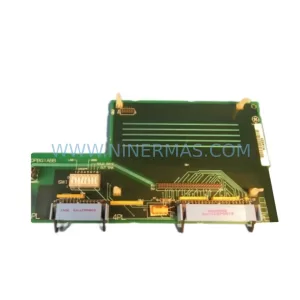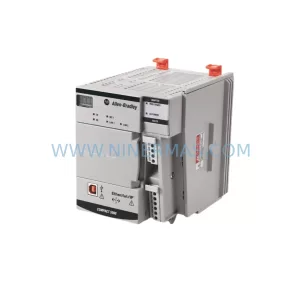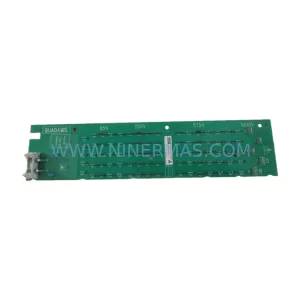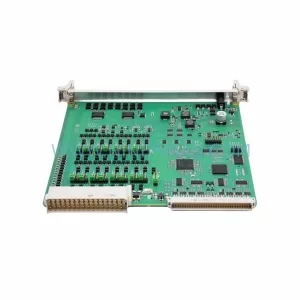
Original Industrial Spare Part
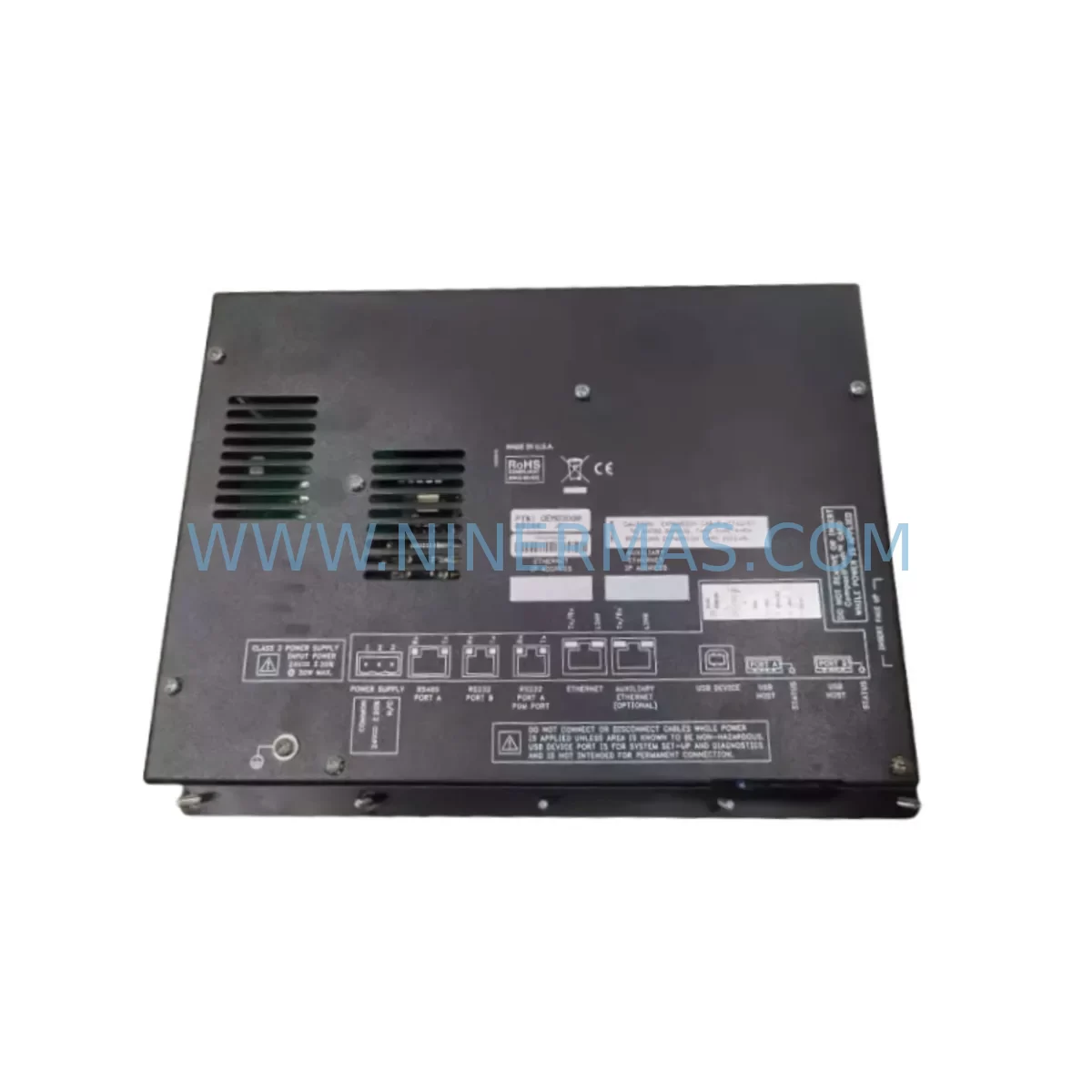
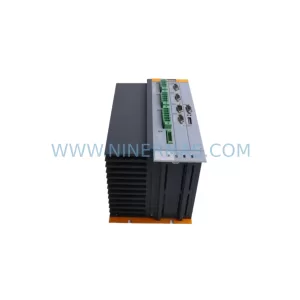
Parker HPC15T-28-XHA-BD3 DT-02475-202 Retrofit HMI for Legacy Systems
Verify the part, confirm the platform family, and move straight into quotation with the right commercial details.
RFQ Ready
- SKUHPC15T-28-XHA-BD3 DT-02475-202
- CategoryPLC & Industrial Automation Modules
- BrandParker
- SupportAvailability, lead time, condition, and shipping coordination
How Buyers Usually Use This Page
- Confirm the exact part number and platform family before sending the quote request.
- Use direct email when quantity, condition, and destination are already defined internally.
- Switch to the broader brand or category archive when you need alternates nearby.
Series Navigation
Move through the most common platform families behind this part.
Product RFQ
Send this part directly for quotation.
Include quantity, required condition, destination country, and target delivery timing. Current reference: Parker HPC15T-28-XHA-BD3 DT-02475-202 Retrofit HMI for Legacy Systems with SKU HPC15T-28-XHA-BD3 DT-02475-202.
Parker HPC15T-28-XHA-BD3 DT-02475-202 Retrofit HMI for Legacy Systems: Legacy-Compatible Operator Interface for Smooth Control System Upgrades
The Parker HPC15T-28-XHA-BD3 DT-02475-202 is a retrofit-compatible Human Machine Interface (HMI) operator terminal engineered for direct replacement and smooth integration into aging CTC-series control architectures. As industrial facilities face increasing pressure to modernize end-of-life automation platforms without full system overhauls, this unit provides a reliable, field-proven pathway to extend operational continuity while preserving existing program logic, wiring infrastructure, and control cabinet layouts.
Originally designed for Parker’s HPC series of operator interface terminals, the HPC15T-28-XHA-BD3 DT-02475-202 is widely deployed across discrete manufacturing, process control, and motion control environments. Its compatibility with legacy CTC HMI communication protocols and panel cutout dimensions makes it a preferred choice for maintenance engineers managing retrofit projects under tight downtime constraints. Whether replacing a failed unit on an active production line or executing a planned upgrade during a scheduled maintenance window, this terminal supports rapid commissioning with minimal reconfiguration.
When planning a retrofit around this HMI, engineers must carefully verify several critical parameters before installation. Power supply compatibility is the first checkpoint — the HPC15T-28-XHA-BD3 DT-02475-202 operates within a defined DC input voltage range, and the existing panel power supply or a dedicated Parker AC/DC power module must be confirmed to meet the terminal’s current draw requirements. Facilities running older 24VDC bus architectures should audit the power rail capacity before adding this unit to an existing backplane or DIN rail assembly.
Terminal wiring and I/O mapping represent the next layer of retrofit planning. The HPC15T-28-XHA-BD3 DT-02475-202 uses a defined connector pinout for its communication and power interfaces. Technicians replacing an older CTC operator panel must cross-reference the original wiring diagram against the HPC15T terminal block layout to confirm signal polarity, ground references, and shield termination points. In installations where the legacy HMI was connected to a Parker SSD or Compax3 servo drive via RS-232 or RS-485, the communication cable pinout and baud rate settings must be re-validated during commissioning.
Backplane interface and module addressing are equally important in rack-based control architectures. If the HPC15T-28-XHA-BD3 DT-02475-202 is being integrated into a system that also includes Parker I/O expansion modules, analog input cards, or digital output modules mounted on a shared backplane, the module address configuration must be reviewed to prevent address conflicts. Systems that previously used a CTC 2600 or CTC 5000 series controller as the host CPU will require the HMI’s node address to be set correctly before the communication link can be established.
Program compatibility and HMI screen migration are often the most time-intensive aspects of a retrofit. Existing screen projects developed for older CTC operator terminals may need to be re-imported or rebuilt using Parker’s current HMI configuration software. Tag databases, alarm lists, and trend displays should be audited for variable name consistency before the new terminal is brought online. In facilities where the control program resides on a Parker AC890 drive or a legacy SSD 590 DC drive controller, the HMI tag mapping must align with the drive’s parameter register addresses to ensure correct data exchange.
Communication link verification is a mandatory step before returning the system to production. The HPC15T-28-XHA-BD3 DT-02475-202 supports serial communication protocols commonly used in Parker’s legacy control ecosystem. After physical installation, the communication link between the HMI and the host controller — whether a Parker 590+ DC drive, an AC690+ variable frequency drive, or a third-party PLC connected via a protocol converter — must be tested under live conditions. Signal integrity, response time, and error frame counts should be logged during the initial commissioning run to confirm stable data exchange.
Installation space confirmation is a practical but often overlooked step. The HPC15T-28-XHA-BD3 DT-02475-202 has defined panel cutout dimensions and depth requirements. In retrofit scenarios where the original HMI was a different form factor, the control cabinet door or enclosure panel may require modification. Technicians should also confirm that adequate clearance exists behind the panel for the terminal’s connector body and cable routing, particularly in compact control cabinets where space is constrained by adjacent components such as Parker EMC filters, line reactors, or terminal strip assemblies.
Upgrade Compatibility Table
| Parameter | Details / Recommendation |
|---|---|
| SKU | HPC15T-28-XHA-BD3 DT-02475-202 |
| Brand / Series | Parker / HPC CTC HMI Series |
| Product Type | HMI Operator Interface Terminal |
| Typical Replacement For | CTC 2600, CTC 5000, Parker HPC legacy operator panels |
| Communication Interface | RS-232 / RS-485 serial; verify baud rate and pinout before installation |
| Power Input | 24VDC nominal; confirm panel power supply capacity before retrofit |
| Panel Cutout Compatibility | Verify cutout dimensions against existing enclosure; modification may be required |
| Backplane / Rack Integration | Confirm module address settings to avoid conflicts with I/O expansion modules |
| Program / Screen Migration | Re-import or rebuild HMI screen project; validate tag database alignment |
| Host Controller Compatibility | Parker AC890, SSD 590, AC690+, 590+, Compax3; verify register mapping |
| Installation Depth | Confirm rear clearance for connectors and cable routing in compact cabinets |
| Commissioning Requirement | Live communication test required; log error frames before returning to production |
| Warranty | 12-Month Warranty — all units ship tested and verified |
Retrofit Planning for Existing Automation Systems
A successful retrofit centered on the Parker HPC15T-28-XHA-BD3 DT-02475-202 requires a structured approach that accounts for every layer of the existing control architecture. In most legacy installations, the HMI terminal is not an isolated component — it is the operator-facing node in a tightly coupled system that includes drive controllers, I/O modules, communication networks, and safety interlocks.
Begin the retrofit assessment by auditing the host controller. In systems built around a Parker SSD 590 DC drive or an AC890 regenerative drive, the HMI communicates with the drive’s internal parameter set via a defined serial protocol. The parameter register addresses used in the original HMI screen project must be documented before the old terminal is removed, as these addresses form the foundation of the new screen project. Similarly, in systems where a Parker Compax3 servo controller manages motion sequences, the HMI’s role in displaying position feedback, fault codes, and motion status must be fully mapped before migration begins.
I/O expansion is a common requirement in retrofit projects. Facilities that have grown their I/O point count over time may have added Parker I/O expansion modules or third-party digital and analog I/O cards to the original rack. These modules must be inventoried, and their addresses confirmed, before the new HMI is configured. In some installations, a Parker AC690+ variable frequency drive is used to control auxiliary equipment such as cooling fans or conveyor drives, and the HMI may be expected to display drive status and fault information for these units as well.
Communication protocol migration is a frequent challenge in legacy retrofits. Older CTC operator terminals often used proprietary serial protocols that may not be directly supported by current HMI firmware. In these cases, a protocol converter or communication gateway may be required to bridge the legacy protocol to a standard RS-485 Modbus RTU or RS-232 interface. Engineers should also verify that the existing communication cable — including its shielding, termination resistors, and cable length — meets the electrical requirements of the new terminal’s communication port.
Signal isolation is another consideration in electrically noisy industrial environments. In control cabinets that house Parker line reactors, EMC filters, or high-current motor starters alongside the HMI terminal, signal isolation barriers or ferrite cores may be required on the communication cable to prevent interference from affecting data integrity. A Parker programming cable or a USB-to-serial adapter with the correct driver set is typically required for initial configuration and screen upload.
Finally, the HMI’s role in the facility’s safety architecture must be reviewed. If the original terminal was used to acknowledge safety alarms, reset fault conditions, or initiate emergency stop sequences, these functions must be fully replicated in the new screen project and tested under controlled conditions before the system is returned to production.
Downtime Control During System Migration
Minimizing unplanned downtime is the primary operational concern in any legacy HMI retrofit. A well-executed migration plan for the Parker HPC15T-28-XHA-BD3 DT-02475-202 begins long before the physical installation takes place. The goal is to complete as much preparation work as possible while the existing system remains in service, so that the actual cutover window is as short as possible.
Start by creating a full backup of the existing HMI screen project, including all tag definitions, alarm configurations, trend setups, and communication parameters. If the original terminal’s configuration software is no longer available, the screen project files should be extracted directly from the terminal’s memory before it is powered down. This backup serves as the reference document for rebuilding the screen project on the new HPC15T-28-XHA-BD3 DT-02475-202 unit.
Pre-stage the new terminal by loading the rebuilt screen project, configuring the communication parameters, and performing a bench test against a known-good host controller or a drive simulator before the unit is brought to the installation site. This approach allows the majority of commissioning work to be completed in a controlled environment, reducing the time required for on-site configuration during the cutover window.
During the physical cutover, follow a structured sequence: power down the control cabinet, remove the old terminal, install the new HPC15T-28-XHA-BD3 DT-02475-202, reconnect the communication and power cables, and restore power. Perform a systematic check of all HMI screens, alarm functions, and communication links before releasing the system to production. Document any deviations from the expected behavior and resolve them before the cutover window closes.
Post-installation monitoring is equally important. During the first production run after the retrofit, assign a technician to observe the HMI’s behavior and log any unexpected alarms, communication errors, or display anomalies. This monitoring period — typically the first 24 to 48 hours of production — provides the data needed to confirm that the retrofit has been completed successfully and that the system is operating within its design parameters.
All units supplied by NINERMAS are shipped after functional testing and verification, reducing the risk of commissioning delays caused by hardware defects. The 12-month warranty covers the unit against manufacturing defects and provides a clear support pathway if issues arise during or after the retrofit.
Retrofit Support FAQ
Q1: Is the Parker HPC15T-28-XHA-BD3 DT-02475-202 a direct drop-in replacement for CTC legacy HMI terminals?
A: The HPC15T-28-XHA-BD3 DT-02475-202 is designed as a retrofit-compatible replacement for CTC-series operator terminals within the Parker HPC platform. Panel cutout dimensions, communication interfaces, and power requirements should be verified against the existing installation before ordering. NINERMAS can provide technical support to assist with compatibility verification.
Q2: What communication protocols does this HMI support, and how do I verify compatibility with my existing drive or controller?
A: The HPC15T-28-XHA-BD3 DT-02475-202 supports RS-232 and RS-485 serial communication, which are standard in Parker’s legacy drive and controller ecosystem. To verify compatibility, document the communication protocol, baud rate, data format, and register map used by your existing host controller — such as a Parker SSD 590, AC890, or AC690+ — and compare these parameters against the HMI’s communication specification. NINERMAS technical staff can assist with protocol matching prior to shipment.
Q3: Does the unit ship tested, and what does the 12-month warranty cover?
A: Yes. All Parker HPC15T-28-XHA-BD3 DT-02475-202 units supplied by NINERMAS are functionally tested before shipment to confirm power-up, display operation, and communication port integrity. The 12-month warranty covers manufacturing defects and hardware failures under normal operating conditions. Warranty claims are supported directly by NINERMAS from the date of shipment.
Q4: How quickly can this unit be sourced, and do you maintain stock for urgent retrofit requirements?
A: NINERMAS maintains inventory of Parker HPC series HMI terminals to support urgent retrofit and breakdown replacement requirements. Lead times vary based on current stock levels. For time-critical applications, contact NINERMAS directly to confirm availability and arrange expedited shipment.
| Product Series | Legacy |
|---|
Catalog Continuation
More Parker modules in the catalog.
Use the brand lane to compare nearby part numbers, platform-adjacent modules, and other inquiry-ready listings before sending your final RFQ.
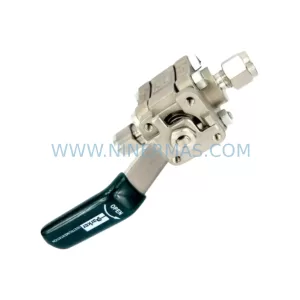
SKU: 016-80686-0 R1E02 2512 A1
Parker 016-80686-0 R1E02 2512 A1 Retrofit Safety Relief Module
SKU: 605-Z-230CE 0190-08538 CDN127-4 114RR-BJ-000-000
Parker 605-Z-230CE-0190 Retrofit DC Drive for Legacy Systems
SKU: 890CS-532320B0--B00-U
Parker 890CS-532320B0-B00-U Retrofit Drive for Legacy Systems
SKU: C3S150V4F11 I20 T11 M00
Parker C3S150V4F11 I20 T11 M00 Retrofit-Compatible Servo Drive
Catalog Continuation
Alternative parts within PLC & Industrial Automation Modules.
Stay inside the same system family when you need substitutes, adjacent modules, or a broader shortlist for procurement review.