Original Industrial Spare Part
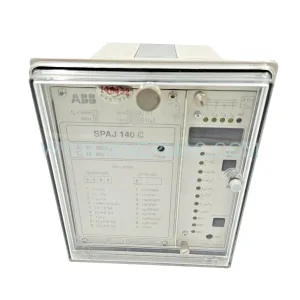
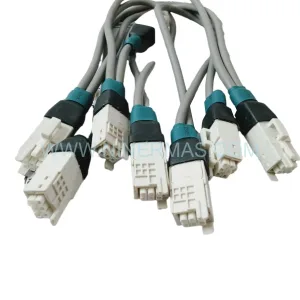
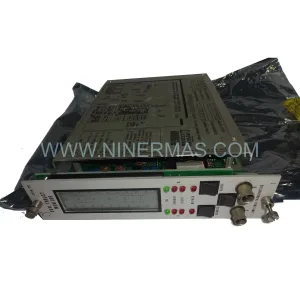
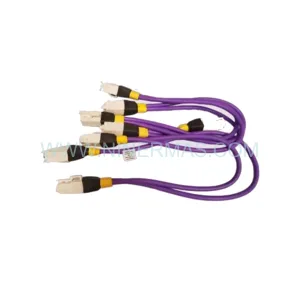
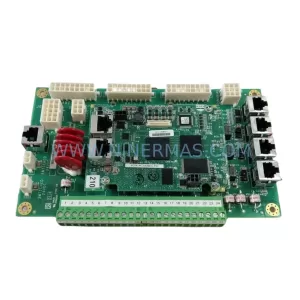
ASTRO RB-649 Retrofit-Compatible Controller for Legacy Systems
Verify the part, confirm the platform family, and move straight into quotation with the right commercial details.
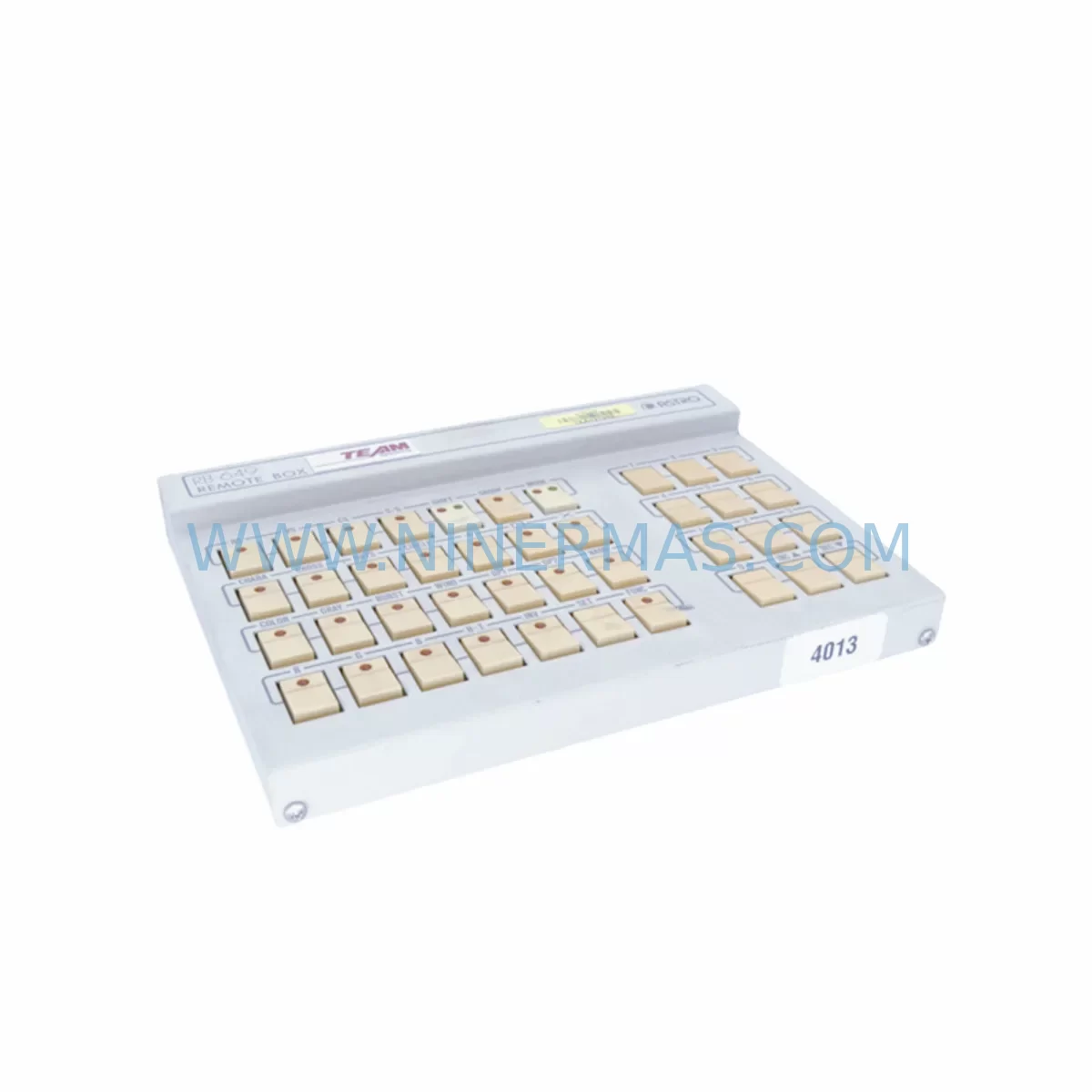
RFQ Ready
- SKURB-649
- CategoryPLC & Industrial Automation Modules
- BrandASTRO
- SupportAvailability, lead time, condition, and shipping coordination
How Buyers Usually Use This Page
- Confirm the exact part number and platform family before sending the quote request.
- Use direct email when quantity, condition, and destination are already defined internally.
- Switch to the broader brand or category archive when you need alternates nearby.
Series Navigation
Move through the most common platform families behind this part.
Product RFQ
Send this part directly for quotation.
Include quantity, required condition, destination country, and target delivery timing. Current reference: ASTRO RB-649 Retrofit-Compatible Controller for Legacy Systems with SKU RB-649.
ASTRO RB-649 Retrofit-Compatible Controller for Legacy Systems: Seamless Upgrade for Aging Automation Infrastructure
The ASTRO RB-649 is a retrofit-compatible controller module engineered for facilities managing aging RB Series automation platforms. As original equipment manufacturers discontinue legacy PLC lines, maintenance engineers and system integrators face mounting pressure to source reliable replacement modules that preserve existing program logic, terminal wiring, and backplane architecture without triggering full-system overhauls. The RB-649 addresses this challenge directly — offering a verified drop-in upgrade path for RB Series control cabinets while maintaining compatibility with established I/O configurations, communication protocols, and HMI display mappings.
Industrial facilities operating legacy ASTRO RB Series controllers often encounter the same critical bottleneck: the original module is no longer available through standard distribution channels, yet the cost and downtime associated with a full platform migration are prohibitive. The RB-649 is stocked specifically to close this gap, providing procurement teams and maintenance departments with a dependable, tested alternative that ships with a 12-month warranty and documented pre-shipment functional verification.
Upgrade Compatibility Table
| Parameter | Legacy RB Series (Original) | ASTRO RB-649 (Retrofit) |
|---|---|---|
| Backplane Interface | RB Series parallel bus | Compatible with RB Series backplane slots |
| Terminal Wiring | Original field wiring retained | No rewiring required for standard configurations |
| Communication Protocol | RS-232 / RS-485 / proprietary serial | Supports legacy serial; verify baud rate settings |
| I/O Addressing | Fixed module address per slot | Address configuration preserved; confirm via programmer |
| Program Compatibility | Original ladder logic / function block | Existing program upload recommended before swap |
| HMI Screen Mapping | Linked to original tag database | Tag re-mapping may be required for updated firmware |
| Installation Space | Standard RB Series rack slot | Same form factor; no mechanical modification needed |
| Power Supply Requirement | 24VDC / 120VAC (model-dependent) | Confirm existing PSU capacity before installation |
| Replacement Recommendation | Direct slot replacement | Recommended; verify firmware revision compatibility |
| Warranty | OEM warranty expired | 12-Month Warranty from NINERMAS |
Retrofit Planning for Existing Automation Systems
A successful RB-649 retrofit begins well before the module arrives on-site. Maintenance engineers should start by auditing the existing control cabinet layout, confirming available rack slots, and documenting the current backplane configuration. In most RB Series installations, the controller occupies a dedicated slot adjacent to the power supply module — typically an ASTRO RB-PWR series unit — and shares the backplane bus with discrete I/O modules such as the RB-DI16 (16-channel digital input) and RB-DO16 (16-channel digital output). Before removing the legacy controller, engineers should upload and archive the existing PLC program using the original programming cable or an ASTRO-compatible USB programming adapter.
Communication link integrity is a frequent concern during RB Series retrofits. Many legacy installations rely on RS-485 multi-drop networks connecting the RB-649 to remote I/O expansion racks or third-party SCADA systems. Technicians should verify baud rate, parity, and station address settings on both the replacement module and any downstream communication modules — including serial gateway devices or protocol converters used to bridge legacy ASTRO serial protocols to modern Modbus RTU or Profibus DP networks. Where the original installation includes an ASTRO RB-COM serial communication module, confirm that the new controller’s firmware revision supports the same handshake parameters.
I/O expansion planning is equally critical. Facilities that have grown their I/O count over time may be running RB Series analog input modules (such as the RB-AI8 for 4–20mA signals) alongside thermocouple input cards and high-speed counter modules. The RB-649 retrofit should be validated against the full I/O map to ensure that all module addresses remain consistent after the controller swap. Any discrepancy in slot addressing can cause the PLC to misread field signals, triggering false alarms or unsafe process states.
HMI integration deserves particular attention. Older ASTRO RB Series installations often use dedicated operator panels or third-party HMI terminals connected via serial or Ethernet links. After installing the RB-649, technicians should verify that all HMI tag references resolve correctly and that display screens reflect accurate process values. In cases where the HMI communicates through an ASTRO RB-ETH Ethernet communication module, confirm that the IP address and port configuration are preserved or updated in the HMI project file before restarting the system.
Signal isolation is another consideration for high-noise industrial environments. Where the original installation includes signal isolators or loop-powered barriers between field instruments and the RB Series I/O cards, these devices should be inspected and tested as part of the retrofit process. Replacing a controller module without verifying signal integrity across the full loop can introduce measurement errors that are difficult to diagnose after commissioning.
Finally, confirm that the control cabinet’s power supply capacity is sufficient to support the RB-649 alongside all installed I/O modules, communication cards, and auxiliary devices. Undersized power supplies are a common root cause of intermittent faults in retrofitted systems, particularly when additional modules have been added to the rack over the years without a corresponding power budget review.
Downtime Control During System Migration
Minimizing production downtime is the primary operational constraint in any legacy PLC retrofit. For RB-649 installations, the recommended approach is a structured hot-swap preparation protocol: complete all pre-installation checks — program backup, I/O map verification, communication parameter documentation, and power supply audit — before scheduling the physical module exchange. This preparation phase can typically be completed during normal production hours without interrupting the running process.
The physical swap itself should be scheduled during a planned maintenance window or shift changeover. With preparation complete, the actual module exchange — removing the legacy controller, seating the RB-649, restoring the program, and verifying I/O status — can typically be accomplished within 30 to 90 minutes depending on system complexity. Technicians should have the programming cable connected and the program file ready to download immediately after power-up to minimize the time the system spends in an uninitialized state.
To protect original program logic, always maintain at least two independent backups of the PLC program before beginning any hardware change — one stored on the programming laptop and one archived to a network drive or USB device kept off-site. If the RB-649 is being installed as a precautionary spare replacement rather than an emergency swap, consider performing a trial program download and I/O verification on a bench test setup before deploying the module to the production line.
Post-installation commissioning should follow a structured checklist: confirm power-up without fault codes, verify all I/O channels read correctly against known field conditions, test communication links to SCADA and HMI systems, and run the process through a controlled startup sequence before returning to full automatic operation. Document all configuration changes and update the as-built drawings to reflect the new module revision. This documentation discipline is essential for future maintenance cycles and supports the 12-month warranty claim process if a fault occurs during the warranty period.
Retrofit Support FAQ
Q1: Is the ASTRO RB-649 a direct drop-in replacement for the original RB Series controller?
In most standard RB Series rack configurations, the RB-649 is designed as a form-fit-function compatible replacement. However, customers should verify the firmware revision and backplane bus version of their existing installation before ordering. NINERMAS technical support can assist with compatibility confirmation based on your existing module part number and rack configuration details.
Q2: What pre-shipment testing is performed on the RB-649?
Every RB-649 unit shipped by NINERMAS undergoes functional power-up testing and basic I/O verification prior to dispatch. Units are inspected for physical condition, connector integrity, and firmware operability. A test report is available upon request. All units are covered by a 12-month warranty from the date of shipment.
Q3: Can the existing PLC program be loaded directly into the RB-649 without modification?
In most cases, programs developed for the original RB Series controller can be downloaded to the RB-649 without structural modification, provided the firmware revision is compatible. Customers are advised to perform a program syntax check using the ASTRO programming software before downloading to the replacement module. Minor tag or address adjustments may be required if the firmware revision differs from the original.
Q4: What is the lead time and stock availability for the RB-649?
NINERMAS maintains stock of the RB-649 to support urgent retrofit and emergency replacement requirements. Standard orders ship within 3–5 business days. For bulk procurement or long-term supply agreements supporting lifecycle extension programs, please contact our sales team directly to discuss committed stock arrangements and volume pricing.
| Product Series | Legacy |
|---|
Catalog Continuation
More ASTRO modules in the catalog.
Use the brand lane to compare nearby part numbers, platform-adjacent modules, and other inquiry-ready listings before sending your final RFQ.
Catalog Continuation
Alternative parts within PLC & Industrial Automation Modules.
Stay inside the same system family when you need substitutes, adjacent modules, or a broader shortlist for procurement review.
SKU: A05B-2518-C200
FANUC A05B-2518-C200 Retrofit Teach Pendant for Legacy Systems
SKU: 2711PC-T10C4D8
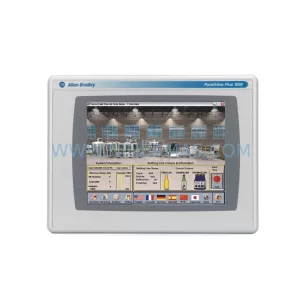
Allen-Bradley 2711PC-T10C4D8 Retrofit-Compatible HMI Terminal