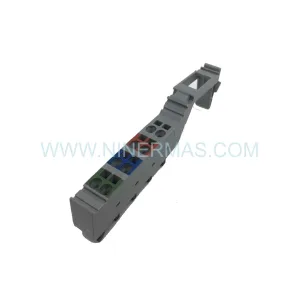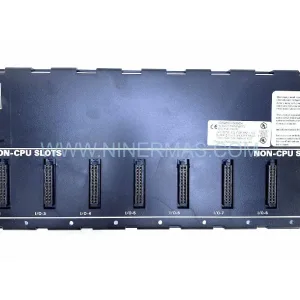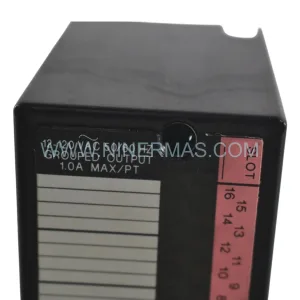
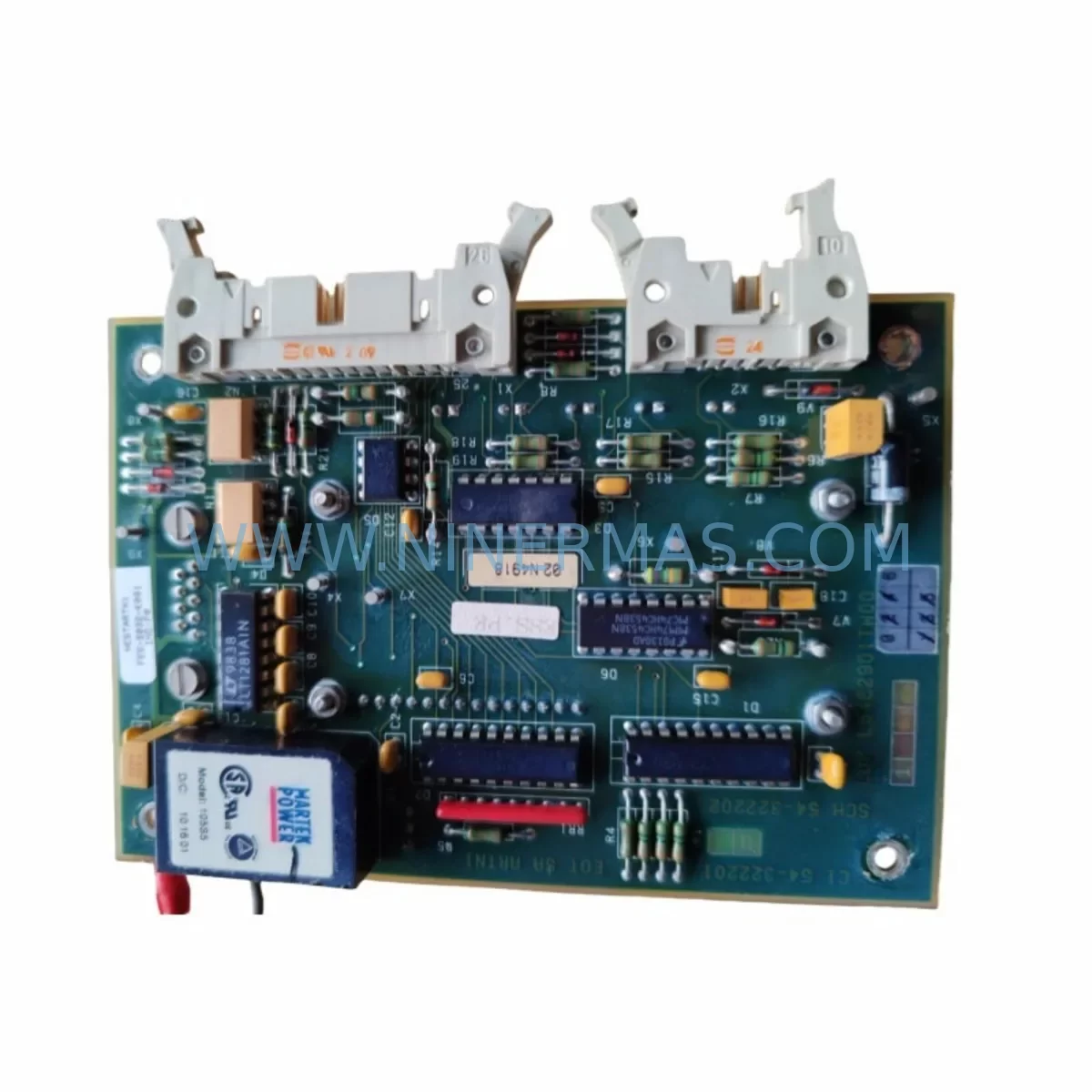
Original Industrial Spare Part
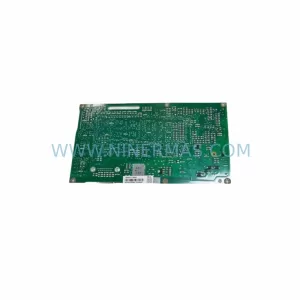
Alstom ESVI1 Retrofit-Compatible Drive for Legacy Systems
Verify the part, confirm the platform family, and move straight into quotation with the right commercial details.
RFQ Ready
- SKUESVI1
- CategoryPLC & Industrial Automation Modules
- BrandALSTOM
- SupportAvailability, lead time, condition, and shipping coordination
How Buyers Usually Use This Page
- Confirm the exact part number and platform family before sending the quote request.
- Use direct email when quantity, condition, and destination are already defined internally.
- Switch to the broader brand or category archive when you need alternates nearby.
Series Navigation
Move through the most common platform families behind this part.
Product RFQ
Send this part directly for quotation.
Include quantity, required condition, destination country, and target delivery timing. Current reference: Alstom ESVI1 Retrofit-Compatible Drive for Legacy Systems with SKU ESVI1.
Alstom ESVI1 Retrofit-Compatible Drive for Legacy Systems: Seamless Upgrade for ALSPA Automation
The Alstom ESVI1 is a variable speed drive (VSD) designed for integration into legacy ALSPA-series automation platforms. As industrial facilities face increasing pressure to modernize aging control infrastructure without full system overhauls, the ESVI1 has become a critical component in retrofit projects across process industries, utilities, and manufacturing. Whether you are replacing a discontinued drive module, upgrading a legacy control cabinet, or migrating from an older communication protocol, the ESVI1 provides a reliable, field-proven path forward with minimal disruption to ongoing operations.
NINERMAS maintains verified stock of the Alstom ESVI1 and supports customers through the full retrofit lifecycle — from pre-shipment compatibility verification to post-installation commissioning guidance — backed by a 12-month warranty on every unit shipped.
Upgrade Compatibility Table
| Parameter | Details |
|---|---|
| SKU | ESVI1 |
| Brand / Series | Alstom / ALSPA Series |
| Product Type | Variable Speed Drive (VSD / Inverter) |
| Typical Replacement Targets | Discontinued ALSPA VSD modules, legacy Alstom drive units in aging control cabinets |
| Communication Compatibility | Compatible with ALSPA-series communication backplanes; verify fieldbus protocol (Modbus, Profibus DP) prior to installation |
| Mounting / Installation | Confirm rack slot dimensions, DIN rail or panel-mount clearance, and ventilation spacing before installation |
| Terminal Wiring | Verify control terminal pinout against legacy wiring diagrams; power input and motor output terminals must be confirmed against existing cable sizing |
| Commissioning Notes | Parameter migration from legacy drive required; motor nameplate data re-entry and auto-tune recommended |
| Warranty | 12 Months — covers manufacturing defects and functional failure under normal operating conditions |
| Pre-Shipment Testing | Each unit undergoes functional verification before dispatch |
Retrofit Planning for Existing Automation Systems
Successful integration of the Alstom ESVI1 into an existing automation environment requires careful pre-engineering. In most ALSPA-based installations, the ESVI1 shares a control cabinet with other platform components such as the ALSPA C80 controller, ALSPA P320 power supply modules, and ALSPA MV3000 drive units. Before ordering, engineers should confirm the available rack slot width and depth, the backplane connector type, and whether the existing ALSPA communication bus supports the ESVI1’s firmware revision.
Terminal wiring is one of the most common sources of delay during retrofit. The ESVI1’s control terminal block layout may differ from the unit it replaces, particularly in older installations where wiring was completed to a previous-generation ALSPA drive. Customers should obtain the original wiring diagram and cross-reference each signal — including analog inputs (4–20 mA speed reference), digital inputs (run/stop, fault reset), relay outputs (run confirmation, fault), and the motor thermistor input — against the ESVI1 terminal assignment table before disconnecting any existing wiring.
Power supply capacity is another critical checkpoint. The ESVI1 draws its control power from the cabinet’s 24 VDC rail in most configurations. If the existing ALSPA P320 or equivalent power supply module is already operating near capacity due to other loads — such as ALSPA I/O expansion modules, signal isolators, or HMI panel backlighting — additional power budget must be allocated before the ESVI1 is energized. Failure to verify this step is a leading cause of nuisance tripping during initial commissioning.
For sites running Profibus DP as the primary fieldbus, the ESVI1’s node address must be configured to match the address previously assigned to the legacy drive in the PLC program. If the controlling platform is an ALSPA C80 or a third-party Siemens S7-series controller communicating over Profibus, the GSD file for the ESVI1 should be loaded into the engineering tool (Step 7 or TIA Portal) and the hardware configuration updated before going online. Similarly, if the site uses Modbus RTU over RS-485, baud rate, parity, and stop bit settings must be matched to the existing network configuration.
HMI screens referencing the legacy drive’s parameter addresses will require updating. In ALSPA-based systems, operator panels such as the ALSPA W99 or third-party Weintek and Proface HMI terminals may display drive status, speed feedback, and fault codes using parameter addresses specific to the old unit. These address mappings must be revised in the HMI project file to reflect the ESVI1’s parameter structure before the system is returned to production.
Where I/O expansion is part of the retrofit scope, ALSPA I/O modules connected to the same backplane should be inventoried and their slot assignments documented. Adding the ESVI1 to a partially populated rack may shift module addressing if the rack uses sequential slot-based addressing, which can affect PLC program logic referencing those I/O points. A full I/O address audit is recommended as part of the retrofit engineering package.
Programming cables and engineering software access are also part of the retrofit toolkit. Customers using the ALSPA engineering environment or a compatible drive configuration tool should ensure they have the correct programming cable (typically USB-to-serial or RS-232 adapter) and the appropriate software version to read and write parameters to the ESVI1. Backing up the parameter set of the legacy drive before removal — where the unit is still functional — provides a reference baseline for the new drive’s commissioning.
Downtime Control During System Migration
Minimizing production downtime is the primary concern for any retrofit involving a running process line. For ESVI1 replacements, the recommended approach is to complete all pre-engineering, parameter preparation, and wiring verification during scheduled maintenance windows or planned shutdowns, so that the physical swap and commissioning can be completed within a single shift.
Before the legacy drive is de-energized, the existing parameter set should be documented in full — including acceleration and deceleration ramps, current limits, speed references, and any application-specific function blocks that may have been programmed into the original unit. This documentation serves as the commissioning baseline for the ESVI1 and reduces the risk of process upsets caused by incorrect parameter entry.
During the physical swap, the original control wiring should be labeled at both ends before disconnection. Using numbered ferrules or adhesive cable markers on each wire ensures that reconnection to the ESVI1’s terminal block is accurate and auditable. Where the terminal layout differs from the legacy unit, a wiring adapter or terminal jumper block may be used to maintain the original cable routing without re-pulling wires through conduit.
Once the ESVI1 is installed and wired, a low-voltage power-up check (control power only, with motor disconnected) should be performed to verify that the drive initializes correctly, communication is established with the PLC or controller, and no fault codes are present. Only after this check should the motor be reconnected and a no-load run performed to verify speed reference tracking and direction of rotation before the process load is re-engaged.
For critical processes where even a brief interruption is unacceptable, a parallel commissioning approach can be used: the ESVI1 is installed in a temporary test cabinet, fully configured and verified against a motor test load, and then swapped into the production cabinet during the shortest available window. This approach adds engineering time but virtually eliminates the risk of extended downtime caused by commissioning issues discovered after the legacy drive has been removed.
NINERMAS supports customers through this process by providing pre-shipment functional testing on every ESVI1 unit, confirming that the drive powers up, responds to control inputs, and communicates correctly before it leaves our facility. Units are shipped with a test report and are covered by a 12-month warranty from the date of dispatch.
Retrofit Support FAQ
Q1: Is the Alstom ESVI1 a direct drop-in replacement for my existing ALSPA drive?
The ESVI1 is designed for ALSPA-series applications and shares the same platform architecture, but a direct drop-in fit depends on the specific legacy model being replaced. Customers should confirm the rack slot dimensions, backplane connector version, control terminal pinout, and firmware compatibility before installation. NINERMAS can assist with pre-purchase compatibility verification based on your existing drive’s nameplate data and installation drawings.
Q2: What commissioning steps are required after installing the ESVI1?
After physical installation and wiring, the ESVI1 requires motor nameplate data entry, parameter configuration (ramps, limits, references), communication address assignment, and an auto-tune routine if the motor characteristics differ from the legacy unit. HMI parameter address mappings and PLC hardware configuration (GSD file update for Profibus, or register mapping for Modbus) must also be updated before returning the system to automatic operation.
Q3: Does NINERMAS test the ESVI1 before shipment, and what warranty is provided?
Yes. Every ESVI1 unit shipped by NINERMAS undergoes pre-shipment functional testing to verify power-up, control response, and communication. A test report is included with each shipment. All units are covered by a 12-month warranty against manufacturing defects and functional failure under normal operating conditions. For warranty claims, contact sale@ninermas.com with your order reference and a description of the fault.
Q4: What if the ESVI1 is not available from the original manufacturer?
Alstom ALSPA-series components including the ESVI1 may be discontinued or have extended lead times through standard distribution channels. NINERMAS specializes in sourcing and supplying legacy and hard-to-find industrial control components, maintaining verified stock to support urgent retrofit and breakdown replacement requirements. Contact us for current availability and lead time before committing to an alternative retrofit path.
| Product Series | Legacy |
|---|
Catalog Continuation
More ALSTOM modules in the catalog.
Use the brand lane to compare nearby part numbers, platform-adjacent modules, and other inquiry-ready listings before sending your final RFQ.
Catalog Continuation
Alternative parts within PLC & Industrial Automation Modules.
Stay inside the same system family when you need substitutes, adjacent modules, or a broader shortlist for procurement review.
SKU: 6FC5357-0BB12-0AE0
Siemens 6FC5357-0BB12-0AE0 Service-Ready Industrial Spare Part
SKU: 3BSE011790R1(PXHK401)
ABB 3BSE011790R1 PXHK401 Retrofit-Ready Communication Module