
A spare module arrives with the right functional code, the right connector and a reassuring test report. One letter in the prefix differs from the installed unit. For a Honeywell chassis I/O purchase, that difference can change the environmental question even when the electrical function appears familiar. Treating TC and TK as interchangeable purchasing shorthand can erase a requirement that the original project deliberately specified.
The useful question is not whether one prefix is universally better. It is whether the supplied construction matches the plant’s documented need, and whether the evidence follows the actual item through quotation, receipt and issue. That is particularly important when an older system draws spares from mixed original, surplus and repaired stock.
What the prefix establishes, and what it does not
Honeywell’s Experion LS I/O specifications, EP03-110-400, preserved in this hosted manufacturer document, explains the Series A convention: TC identifies an uncoated module and TK identifies its conformally coated counterpart. The document describes otherwise identical modules under that convention. This is historical technical documentation, not a new lifecycle announcement or a blanket authorization covering every Honeywell product bearing similar letters.
Conformal coating is one attribute of an assembly. It does not establish its revision, working condition, storage history or suitability for every corrosive atmosphere. It also does not turn an ordinary control input into a certified safety-system component. Keep environmental construction, functional identity and safety approval as separate entries in the procurement review.
Begin with the installed requirement, not the available listing
Retrieve the installed module’s complete label and the equipment schedule that specified it. Ask why the coated version was selected. The reason may be a site standard, an enclosure assessment or a particular environmental exposure. If that original basis cannot be found, record the uncertainty and refer the decision to the responsible engineer rather than silently accepting the first available uncoated unit.
For example, a request concerning a Honeywell TC-IAH161 chassis I/O spare should preserve the complete prefix and functional code in the purchase description. A broad catalogue description is not evidence that the item meets a safety classification or an alternative environmental specification. Ask for the actual label and the applicable manufacturer identification before approving it.
The same discipline extends beyond the input card. If a maintenance package also includes a TC-CCR013 ControlNet module, review its construction independently. A coated input card in the rack does not prove that every adjacent communication component has the same treatment. These are separate functions and separate line items, not substitutes for one another.
Make the quotation answer four different questions
- Identity: What complete manufacturer code and hardware revision will be supplied?
- Construction: Does the documented prefix and assembly condition match the specified coating requirement?
- Condition: Is the item unused surplus, previously installed, repaired or otherwise reworked?
- Evidence: Which photographs, inspection records and functional results belong to that particular unit?
Do not allow a general statement such as tested and working to answer all four. A functional test can support an electrical finding, but it does not reconstruct storage history or demonstrate the continuity of a protective coating. Equally, a clean-looking board is not a substitute for a meaningful functional assessment.
Where coating has been disturbed during repair, ask what work was performed and how the affected area was addressed. Do not assume that an aftermarket application is equivalent to the original manufacturer’s process. A repair supplier should describe the work accurately, and the plant should decide whether the evidence is acceptable for its service conditions.
Receiving inspection should preserve the decision
The approved purchase record should reach the stores team before the package arrives. Otherwise, receiving may check only quantity and the last six characters of a part number. Include a clear requirement to stop release when the prefix, revision or supplied condition differs from the approved quotation. Record exceptions rather than resolving them by verbal agreement at the loading bay.
Inspection should be non-destructive and performed by appropriately trained personnel using the site’s ESD and handling controls. Do not scrape a board, apply solvents or dismantle a sealed assembly simply to prove that coating is present. Establish an inspection method suitable for the assembly and obtain supplier clarification where visual evidence is inconclusive.
After acceptance, preserve the identification in the inventory record and on the storage location. Combining coated and uncoated stock under one generic description defeats the earlier review. The person issuing a spare during an outage needs to see the approved distinction immediately, without reopening an old email chain.
Questions from maintenance and procurement
Can a TC module replace a TK module if the function is the same?
Not on that fact alone. Confirm the exact family and revision, then obtain engineering acceptance of the environmental difference. If the installed requirement calls for coating, an uncoated offer should remain an exception until it is formally reviewed.
Does a photograph prove that the original coating is intact?
No. Photographs help identify the assembly and visible condition, but they cannot establish every coating property or its history. Use them alongside supplier records and an agreed inspection basis, with unresolved points made explicit.
Should we automatically replace every uncoated spare with a coated one?
No. Start with the application requirements and manufacturer documentation. A blanket purchasing change can introduce new revision, availability and acceptance questions without addressing the actual cause of failures in the installed cabinet.
What should accompany a request for quotation?
Send the complete code, label photographs, required quantity, acceptable condition, relevant revision and the coating requirement. Include destination and any inspection or documentation conditions that must be agreed before shipment.
NINERMAS can review an identified Honeywell spare request against available sourcing options. State TC or TK explicitly and identify any proposed deviation; a useful quotation should make the remaining engineering decision visible, not hide it behind a general claim of compatibility.
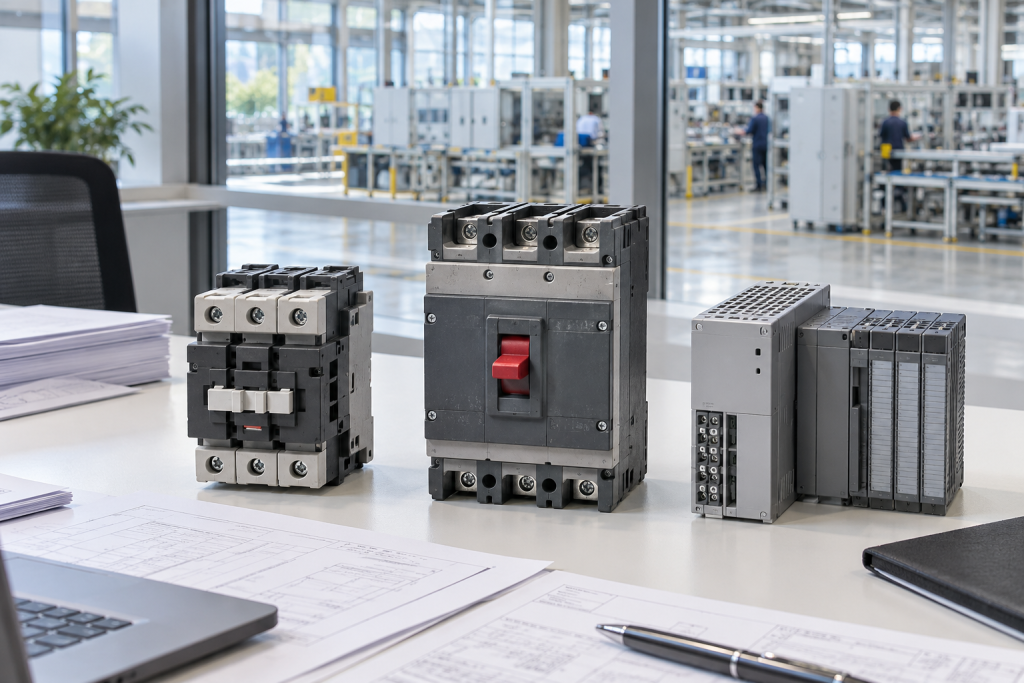
Image: AI-generated editorial illustration, not an exact product photograph or installation reference.
© 2026 NINERMAS. All rights reserved. Official Website: https://ninermas.com Inquiry: sale@NINERMAS.com | WhatsApp/Tel: +86 187 5021 5667
RFQ Preparation
Use the checklist, then send one complete request.
When the requirement is obsolete or urgent, one well-structured RFQ usually saves more time than multiple partial follow-ups.