
A maintenance buyer sees ABB and Mitsubishi Electric in the same acquisition headline and immediately asks whether the plant’s Mitsubishi PLC spares will change. That is a reasonable question, but the headline is not the answer. The first purchasing decision should be to establish which business and which products are actually covered, before changing a preferred supplier, increasing stock, or starting a migration project.
On October 20, 2026, ABB announced a planned majority-owned joint venture with Mitsubishi Electric. The stated scope is Mitsubishi Electric’s low-voltage power distribution business. ABB would hold 51 percent; completion is expected in the second half of 2027, subject to approvals. The release identifies equipment including breakers, switches, motor starters, contactors, measurement devices and UPS. It does not announce a transfer of the MELSEC PLC business or a PLC discontinuation date.
Start with the equipment boundary, not the logo
A typical machine cabinet contains several purchasing categories that happen to share a manufacturer name. Its contactor starts a motor circuit. Its PLC executes the sequence. Its rack power supply supports control electronics. A corporate transaction affecting one category does not establish a replacement relationship, a new support deadline, or a price increase for the others.
For example, an installed ABB A30-30-01 contactor, reference 1SBL281001R8401, belongs in the switching-equipment section of a spare register. An installed Mitsubishi Q62P PLC power supply belongs in the controller-system section. These are examples of separate procurement identities, not interchangeable products and not evidence that either exact reference is affected by this transaction. Published catalog listings are also not confirmation of present stock or an authorized substitution.
This distinction matters when purchasing data is incomplete. A spreadsheet entry that says only “Mitsubishi spare” cannot support a defensible lifecycle decision. It may cause a buyer to apply a distribution-product announcement to a processor rack, while overlooking the motor starter that actually needs a vendor clarification.
Convert the announcement into a short evidence register
Use one row per installed order code. Record the equipment function, plant asset reference, current supply channel, applicable lifecycle notice and the person responsible for confirming a change. Add a separate transaction-scope field with three possible states: explicitly included, explicitly excluded by reliable evidence, or not established. The last state is important. Silence in a press release is not a technical declaration about every product in the wider organization.
For each genuinely exposed purchasing relationship, request written answers to practical questions: Will the legal supplier on the quotation change? Which party handles a warranty claim? Will existing certificates remain applicable to the supplied reference? Are ordering codes or packaging markings expected to change? Ask for an effective date and document revision. Keep commercial forecasts separate from confirmed changes.
A useful internal note therefore says, “Review the low-voltage supplier relationship when transaction milestones are confirmed.” It does not say, “Replace all Mitsubishi controls.” The first action is proportionate to the evidence. The second creates engineering work without a demonstrated equipment requirement.
Do not buy a speculative shortage
An acquisition announcement can make an ordinary stock review feel urgent. Urgency should still come from the plant’s recovery exposure. Estimate how many assets depend on the exact spare, whether the existing spare has a documented condition, and how long a verified alternative would take to qualify. Compare those findings with a current written quotation and a realistic outage window.
If one contactor variant is critical, verify coil identification, auxiliary-contact requirements, mounting and the approved equipment specification. If a PLC power supply is critical, verify the rack configuration and complete reference. Neither decision improves when a buyer replaces these details with a broad claim that “the brand is changing.” Technical approval remains necessary even when two suppliers now share an ownership relationship.
Separate the cost of carrying a spare from the cost of leaving a recovery gap. A duplicate of an untested or incorrectly identified unit does not necessarily close that gap. A documented, inspected spare with a usable recovery procedure may be more valuable than several units bought before their suitability was established.
Prepare for change without claiming it has happened
The practical action now is administrative readiness. Preserve existing purchase records, certificates and model photographs. Record the announcement date and expected completion window. Assign a review owner rather than asking every engineer to follow corporate news independently. When an actual product notice arrives, reconcile it with the installed-base register and obtain engineering sign-off before changing a material master.
Keep a small decision log: what changed, which source confirms it, which installed assets are affected, and what remains unknown. This also makes handover easier when the next shift receives an urgent spare request. They can see whether a claimed shortage is confirmed, whether a proposed substitute has been approved, and whether a supplier transition is merely anticipated.
Questions maintenance and purchasing teams ask
Does the joint venture mean my MELSEC PLC is being discontinued?
No such conclusion follows from this announcement. Its published scope is low-voltage power distribution. A PLC lifecycle decision needs a separate, model-specific manufacturer notice. Keep any existing verified PLC notices in force; do not replace them with an interpretation of the transaction headline.
Should we increase spare stock immediately?
Not solely because of the transaction. Review criticality, usable stock, qualified alternatives and confirmed delivery commitments first. An increase can be justified by a real recovery gap, but an unverified expectation of shortages is not evidence of one.
Will ABB and Mitsubishi parts become interchangeable?
Ownership does not establish electrical, mechanical or functional equivalence. Require an approved replacement reference and application review. Even devices with similar dimensions may have different ratings, terminals, control requirements or approvals that matter in the installed circuit.
What should accompany a quotation request?
Provide the full manufacturer reference, nameplate photograph, equipment function, quantity, required condition and destination. Identify whether the request concerns an exact spare or an engineered alternative. Ask the supplier to state any limitations rather than assuming the catalog description settles them.
Keep the request tied to the installed asset
Send NINERMAS the exact contactor or PLC power-supply reference, your required delivery window and any certificate or inspection requirements. We can scope a sourcing enquiry around that evidence. A corporate announcement is useful context; a verified equipment identity is what makes the quotation actionable.
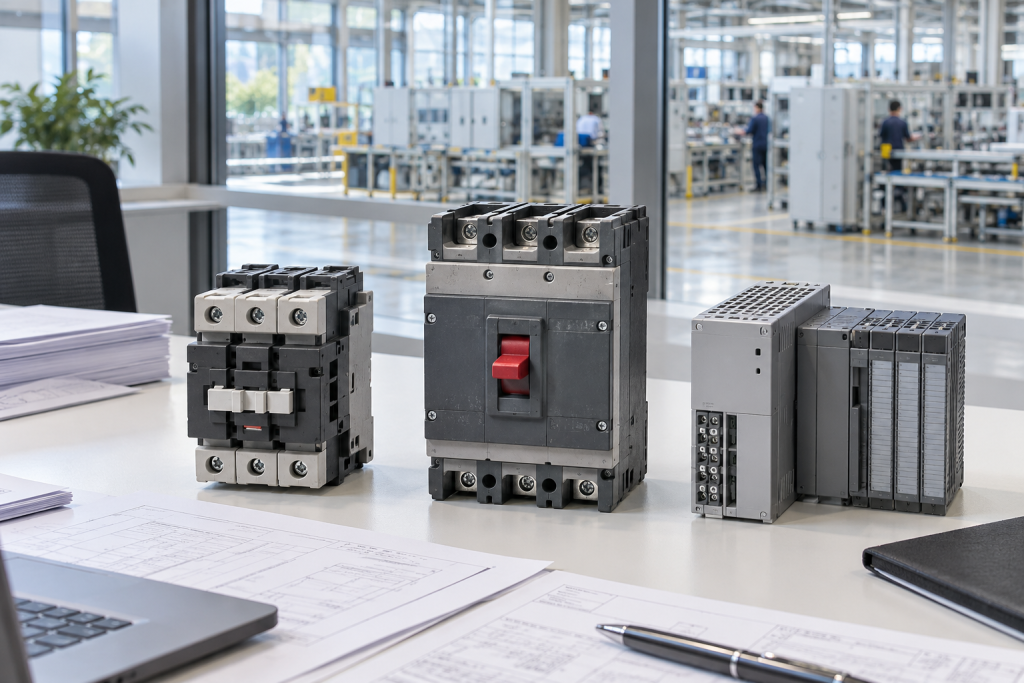
Image: AI-generated editorial illustration, not an exact product photograph or installation reference.
© 2026 NINERMAS. All rights reserved. Official Website: https://ninermas.com Inquiry: sale@NINERMAS.com | WhatsApp/Tel: +86 187 5021 5667
RFQ Preparation
Use the checklist, then send one complete request.
When the requirement is obsolete or urgent, one well-structured RFQ usually saves more time than multiple partial follow-ups.