In the world of distributed control systems (DCS), few names carry as much weight as Foxboro. From the early I/A Series to the modern EcoStruxure Foxboro DCS, these systems have been the backbone of the world’s most complex refineries and chemical plants for decades. But as we move through May 2026, a significant number of facilities are facing a crossroad: their installed base of Foxboro FCP270 processors is reaching a critical age, and the pressure to modernize is clashing with the need for operational stability.
As a technical consultant with over 20 years in the industry, I have seen Foxboro systems survive everything from natural disasters to corporate mergers. I can tell you from experience that in 2026, the biggest threat to your Foxboro system isn’t its age—it’s the combination of a tightening spare parts market and the increasing sophistication of OT-specific cybersecurity threats. Today, we’ll analyze how to keep your FCP270-based racks running safely while navigating the transition to the next generation of control.
The FCP270 vs. FCP280 Dilemma
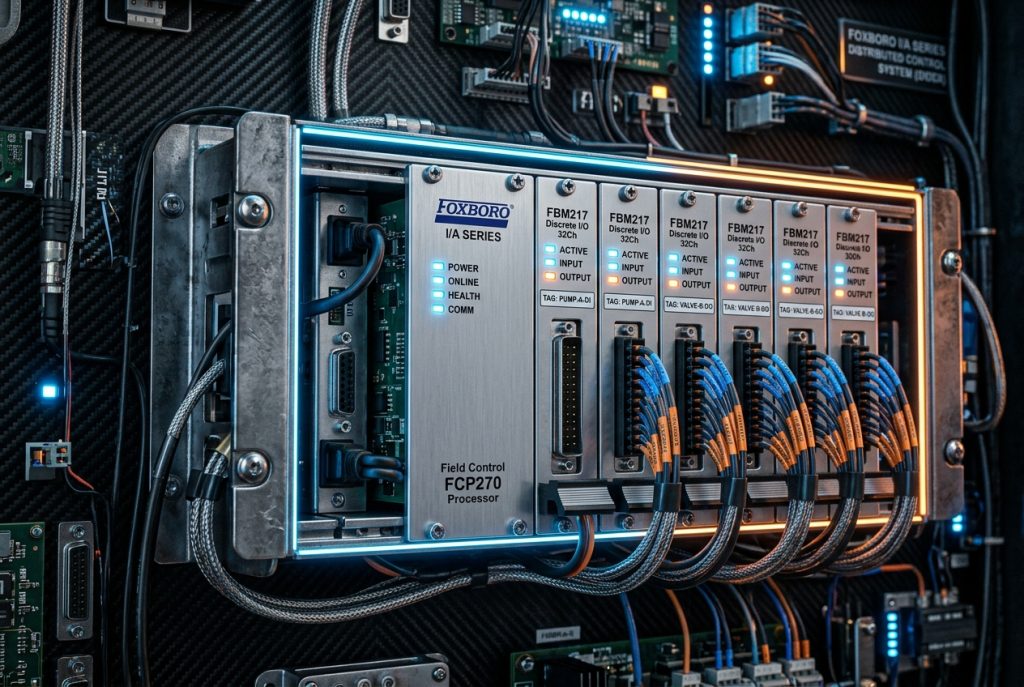
Schneider Electric has done an excellent job of providing a migration path with the FCP280, but for many plant managers, the FCP270 remains the preferred choice for immediate maintenance. Why? Because it’s a known quantity. The Foxboro FCP270 Field Control Processor is a masterpiece of fault-tolerant design. However, as the global stock of original, new-in-box FCP270s continues to dwindle in 2026, the risk of relying on unverified second-hand modules has reached an all-time high.
When you are auditing your DCS health this month, look beyond the CPU. The communication fabric—specifically the Foxboro FCM2F2 Fieldbus Communications Module—is often the first point of failure in an aging rack. If your FCMs are original equipment from the mid-2010s, their internal components are likely reaching the end of their MTBF (Mean Time Between Failure). Replacing these proactively with verified spares is not just ‘good housekeeping’; it is a critical step in preventing a system-wide communication timeout during a high-load event.
FBM Integrity: Why ‘Original New’ Matters in 2026
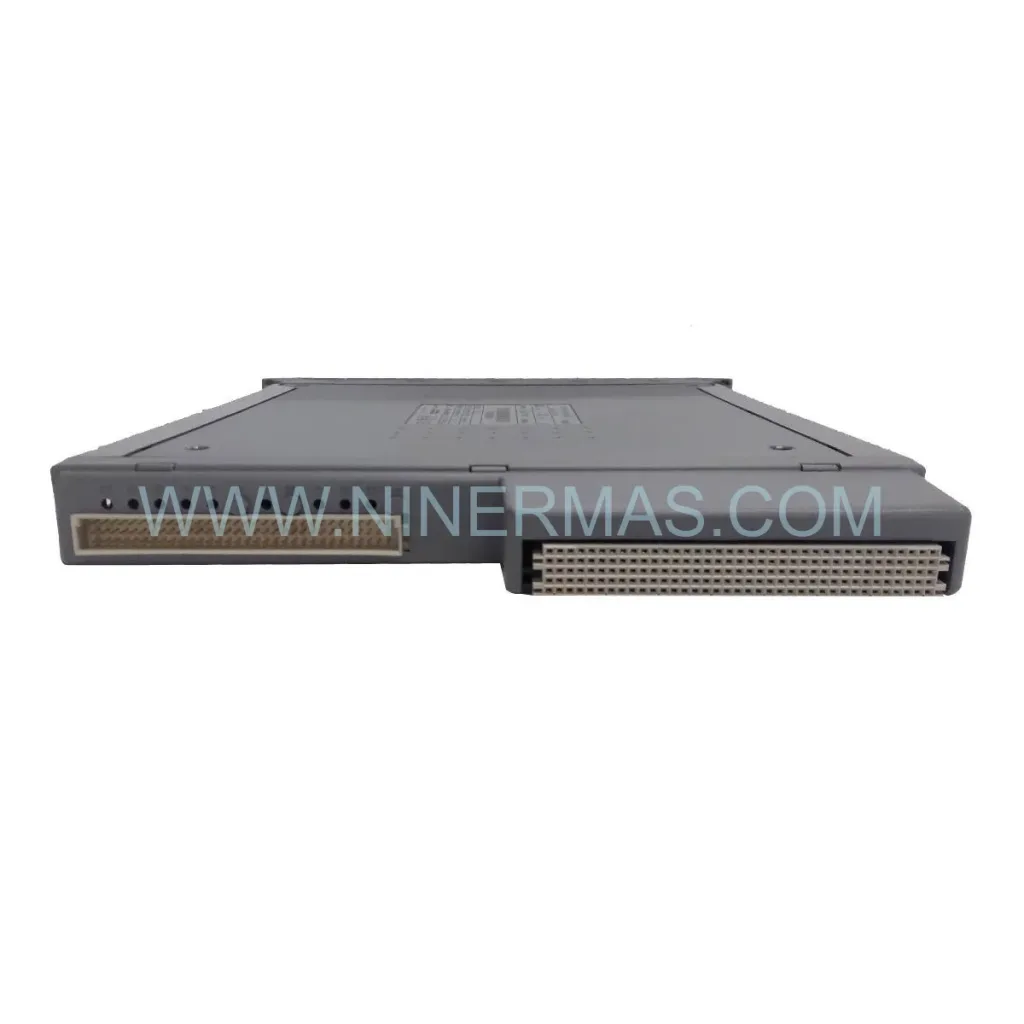
The fieldbus modules (FBMs) are the literal hands and eyes of your DCS. Modules like the Foxboro FBM217 Discrete Input Module are designed to survive harsh industrial environments, but they are not immortal. In 2026, we are seeing a surge in ‘refurbished’ FBMs that use non-industrial grade capacitors or have undergone unauthorized board-level repairs. As an engineer who has seen a safety trip fail because of a leaky capacitor on a refurbished output card, I can’t stress this enough: your safety integrity level (SIL) is only as high as the weakest component in your rack.
If you are planning a system modernization, consider the Foxboro FBM242 Retrofit Module. These newer versions allow you to keep your field wiring while updating the electronics to a more modern, secure revision. This ‘In-Place Modernization’ is the smartest way to manage budget constraints in 2026 while significantly lowering your hardware failure risk profile.
Cyber Resilience and the Stratix Integration
While the Foxboro hardware is robust, the software layer—specifically legacy FoxView or early Cimplicity HMIs—is under constant pressure from modern network vulnerabilities. The May 2026 CISA advisories (including the recent ICSA-26-141-03 for Rockwell/Stratix devices) highlight a critical point: your DCS is only as secure as the network switches that feed it. Many Foxboro users integrate Rockwell Stratix switches for their control network fabric; if your switches aren’t patched, your DCS backplane is effectively open to the network.
My advice for 2026 is to adopt a ‘Defense-in-Depth’ strategy. Ensure your Foxboro racks are isolated behind a properly configured industrial firewall and that every spare module you introduce—whether it’s a processor or a simple I/O card—comes from a source that can guarantee its firmware integrity. In a world where supply chain attacks are no longer science fiction, hardware provenance is the ultimate form of cybersecurity.
Frequently Asked Questions
1. Can I mix FCP270 and FCP280 processors in the same system?
Yes, Foxboro supports a hybrid architecture, but you must ensure your system software version (e.g., Foxboro EVO or I/A Series 8.x) is compatible with the newer hardware to prevent synchronization issues.
2. What are the early warning signs of an FCM2F2 module failure?
Look for ‘intermittent loss of communication’ errors in your system log, or physical signs of thermal stress on the module’s casing. If the module is running hot to the touch, its internal power regulator is likely failing.
3. Why is the P0917QU part number so critical for FCP270 users?
The P0917QU is the specific assembly code for the FCP270. When sourcing spares, always verify the P-number and the hardware revision letter to ensure it matches your current rack configuration.
4. How do I verify if my Foxboro spares have original factory firmware?
Always source from a partner with documented technical pedigree. At NINERMAS, we leverage our 20+ years of experience to vet every module, ensuring it hasn’t been tampered with or poorly repaired in the secondary market.
Secure Your Foxboro Infrastructure Today
Navigating the complexity of legacy DCS maintenance requires more than just a part number—it requires a partner who understands the technical heartbeat of your plant. Whether you are maintaining a legacy I/A Series installation or optimizing a modern Foxboro DCS platform, NINERMAS provides the original, verified spares and expertise you need to stay safe and productive. Contact our experts today to audit your critical spares and protect your facility against the threats of 2026.
© 2026 NINERMAS. All rights reserved. Official Website: https://NINERMAS.com Inquiry: sale@NINERMAS.com | WhatsApp/Tel: +86 187 5021 5667
Next Step
Move the research into a cleaner RFQ.
Send the part number, quantity, condition expectation, destination, and timing details so the sourcing team can reply with better availability and lead-time context.