
An Ethernet module can fit the chassis, answer a ping and still be the wrong spare for the network it must restore. That is an expensive discovery during a shutdown: the replacement appears healthy, but the maintenance team cannot reproduce the original cable arrangement or the expected recovery behavior. For a ControlLogix installation, the distinction between a 1756-EN2T and a 1756-EN2TR belongs in the spare specification, not in a last-minute conversation beside the cabinet.
Rockwell Automation published its fiscal 2026 results on November 5. Corporate performance is useful industry context, but it does not establish the availability, lead time or interchangeability of a particular installed module. Maintenance purchasing still needs evidence at the exact catalog-number level. This article addresses that engineering decision; it does not infer a shortage or lifecycle change from the results announcement.
Specify the network role before the spare quantity
Start with the approved network drawing and the actual installed module label. Rockwell’s ControlLogix EtherNet/IP network devices manual distinguishes devices and the network topologies they support. The single-port 1756-EN2T and the dual-port 1756-EN2TR are not simply the same spare with different connector counts. Device Level Ring support is a relevant distinction when the module participates in that architecture.
A useful inventory record therefore describes what the module does in its particular location. Is it a chassis connection on a star network? Does it sit along a linear path? Does it participate in an approved ring arrangement? Record the installed series and firmware as well as the catalog number. Do not derive an answer solely from the presence of two blue cables or the word Ethernet on an old purchase order.
For a single-port installation, an inquiry for a 1756-EN2T ControlLogix communication module should carry the original label details and the project compatibility requirements. Where the installed design calls for the ring-capable variant, identify the 1756-EN2TR EtherNet/IP spare separately. These are catalog references for an engineering review, not a blanket substitution approval.
Why a successful ping is an incomplete acceptance test
A ping answers a narrow question about reachability. It does not show that every required controller connection has recovered, that the application sees current data, or that a redundant network arrangement behaves as designed. Procurement should resist reducing the acceptance requirement to a screenshot of an accessible web page. Such evidence can be useful, but it is not the entire return-to-service decision.
Ask the engineering owner to define the expected observations before receiving the spare. These may include correct identification in the engineering project, required connections established, normal diagnostic status, and the expected application data exchange. Where resilience matters, an approved offline or controlled commissioning plan should address recovery behavior too. This is not an instruction to disconnect production network cables to create a test fault.
The acceptance record should distinguish a bench communication test from an installation test. A supplier can reasonably demonstrate identity and agreed hardware functions in a test fixture. Only the plant can confirm behavior in its own configuration, with its controller versions, connections and operating requirements. Keeping those responsibilities separate makes a quotation more useful and prevents an unrealistic promise from becoming the purchasing specification.
Retain the evidence that an urgent purchase usually loses
Prepare a small recovery packet while the system is healthy. Include a readable module label photograph, chassis and slot identity, firmware record, approved network drawing and the relevant project revision. Add the person responsible for configuration approval. Store this information in the site’s controlled maintenance system, not only on a technician’s personal laptop or inside a supplier email thread.
When a failure occurs, preserve available diagnostic evidence before a reset or replacement changes it. The purpose is to keep a failed network cable, external switch problem or configuration mismatch from being mistaken for a failed module. Investigation and physical work must follow the site’s electrical safety, isolation and change-control procedures. A purchasing article cannot replace those procedures or authorize live intervention.
For stores personnel, label the spare according to its approved application scope. A module that has passed a receiving inspection is not automatically commissioned for every chassis in the plant. Separate unverified stock, qualified spares and returned units awaiting diagnosis. Record any restrictions prominently enough that a night-shift issue does not rely on someone remembering a previous discussion.
Build a quotation that can be compared fairly
Ask each supplier for the same identity and condition information: exact catalog number, hardware series, firmware evidence, physical condition, included accessories and the agreed test scope. Request clear photographs of the offered unit where available. Confirm commercial availability directly; a product page is not proof of current stock or a guaranteed dispatch date.
Compare the delivered recovery package, not just the module price. A cheaper offer with an unresolved series question can consume more outage time than the price difference justifies. Conversely, a different label is not automatically unacceptable; it requires a documented compatibility decision from the responsible engineer. The objective is a traceable decision, rather than automatic rejection or automatic acceptance.
Questions maintenance buyers ask
Can an EN2T replace an EN2TR if I use only one port?
Do not approve that substitution from connector usage alone. Check the complete network design, application requirements and supported hardware and firmware combination. A currently unused connection does not prove that the original resilience requirement has disappeared.
Does the EN2TR name guarantee a redundant controller system?
No. Network topology capability and controller redundancy are different design questions. Identify the role of each component and use the applicable system documentation rather than treating a catalog suffix as a complete architecture description.
Is a tested used module ready to install immediately?
A test result supports only the functions and conditions actually tested. The receiving and commissioning teams still need to confirm identity, compatibility, configuration and the approved return-to-service criteria for the intended installation.
What should I send with an urgent inquiry?
Send the full label, series and firmware if known, chassis role, quantity, required condition and delivery destination. State unresolved compatibility questions explicitly. NINERMAS can review the requested hardware and quotation scope without assuming that similar model names are interchangeable.
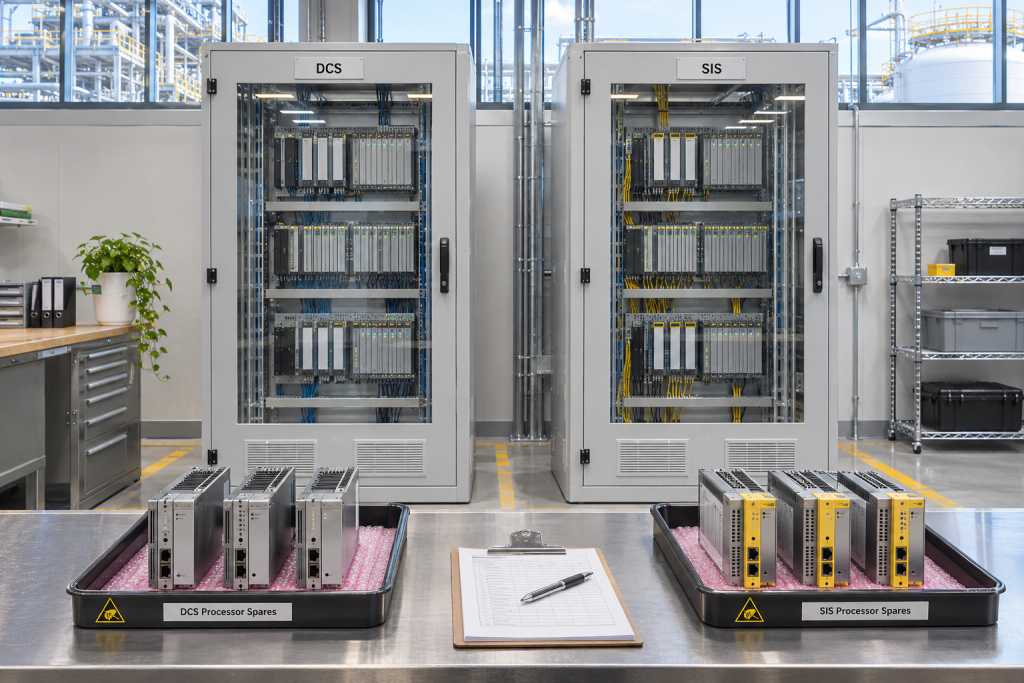
Image: AI-generated editorial illustration, not an exact product photograph or installation reference.
© 2026 NINERMAS. All rights reserved. Official Website: https://ninermas.com Inquiry: sale@ninermas.com | WhatsApp/Tel: +86 18750215667
Next Step
Move the research into a cleaner RFQ.
Send the part number, quantity, condition expectation, destination, and timing details so the sourcing team can reply with better availability and lead-time context.